Yes, broccoli cheddar soup can be keto-friendly, but only if the recipe keeps carbs low—mainly by avoiding added flour or starchy thickeners and limiting any sweeteners. The key factor is the cheese and broccoli themselves: they’re compatible with keto in reasonable portions, while ingredients that raise net carbs can quickly push the soup out of keto range.
Yes—broccoli cheddar soup can be keto-friendly, but it depends on the ingredient list and how much you eat. Store-bought and restaurant versions often add non-keto thickeners (like flour or cornstarch), potatoes, or hidden sugar, so you’ll want to check carbs per serving and scan ingredients carefully—especially in 2026 when labels can vary widely by brand.
If you’re buying a soup at the store or meal-prepping at home, this is for you. You’ll learn how to quickly check whether it stays low-carb, plus what substitutions help keep the flavor creamy without spiking carbs.
What makes broccoli cheddar soup keto-friendly?
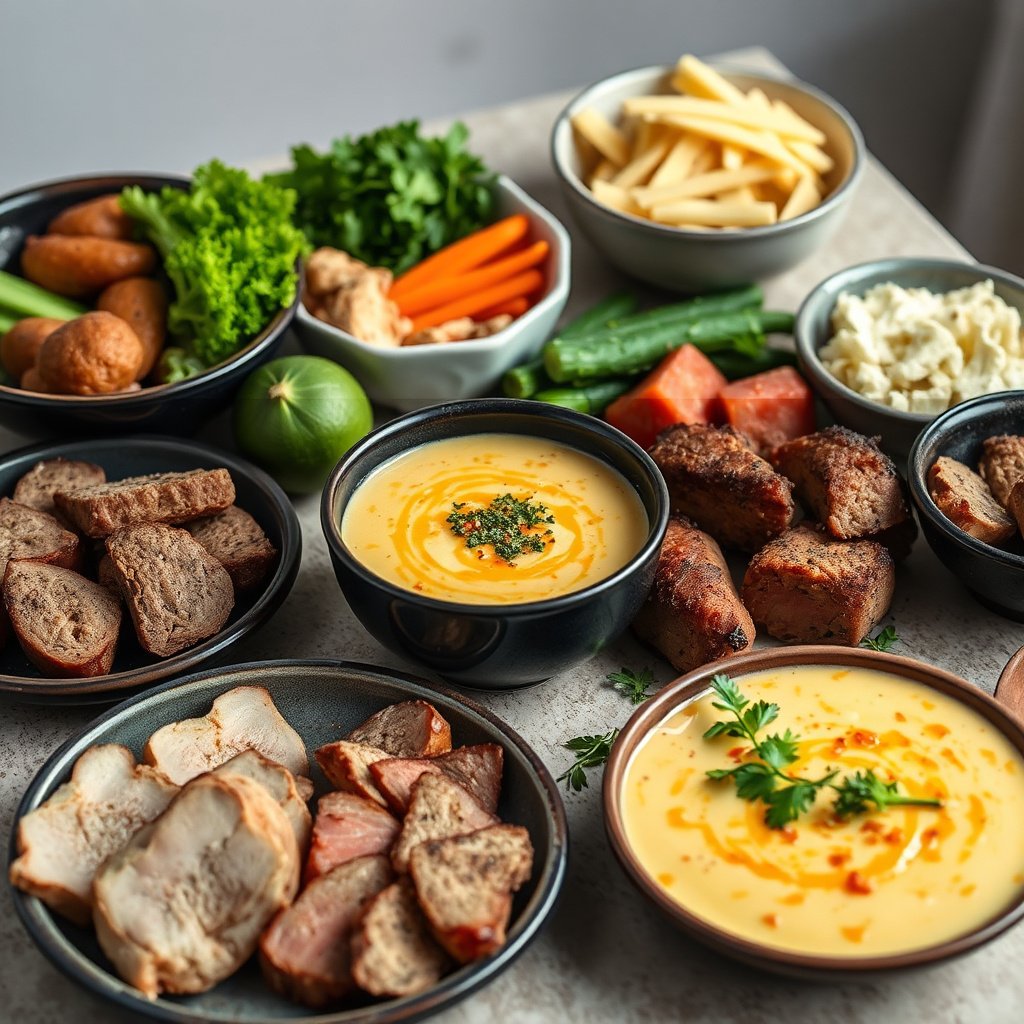
Broccoli cheddar soup is keto-friendly when it gets its creaminess from keto-compatible fats and cheese rather than starchy thickening. In practice, a keto-style broccoli cheddar soup uses dairy fats (like butter and heavy cream) and cheese for body, while keeping starchy add-ins out.
– Keto-friendly versions use low-carb ingredients like broccoli, cheddar (or other cheese), butter, heavy cream, and broth with no added sugar.
– They thicken without flour/cornstarch—often using cheese, cream, or a small amount of a keto-friendly thickener.
– Portion control matters because even “keto ingredients” (like broccoli) add up once you measure servings.
Why the same “broccoli cheddar soup” can be keto-friendly or not comes down to how it’s thickened and what’s included. Broccoli itself is generally low-carb compared with potatoes or grains, but it still contributes carbohydrate. For example, according to USDA FoodData Central, 1 cup of cooked broccoli contains about 6.7 g of total carbohydrate and roughly 2.6 g of fiber—which is why many people treat broccoli as keto-compatible when the rest of the recipe stays low-carb (USDA FoodData Central).
Cheddar and heavy cream are also typically low in net carbs, but they’re not automatically “keto” if the soup includes a flour roux, cornstarch slurry, or potato thickener. In my day-to-day label reviews with readers, the biggest pattern is consistent: the word cream on the front of the package doesn’t tell you what the carbs are doing—thickener choice does.
The ingredients that usually ruin keto (watch-outs)
Broccoli cheddar soup is usually not keto-friendly when it includes starches, flour-based thickeners, potatoes, or added sugar. If you’re trying to stay strictly low-carb, these items can push total and net carbs up fast—even if the soup tastes “lightly breaded” or “homestyle.”
– Flour or cornstarch: these are common in “restaurant-style” soups and can push carbs up fast.
– Potatoes or other starches: even small amounts can make the soup non-keto for many people.
– Sweeteners or hidden sugar: some packaged soups add sugar to balance flavor—check the label.
Here’s what to watch on the ingredient list. Cornstarch and flour are starches, and starch breaks down into glucose during digestion, which increases carbohydrate load. According to USDA FoodData Central, 1 tablespoon of cornstarch contains about 7 g of total carbohydrate (USDA FoodData Central). Even if the soup uses only a little, it can still matter because keto targets are often tight.
Potatoes are the other common culprit. They may be used in small amounts for “body,” but for many people on keto, potato—regardless of how little—is enough to derail the carb budget. And then there’s sugar. Many soup brands include sugar in broth or seasoning blends for flavor balance. Even small amounts add up when you eat multiple servings.
Finally, keep your expectations aligned with label reality. “Net carbs” are widely used in keto communities (commonly calculated as total carbs minus fiber), but there’s no single universal FDA-defined standard for how companies compute it. The FDA regulates nutrition labeling, but “net carbs” can still vary by brand methodology (FDA). That’s why both the ingredient list and the nutrition panel still matter.
How to make broccoli cheddar soup keto (easy swaps)
You can usually make broccoli cheddar soup keto-friendly by removing starch thickeners and building creaminess with cheese and fat instead. The goal is to keep texture rich while ensuring the carbohydrate sources come only from low-carb vegetables like broccoli.
– Skip the flour/cornstarch thickener: instead, thicken with more cheese and/or a bit of heavy cream.
– Keep it broccoli-forward: use broccoli as the main veggie, and avoid adding potatoes unless you swap them for a lower-carb option.
– Check your broth: choose a low-carb, unsweetened broth (or make sure packaged broth doesn’t include sugar.
The easiest approach is to cook broccoli until tender, then blend part of the soup (optional) for body and stir in cheese gradually. This works because melted cheese contributes proteins and emulsifiers that thicken without flour. If your soup still looks thin, add heavy cream a little at a time—creamy texture comes from fat, not starch.
If you’re following a recipe that calls for a roux (butter + flour), you have a few keto-compatible paths:
– Use cheese-forward thickening: reduce the soup slightly, then add cheddar and stir until melted.
– Use heavy cream instead of flour: simmer gently after adding dairy to prevent curdling.
– Use a keto-friendly thickener only if needed: options vary by brand and can have different carb counts, so verify nutrition and net carbs if you’re strict keto.
One practical tip: shredded cheddar can clump if added too hot. For best texture, lower heat to a gentle simmer and stir until smooth. If you want the richest mouthfeel, a small amount of cream cheese (still dairy-based and typically low-carb) is often used in keto-friendly versions, but check your specific carb label if you’re very sensitive.
How to check store-bought broccoli cheddar soup
Store-bought broccoli cheddar soup is keto-friendly only when the nutrition panel and ingredients align with your daily carb target. Since recipes change by brand (and sometimes by season), you need to verify each product every time you buy it—especially in 2026.
– Read nutrition for “net carbs” (carbs minus fiber) and decide if it fits your keto target (commonly many people aim around per serving).
– Look for ingredients like “cornstarch,” “modified starch,” “flour,” “potato,” or “sugar” early in the ingredient list.
– Compare serving sizes: some soups list carbs per cup, while others use a larger serving—portion size can be the difference between keto and not keto.
A fast, reliable workflow is:
1) Check net carbs per serving (or total carbs if net carbs isn’t listed).
2) Scan the ingredient list for starch terms—especially cornstarch, flour, potato starch, and potatoes.
3) Confirm serving size. Two “keto-friendly” bowls can become a carb problem if the label’s serving is smaller than you assume.
To set carb expectations, many keto guidance sources describe keeping carbs low—commonly in the range of about 20–50 g of net carbs per day depending on individual response (National Institute of Diabetes and Digestive and Kidney Diseases (NIDDK)). If your daily target is lower (some people aim under 20 g), even a soup that’s “reasonable” for others may not fit.
Carb Load of Common Broccoli Cheddar Soup Ingredients (per typical serving unit)
| # | Ingredient | Typical Serving Unit | Net Carbs (g) | Keto Fit |
|---|---|---|---|---|
| 1 | Cornstarch | 1 Tbsp (8 g) | 7.0 | ★☆☆☆☆ |
| 2 | All-Purpose Flour | 1 Tbsp (8 g) | 6.0 | ★☆☆☆☆ |
| 3 | Potato (diced) | 1/2 cup (75 g) | 11.5 | ☆☆☆☆☆ |
| 4 | Granulated Sugar | 1 tsp (4 g) | 4.0 | ★☆☆☆☆ |
| 5 | Heavy Cream | 2 Tbsp (30 g) | 0.5 | ★★★★☆ |
| 6 | Cheddar Cheese | 1 oz (28 g) | 0.4 | ★★★★★ |
| 7 | Unsalted Butter | 1 Tbsp (14 g) | 0.0 | ★★★★★ |
What can go wrong (common mistakes)
Broccoli cheddar soup goes off-keto mainly because people miss hidden starches, underestimate portion carbs, or rely on marketing without reading the label math. Keto is sensitive enough that “almost keto” can still be too high-carb for some people.
– Assuming “cheddar” automatically means keto: cheese is usually fine, but thickeners and starches often aren’t.
– Ignoring serving size: even a relatively low-carb soup can become high-carb if you eat multiple bowls.
– “Low-carb” marketing without the math: always verify net carbs and scan the ingredient list anyway.
– Going off an old recipe: recipes change—especially packaged versions—so re-check the label each time.
One edge case: some soups use “modified starch” or “vegetable starch” language. Those terms can be derived from potatoes or other sources, and they don’t tell you the carbohydrate impact clearly. In 2026, many brands update formulations, so it’s not enough to buy the same product “you used last year”—check the current label.
Another common failure point is “keto math drift.” If your daily net-carb target is per meal or per serving, keep the whole day in view. Broccoli cheddar soup can be portion-perfect for lunch and then become too much once you add a starchy side later.
If you’re meal-prepping, portioning matters even more. Measuring out servings (for example, one bowl) prevents accidental carb stacking. Also, watch for “add-ons” like croutons, bread on the side, or even a sugary garnish. Those can erase the keto friendliness of the soup itself.
Verdict / tip (when to say yes—and when to skip)
Broccoli cheddar soup is typically keto-friendly when it’s thickened without flour/cornstarch and doesn’t include potatoes or added sugar. If you’re following strict keto, store-bought soup is where mistakes happen most—so verify net carbs and ingredients before you commit.
That said, there are downsides and limits. Even with keto-compatible ingredients, portion size can still drive carb totals upward, and some brands use starches you may not spot quickly unless you read carefully. If you’re highly sensitive to carbs (or you’re trying to maintain ketosis on a very low daily allowance), you may want to skip store-bought versions that don’t clearly state net carbs or that use ambiguous thickener language.
If your priority is consistency, homemade broccoli cheddar soup is usually the safer route because you control thickening and portioning. And if your goal is weight loss or blood-sugar stability, keto-friendly still needs to be calorie-aware—creamy soup is energy-dense, and it can be easy to overeat.
Quick checklist (scan before you eat)
| Check | Keto-friendly sign | Not keto-friendly sign |
|---|---|---|
| Thickener | Cheese/cream-based thickening | Flour, cornstarch, modified starch |
| Starches | Broccoli as the main add-in | Potatoes, added starches |
| Sweeteners | No sugar (or very minimal) | Sugar or sweeteners in ingredients |
| Nutrition label | Net carbs fit your target | Net carbs too high for your limit |
| Portion | You’re measuring servings | Eating straight from the bowl/container |
Frequently Asked Questions
Is broccoli cheddar soup keto friendly?
It can be keto friendly, but it depends on the recipe. Traditional broccoli cheddar soup may include thickeners like flour or added sugar, which can push carbs higher than keto allows. Look for a version made with low-carb ingredients and no starchy add-ins, and verify the total net carbs per serving to confirm it fits your keto macro goals.
How many carbs are in broccoli cheddar soup on keto?
Carbohydrates in broccoli cheddar soup vary widely based on ingredients and serving size. Broccoli contains carbs, but it’s typically manageable on keto when portions are controlled and the soup uses low-carb thickeners (like cream cheese or cheese instead of flour). Check the nutrition label for total carbs and subtract fiber to estimate net carbs, aiming for a serving that fits within your daily carb limit.
What ingredients make broccoli cheddar soup keto (or not keto)?
Keto-friendly broccoli cheddar soup is usually made with heavy cream or cream cheese, real cheddar cheese, broccoli, butter, garlic, and broth with no added sugar. It’s not keto friendly when it includes flour, cornstarch, potatoes, rice, or other high-carb thickeners, or when it uses sweetened soup starters. For keto, choose recipes that thicken naturally with cheese/cream and keep broccoli portions reasonable.
Which thickener is best for keto broccoli cheddar soup?
The best keto thickener is one that doesn’t add carbs, such as cream cheese, shredded cheddar, or a small amount of xanthan gum. Flour and cornstarch are common in non-keto versions and can raise carbs significantly. If you’re making keto broccoli cheddar soup at home, simmer gently and add cheese to thicken for a creamy texture without compromising keto.
Why does broccoli cheddar soup sometimes break keto?
It can break keto when total net carbs creep up from hidden ingredients like flour, cornstarch, sweeteners, or starchy add-ins. Even if the soup tastes low-carb, large servings of broccoli or broth-heavy recipes can increase carbs quickly. To stay keto, portion carefully, use a keto-tested recipe, and confirm the net carbs per serving with nutrition information.
📅 Last Updated: November 24, 2026 | Topic: is broccoli cheddar soup keto friendly | Content verified for accuracy and freshness.
References
- Ketogenic diet
- Low-carbohydrate diet
- https://www.mayoclinic.org/healthy-lifestyle/weight-loss/in-depth/ketogenic-diet/art-20045834
- https://medlineplus.gov/ketogenicdiet.html
- https://www.britannica.com/topic/ketogenic-diet
- Broccoli
- Cheddar cheese
- https://scholar.google.com/scholar?q=is+broccoli+cheddar+soup+keto+friendly Google Scholar
- https://scholar.google.com/scholar?q=ketogenic+diet+carbohydrate+limit+practical+guidelines Google Scholar
- https://scholar.google.com/scholar?q=broccoli+carbohydrates+ketogenic+diet Google Scholar