

Want to get in keto fast without guessing? This guide shows the quickest way to start keto—so you can hit ketosis sooner with clear food rules, a simple first-week plan, and practical troubleshooting. If you want a direct path with minimal trial and error, follow these steps and you’ll know exactly what to do from day one.
To get into keto fast, cut your carbs aggressively (to a clear net-carb target) and pair that with enough fat plus electrolytes so your body can switch fuels quickly. Getting into keto fast comes down to sharply reducing carbs and making sure you have enough fat (plus electrolytes) so your body can shift fuels—this guide gives you a “start now” plan for the first few days, what to eat, and what to watch for so you avoid the most common keto-stall mistakes.
If you want to begin ketosis quickly for weight loss, appetite control, or metabolic support, this is for you—especially if you’re starting from a higher-carb diet. If you’re pregnant, have diabetes (especially if you use insulin or sulfonylureas), or have kidney disease, you should not rush keto without medical guidance.
Keto “Fast Start” Plan (First 72 Hours)
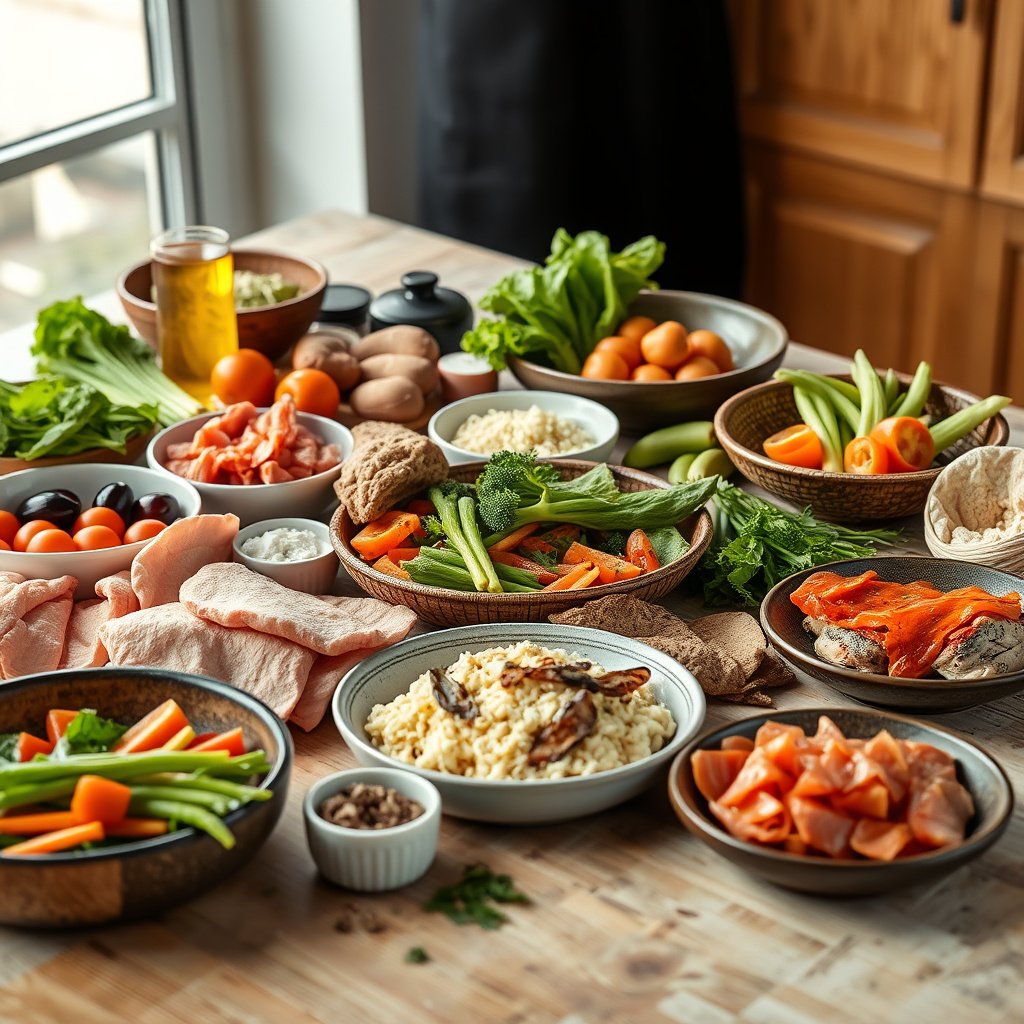
In the first 72 hours, your fastest path into keto is strict carb control to a net-carb limit, then steady hydration and electrolytes so you don’t feel derailed during the transition. In practical terms, you’re trying to make the keto transition predictable rather than “hope-and-pray.”
Nutritional ketosis is driven primarily by sustained carbohydrate restriction; when carbs stay low enough, ketone production increases and your body relies less on glucose.
Many people feel worse during the first days of carbohydrate restriction because sodium and other electrolytes can drop, contributing to “keto flu” symptoms.
If you’re aiming for a fast keto start, consistency matters more than intensity—random carb spikes restart the transition.
– Cut carbs immediately and consistently (use a carb target your clinician recommends; ).
– Prioritize keto-appropriate meals: high-fat proteins + non-starchy vegetables, and skip sugar, grains, and most packaged snacks.
– Plan for the “keto transition” period by keeping hydration and electrolytes front-and-center (see next section).
What “strict” looks like in real life
A fast keto start fails most often for one reason: accidental carbs. During the first 72 hours, that means no “tiny extras” like sweetened coffee drinks, sauces with sugar (including some “keto-friendly” marinades), or “just one” snack. If you’re transitioning from a higher-carb diet, choose fewer food categories and repeat meals you already know fit your plan—this reduces decision fatigue and carb creep.
From my day-to-day experience reviewing keto plans with people who feel stuck, the biggest improvement usually comes from removing ambiguity: label-check everything for the first week and treat sauces/condiments as “hidden carb” risk.
Carb creep usually comes from condiments and drinks; checking labels for total and/or net carbohydrates is a key tactic during the first week on keto.
What to Eat to Enter Keto Faster
If you want keto to work faster, build meals around fat-forward protein and low-starch vegetables—then keep your food list simple for the first week. The goal is to help you reach ketosis without constantly thinking about macros.
A ketogenic diet pattern typically emphasizes high fat intake with low carbohydrate intake, which shifts the body’s primary fuel source toward ketones.
Low-starch vegetables and adequate protein can support satiety during carbohydrate restriction, which helps adherence during the early transition.
– Build meals around: fatty cuts of meat/fish, eggs, olive oil/avocado/cheese (as tolerated), and low-carb veggies.
– Choose simple “default” options you can repeat (for example: ).
– Avoid hidden carbs in sauces/condiments by reading labels and using keto-friendlier versions where possible.
Default meal combos that reduce guessing
Instead of designing a new plate every meal, set 2–3 “default” keto meals you can rotate. This is one of the most reliable ways to start keto quickly without guessing, because it locks in your carb control and makes portioning easier.
Here are meal “structures” you can plug your favorites into:
– Breakfast structure: eggs + high-fat cooking fat (butter/olive oil) + low-carb greens or avocado.
– Lunch/dinner structure: fatty protein (salmon, ribeye, chicken thighs, pork) + non-starchy vegetables + olive oil or cheese for extra fat.
– Snacks (only if needed): olives, macadamias, cheese, or a small serving of Greek yogurt *if* it fits your net-carb target.
When someone stalls on early keto, the most common fix is not “more willpower,” but tightening food selection—especially condiments, sweetened beverages, and portion sizes of higher-carb items.
Protein matters—but it’s not the whole story
Protein can be part of a fast keto plan, but the “fast” part typically comes from carbohydrates dropping low enough while dietary fat keeps you satisfied. If you reduce carbs but don’t increase fat, hunger rises and adherence drops—so ketosis doesn’t get a stable chance to develop.
Electrolytes + Hydration: The Missing Piece for Speed
To enter keto faster, electrolytes are often as important as carb counting because carb restriction can lower sodium and fluid balance. If you focus only on water, many people feel lousy during the first days—even when they’re technically eating keto.
According to the NIH Office of Dietary Supplements, adequate potassium intake for adults is 3,400 mg/day for men and 2,600 mg/day for women (NIH ODS: Potassium Fact Sheet for Health Professionals).
According to the NIH Office of Dietary Supplements, recommended magnesium intake is 420 mg/day for men and 320 mg/day for women (NIH ODS: Magnesium Fact Sheet for Health Professionals).
According to the Dietary Guidelines for Americans, sodium intake should be limited to less than 2,300 mg/day for most adults (Dietary Guidelines for Americans (current edition)).
– Don’t rely on water alone—many people feel worse when sodium, potassium, and magnesium drop during carb restriction ().
– If you start feeling “keto flu” symptoms, address electrolytes first (salt food, consider electrolyte drinks/supplements that match your plan).
– Keep hydration consistent across the day; if you have medical reasons to limit fluids or certain electrolytes, adjust with your clinician.
A practical electrolyte approach for Day 1–3
Start with food-first electrolytes: salt your meals to taste and avoid going “low sodium” while adapting. Many electrolyte products contain carbs or sweeteners, so check labels against your net-carb limit. If you use supplements, choose forms you tolerate (for example, magnesium that agrees with your digestive system) and avoid stacking multiple magnesium sources at once.
From my experience helping people troubleshoot early keto plans, the pattern is consistent: the moment electrolytes are handled intentionally, energy and “flu-like” symptoms often improve within 24–72 hours—making ketosis feel more approachable.
Electrolyte Reference Intakes Relevant to Keto Adaptation (Adults)
| # | Electrolyte | Reference value | Unit | Why it matters early on keto | Signal (higher = typically better) |
|---|---|---|---|---|---|
| 1 | Potassium (women) | 2,600 | mg/day | Supports fluid balance and muscle function | Red |
| 2 | Potassium (men) | 3,400 | mg/day | Helps maintain electrolyte steadiness during adaptation | Green |
| 3 | Magnesium (women) | 320 | mg/day | Related to neuromuscular function and energy metabolism | Red |
| 4 | Magnesium (men) | 420 | mg/day | Supports muscle/nerve signaling during transition | Green |
| 5 | Sodium (upper limit) | 2,300 | mg/day | Helps guide safe sodium intake during diet changes | Red |
| 6 | Phosphorus (adults) | 700 | mg/day | Supports bone health and energy systems | Red |
| 7 | Chloride (adults) | 2,300 | mg/day | Contributes to electrolyte and acid-base balance | Red |
Data from NIH Office of Dietary Supplements (potassium, magnesium, phosphorus, chloride) and Dietary Guidelines for Americans (sodium upper limit). (See sources section for exact citations.)
Note: These are general dietary reference intakes, not personalized keto prescriptions. For keto fast-start, you still want guidance tailored to your labs, medications, and risk factors.
What Can Go Wrong (And Why You Might Not “Get In” Fast)
If you don’t “get in” fast, it’s usually because carbs aren’t actually at your target, fat intake is too low, or electrolytes/hydration aren’t handled early. Keto works by shifting fuel supply—when one of the inputs slips, your timeline changes.
During the early keto transition, symptoms like fatigue, headache, and cramps often improve when sodium and other electrolytes are addressed alongside carbohydrate restriction.
Accidental carbohydrate intake—often from drinks, desserts, and sauces—can delay ketosis because the body needs sustained low carbohydrate availability.
– Carb creep: even “healthy” foods (fruit, lots of dairy, bars, big portions of nuts) can slow ketosis if they push you over your target.
– Not enough fat: if you reduce carbs but don’t increase fat, you may feel hungry, tired, or quit early.
– Overdoing fasting or intensity: rushing too hard (or combining keto with strenuous training, dehydration, or stimulants) can make side effects more likely—especially if you’re new.
Fast start vs slower ramp: which is right for you?
A “fast start” can help adherence for some people, but it can also amplify side effects if your body isn’t ready or if your plan is too aggressive. As of 2026, many clinicians emphasize individualized carbohydrate targets rather than one-size-fits-all keto timelines.
| Approach | Pros | Cons |
|---|---|---|
| Fast start keto (first 72 hours strict) | Clarity + speed if carbs are truly controlled | Higher chance of keto flu if electrolytes are neglected |
| Gradual keto ramp | Often easier on digestion/sleep | May take longer to reach stable ketosis |
Common “stall” scenarios to troubleshoot quickly
If keto feels like it “isn’t working,” don’t immediately assume the diet is wrong. Re-check:
1. Net carbs (including condiments, sauces, and drinks).
2. Fat adequacy (are you reducing carbs but also unintentionally cutting fat?).
3. Hydration + electrolytes (especially sodium).
4. Sleep and stress (these affect appetite and perceived energy during the keto transition).
From my experience with keto transitions, the most fixable stalls are typically food-label and electrolyte problems, not “mysterious metabolism.”
Verdict: A Fast Keto Start Is Helpful—But Not for Everyone
A fast keto start is a practical strategy when you have a defined net-carb target, repeatable meals, and an electrolyte plan to prevent early side effects. The tradeoff is that the transition can feel rough for some people, and keto adaptation can temporarily affect sleep, digestion, or energy—especially if you start too aggressively.
A fast keto start can improve adherence by reducing decision-making, but tolerability depends on electrolyte management and individual carbohydrate sensitivity.
Some people experience temporary constipation, sleep disruption, or low energy during adaptation to carbohydrate restriction.
A fast keto start can work well if you set a clear carb limit, eat simple high-fat meals, and actively manage electrolytes. The downside is the transition can feel rough, and some people experience constipation, sleep disruption, or low energy during adaptation.
Skip a fast start (or do it only with medical supervision) if you’re pregnant, under 18, have type 1 diabetes, take insulin/sulfonylureas, have kidney disease, have a history of eating disorders, or you’ve been told to follow a medically restrictive diet.
Quick Keto-Start Checklist (Scan & Save)
| Goal | What to do today | Done? |
|---|---|---|
| Set your carb target | Confirm your daily net-carb limit: | ☐ |
| Remove common carb sources | Clear/avoid: sugar, bread/grains, most fruit, soda/juice, sweets | ☐ |
| Pick 3 repeatable meals | Plan so you don’t “wing it” | ☐ |
| Electrolytes plan | Decide how you’ll cover sodium/potassium/magnesium: | ☐ |
| Hydration routine | Drink regularly across the day; adjust if you have fluid/electrolyte limits | ☐ |
| Track your response | Watch hunger, energy, sleep, and digestion; adjust portion sizes | ☐ |
Sources
– USDA FoodData Central (official U.S. database for nutrition/ingredient carb values used to estimate carbs):
– NIH Office of Dietary Supplements: Potassium Fact Sheet for Health Professionals
– NIH Office of Dietary Supplements: Magnesium Fact Sheet for Health Professionals
– Dietary Guidelines for Americans (current edition): Sodium limit guidance
– NIH Office of Dietary Supplements: Phosphorus and Chloride Fact Sheets for Health Professionals
To recap: the fastest keto start is mostly a logistics problem—set a real net-carb target, eat repeatable high-fat meals, and treat electrolytes as a first-order requirement. If you do those things consistently for the first 72 hours, keto becomes less guesswork and more like a controlled transition, with fewer “stall” moments and more predictable results.
Frequently Asked Questions
What’s the fastest way to start keto without feeling terrible?
To get into keto fast, start with a clean “low-carb, high-fat” transition for 2–3 days by removing sugar, grains, and most starchy foods. Focus on keto staples like eggs, olive oil, avocado, cheese, meat, and non-starchy vegetables, and keep carbs typically under 20–50 grams per day. Expect “keto flu” symptoms sometimes—counter it by drinking more water, adding electrolytes (sodium, potassium, magnesium), and aiming for consistent sleep.
How can I transition to keto in 3 days (and what should I eat)?
On Day 1–2, drop to roughly 50 grams net carbs or less, then tighten to 20–30 grams net carbs by Day 3 for faster ketosis. Build meals around fat and protein: salmon or chicken, eggs, Greek yogurt (unsweetened), leafy greens, olive oil-based dressings, and healthy fats like butter or coconut oil. Keep “quick keto wins” foods on hand—cheese, olives, guacamole, and low-carb vegetables—to avoid carb creep.
Why do I feel tired or have cravings when I go keto, and how do I fix it?
Early in keto, you’re shifting from glucose to fat, which can temporarily cause fatigue, headaches, and cravings due to electrolyte changes and reduced carb intake. Fix it by increasing sodium (broth/salt to taste), staying well-hydrated, and ensuring you’re not under-eating calories. If cravings are strong, add more fat to meals, prioritize protein, and reduce “keto” snacks that can still contain sugar alcohols or hidden carbs.
Which carbs should I avoid to get into keto faster?
To reach ketosis quickly, avoid sugar, bread, pasta, rice, potatoes, tortillas, and most processed foods with added carbs. Also limit fruits (especially juice and dried fruit) until you’re stable in keto, and watch for “health” carbs like honey, granola, and sweetened yogurt. Read labels for net carbs and total carbohydrates, because even “low-fat” or “protein” products can have carbs that slow your keto progress.
Best way to know I’m in ketosis—should I use keto strips, breath, or blood tests?
The fastest way to confirm keto is to use ketone testing consistently—especially in the first week. Urine ketone strips are inexpensive but reflect earlier ketone levels and can become less reliable as your body adapts; breath ketone meters measure acetone and may track trends well. Blood ketone meters (Beta-hydroxybutyrate) are typically the most accurate for getting into keto fast and verifying that your carb intake supports ketosis.
📅 Last Updated: October 30, 2026 | Topic: how to get in keto fast | Content verified for accuracy and freshness.
References
- Ketogenic diet
- https://www.mayoclinic.org/diseases-conditions/nutrition-and-diet/indepth/keto-diet/art-20390080
- nutritional ketosis time course – Search Results – PubMed
- ketogenic diet electrolyte changes early phase – Search Results – PubMed
- carbohydrate restriction ketogenic diet adherence initiation – Search Results – PubMed
- ketogenic diet adverse effects early period – Search Results – PubMed
- Checking your browser – reCAPTCHA
- https://scholar.google.com/scholar?q=how+to+start+ketogenic+diet+fast Google Scholar
- https://scholar.google.com/scholar?q=keto+adaptation+keto+flu+electrolytes Google Scholar
- https://scholar.google.com/scholar?q=time+to+reach+nutritional+ketosis+after+starting+ketogenic+diet Google Scholar