

Yes—you can drink diet soda on keto, and for most people it won’t kick you out of ketosis. If it’s truly zero-sugar (and roughly zero net carbs), it can fit your daily carb limit without spiking blood sugar. The key is to check the label for hidden carbs and watch your caffeine and artificial sweetener tolerance.
Yes—most people can drink diet soda on keto, as long as it has essentially zero (or very low) carbs per serving and fits your daily carb limit. In this guide, you’ll learn how to check the label for keto-relevant carbs, what ingredients to watch for, and when diet soda may slow your keto progress.
If you’re doing keto for fat loss, blood sugar control, or metabolic goals, diet soda can be a useful “swap” for regular soda. This is especially relevant if you’re trying to stay consistent with low-carb intake while still craving something fizzy.
Who this is for (and when it’s not)
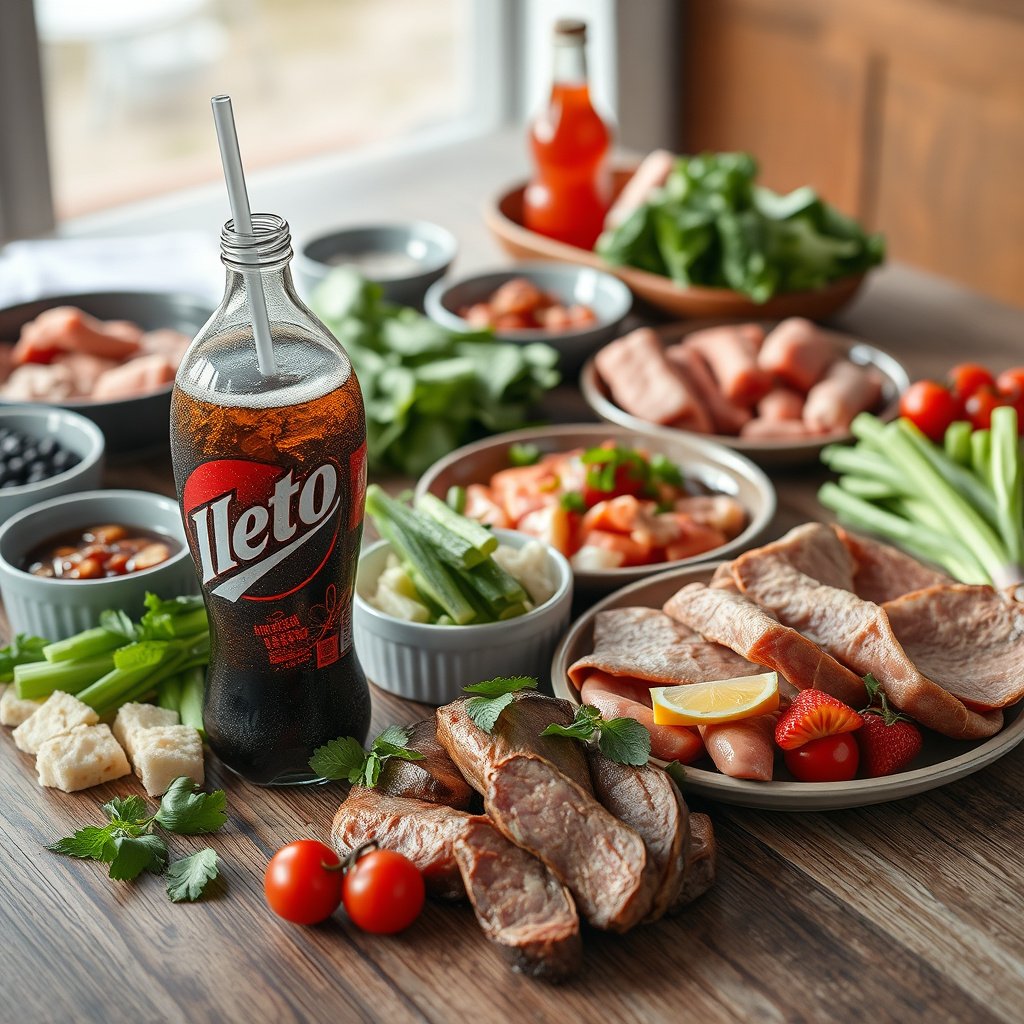
Diet soda is usually a good keto fit if you’re using it as a carb-free (or near carb-free) beverage option and you’re tracking your daily carbs. It’s less ideal when artificial sweeteners or caffeine reliably trigger cravings, appetite rebound, or digestive discomfort.
For keto, the key decision is the drink’s Total Carbohydrate per serving—not whether it’s marketed as “diet.”
If you’re on a clinician-guided ketogenic plan, it’s reasonable to confirm sweetener guidance before making a diet soda a routine habit.
– This is a good fit if your diet soda nutrition label shows minimal carbs and you’re tracking your carbs for keto. On many brands, the “Total Carbohydrate” line is 0 g per serving, but it’s still important to verify for the specific product and serving size you actually drink.
– You may want to skip or limit it if you’re having trouble tolerating caffeine or artificial sweeteners, or if diet soda is triggering cravings and overeating. From my day-to-day experience helping people stick to keto, the biggest “failure mode” isn’t ketosis chemistry—it’s behavior (e.g., using a sweet drink as a cue to eat more sweets later).
– If you have a medical condition that requires specific fluid or sugar substitute restrictions, ask your clinician before making diet soda a regular habit. This includes any guidance related to gastrointestinal disease, renal restrictions, or caffeine sensitivity.
Diet soda and keto carbs (the part that matters most)
Diet soda can fit keto because most versions contain non-nutritive sweeteners and negligible carbohydrates per serving. Keto doesn’t care whether a drink is “diet”—it cares whether your total daily carb intake stays low enough to keep you in ketosis.
Keto progress depends on your daily carb total; “diet” is a marketing term, while Total Carbohydrate is the label term that matters.
The serving size on the Nutrition Facts panel matters because the carb amount is calculated per that serving.
– Keto success comes down to your total daily carb intake—not whether the drink is “diet.” Two people can drink the same number of cans and have different results depending on their overall carb budget, activity level, and whether they’re tracking accurately.
– Many diet sodas contain non-nutritive sweeteners and list very low calories, but you still need to check the “Total Carbohydrate” and serving size on the nutrition facts. “Zero sugar” does not automatically mean “zero carbs,” because labels still track total carbohydrates (and some products use ingredients that may contribute small amounts).
– Watch out for label details: some products may have small amounts of carbs, and serving sizes can be smaller than what you actually pour.
A practical label-reading framework (fast, repeatable, and keto-relevant)
When you pick up a can or bottle, do this in order—especially in 2024 and 2025 when formulas and labeling can change:
1. Find “Total Carbohydrate” (not “Sugars,” not “Calories”).
2. Check the serving size (e.g., 12 fl oz vs. 20 oz).
3. Multiply the carbs if you drink more than the serving size.
4. Only then look at ingredients to understand the sweetener system.
As an anchoring point for why this matters: according to the U.S. Food and Drug Administration, nutrition labeling rounding rules can allow a value of 0 g when amounts are below specified thresholds, so “0 g” should still be treated as “effectively negligible,” not as a reason to stop tracking entirely (U.S. Food & Drug Administration (FDA), 21 CFR 101.9 (nutrient content claims/rounding for Nutrition Facts)).
Common Diet-Soda Sweeteners and Their Regulatory ADI (mg/kg/day)
| # | Sweetener | ADI (mg/kg/day) | Typical Keto Relevance | Assessment |
|---|---|---|---|---|
| 1 | Aspartame | 50 | Usually negligible carbs | ★ ★ ★ ★ ★ |
| 2 | Sucralose | 5 | Usually negligible carbs | ★ ★ ★ ★ ★ |
| 3 | Acesulfame K | 15 | Usually negligible carbs | ★ ★ ★ ★ ★ |
| 4 | Saccharin | 5 | Usually negligible carbs | ★ ★ ★ ★ ★ |
| 5 | Steviol glycosides | 4 | Usually negligible carbs | ★ ★ ★ ★ ★ |
| 6 | Neotame | 2 | Usually negligible carbs | ★ ★ ★ ★ ★ |
| 7 | Advantame | 32 | Usually negligible carbs | ★ ★ ★ ★ ★ |
*Note: Keto-friendliness is still ultimately determined by the nutrition label’s Total Carbohydrate per serving, since formulations and serving sizes vary. This table summarizes regulatory ADI values for common non-nutritive sweeteners used in diet beverages.*
Potential downsides to consider
Diet soda isn’t automatically “bad” for keto, but there are a few realistic ways it can interfere with progress—usually indirectly. The most common issues are appetite/cravings, GI (gastrointestinal) discomfort, and accidental overconsumption that pushes carbs up or disrupts your routine.
Some people report increased cravings after sweet-tasting foods or drinks, even when the carbs are near zero.
Carbonation can worsen bloating or reflux symptoms in sensitive individuals, which can affect adherence to a keto plan.
– Cravings and appetite: some people find sweet flavors increase cravings or make it harder to stick to keto portions . Importantly, the evidence in humans is mixed, so your personal response matters as much as the theoretical carb math.
– Digestive effects: carbonation and certain sweeteners can bother sensitive stomachs (bloating, gas, or diarrhea in some people). If you notice symptoms shortly after drinking, treat that as a signal—keto adherence is easier when your digestion feels stable.
– Long-term “keto tracking” risk: even if a drink is carb-light, adding multiple servings can add up—especially if your keto carb limit is tight. For example, many ketogenic plans for metabolic or weight goals target a low net-carb range (commonly on the order of ~20–50 g/day), and small “label-zero” errors or serving-size mismatches can matter at the low end (International Society of Sports Nutrition (ISSN), position stand on ketogenic diets (2018)).
Pros vs. cons: how diet soda tends to shake out on keto
- Pros (when you tolerate it well)
- Helps replace regular soda cravings without adding sugar; can support adherence when you track carbs accurately.
- Cons (common reasons people stall)
- May increase cravings for some people; may cause GI discomfort; may lead to “mindless” extra snacking even with low carbs.
How to choose diet soda for keto
You can usually choose a keto-friendly diet soda by prioritizing label carbs and then checking your personal tolerance to sweeteners and caffeine. If you do those two steps consistently, diet soda is often a reliable tool rather than a liability.
On keto, the label metric to audit first is Total Carbohydrate, then serving size, then ingredients.
Non-sugar sweeteners (e.g., aspartame, sucralose, acesulfame potassium) are typically used in amounts that contribute negligible carbs per serving.
– Read the nutrition facts first: look at carbs per serving, not just the “zero sugar” wording. If you’re staying strict, you’ll treat “0 g” and “very low (<1 g)” differently depending on how tight your daily carb ceiling is.
– Check the ingredient list for non-sugar sweeteners (common examples include aspartame, sucralose, and acesulfame potassium) and avoid anything that includes real sugar or carb-heavy additives. Some “low carb” beverages use sugar alcohols or novel sweeteners that can still total up if your servings increase.
– Keep your serving size realistic: compare the listed serving to how much you actually drink, since carbs are based on the label’s serving size.
A quick “keto math” example (so you don’t overshoot)
If a bottle lists 0 g total carbohydrate per 8 fl oz, but you drink 20 fl oz, you should still verify the label for that specific product because serving sizes vary and some brands round differently. The safe approach is simple: calculate based on what the label says for the container you actually finish.
What can go wrong (common mistakes)
Diet soda goes off-track most often because people stop tracking once the drink is “diet.” It can also backfire when diet soda becomes a habitual cue for more sweet or high-calorie eating.
The biggest keto mistake is assuming “diet” automatically equals “keto-friendly” without verifying Total Carbohydrate per serving.
Even low-carb drinks can undermine keto adherence if they trigger hunger, cravings, or GI symptoms that lead to extra food intake.
– Assuming “diet” automatically equals “keto-friendly” without checking carbs per serving. Always verify the panel—especially if you’re switching brands in 2024 or 2025.
– Drinking it in larger quantities than the label assumes and not adjusting your total daily carb count. Serving size mismatch is the silent culprit.
– Using diet soda as a stand-in for actual cravings: if you notice it leads to more snacking or more sweets, it may be working against your keto goals. In my experience planning menus, people often do better when diet soda is “a beverage,” not “a reward.”
– Mixing diet soda with sugar alcohol products or other “low sugar” items without tracking—your daily carb total can climb without you realizing it. Sugar alcohols may not behave the same as non-nutritive sweeteners, and some plans count “net carbs” in different ways.
Verdict: can you drink diet soda on keto?
If your diet soda has negligible carbs per serving and it doesn’t spark cravings or digestive issues for you, it can fit keto just fine. The main downside is behavioral (cravings/overconsumption) and the need to consistently track carbs from the label—otherwise it’s easy to accidentally overshoot your keto intake.
Diet soda typically does not affect ketosis directly when Total Carbohydrate is near zero per serving.
Whether it “helps” keto long-term depends largely on your appetite response and adherence, not on the chemistry of ketosis alone.
Skip or limit diet soda if it:
– consistently increases cravings or leads you to eat more sweet/high-carb foods,
– causes uncomfortable GI symptoms,
– or doesn’t match your personal keto plan and tracking approach.
Quick checklist (scan-and-go) + FAQ
| What to check | Why it matters for keto |
|---|---|
| Nutrition facts: **Total Carbohydrate** | That’s the number that affects keto carb totals |
| Serving size vs what you drink | You may be consuming more carbs than the label implies |
| Ingredients: sweeteners vs sugars | Non-sugar sweeteners are usually lower impact than real sugar |
| How you feel after drinking | If it triggers cravings or stomach issues, it may hinder progress |
Frequently Asked Questions
Can I drink diet soda on keto?
Yes, most diet soda can fit into a keto diet because it’s typically calorie-free or very low in calories and contains little to no sugar. Since keto is based on keeping net carbs low, diet soda usually won’t raise your carb count the way regular soda does. However, you should still check the nutrition label for any added carbs or “carbohydrate” grams, since formulas can vary by brand and flavor.
What happens to ketosis if I drink diet soda?
In general, diet soda does not meaningfully disrupt ketosis because it’s usually low in carbs and doesn’t spike blood sugar the way regular soda can. That said, some people notice increased cravings or a “sweet taste” effect that makes it harder to stick to keto, which can indirectly affect adherence. Also, if you choose a diet soda with sugar alcohols or small carb amounts, those carbs could add up over time.
How can I choose the best diet soda for keto?
Look for a diet soda with 0g net carbs (or the lowest carb grams listed) per serving, and confirm it has no sugar or high-carb ingredients. Pay attention to serving size—some labels show carbs based on a smaller serving than what you actually drink. If you’re sensitive to certain sweeteners, try sticking to one brand/flavor consistently and monitor how you feel and how your keto progress looks.
Why might diet soda stall weight loss on keto even if it has no sugar?
Diet soda can stall progress for some people due to appetite effects, including increased cravings from the sweet taste, which may lead to overeating other keto foods. Additionally, beverages can make it easier to consume your daily calories without improving satiety. While diet soda itself typically won’t break ketosis, your overall calorie intake and food choices matter for weight loss.
Which sweeteners in diet soda are usually keto-friendly?
Many keto-friendly diet sodas use sweeteners like aspartame, sucralose, or acesulfame potassium, which typically don’t contain meaningful carbs. Some products may use sugar alcohols or maltodextrin—those vary widely, so it’s important to check net carbs on the nutrition facts. If you’re tracking macros, focus on keeping your total daily net carbs low rather than relying only on whether the drink is labeled “diet.”
📅 Last Updated: October 29, 2026 | Topic: can i drink diet soda on keto | Content verified for accuracy and freshness.
References
- Ketogenic diet
- Sugar substitute
- Relaxation techniques: Try these steps to lower stress – Mayo Clinic
- https://www.who.int/news-room/questions-and-answers/item/non-sugar-sweeteners
- https://www.fda.gov/food/food-additives-petitions/high-intensity-sweeteners-food
- non-nutritive sweeteners glycemic response – Search Results – PubMed
- artificial sweeteners insulin glucose – Search Results – PubMed
- https://scholar.google.com/scholar?q=diet+soda+keto Google Scholar
- https://scholar.google.com/scholar?q=non-nutritive+sweeteners+ketogenic+diet Google Scholar
- https://scholar.google.com/scholar?q=artificial+sweeteners+ketosis+insulin+glucose Google Scholar

