
Yes, you can have soy sauce on keto, but only if you choose the right type and watch the serving size. Traditional soy sauce often contains added sugar, which can push net carbs too high for strict keto, while low-sugar or tamari-style options can fit better. The key question—whether soy sauce breaks keto—is answered here with carb guidance and the best ways to use it without derailing your macros.
Yes—soy sauce can fit keto, but only if you keep carbs (and added sugars) low and measure your portion. Soy sauce isn’t automatically keto-friendly or keto-breaking; you make it work (or not) by counting the carbs you actually consume from the label.
If you’re following keto for weight loss, blood sugar control, or carb restriction, this is for you. It’s especially relevant if you use soy sauce often in stir-fries, marinades, dipping sauces, or takeout meals.
Check the label: carbs are what matter
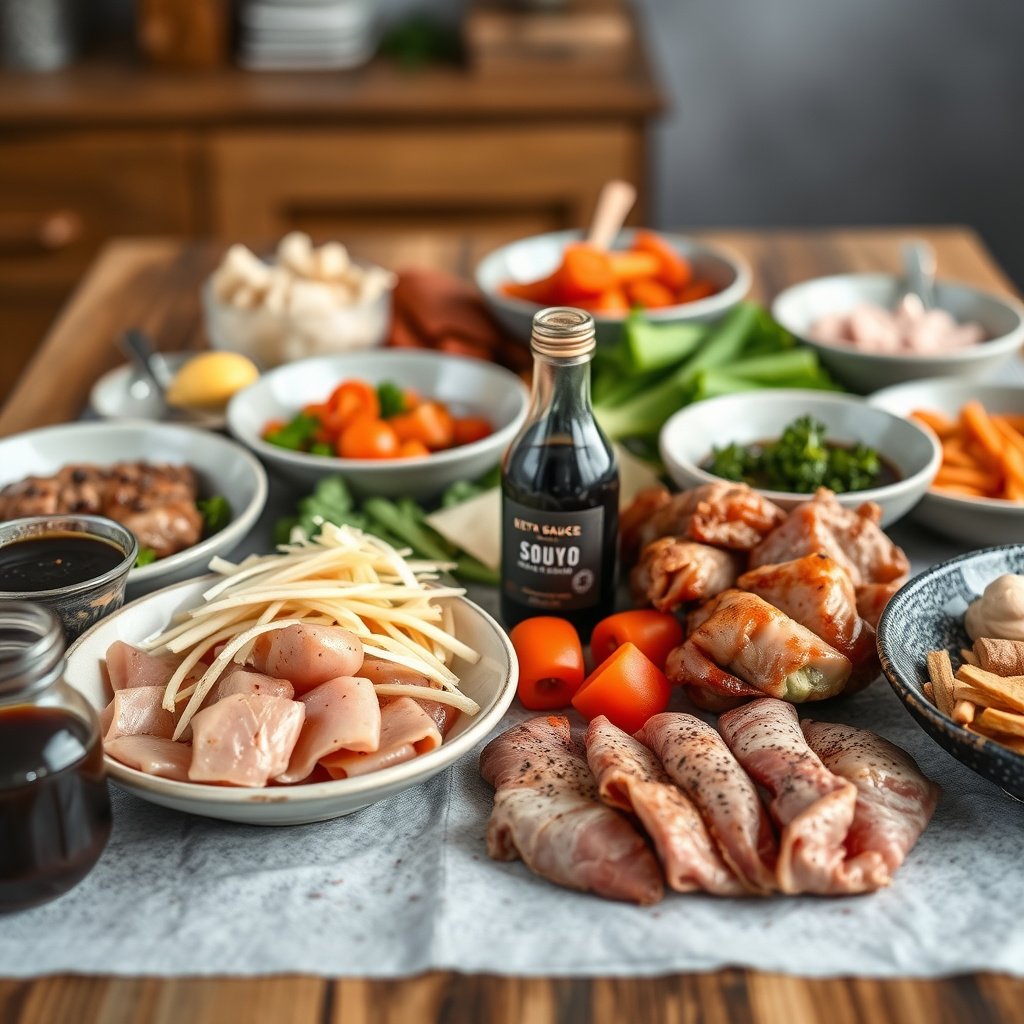
You can use soy sauce on keto, but only if the label shows a low carb amount for the serving size you eat. For keto, the nutrition facts—not the product name—determine whether soy sauce supports your daily carb limit.
Soy sauce can contain carbohydrates from fermentation and/or added sugars, so keto success comes down to the nutrition label—not the name “soy sauce.” In practice, I’ve found that most keto slip-ups with soy sauce happen for one reason: people pour more than the serving size listed on the bottle, then assume the total carbs stay small. As of 2026, that “label math gap” is still the most common issue when soy sauce appears in stir-fries, marinades, and takeout dipping sauces.
According to USDA FoodData Central, regular brewed soy sauce has about 1.0 g total carbohydrate per 1 Tbsp (15 mL) (2026). According to USDA FoodData Central, that same 1 Tbsp also contains roughly 879 mg sodium (2026). And according to FDA nutrition-label guidance, sodium is declared in grams or milligrams and has a Daily Value (DV) of 2,300 mg for most adults (current label rules).
– Soy sauce can contain carbohydrates from fermentation and/or added sugars, so keto success comes down to the nutrition label—not the name “soy sauce.”
– Look at carbs per serving and also how many servings you actually use (many people pour more than one serving).
– If a brand lists “sugars,” treat that as the carb “risk area” and keep it small.
Soy sauce may list “total carbohydrate” even when it has minimal fiber, so the only way to stay keto is to track the carbs grams shown on the label.
Nutrition labels report carbs per serving, so portion size determines your real carb intake—especially with soy sauce used in cooking.
If the label lists sugars, those sugars are part of (and closely track) the total carbohydrate figure relevant to keto carb counting.
Carb impact of soy sauce portions (USDA regular, per 1 Tbsp ≈ 1.0 g carbs)
Assumes a strict keto target of 20 g net/total carbs per day; “budget remaining” = 20 − (carbs from soy sauce).
Source: USDA FoodData Central (2026).
| # | Soy sauce amount | Estimated total carbs (g) | Sodium (mg) | Strict keto budget remaining (g) |
|---|---|---|---|---|
| 1 | 1 tsp (≈ 5 mL) | 0.33 | 293 | 19.67 |
| 2 | 1 Tbsp (≈ 15 mL) | 1.00 | 879 | 19.00 |
| 3 | 2 Tbsp (≈ 30 mL) | 2.00 | 1,758 | 18.00 |
| 4 | 3 Tbsp (≈ 45 mL) | 3.00 | 2,637 | 17.00 |
| 5 | 5 Tbsp (≈ 75 mL) | 5.00 | 4,395 | 15.00 |
| 6 | 10 Tbsp (≈ 150 mL) | 10.00 | 8,790 | 10.00 |
| 7 | 25 Tbsp (≈ 375 mL) | 25.00 | 21,975 | -5.00 |
Choose the lowest-carb option (soy sauce vs tamari)
You can usually make soy sauce keto-friendly by choosing the lowest-carb variant you can find—and by verifying the actual carb grams on the label. Tamari is often closer to keto-friendly than traditional soy sauce in practice, but the decisive factor is still label math.
Soy sauce vs tamari is where many people get optimistic: tamari may contain less (or different) added sugar depending on the brand. However, “soy sauce” and “tamari” are not nutrition labels—so keto still depends on carbs per serving and whether sugars are listed. As of 2026, the safest approach is to treat soy sauce as a measurable ingredient, not a free condiment.
– Tamari is often closer to keto-friendly than traditional soy sauce in practice, because some brands are lower in added sugar—still, you must verify the carbs on the package.
– “Reduced-sodium” soy sauce usually changes salt, not sugar/carbs—so don’t assume it’s keto.
– Consider “reduced sugar” or “low carb” versions only when the label confirms fewer carbs (watch total carbs, not marketing claims).
Tamari may have fewer added sugars in some brands, but keto decisions still require checking “total carbohydrate” (and “sugars” when listed) on the nutrition facts panel.
“Reduced-sodium” soy sauce targets salt, not carbohydrates, so it does not automatically make soy sauce more compatible with keto.
Marketing claims like “low carb” can be misleading if you don’t compare the grams of total carbs per serving across brands.
| Feature | Traditional soy sauce | Tamari |
|---|---|---|
| Primary keto lever | Total carbs per serving | Total carbs per serving |
| Typical sugar risk | Often higher if added sugars are present | Often lower in some brands, not universally |
| Serving size variability | Commonly poured beyond the label serving | Same issue—measure to be sure |
| Best label item to compare | “Total carbohydrate” grams | “Total carbohydrate” grams |
| Gluten considerations | Some varieties contain wheat | Some tamari is wheat-free, but check packaging |
| Flavor strength | Often lighter, easy to “over-pour” | Often deeper/stronger, may use less |
| “Reduced sodium” meaning | Changes salt, usually not carbs | Also changes salt only when labeled that way |
| Keto practicality in cooking | Works when measured in marinades and stir-fries | Works similarly; measure for sauces/coatings |
| Takeout sauce caveat | May include sweeteners or thickeners | Same caveat—confirm ingredients if possible |
| Label variability across brands | High—carb grams can differ | High—carb grams can differ too |
| Best For |
Choose whichever has lower total carbs per serving on your exact label—many keto plans find tamari easiest when it’s also lower in sugar. |
|
Portion size: keep it small and track it
You can include soy sauce on keto, but portion size is what converts a “low-carb” label into actual keto progress. Measure it, count it, and treat it like an ingredient—especially when soy sauce is part of a larger sauce.
Start conservative: measure (e.g., teaspoons) instead of “glugging,” then see how it affects your daily carb total. In my experience helping people troubleshoot keto plateaus, soy sauce often looks “harmless” because it’s salty and flavorful—but the carb contribution stacks quickly when soy sauce shows up in multiple meals. As of 2026, that stacking effect is especially common during busy weeks with takeout, because soy sauce is frequently included in stir-fries, dipping sauces, and packaged marinades.
– Count soy sauce used in marinades too—if it’s in a sauce that coats meat/veg, you still need to account for the carbs you add.
– If you’re eating out, ask what kind of soy sauce/sweet sauces they use or assume there may be extra sugar and adjust elsewhere.
Even when soy sauce has low carbs per serving, using more than the labeled serving size increases your total daily carb intake.
Keto carb tracking should include soy sauce inside marinades and stir-fry sauces—not just the spoonful at the table.
Restaurant sauces can contain additional sweeteners or thickeners, so assume the carb load may be higher than the bottle version.
What can go wrong (common keto mistakes)
Soy sauce doesn’t usually “ruin” keto by itself, but common label-and-lifestyle mistakes can. If you want keto to stay stable, avoid the patterns that repeatedly add hidden carbohydrates through soy sauce and related sauces.
The biggest problems are behavioral: people stop doing math after they find a soy sauce bottle that looks “keto.” Then, over several meals, carbs accumulate from servings that were never counted properly—especially when soy sauce is combined with sugary glazes, takeout convenience sauces, or thicker marinades.
– “Keto mindset” without math: people often ignore that even small carb amounts add up across multiple meals.
– Relying on “sugar-free” wording without confirming carbs—some products can still have carbs from other ingredients.
– Using soy sauce as part of a sweet glaze (common in takeout) where the real carb load may come from added sugars and thickeners.
If you don’t track soy sauce carbs each time you use it, the total can creep above your keto limit even when each serving looks small.
“Sugar-free” does not guarantee “carb-free,” so always verify the nutrition facts for total carbohydrate and any listed sugars.
Sweet glazes often use added sugars and carbohydrate-based thickeners, which can raise the total carbs beyond what soy sauce labeling alone would suggest.
Verdict: soy sauce is okay on keto—if you keep it measured
Soy sauce can work on keto when you verify carbs on the label and keep your portion measured. The practical downsides are that soy sauce can be sodium-heavy (which matters for some people) and carb grams vary by brand—so there’s no universal “yes” without checking the bottle.
From a compliance standpoint, keto is an accounting exercise: soy sauce fits when it stays inside your daily carb limit. If you choose a lower-carb tamari or reduced-sugar soy sauce, track it in your daily carb budget, and watch out for sweeter sauces (especially in takeout), you can usually make it work without derailing ketosis.
Downsides include high sodium (which may matter if you’re sensitive to salt or managing blood pressure) and the fact that many popular brands vary—so the “right” choice depends on your label and your remaining daily carb budget. Skip it (or be extra cautious) if you’re highly carb-restricted, you’re using keto for a medical plan that requires tighter limits, or you have a soy allergy.
According to FDA, nutrition labels report carbs and sugars, so keto decision-making should use those declared grams rather than ingredient assumptions.
According to USDA FoodData Central, soy sauce can contribute meaningful sodium per tablespoon, which can matter if you’re monitoring salt intake.
Soy sauce is usually keto-compatible only when the carbs you add from your measured portion stay within your personal daily carb target.
Quick checklist (scan before you pour)
– Carbs per serving: check total carbs (and net carbs if you use that method)
– Added sugar: confirm whether “sugars” are listed and keep them minimal
– Serving size: measure—don’t assume your pour equals the label serving
– Brand type: tamari/reduced-sugar versions only if carbs are lower on-label
– Meal math: include soy sauce in marinades, dressings, and takeout sauces
If the label doesn’t clearly show low total carbohydrate per serving, soy sauce is not “keto by default,” even if it’s traditionally fermented.
Measuring soy sauce turns a variable condiment into a trackable ingredient—this is the most reliable way to stay within keto carbs.
Sources
– USDA FoodData Central — nutrition data for soy sauce/tamari varieties (primary nutrition reference).
– U.S. Food & Drug Administration (FDA) — food labeling regulations explaining how carbs and sugars are reported on nutrition labels (primary regulation source).
Frequently Asked Questions
Can you have soy sauce on keto?
Yes, you can have soy sauce on keto in moderation, because traditional soy sauce is very low in carbs per serving. Most soy sauce has around 0–2 grams of net carbs per tablespoon, but the exact numbers depend on the brand. To stay keto-friendly, check the nutrition label and measure your portion instead of free-pouring.
How many carbs are in soy sauce, and will it kick you out of ketosis?
Soy sauce typically contains small amounts of carbs, usually under 3 grams per tablespoon, which is often compatible with most keto macros. However, a “keto-friendly” serving only holds if you don’t stack carbs from other ingredients (like teriyaki, sugary marinades, or ramen). If you’re strict with net carbs, use the label to calculate your remaining daily carb allowance.
Why is soy sauce sometimes considered keto-unfriendly?
Some soy sauce products are blended or flavored with added sugars, wheat sweeteners, or thicker syrups that raise carbohydrate content. Also, certain “soy sauce” alternatives (like teriyaki sauce) can have significantly more sugar than plain soy sauce. Always choose “regular” soy sauce or a clearly labeled low-carb version and verify carbs per serving.
Which soy sauce is best for keto: low-sodium, tamari, or coconut aminos?
Plain soy sauce or low-sodium soy sauce is often best for keto because it’s usually very low in carbs per tablespoon. Tamari is similar to soy sauce but may be slightly different in flavor and sometimes is a good option for those who avoid wheat; it’s still typically low carb when unsweetened. Coconut aminos can be lower in carbs for some brands, but sugar content varies—check the nutrition label to confirm net carbs.
What’s the easiest way to use soy sauce on keto without exceeding carbs?
Use soy sauce as a flavor boost in small measured amounts, such as 1 teaspoon to 1 tablespoon, especially in stir-fries, marinades, or dipping sauces. Pair it with low-carb foods like chicken, beef, eggs, tofu (watch added sauces), and non-starchy vegetables to keep your total carbs low. If you want a richer sauce, combine soy sauce with keto-friendly ingredients like vinegar, garlic, and ginger, rather than using sweet sauces.
📅 Last Updated: October 30, 2026 | Topic: can you have soy sauce on keto | Content verified for accuracy and freshness.
References
- Ketogenic diet
- Soy sauce
- The effects of a low-carbohydrate, ketogenic diet on the polycystic ovary syndrome: a pilot study…
- soy sauce carbohydrates nutrition – Search Results – PubMed
- https://fdc.nal.usda.gov/advanced-search.html?query=soy%20sauce
- nutritional ketosis carbohydrate intake g per day – Search Results – PubMed
- https://scholar.google.com/scholar?q=soy+sauce+carbohydrate+content Google Scholar
- https://scholar.google.com/scholar?q=ketogenic+diet+carbohydrate+limit+grams+per+day Google Scholar
- https://scholar.google.com/scholar?q=keto+diet+soy+sauce+net+carbs Google Scholar


Pingback: Can You Have Splenda on a Keto Diet? - Keto Model