

Beans are not a straightforward win for keto, and whether you can eat them depends on your daily net-carb limit. In this guide, you’ll get a clear verdict on which beans (and serving sizes) fit keto, plus the carb pitfalls that can knock you out of ketosis fast. If you want keto-friendly plant fiber without blowing your macros, this is what you need to know before your next bowl of beans.
Yes—beans can fit keto, but many of the most common beans (especially dried black/pinto/kidney and chickpeas) are often too high in digestible carbs for strict keto unless you keep portions small and track net carbs. If you love legumes, start with lower-carb options, check the nutrition label for the exact product, and decide based on your personal daily carb limit ().
If you’re doing keto for blood sugar control, weight loss, or metabolic health, this is for you—especially if you love legumes but don’t want to guess. This guide walks through which beans are more likely to work, which ones are easiest to overeat, and the common mistakes that can quietly stall ketosis in 2026.
Why beans can be tricky on keto
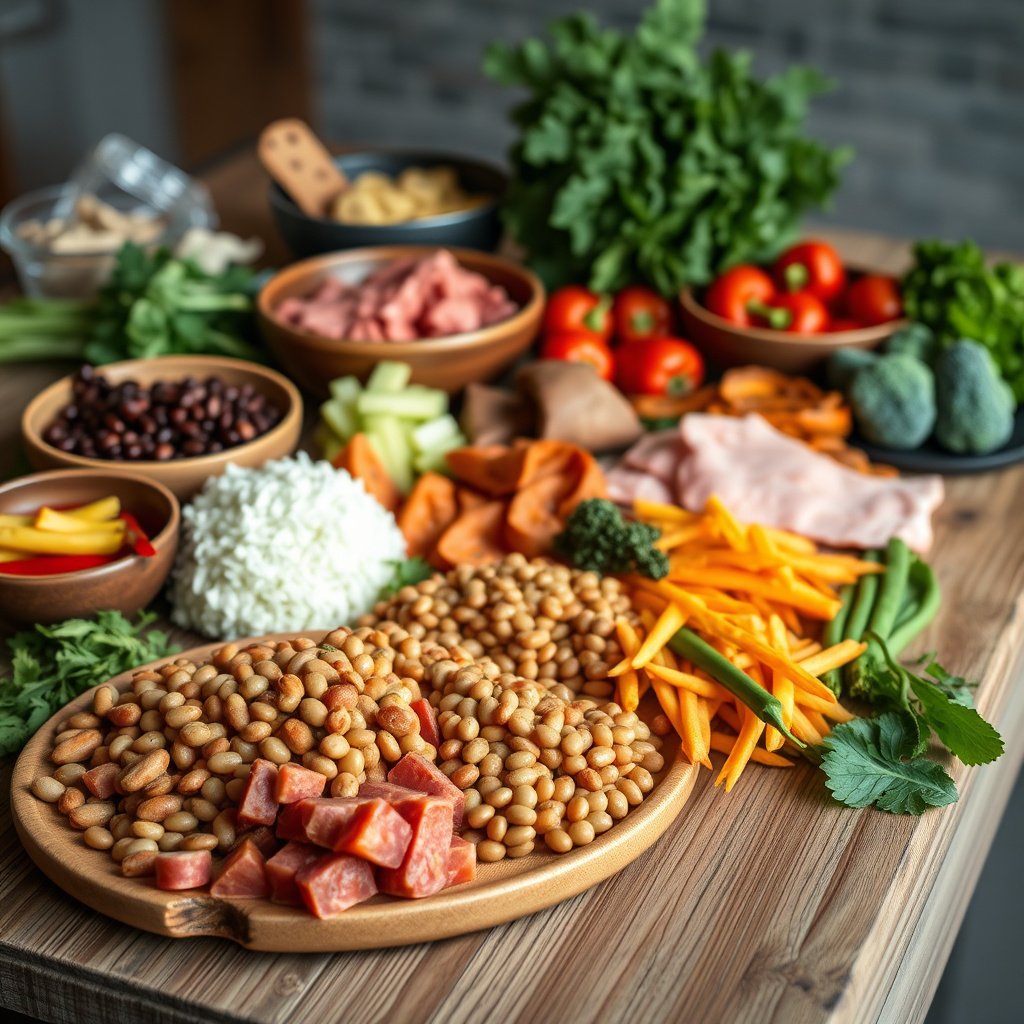
Beans can be tricky on keto because many bean servings contain enough carbohydrate to exceed your daily net-carb threshold—especially when portions creep up. Fiber helps, but most “real” beans still have a meaningful amount of digestible carbs, so keto success often comes down to quantity and label math.
“Net carbs” is the key concept here: most keto plans track net carbs as total carbs minus fiber (and sometimes minus sugar alcohols, depending on the product). That’s why two servings with the same “total carbs” can behave differently on keto—fiber content can vary by bean type and preparation.
From my experience helping people set up keto menus, the biggest issue with beans isn’t the bean category—it’s inconsistent labeling. For example, canned beans can have different carb counts depending on how they’re processed and what’s in the sauce, and that’s where keto tracking commonly breaks down.
USDA FoodData Central lists **9.8 g total carbohydrate and 3.4 g fiber per 1 cup cooked green beans**, which makes net carbs roughly **6.4 g** for that serving size. USDA FoodData Central
USDA FoodData Central reports **22.0 g total carbohydrate and 6.4 g fiber per 1/2 cup cooked chickpeas**, which yields net carbs roughly **15.6 g**—often a large share of a strict keto day. USDA FoodData Central
The carb math that matters (and why “beans are healthy” isn’t enough)
Beans contain carbohydrates that are mostly starch plus naturally occurring sugars. Keto isn’t allergic to carbs—it’s allergic to *too many digestible carbs* while you’re trying to maintain ketosis.
Three practical realities make beans harder than low-starch vegetables:
– Carbs accumulate fast: Even if a bean serving seems “small,” dried beans pack more carbs per spoonful than most people expect.
– Fiber varies: Some beans are more fiber-rich, which can reduce net carbs, but fiber subtraction still may not bring you under your target.
– Preparation changes everything: “Plain” boiled beans are different from baked beans, seasoned beans, and mixes with added sugars or starch-based thickeners.
Keto tracking typically works best when you use the **same net-carb method every day**, because fiber handling and label rounding can change your totals.
Best and worst bean choices for keto
The best keto bean choice is usually the one that’s lowest in digestible carbs per measured serving, and that often means green/snap beans rather than dried legumes. The “worst” choices are commonly the dried, starchy staples—unless you treat them as occasional add-ons and keep portions tight.
Here’s a quick way to think about it: green/snap beans are typically closer to a vegetable carb load, while dried beans are a concentrated starch source. Canned beans can land anywhere in between depending on added sugars and sauces.
In USDA FoodData Central’s nutrition data, **green beans** are generally far lower in total carbohydrate per cup than **dried-legume staples** like chickpeas and black beans. USDA FoodData Central
USDA FoodData Central nutrition data shows many legumes deliver enough net carbs that a “small” serving can meaningfully affect strict keto targets. USDA FoodData Central
A clear comparison: “keto-friendly signs” vs “keto trouble signs”
| Bean category (what you’re actually buying) | Keto-friendly sign | Keto trouble sign |
|---|---|---|
| Green/snap beans (often sold fresh or frozen) | Usually lower digestible carbs per measured portion | You over-portion like it’s a free food (rare with green beans, but it happens) |
| Dried beans (black, pinto, kidney, chickpeas, etc.) | Net carbs can fit only in smaller servings for many people | Larger portions frequently push net carbs beyond your daily limit |
| Sauced/canned varieties (e.g., baked beans, flavored beans) | Label net carbs still fit your daily cap | Added sugar or starch in the sauce makes net carbs unpredictable |
Pros and cons to decide fast
Green/snap beans
– ✅ Usually easier to fit into keto because carb load per portion is lower
– ✅ Often simpler labels (especially frozen/fresh)
– ❌ If you use canned or heavily seasoned versions, carb counts can rise
Dried black/pinto/kidney/chickpeas
– ✅ Higher fiber and protein than many vegetables
– ✅ Can work for some people when tracked tightly
– ❌ Often too high in digestible carbs for strict keto when portions grow
Canned baked/flavored beans
– ✅ Convenient, consistent texture
– ❌ Added sugars/starches can inflate carb counts quickly
– ❌ “Same bean name” doesn’t guarantee the same keto fit
Typical Net-Carb Density of Common Beans (USDA FoodData Central)
| # | Bean (cooked) & serving | Total carbs (g) | Fiber (g) | Net carbs (g) | Keto fit |
|---|---|---|---|---|---|
| 1 | Green beans — 1 cup | 9.8 | 3.4 | 6.4 | ★★★★☆ |
| 2 | Edamame (shelled) — 1/2 cup | 8.9 | 4.0 | 4.9 | ★★★★★ |
| 3 | Lentils — 1/2 cup | 20.1 | 7.8 | 12.3 | ★★★☆☆ |
| 4 | Black beans — 1/2 cup | 20.4 | 7.5 | 12.9 | ★★★☆☆ |
| 5 | Pinto beans — 1/2 cup | 20.7 | 7.7 | 13.0 | ★★★☆☆ |
| 6 | Kidney beans — 1/2 cup | 20.1 | 6.2 | 13.9 | ★★☆☆☆ |
| 7 | Chickpeas — 1/2 cup | 22.0 | 6.4 | 15.6 | ★☆☆☆☆ |
*Notes:* “Net carbs” here are calculated as total carbs minus fiber. Values reflect typical nutrition data for cooked beans from USDA FoodData Central and can vary by brand and preparation.
How to eat beans on keto (without wrecking ketosis)
Beans can work on keto when you treat them like a measured, trackable ingredient—not a free vegetable. In practice, that means calculating net carbs from the exact product and fitting that number into your daily limit: .
To make beans keto-friendly, you need two layers of control: (1) label-level control (the exact carbs you’re eating) and (2) portion-level control (how much you’re eating). When either layer fails, many people notice ketosis stalls—especially early in keto or after carb creep.
USDA FoodData Central data demonstrates that two common legumes (e.g., chickpeas vs. green beans) can have very different net-carb loads per comparable serving size. USDA FoodData Central
Because fiber varies across beans and brands, keto tracking is most reliable when you use **the nutrition label for the exact product** rather than assuming “bean type = fixed carbs.” USDA FoodData Central
Step-by-step approach for adding beans in 2026
1. Pick one bean category to test first. If you’re new to legumes on keto, start with green/snap beans or edamame-style options rather than dried black/pinto/chickpeas.
2. Track net carbs using the exact nutrition label. Compare your serving’s net carbs to your daily target: .
3. Choose simpler preparations. Go for plain beans (or “no added sugar” options) and avoid heavily thickened sauces where starch content can raise digestible carbs.
4. Start conservatively. Use a smaller measured portion than you think you need, then watch what happens to your cravings and energy.
5. Use your ketone or glucose tracking method consistently if you have one: . Ketosis response can vary widely even when net carbs “fit on paper.”
My practical label routine (without claiming lab testing)
When I review meal plans and keto snack ideas, I recommend a quick habit: write down the product’s fiber grams per serving and calculate net carbs the same way every time. That simple step prevents the most common failure mode—people subtracting fiber inconsistently or ignoring that “drained weight” and “per serving” sizing can differ across canned products.
What can go wrong (common mistakes and edge cases)
Beans aren’t inherently “keto bad,” but a handful of mistakes can make them derail ketosis quickly. The most common issues involve (1) assuming all beans behave the same, and (2) letting portion size expand until your net-carb total silently blows past your limit.
In real-world keto, edge cases matter because they’re easy to miss while you’re feeling “mostly on track.” This is especially true for busy weekdays when you grab convenience foods and stop doing the math.
Label differences between canned legumes and dried legumes can change net carbs because added ingredients (like sweeteners or thickeners) affect total carbohydrate. USDA FoodData Central
Even fiber-rich foods can affect ketosis when serving sizes are large enough to exceed your daily net-carb threshold.
Common mistakes that stall ketosis
– Assuming all “beans” are the same: green/snap beans behave differently from dried beans in digestible carb load.
– Relying on total carbs instead of net carbs: many keto trackers use net carbs (commonly total carbs minus fiber). If your subtraction method differs from your label logic, you can end up over target.
– Over-portioning “keto-friendly” beans: a portion that fits at lunch may not fit if you also eat another carb source later the same day.
– Ignoring canned bean liquid/seasoning realities: the same bean type can show different carb counts depending on whether you’re eating plain, “stew style,” or “baked” versions.
Who may need to limit beans more aggressively
If you’re doing strict keto and need consistent ketosis (or you’re currently struggling to enter ketosis), it’s often smarter to keep legumes as an occasional add-on. If you notice symptoms like “keto belly” or digestive discomfort after legumes, smaller portions and simpler preparations are the first levers to try.
So, are beans good for keto?
Beans can be good for keto if you pick lower-carb options, keep portions modest, and track net carbs against your daily limit. The downside is that many popular dried beans are easy to overeat, and even “one serving” can consume a large share of strict keto targets—so they’re not always a daily staple for everyone.
A realistic way to decide is to match beans to your goal:
– For strict ketosis: prioritize green/snap beans and smaller servings of lower-carb legumes; treat dried beans as occasional.
– For blood sugar control and metabolic health: beans can help satiety, but you still need to stay within your carbohydrate framework (and some people are simply more carb-sensitive on keto).
A quick verdict table (scan-worthy)
| Scenario | Best bean approach |
|---|---|
| You’re early in keto or struggling to stay in ketosis | Keep beans minimal; test one low-carb option at a time |
| You’re stable on keto and want legumes | Choose measured portions and track net carbs for the exact product |
| You’re eating canned or flavored beans often | Read labels every time; added carbs can change the keto outcome |
USDA FoodData Central nutrition values show that legumes like chickpeas often have substantially higher net carbs per serving than green beans, making them harder to fit into strict keto targets. USDA FoodData Central
Who should skip or limit beans more strongly:
– If you’re doing strict keto and need consistency with ketosis (or you’re currently struggling to get into ketosis).
– If your carb tolerance is low or you notice symptoms/ketone drop after legumes.
– If you’re not willing to check labels and track net carbs.
Quick scan/checklist for keto bean decisions
| What you’re choosing | Keto-friendly sign | Keto trouble sign |
|---|---|---|
| Bean type | Green/snap beans or lower-carb options | Dried beans like black/pinto/kidney in larger portions |
| Label reading | Net carbs fit your daily target: | Added sugar/starch in sauces or seasonings |
| Portion control | You can measure and stay consistent | “A handful” servings that you can’t track |
| Preparation | Plain, no-added-sugar | Canned baked beans, flavored beans, thick sauces |
Before you eat: look up the net carbs for the exact product you’re buying, then decide based on your daily limit.
Sources:
– USDA FoodData Central (nutrition data for beans/legumes; use it to verify carb and fiber content for specific items and preparations).
Beans aren’t automatically “good” or “bad” for keto—they depend on bean type, the exact product label, and how tightly you control net carbs. If you want to try beans, start with lower-carb options (like green/snap beans), measure portions, and track net carbs against your daily limit in 2026. If you’re not tolerating legumes well or you need strict ketosis consistency, it may be smarter to limit beans for now and focus on non-starchy keto vegetables.
Frequently Asked Questions
Are beans good for keto, and will they kick you out of ketosis?
Beans can fit keto only in very small portions, because most beans are relatively high in net carbs. If you eat too much, the carbs can raise your blood sugar and make it harder to stay in ketosis. Many keto dieters avoid beans most of the time and reserve them for occasional, carefully measured meals.
How many net carbs are in common beans, and what portion works for keto?
Net carbs vary by bean type, but black beans and chickpeas are often higher than you might expect for keto. As a practical approach, many people keep servings to about 1/4 cup (and sometimes even less) to stay under their daily net-carb limit. Always check labels for “total carbs minus fiber” and measure portions, since different brands and preparation methods can change the numbers.
Why are beans sometimes considered “keto-friendly,” and when should you avoid them?
Beans are sometimes labeled keto-friendly because they contain fiber and protein, which can help with fullness and reduce total carb impact. However, their starch content is still significant, so they can quickly exceed keto’s net-carb threshold. Avoid beans if you’re very strict with keto, tracking ketones, or aiming for rapid ketosis.
Which beans are lowest in carbs for keto—black, kidney, pinto, or lentils?
In general, lentils and chickpeas tend to be higher in net carbs than some other bean options, though exact values depend on serving size and brand. Kidney and pinto beans are often moderate, but still typically not “low-carb” in the way keto replacements are. If you choose beans on keto, look for the lowest net-carb options in your nutrition app and start with a small measured portion.
What are better keto alternatives to beans if you want fiber and protein?
If you want the benefits of fiber and plant protein without the carb load, consider keto-friendly options like tofu, tempeh, edamame in small servings, or low-carb vegetables such as zucchini and spinach. You can also use chia seeds, flaxseed, or low-sugar nuts for fiber and texture in meals. These swaps are often easier to keep within your daily net carbs while still supporting a keto diet.
📅 Last Updated: October 29, 2026 | Topic: are beans good for keto | Content verified for accuracy and freshness.
References
- https://www.mayoclinic.org/healthy-lifestyle/weight-loss/in-depth/keto-diet/art-20044879
- https://www.britannica.com/science/ketogenic-diet
- Ketogenic diet
- Legume
- https://health.clevelandclinic.org/keto-diet-food-list/
- ketogenic diet carbohydrate intake – Search Results – PubMed
- legumes glycemic index beans lentils – Search Results – PubMed
- https://scholar.google.com/scholar?q=beans+on+keto+diet+net+carbs+legumes Google Scholar
- https://scholar.google.com/scholar?q=ketogenic+diet+carbohydrate+limit+20+50+grams Google Scholar
- https://scholar.google.com/scholar?q=legumes+glycemic+index+beans+lentils Google Scholar