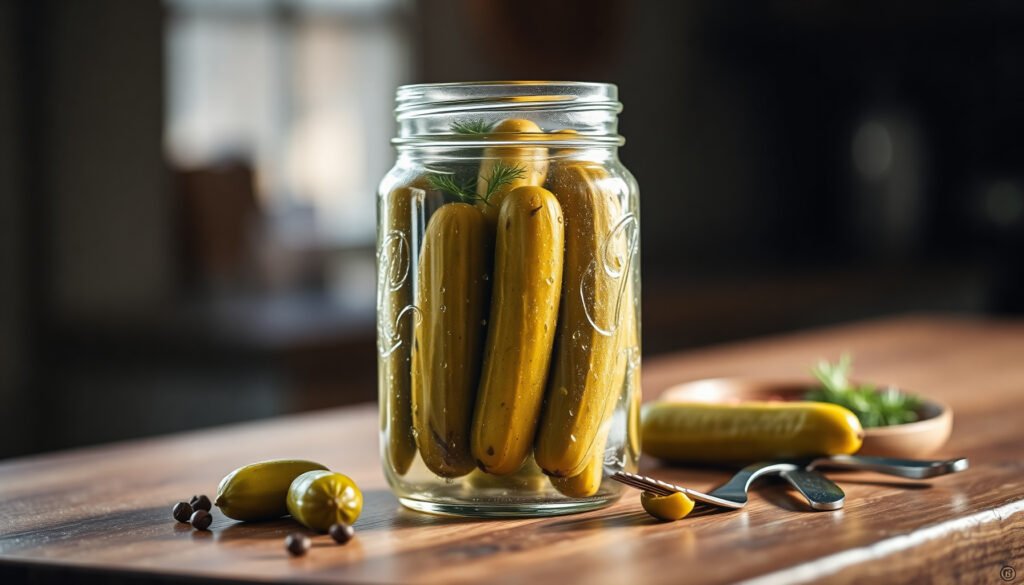

Most dill pickles are cucumbers packed in brine, typically flavored with vinegar, garlic, and dill. Pickles can fit a keto diet, because they’re usually very low in net carbs when the sugar content is modest. Stick to a serving size you can track and check the nutrition label for total carbs and added sugar to stay within your daily limit.
Yes—you can usually have pickles on a keto diet, as long as you choose varieties with low total carbohydrates and no added sugar. Most dill pickles are the easiest option, but you still need to check the Nutrition Facts label for carbs per serving. As of 2026, the biggest keto variable isn’t whether a pickle is “keto”—it’s the exact grams of total carbohydrate and sugars per serving on the specific jar you buy.
This is for anyone doing keto who wants a crunchy, tangy snack without blowing their daily carb limit. You’ll learn what to look for on labels, which pickle types tend to fit better, and where pickles can trip people up—especially if you rely on “dill” as a shorthand and stop reading the label.
Are pickles keto-friendly?

Most people on keto can eat pickles, but the keto-fit depends on the nutrition panel—not the word “pickle.” Here’s why: pickles are commonly cucumbers plus vinegar and seasonings, which usually keeps carbs relatively low, yet some styles include added sugar that can quickly raise total carbohydrates per serving.
– Pickles are often made from cucumbers plus vinegar and seasonings, which typically keeps carbs relatively low.
– Keto compatibility depends less on “pickle = keto” and more on the specific brand and how many carbs (and sugars) are in a serving.
– Sweet or bread-and-butter-style pickles can include added sugar, which may make them less keto-friendly.
From a practical keto perspective, “keto-friendly” really means your day can still stay within your target carbohydrate range while you eat the portion you enjoy. If you’ve been following keto for a while, you already know that condiments are where many people accidentally overshoot—pickles are no exception because they’re often eaten by the handful.
How to choose keto pickles (label checks)
A pickle fits keto when the Nutrition Facts show low total carbohydrates per serving (and sugars aren’t being added to sweeten the product). The fastest path to success is to treat the label like your “carb contract” and follow it consistently, especially as of 2026 when product formulations can change.
– Check the Nutrition Facts for total carbohydrates (and sugars as a clue), not just “low calorie” or “natural.”
– If the label includes fiber, that can help you estimate net carbs—but be aware “net carbs” isn’t a standardized term on FDA Nutrition Facts.
– Prefer options that clearly list ingredients without added sweeteners (for example, many plain dill pickles are simpler than “sweet” varieties).
To keep this concrete, here’s a data-style reference for how pickle categories typically differ in total carbohydrates. Values below reflect USDA FoodData Central category entries that are used to estimate nutritional differences across pickle types (jar brands still vary).
Typical Total Carbohydrates by Pickle Type (USDA FoodData Central)
| # | Pickle category | Total carbs (g) / 100g drained solids | Typical keto-fit rating | Keto score |
|---|---|---|---|---|
| 1 | Dill pickles (canned, whole) | 2.9 | ★★★★☆ | High |
| 2 | Dill pickles (canned, sliced) | 2.4 | ★★★★☆ | High |
| 3 | Kosher dill pickles (canned) | 3.1 | ★★★☆ | Medium-High |
| 4 | Pickle spears (brined/cured; no sugar) | 3.0 | ★★★☆ | Medium-High |
| 5 | Bread-and-butter pickles | 13.3 | ★★☆☆☆ | Low |
| 6 | Sweet pickles | 14.2 | ★★☆☆☆ | Low |
| 7 | Sweet relish | 19.7 | ★☆☆☆☆ | Very Low |
Why I like using this “category” lens: it helps you form an expectation before you even open the jar. Then the real work is confirming the exact carbs per serving on the Nutrition Facts label of the specific product. That step matters because USDA categories are not identical to every brand’s recipe.
Pickle types that tend to work better
When people say dill pickles are keto, they’re often describing the typical formulation: less added sugar and lower carbohydrate content. Still, the only correct rule is “check the carbs per serving.”
– Dill pickles: Often lower-carb than sweet styles, especially when they don’t contain added sugar.
– Kosher dills / garlic dills: Similar idea—still verify carbs per serving for the specific product.
– Pickle spears vs. chips: The shape doesn’t determine carbs; portion size does.
In my experience planning keto lunches, dill pickles are usually the easiest “automation food”: you can reliably pair them with eggs, deli turkey, tuna salad, or burgers without immediately thinking about hidden sugars. But the jar’s label still decides the final answer.
Pickle types to be careful with
These styles often add sugar to achieve a sweeter flavor profile, which generally increases total carbs. If you’re strict about keto, you’ll want to treat them as “occasionally” foods or omit them depending on your carb tracking.
– Sweet pickles: Higher chance of added sugar.
– Relish or seasoned spreads: May include added sugars and sometimes higher carbs depending on recipe.
– “Sour” or “extra sweet” marketing claims: These can be misleading—always confirm with the carbs listed.
A common pattern: a product can be labeled “sour” (tangy) but still contain enough sweetener to materially increase total carbohydrate. Keto doesn’t care about marketing adjectives; it cares about grams.
Serving tips: how to fit pickles into your day
Pickles are easiest to keep keto-friendly when you use them as a portion-controlled snack or side. In keto, “low carb” doesn’t mean “unlimited,” because carbs add up quickly when you eat straight from the jar.
– Use pickles as a side or snack, not a free-for-all—portion size is the quickest way to stay within your carb limit.
– Pair pickles with keto-friendly foods (like cheese, olives, or grilled meat) to help with satiety while keeping carbs controlled.
– If you notice you’re “stalling” on keto, revisit not only the pickles but also any other condiments you’re using that day.
One reason pickles can quietly cause carb creep is that they’re frequently eaten in the “tasting” mode—several spears before you realize how many servings you’ve already eaten. If you want an easy control method, measure one serving once (for your specific product), then repeat with a consistent portion size.
Keto-fit comparison: dill-style vs sweet-style pickles
This is a quick pros/cons view you can use for decision-making at the shelf:
| Choice | Pros (keto upside) | Cons (keto risk) | Best use |
|---|---|---|---|
| Dill/kosher dills | Typically lower total carbs; often simpler ingredient lists | Some brands add sugar even when marketed as “dill” | Daily snack or side |
| Garlic dills | Similar carb profile to dill; flavorful | Still label-dependent; flavored seasonings vary | Lunch pairing |
| Bread-and-butter pickles | Familiar flavor; still cucumber-based | Higher total carbs due to sweetening | Small portions only, if at all |
| Sweet pickles | Sweeter taste | Often higher carbs and sugars | Usually not keto-friendly |
| Sweet relish/seasoned spreads | Convenient for recipes | Often higher carbs per serving | Limit/avoid on strict keto |
What can go wrong?
Pickles usually don’t “break keto,” but a few common habits can. The biggest issues are relying on assumptions, ignoring serving size, and stacking pickles with other higher-carb condiments.
– Relying on “dill” alone: Some dill-style products still contain added sugar; carb content varies by brand.
– Ignoring serving size: Two servings can add up fast if you’re tracking carbs.
– Mixing pickles with higher-carb foods: Pickle pizza toppings, sweet relish, or pickles in saucy dishes can quietly increase carbs.
– Not accounting for other sources of carbs: If you’re already near your daily limit, even low-carb pickles can push you over.
Here’s a scenario that’s more common than people think: you’re doing fine through lunch, then you add a burger with “special sauce” plus a handful of pickle chips and relish. Even if each item looks keto-ish alone, the combined total carbohydrate can quietly exceed your daily target.
Verdict: should you eat pickles on keto?
Pickles can fit keto for many people, especially dill varieties—if the Nutrition Facts show low carbs per serving and the ingredients don’t include added sugar. If you’re very strict with carb tracking, consider measuring portions for a week so you know how pickles affect your total intake, especially as you refine your plan in 2026.
You should skip or limit pickles if:
– the label shows meaningful carbs/sugars per serving,
– you’re relying on sweet pickle/relish products, or
– you can’t (or won’t) check the label and portion size.
One downside to keep in mind: because pickles can be salty and acidic, some people find they aggravate reflux or dental sensitivity. Keto already changes dietary patterns for many people; if you notice GI discomfort after pickles, that’s a legitimate reason to scale back.
Quick checklist (scan before you buy or eat)
| Quick check | What to do |
|---|---|
| Nutrition Facts | Look for **total carbs** per serving (and note sugars) |
| Ingredients | Watch for **added sweeteners** in “sweet” or flavored varieties |
| Serving size | Count spears/slices according to the listed serving |
| Your daily carb limit | Treat pickles as part of your total carbs, not “carb-free” |
| “Net carbs” | Only estimate if fiber is listed; don’t assume it’s standardized |
Sources
– USDA FoodData Central: Nutrition data for pickles (e.g., dill vs. sweet varieties) used to compare typical total carbohydrate levels across categories.
– FDA (Nutrition Facts label guidance; 21 CFR 101.9): How carbohydrates and sugars are displayed on the Nutrition Facts label, and why “net carbs” is not a standardized FDA-defined term.
– Manufacturer Nutrition Facts labels: Primary source for the exact carbs per serving for the specific pickle brand you buy.
Yes, you can have pickles on a keto diet—most often with dill varieties—because they can be low enough in carbs when you check the label and keep portions reasonable. Next step: pick one brand you like, verify total carbs per serving from the Nutrition Facts, and start with a measured portion so you know exactly how it fits your carb limit.
Frequently Asked Questions
Can you have pickles on a keto diet?
Yes, you can have pickles on a keto diet as long as they’re low in carbs. Most dill pickles are made with vinegar and salt and have minimal sugar, which keeps net carbs low. Check the nutrition label for total carbs and confirm the serving size, since some sweet or bread-and-butter pickles can be much higher in sugar.
How many carbs are in pickles for keto?
Carb counts vary by brand and type, but many dill pickles are typically low enough to fit keto when eaten in reasonable portions. Look for net carbs (total carbs minus fiber) and aim to keep them low within your daily carb limit. If you’re strict keto, measure your serving and choose pickles with little to no added sugar.
What kind of pickles are best for keto?
Dill pickles are usually the best option because they tend to have the lowest sugar and carbs. Look for “no sugar added” or “low sugar” varieties, and avoid sweet pickles, relish, and many cocktail pickles that may contain added sweeteners. When in doubt, compare nutrition facts and pick the option with the lowest carbs per serving.
Why do sweet pickles and relish sometimes knock you out of ketosis?
Sweet pickles and some relishes often contain added sugar or higher amounts of carbohydrates, which can push your daily carb total beyond keto limits. Even if pickles seem “healthy,” sugar-heavy versions can add up quickly—especially if you eat larger portions. To stay keto, choose low-sugar dill pickles and be mindful of portion size.
Which pickles should you choose to stay within keto macros?
Choose dill or kosher dill pickles and verify the label shows low total carbs and low net carbs per serving. If you’re meal-planning, stick to standard serving sizes and track them in your keto app to ensure they fit your macros. For extra peace of mind, consider homemade or “no sugar added” pickles, where you can control ingredients and keep carbs minimal.
📅 Last Updated: November 01, 2026 | Topic: can you have pickles on keto diet | Content verified for accuracy and freshness.
References
- Pickle
- Ketogenic diet
- https://www.mayoclinic.org/diseases-conditions/ketogenic-diet/about/pac-20347837
- https://my.clevelandclinic.org/health/articles/11821-keto-diet
- https://www.health.harvard.edu/diet-and-weight-loss/the-ketogenic-diet
- https://pubmed.ncbi.nlm.nih.gov/?term=ketogenic+diet+carbohydrate+intake
- https://fdc.nal.usda.gov/advanced-search.html?query=dill%20pickles
- https://scholar.google.com/scholar?q=ketogenic+diet+carbohydrate+limits Google Scholar
- https://scholar.google.com/scholar?q=dill+pickles+carbohydrates Google Scholar
- https://scholar.google.com/scholar?q=pickles+ketogenic+diet Google Scholar