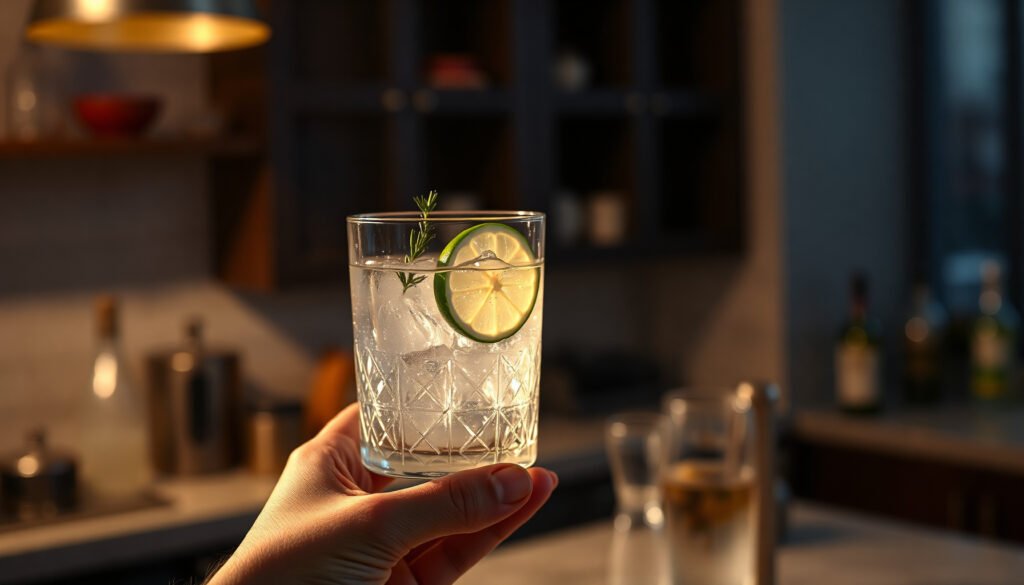

You can drink while on keto—this is for people who choose low-net-carb beverages and avoid added sugar. The deciding factor is the drink’s net carbs: anything with sugar or sweet mixers can push you out of ketosis.
Yes—you can drink on a keto diet, but the type of alcohol matters a lot. Low-carb options like dry wine, spirits (with no-sugar mixers), and light beer (if you stay within your carb limit) are usually the most workable choices. This guide covers what to choose, what to avoid, and how to keep your daily net carbs on track without accidentally knocking yourself out of ketosis. You’ll also get common “keto-drink” mistakes to watch for.
If you’re doing keto for metabolic health, weight loss, or blood-sugar control, alcohol can complicate your routine more than people expect. As of 2026, most nutrition trackers are good at counting carbs, but labels and serving sizes still vary—so the key is building a repeatable plan you can follow every time you socialize.
What alcohol does to ketosis
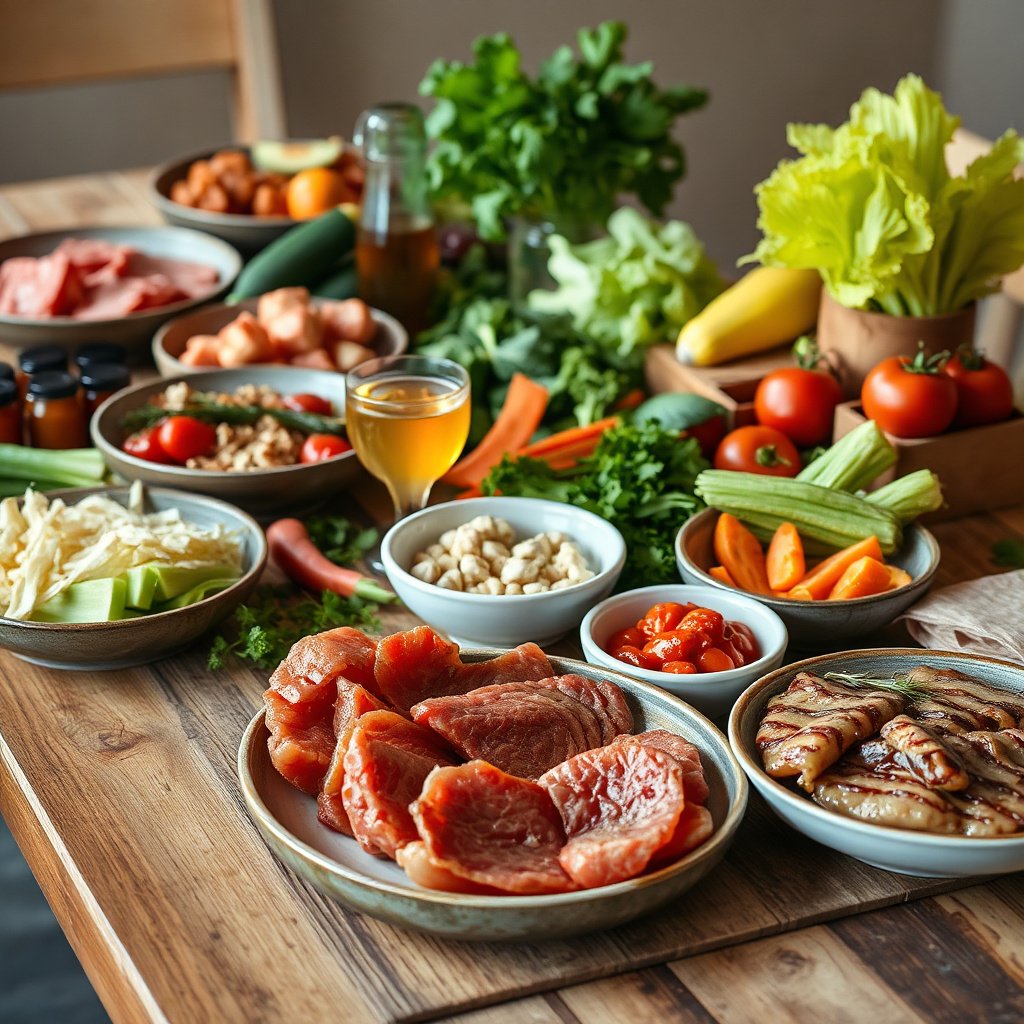
Alcohol doesn’t automatically end keto, but it can make ketosis harder to maintain in the short term. The main issue is metabolic priority: your body temporarily “switches lanes” to process alcohol before fat.
When you consume alcohol, the liver metabolizes it first, which can slow fat oxidation (the process of breaking down fatty acids for energy). That’s one reason some people notice less fat loss or reduced ketosis-related benefits after drinking, even when their drink is low in carbs. Keto dieters often focus on carbohydrates, but alcohol is its own fuel pathway.
Alcohol also brings calories that don’t come with the typical keto “package” of fat and fiber. According to the U.S. FDA, alcohol provides 7 calories per gram (FDA “Nutrition Facts” guidance on alcohol calories). Those calories aren’t the same as net carbs, but they can still affect appetite and how closely you stick to your plan—two factors that influence whether you stay in ketosis.
Finally, many alcoholic beverages contain carbs or sugar—even when they don’t taste “sweet.” Dry wine can be fine, but sweet wine, liqueurs, and mixed drinks often include added sugars. For keto, the practical question is usually: “How many total carbohydrates are in my exact drink, and how does that fit my daily net-carb target?”
Best keto-friendly drinks to choose
The safest keto-friendly strategy is simple: choose drinks with minimal carbs and avoid sugar-based mixers. Most people do best with dry wine, straight spirits, and carefully selected low-carb mixers.
Here’s what tends to work well for a keto diet in real-world settings (especially as of 2026, when more brands label carbs clearly):
– Choose lower-carb options like dry wine and straight spirits (gin, vodka, tequila, whiskey) without added sugar.
– Use zero- or low-carb mixers (e.g., soda water) instead of juice, sweet soda, or tonic—then track the carbs from the label.
– Prioritize “dry” or “brut” versions when you order wine or sparkling wine, because sweetness correlates with higher carbohydrate content.
– Ask for drinks “built” to be keto (spirits + soda water + lime is a common option), rather than relying on pre-made cocktails.
From my own planning for keto diet nights out, I’ve found that checking the specific brand label (not a general “per drink” estimate) makes tracking less stressful—.
Typical Carb Load in Common Alcohol Choices (US servings)
| # | Drink (standard serving) | Carbs per serving | Typical label carbs type | Keto compatibility |
|---|---|---|---|---|
| 1 | Vodka (1.5 fl oz / 44 mL) | 0 g | Total carbohydrate | ★★★★★ |
| 2 | Gin (1.5 fl oz / 44 mL) | 0 g | Total carbohydrate | ★★★★★ |
| 3 | Tequila (1.5 fl oz / 44 mL) | 0 g | Total carbohydrate | ★★★★★ |
| 4 | Whiskey/Bourbon (1.5 fl oz / 44 mL) | 0 g | Total carbohydrate | ★★★★★ |
| 5 | Dry red wine (5 fl oz / 148 mL) | 3.84 g | Total carbohydrate | ★★★★☆ |
| 6 | Dry white wine (5 fl oz / 148 mL) | 3.46 g | Total carbohydrate | ★★★★☆ |
| 7 | Light beer (12 fl oz / 355 mL) | 6.6 g | Total carbohydrate | ★★★☆☆ |
Drinks to avoid (or limit hard)
The fastest way to drift off keto is to drink sugar. Many popular keto “failures” aren’t about the alcohol itself—they’re about what’s mixed in or added.
To protect your keto diet, treat these categories as high-risk:
– Avoid sugary cocktails, sweet liqueurs, and anything labeled “mixer,” “syrup,” “sweet,” or “dessert” style.
– Watch out for “regular” beer and sweet wine, which tend to be higher in carbohydrates than drier choices.
– Be cautious with tonic and pre-batched drinks. Even if they don’t taste like dessert, sweetened versions can still add meaningful carbs.
A practical ordering rule: if the menu doesn’t clearly state nutrition (especially total carbohydrates), you have to assume carbs could be higher than what you’d expect from a “low-sugar” reputation. For keto dieters, nutrition transparency is part of the strategy.
How to stay keto while you drink
Staying keto while you drink comes down to budgeting carbohydrates and controlling total intake. If you treat alcohol like just another food item in your carb plan, you can usually make it work.
Start with a clear carb target. According to NHS guidance, a ketogenic diet typically limits carbohydrate intake to around 20–50 grams per day (NHS, ketogenic diet information). Whether you’re aiming for the lower end or a more moderate target, alcohol carbs still count.
Then follow these steps while you’re drinking:
– Set a carb limit for the day and count alcohol carbs toward your net total. If your tracker uses “net carbs,” remember net typically means carbs minus fiber (most alcohol doesn’t contain fiber, so “total carbs” and “net carbs” are often the same for alcohol beverages).
– Keep portions small and pace yourself. Multiple drinks can increase carbs quickly—especially if you’re having wine or light beer in addition to any carb-containing mixers.
– Prefer zero-carb mixers like soda water or sparkling water, and avoid juice-based garnishes that can add extra carbs.
– Plan your timeline. Keto dieters often eat earlier in the day; if you drink later and skip dinner, cravings and snacking can become the real carb problem—not the alcohol label.
Here’s a quick decision framework I recommend for a keto diet night out:
- Most keto-stable approach
- Spirits (vodka/gin/tequila/whiskey) + soda water + lime, with water between drinks, and carbs counted in your app.
- Higher-risk approach
- Sweet cocktails, liqueurs, dessert-style drinks, or “regular” beer without tracking carbs per serving.
What can go wrong (and edge cases)
Even with keto-friendly choices, alcohol can create problems for some people. The risk increases early in keto adaptation, when medications are involved, or when hydration/electrolytes are already off.
Key edge cases to watch:
– Early in keto adaptation: If you’re new to keto, alcohol may make cravings and carb creep more likely. That happens because early keto can be a moving target—your appetite signals and energy levels are still stabilizing.
– Keto side effects get worse: Alcohol can worsen dehydration and headaches. That’s not a “keto failure,” but it can make you feel off enough to abandon the plan. Water and electrolytes matter.
– Diabetes, glucose-lowering meds, or organ disease: Alcohol can be more dangerous when blood sugar regulation is already managed medically. The American Diabetes Association notes that alcohol can increase the risk of hypoglycemia (low blood sugar) especially for people using glucose-lowering medications (American Diabetes Association guidance on alcohol and hypoglycemia). If you have diabetes, take glucose-lowering meds, or have liver/kidney issues, talk to a clinician first before using alcohol while following a keto diet.
Also remember: ketosis is not only about carbs. Alcohol can change your energy balance and appetite patterns, which can indirectly affect whether you stay in ketosis.
Verdict: can you drink on keto?
If you want to drink on keto, the safer path is sticking to dry, lower-sugar options and carefully avoiding sugary mixers and cocktails. Downsides are real: alcohol can slow ketosis temporarily, and it can increase appetite and make it easier to exceed your daily carb target.
Skip or be extra cautious if you’re not medically cleared for alcohol, you’re struggling to maintain ketosis consistently, or alcohol reliably turns into bingeing or carb-heavy choices. In 2026, with more apps tracking nutrition and more brands listing carbohydrates, the “keto drink problem” is increasingly about discipline and consistency—not just finding one miracle beverage.
Keto drink quick checklist
– ☐ Pick dry wine or straight spirits
– ☐ Use zero/low-carb mixers only
– ☐ Avoid sugary cocktails, liqueurs, juice, sweet soda
– ☐ Count alcohol carbs toward your daily net carbs
– ☐ Keep portions small and drink water alongside
Sources
– U.S. FDA — Nutrition Facts / alcohol calorie guidance (alcohol provides 7 calories per gram)
– NHS — Guidance on the ketogenic diet, including typical daily carbohydrate range
– USDA FoodData Central — Nutrition entries for vodka, gin, tequila/whiskey, dry wine, and light beer (carbohydrate grams per standard serving)
– American Diabetes Association — Guidance on alcohol and hypoglycemia risk with glucose-lowering medications
Keto diet + alcohol can coexist, but only when you treat drinks like a tracked part of your carb plan. In practice, that means choosing dry, lower-sugar options, using zero-carb mixers, and counting carbohydrates carefully—especially if you’re newer to keto or managing diabetes or other medical conditions. If you do that consistently, you can enjoy a drink without losing control of your ketosis goals.
Frequently Asked Questions
Can you drink alcohol on a keto diet without breaking ketosis?
You can sometimes drink alcohol on keto, but it can still affect ketosis because many alcoholic drinks contain carbohydrates or slow fat-burning. Spirits like vodka, gin, tequila, and rum have zero carbs, but mixers (juice, soda, or sweetened tonics) often have hidden carbs that kick you out of ketosis. If you choose to drink, stick to low-carb options and keep your portions small while monitoring ketone levels.
How much alcohol can you have on keto before it affects ketosis?
There isn’t a single safe amount for everyone, because alcohol tolerance, body fat, and daily carb intake all influence how ketosis responds. Alcohol can temporarily stall ketone production, especially if you drink on an emptier stomach or pair drinks with carb-heavy mixers. A practical approach is to limit servings, choose low-carb drinks, and use keto-friendly hydration (water with electrolytes) to reduce side effects.
Why does alcohol make it harder to stay in ketosis?
Alcohol metabolism takes priority in your liver, which can reduce fat oxidation and delay ketone production. Some alcohols also contain carbs—especially beer, sweet liqueurs, and mixed cocktails—raising blood sugar and insulin in ways that are less keto-friendly. Even when a drink is “low carb,” excess alcohol can disrupt sleep and appetite control, making it easier to overshoot your daily net carbs.
What are the best keto-friendly alcoholic drinks and mixers?
The best keto choices are typically dry spirits (vodka, gin, tequila, rum) and dry wines, since they usually have minimal carbs per serving. For mixers, pick zero-sugar or low-carb options like soda water, sparkling water, diet tonic, or club soda, and avoid sugary add-ins. Always check labels for “net carbs” and watch out for flavored spirits and sweetened liqueurs that may contain hidden carbs.
Which alcohol drinks should you avoid on a keto diet?
You should avoid or strictly limit beer, sweet wines, and cocktails made with juice, simple syrup, soda with sugar, or sweetened liqueurs, because these are common sources of carbs. Beer is often higher in carbs due to fermentation and residual carbs, while cocktails frequently combine multiple carb contributors. If you’re trying to stay in ketosis, these higher-carb drinks are the most likely to break your keto diet even if the alcohol itself seems “small.”
📅 Last Updated: November 01, 2026 | Topic: can you drink on a keto diet | Content verified for accuracy and freshness.
References
- https://pubmed.ncbi.nlm.nih.gov/?term=ketogenic+diet+alcohol
- https://pubmed.ncbi.nlm.nih.gov/?term=alcoholic+ketoacidosis
- Ketogenic diet
- Alcoholic ketoacidosis
- https://www.mayoclinic.org/healthy-lifestyle/weight-loss/in-depth/ketogenic-diet/art-20416325
- Checking your browser – reCAPTCHA
- Alcohol Use | Alcohol Use | CDC
- https://scholar.google.com/scholar?q=keto+diet+alcohol+carbohydrates+ketosis Google Scholar
- https://scholar.google.com/scholar?q=ethanol+ketogenesis+ketone+bodies Google Scholar
- https://scholar.google.com/scholar?q=alcoholic+ketoacidosis+mechanism Google Scholar

Pingback: Can You Drink on the Keto Diet: What to Choose and Avoid - Keto Model
Pingback: Can You Drink Wine on Keto and Still Lose Weight? - Keto Model