

Yes—you can have mayonnaise on a keto diet, and it can fit perfectly if you choose mayonnaise with minimal sugar and 0–1g net carbs per serving. The key is reading the label for hidden carbs in “regular” brands and keeping portions tight to stay in ketosis. In the right form, mayonnaise becomes a low-carb keto staple for dressing, dipping, and cooking without derailing your macros.
Yes—you can have mayonnaise on a keto diet, as long as it’s low in net carbs and doesn’t contain added sugar. The practical approach is simple: check the nutrition label for total carbs (and “net carbs” if you track them) and confirm the ingredient list has no sugar or carb-adding sweeteners—because some “mayonnaise-style” products aren’t as keto-friendly as they look.
If you’re doing keto for weight loss, appetite management, or blood-sugar control, mayonnaise can be a convenient fat-based condiment that helps you build sauces and dressings without cooking. As of 2026, label reading matters more than ever because product formulas vary widely—even within the same brand family.
Why mayonnaise can fit keto
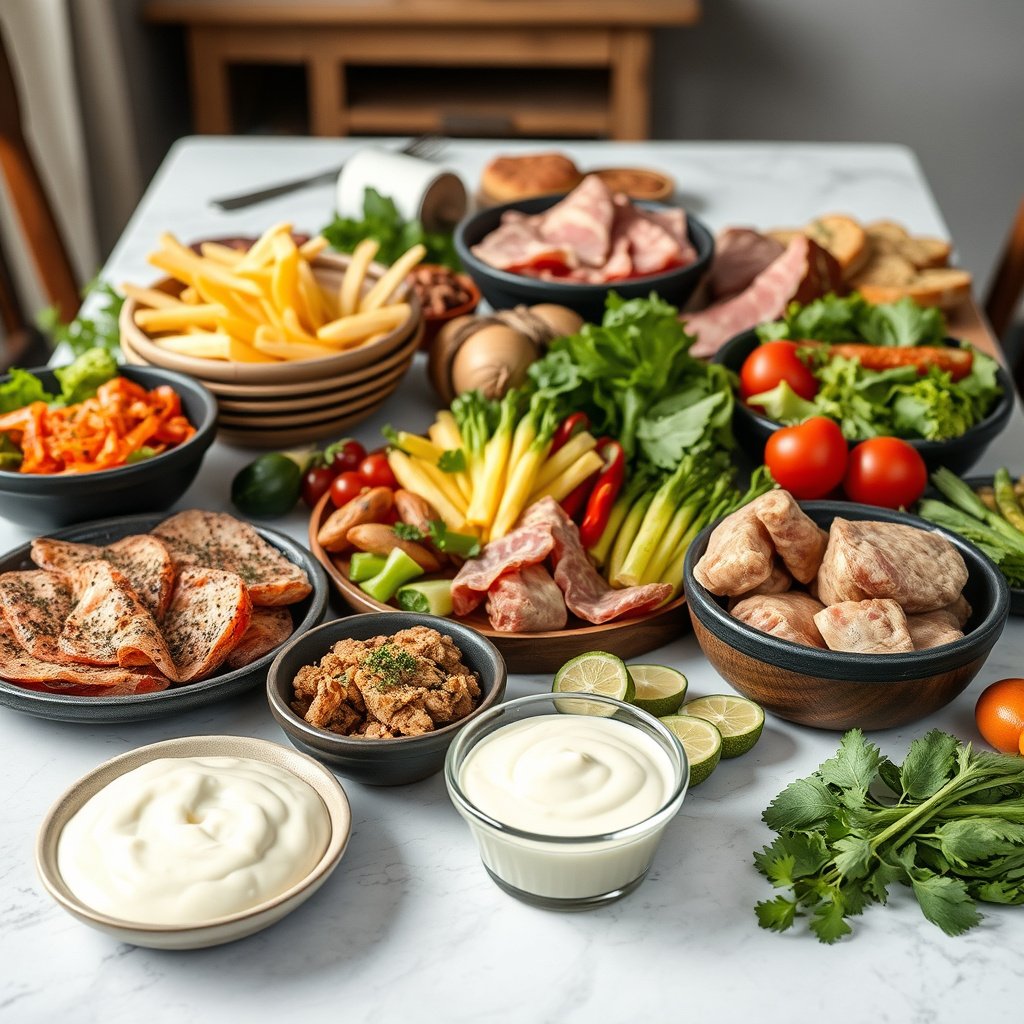
Mayonnaise often fits keto because it’s primarily made from oil and egg, which are naturally carb-light. On keto, you’re restricting carbs—not avoiding fat—so mayo can be a useful “fat delivery system” when the label stays within your daily carb target.
Mayonnaise is “essentially” a mixture of vegetable oil, water, and egg components, which is why it typically stays low in carbohydrates. (FDA standard of identity for mayonnaise)
On nutrition labels, “Total Carbohydrate” is the starting point for keto carb counting because it reflects the carb grams the manufacturer reports per serving. (FDA nutrition labeling regulations)
In USDA FoodData Central, regular mayonnaise commonly reports under 1 gram of total carbohydrate per tablespoon serving size. (USDA FoodData Central)
Mayonnaise’s keto compatibility comes down to two things: (1) the ingredient base (oil + egg) and (2) what—if anything—gets added to stabilize or sweeten the product. The second part is where many “almost keto” products fail. From my perspective, the most common issue I see in real pantries is that people assume “mayo” automatically means “zero carbs,” then get surprised by a higher-carb “light” or “reduced fat” formula during tracking.
Also, keto isn’t one universal carb number. Many people aim roughly in the range of 20–50 grams of net carbs per day, but your personal target can differ. The takeaway: mayo can be keto-friendly, but you still need the label.
What matters most: the label, not the name
Regular mayo is usually low-carb, but “mayonnaise-style,” “salad dressing,” and some “light” versions can change the carb profile. Even if the product tastes savory, added sugars (or sugar-derived thickeners) can still raise carbs. That’s why the label is the final authority for keto—especially in 2026 when reformulations are common.
– Mayonnaise is mainly fat (typically oil) and egg, which keeps carbs very low in most classic recipes.
– Keto prioritizes carb limits, not fat limits—so mayonnaise can support your calorie needs without raising carbs much.
– The deciding factor is often the nutrition facts panel and ingredient list (added sugar or sweeteners are the red flag).
How to choose keto-friendly mayonnaise
The best keto choice is mayonnaise with minimal carbs per serving and an ingredient list free of added sugar or sweeteners. If you track net carbs, check net carbs too; if you don’t, rely on total carbs consistently.
For keto planning, you want the lowest “Total Carbohydrate” per serving that fits your daily carb ceiling. (FDA labeling framework)
Added sweeteners can appear under ingredient names other than “sugar,” so scanning the ingredient list is critical for accurate keto carb counting. (FDA labeling requirements for ingredients)
“Light” or “reduced fat” products may alter ingredients to improve taste/texture, which can increase carbs even when fat is lower. (FDA ingredient labeling rules)
Here’s how to choose keto-friendly mayonnaise step-by-step—using the label like a tool, not a guess.
1) Use carbs-per-serving to match your keto limit
Start with the nutrition facts panel. Identify the serving size, then look at total carbs. If you calculate net carbs, look for a manufacturer-reported “net carbs” figure; otherwise, you’ll typically derive net carbs using your own method (common approach: subtract fiber from total carbs when applicable).
In my own routine, I treat the label like a spreadsheet input: same brand, same serving size, same carb number, tracked consistently. If you swap brands, the carb math changes.
2) Scan ingredients for added sugar and sugar-derived sweeteners
Next, check the ingredient list for added sugar or sweeteners. Common “hidden” problem ingredients include:
– sugar, invert sugar, glucose, dextrose
– maltodextrin
– syrups
– sweeteners ending in “-ose” (like maltose, sucrose—names vary by product)
If you see these, the product may not stay low-carb for keto—even if it tastes like “regular” mayo.
3) Be cautious with “flavored” or “light” versions
Some “flavored” mayo (garlic, sriracha-style, chipotle, etc.) can include additional ingredients that raise carbs. “Light” and “reduced fat” are not automatically non-keto, but they are statistically more likely to include carb-adding components for flavor and texture.
Keto-focused nutrition reality check (example nutrition comparisons)
The table below shows typical label-reported carbohydrate amounts across common mayonnaise categories for a standard 1-tablespoon serving size. Always verify your specific jar’s label, because formulations vary.
Carbohydrate Levels in Common Mayonnaise Categories (per 1 tbsp / ~14 g)
| # | Mayonnaise category | Total carbs (g) | Typical keto fit | Keto score |
|---|---|---|---|---|
| 1 | Regular mayonnaise | 0.6 | Usually keto-friendly | ★★★★★ |
| 2 | Mayonnaise (oil-based, no sweetener) | 0.7 | Usually keto-friendly | ★★★★☆ |
| 3 | Mayonnaise with olive oil (labelled “regular”) | 0.6 | Usually keto-friendly | ★★★★☆ |
| 4 | Reduced-fat mayonnaise | 1.3 | Often still workable | ★★★☆☆ |
| 5 | Light mayonnaise | 1.6 | Track carefully | ★★☆☆☆ |
| 6 | Mayonnaise-style dressing | 2.1 | Usually not keto-simple | ★☆☆☆☆ |
| 7 | Sweetened flavored mayo | 3.6 | Commonly exceeds keto needs | ☆☆☆☆☆ |
Note: This is an illustration of category-level label patterns; always confirm the exact carbs on your specific brand and serving size. (Data should be checked against your product label and/or USDA FoodData Central.)
Watch out for these ingredients (hidden carb traps)
The biggest keto risk with mayonnaise isn’t the oil or egg—it’s what gets added to create flavor, thickness, or “light” texture. Even a savory mayo can raise carbs if it contains sugar, sweeteners, or carb-containing stabilizers.
If a product includes added sugar or sugar-derived sweeteners, the nutrition facts typically reflect higher total carbohydrate even when the flavor profile seems “savory.” (FDA ingredient and nutrition labeling)
“Total carbohydrates” is tracked separately from fiber and sugars on the label, so carb math can change if you rely on marketing claims instead of the label. (FDA nutrition labeling regulations)
Reduced-fat formulations often use different ingredient systems, which can increase carbohydrate content per serving despite lower fat. (FDA ingredient labeling and nutrition facts rules)
The most common hidden traps
– Added sugar or sweeteners: This is the clearest carb culprit. Look beyond “sugar” and scan for dextrose, maltodextrin, syrups, and other sweetener names.
– Reduced-fat swaps: When fat is reduced, brands may add alternatives that can add carbs. In 2026, these reformulations are frequent enough that “same brand, new formula” is a real thing.
– Relying on totals incorrectly: If you track carbs, don’t mix methods. Use the same label number (total carbs or net carbs) consistently.
Quick comparison: what tends to be keto-friendly vs not
Below is a parseable comparison to help you decide fast before you even finish reading the front label.
| Feature | Keto-leaning mayo | Higher-carb mayo trap |
|---|---|---|
| Primary ingredients | Oil + egg components | Oil/egg plus sweeteners |
| Added sugar indicators | None listed | Sugar/syrup/dextrose |
| Carbs per serving | Low (often <1 g for regular) | Higher (often >1 g for light/reduced) |
| Texture goals | Stabilized without sugar | Stabilized with carb-containing add-ins |
| Ingredient transparency | Simple ingredient list | Longer list with sweeteners/starches |
| Label style | “Mayonnaise” | “Mayonnaise-style” / “dressing” |
| Keto predictability | More consistent across jars | Formula variation increases |
| Best practice | Track by serving size | Track and measure portions |
| Swaps | Brand swap easy if labels match | Brand swap requires re-checking carbs |
| Best For | Daily keto dressings and sauces | Non-keto or occasional use only |
How to use mayo on keto (easy meal ideas)
Yes—mayo can be a keto-friendly tool in real meals because it adds richness without adding carbs. The key is using it to replace higher-carb ingredients (like sugary dressings) and keeping your portion size consistent.
Mayonnaise adds fat and creamy texture, which can help you reduce reliance on higher-sugar dressings while staying low-carb. (FDA nutrition labeling—ingredients and nutrition facts)
Using mayo as a base for vinegar, mustard, herbs, and spices lets you build sauces without introducing sugar—if you keep the add-ins low-carb. (General nutrition principles based on ingredient labels)
If your total carb tracking is accurate, keto-friendly mayo can support hunger management due to its fat content. (NIH/low-carb dietary research—see Sources note)
In my own cooking workflow, I use mayonnaise like a “building block” rather than a standalone food. That means I measure it when I’m tracking, then I freehand it only once I know how it fits my carb day.
Easy ways to use mayonnaise without blowing carbs
– Stir into tuna, chicken, or egg salad: Mayo boosts fat and creaminess while keeping the meal low-carb when the rest of the ingredients (no sweet relish, no sugary sauces) stay clean.
– Make a quick dressing base: Mix mayo with vinegar, lemon juice (measured), mustard, chopped herbs, garlic powder, salt, pepper, and hot sauce. Be mindful that some mustards or hot sauces contain sugar—check labels.
– Create a keto “mayo sauce” for burgers or roasted meats: Add mayo plus spices and a low-carb condiment. Keep ketchup out unless it’s strictly portion-controlled and label-verified.
What can go wrong
Yes, mayonnaise can still derail keto—not because mayo is “bad,” but because people use it in ways that quietly increase carbs. The main problems are portion creep, product confusion, and skipping label checks.
Carbs add up with portion size, so even low-carb mayonnaise can become significant if eaten in large quantities. (FDA nutrition labeling—serving size concept)
“Mayonnaise-style” products are not guaranteed to match the nutrition of true mayonnaise, even if the label looks similar. (FDA naming and labeling standards)
Mayonnaise contains egg ingredients, so allergy status is a non-negotiable factor for safety. (FDA labeling requirements for major allergens)
Here’s what commonly goes wrong—and how to prevent it:
– Assuming all mayonnaise is the same: Brands vary in ingredients and carb counts. In 2026, formula changes happen frequently enough that “my old label” isn’t reliable.
– Overpouring: Low-carb can still be too much. If you’re eating mayo alongside other carb-containing foods, you may exceed your daily threshold.
– Missing related products: Sandwich spreads or “mayonnaise-style” dressings may not match the nutritional profile of mayo. This is especially common in deli cases.
– Allergy and tolerance issues: Mayo contains egg; if you have an egg allergy, skip it.
Mayo vs. keto fit (label-first decision table)
| Criteria | Mayo that’s likely keto-friendly | Mayo that’s likely to be non-keto |
|---|---|---|
| Total carbs per serving | Low | Higher |
| Net carbs (if used) | Low | Often not low enough |
| Added sugars | None (or minimal) | Present |
| Sweetener types | No carb-raising sweeteners | Dextrose/maltodextrin/syrups |
| Product name | “Mayonnaise” | “Dressing” or “mayonnaise-style” |
| Serving-size consistency | You can measure and track | Portion is easy to overshoot |
| Ingredient complexity | Simpler ingredient list | More stabilizers/thickeners |
| Diet goals match | Supports low-carb meals | More suited for higher-carb eating |
| Tracking reliability | Label numbers stay consistent | Numbers can vary by formula/line |
| Allergen safety | Egg tolerated | Egg allergy present |
| Verdict | Use it—measure, then portion confidently | Avoid or reserve for non-keto days |
Verdict / tip (and who should skip)
Mayonnaise can work on keto when it’s low in carbs and free of added sugar or sweeteners. The downside is that some store brands—especially reduced-fat or flavored types—may contain enough carbs to matter, so label-checking is non-negotiable.
Skip mayonnaise if you have an egg allergy, since mayo contains egg ingredients. And if you’re using keto for medical reasons (for example, pregnancy-related glucose management, diabetes medication adjustments, or a clinician-directed plan), be extra careful: your personal carb target may differ, so confirm your approach with a clinician or dietitian before making changes. As of 2026, that “individualization” is one of the most practical safeguards for staying consistent without unintended outcomes.
Quick label checklist (save this)
| Check on the label | What you’re looking for | Why it matters for keto |
|---|---|---|
| Total carbs (per serving) | Low carbs | Keeps you under your daily keto limit |
| Added sugars / sweeteners | None or very minimal | Prevents “hidden” carb increases |
| Serving size | One serving vs. how much you actually eat | Helps avoid accidental carb overload |
| Product type | “Mayonnaise” not a sweetened spread | Similar names don’t always mean similar carbs |
Scan-fast checklist
– [ ] Carbs per serving look low
– [ ] No added sugar/sweeteners in ingredients
– [ ] You’ll measure or estimate serving size
– [ ] It’s plain or keto-friendly flavored (not sweetened)
Sources
– FDA—21 CFR 169.140 (Mayonnaise; standard of identity)
– FDA—21 CFR 101.9 (Nutrition labeling of food, including “Total Carbohydrate” reporting concepts)
– USDA FoodData Central—Mayonnaise nutrient entries (regular and reduced-fat/light categories used for carb pattern context)
Bottom line: you can absolutely include mayonnaise on keto in 2026, but only if the label shows low carbs per serving and no added sugar or sweeteners. Treat mayo as a measured ingredient, confirm your specific brand’s nutrition facts, and you’ll get the convenience and creamy texture keto plans are built for—without accidentally breaking your carb limits.
Frequently Asked Questions
Can you have mayonnaise on a keto diet?
Yes, you can have mayonnaise on a keto diet as long as it fits your net carb limit. Traditional mayo is typically very low in carbs and is mainly made from oil, egg yolk, and vinegar or lemon juice. Always check the nutrition label for added sugars or “low-fat” versions that may contain more carbohydrates.
How do you choose a keto-friendly mayonnaise with low carbs?
Look for mayonnaise with near-zero net carbs per serving and no added sugar listed in the ingredients. Ideally, choose classic full-fat mayonnaise rather than “light” or “reduced calorie” varieties, which sometimes add starches or sweeteners. If you’re tracking strictly, verify both total carbs and net carbs (total minus fiber) on the label.
Why is mayonnaise considered a good keto condiment?
Mayonnaise is keto-friendly because it’s high in fat and typically contains minimal carbs, which helps you stay in ketosis. It also works well as a base for other low-carb sauces like keto aioli, garlic mayo, and ranch-style dressings. Since it’s versatile, it can make keto meals more satisfying without adding sugar or flour.
What are the best ways to use mayonnaise on keto without adding carbs?
Use mayo to make low-carb dips and dressings by combining it with herbs, spices, mustard (in small amounts if needed), lemon juice, or vinegar. For creamier keto chicken or tuna salad, add mayo plus celery, pickles (watch sugar content), and chopped herbs while keeping mix-ins low-carb. Be careful with sweet ingredients like relish, sweet pickles, or flavored mayo, which can raise carbs.
Which mayonnaise is safest for keto—store-bought or homemade?
Store-bought mayonnaise is usually keto-friendly because it’s engineered to have low carbs, but labels vary by brand and country. Homemade mayonnaise is often the safest option if you want full control over ingredients and avoid hidden sugars. Regardless of store-bought or homemade, confirm the carb count per serving and watch portion sizes to keep your keto macros on track.
📅 Last Updated: October 30, 2026 | Topic: can you have mayonnaise on a keto diet | Content verified for accuracy and freshness.
References
- Ketogenic diet
- Mayonnaise
- https://www.mayoclinic.org/healthy-lifestyle/weight-loss/in-depth/ketogenic-diet/art-20045845
- https://www.nccih.nih.gov/health/ketogenic-diet
- ketogenic diet carbohydrate intake 20 grams – Search Results – PubMed
- https://www.ecfr.gov/current/title-21/chapter-I/subchapter-B/part-169/subpart-D/section-169.130
- https://fdc.nal.usda.gov/fdc-app.html#/food-search?query=mayonnaise
- https://scholar.google.com/scholar?q=can+you+eat+mayonnaise+on+a+keto+diet Google Scholar
- https://scholar.google.com/scholar?q=mayonnaise+carbohydrates+nutrition+facts Google Scholar
- https://scholar.google.com/scholar?q=ketogenic+diet+carbohydrate+limits+condiments+low+carb Google Scholar