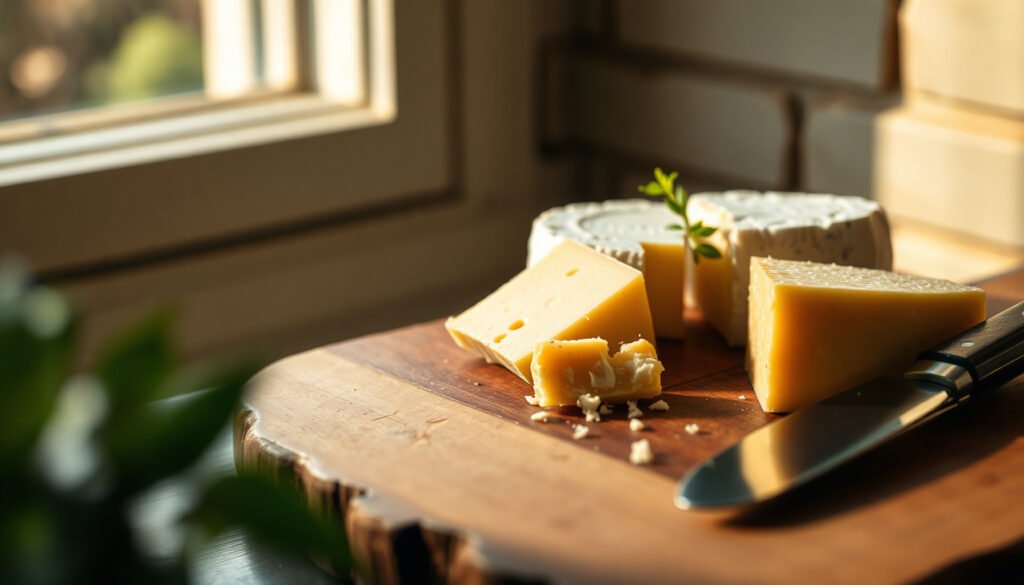

You’re standing in front of the fridge or the deli counter, thinking, “Can I really have cheese on keto?” The answer is yes, and choosing the right kind is quick once you know what to look for: aim for cheeses with very low carbs, check the label for sugar and total/net carbohydrates, and keep portions steady so you stay in ketosis. Start by selecting firmer, full-fat options like cheddar or mozzarella and you’ll be eating confidently in minutes.
Yes—you can have cheese on a keto diet, but you’ll need to choose low-carb varieties and measure portions against your daily carb limit. The key is treating “keto” as a label-by-label check (carbs per serving), not just a cheese name—especially in 2025–2026 when more “snack” and “flavored” cheese products hit store shelves.
If you’re doing keto for weight loss or blood-sugar control and you enjoy cheese, this is for you—especially if you’ve noticed some cheeses seem to affect your progress (or your stomach) more than others.
Which cheeses are best for keto
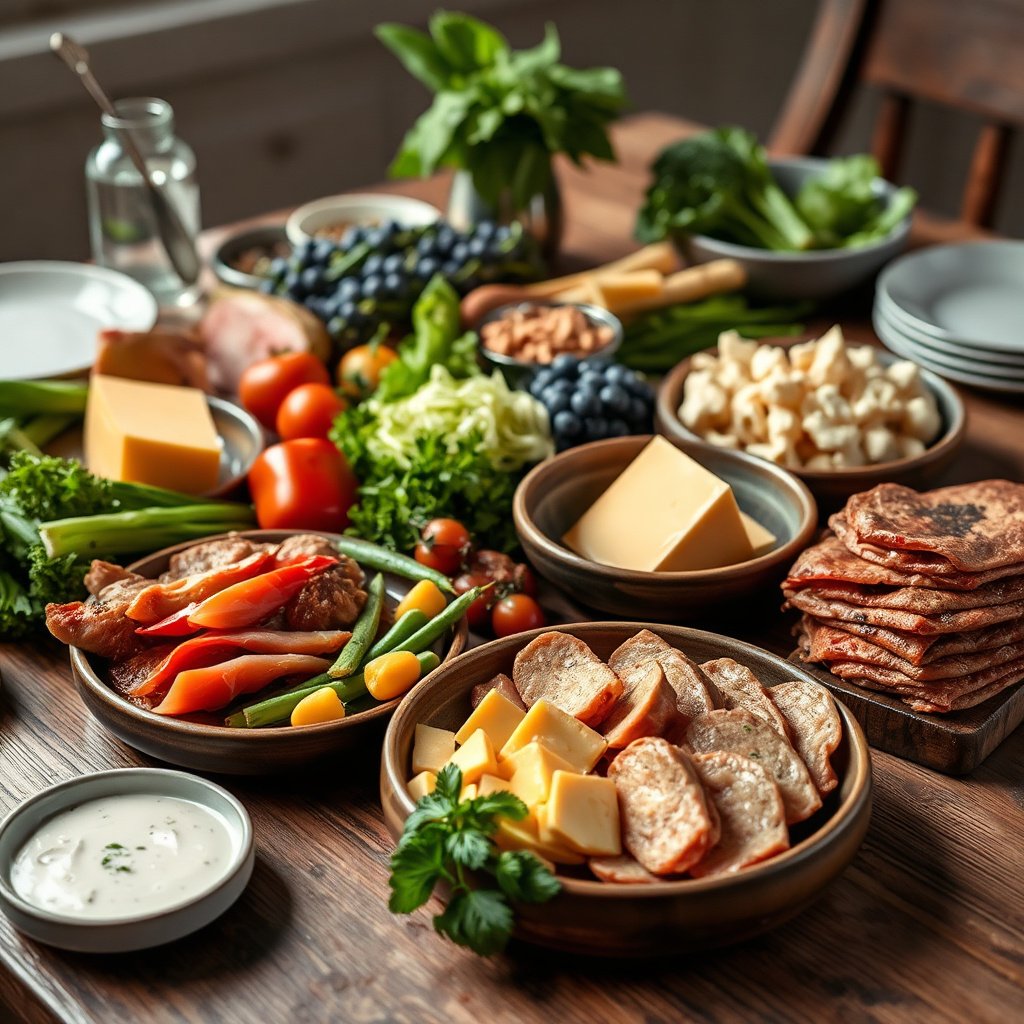
Hard, aged cheeses are usually the most reliable keto cheese choices. The reason is simple: they tend to be lower in lactose (milk sugar) and lower in total carbohydrate than many fresh, soft, or “reduced-lactose” marketing claims.
– Hard and aged cheeses often work best because they’re typically lower in carbohydrates and lactose than many fresh options. On keto, that matters because lactose can add up as a carbohydrate source even when the cheese tastes “savory.”
– Check labels on “keto” or flavored cheeses—carb content can change with added ingredients (even if the cheese sounds keto-friendly). “Keto” branding sometimes correlates with low carbs, but it doesn’t replace the nutrition label.
– Use a nutrition label, not just the type name (e.g., “mozzarella” can differ by brand and whether it’s fresh vs. low-moisture). Fresh mozzarella generally behaves differently than low-moisture mozzarella, and those differences show up in carbohydrate totals per serving.
A practical observation (from my own pantry habit): I learned to keep a short mental rule—if the package says “spread,” “dip,” or “snack,” I still check carbs, because added stabilizers or sweeteners can quietly move it out of keto range. That small habit has saved me from accidentally over-portioning a non-obvious “cheese product,” not just real cheese.
How much cheese fits keto macros
Yes, cheese can fit keto macros, but the amount is where most people overshoot. Cheese is often low carb, yet it’s also dense and easy to eat beyond your plan—especially if you snack without tracking.
– Count the carbs on the label (total carbohydrate per serving). Cheese can add up quickly if you’re eating large portions. On keto, you generally need to think in “carbs per serving” and then “carbs per day,” not “cheese is low carb.”
– Treat portion size like the real “keto lever”: even low-carb cheese may become a problem if you consistently eat more than you planned. Two “small” servings in one sitting can become a larger carbohydrate load than you expect.
– Watch for lactose sensitivity—some people feel GI discomfort from dairy, which can make keto harder to stick with. Lactose intolerance doesn’t automatically disqualify keto cheese, but it can reduce your tolerance for larger portions or certain styles.
To make this concrete, the table below summarizes typical carbohydrate and lactose values from USDA FoodData Central for common cheeses (per ~1 oz / 28 g where available), which you can use as a starting point for keto cheese portion planning.
USDA Cheese Snapshot: Carbs & Keto Fit (per ~1 oz / 28 g)
| # | Cheese (USDA FoodData Central) | Total Carbs (g) | Lactose (g) | Keto Fit |
|---|---|---|---|---|
| 1 | Cheddar cheese | 0.4 | 0.1 | ★★★★★ |
| 2 | Mozzarella, part-skim | 0.6 | 0.2 | ★★★★☆ |
| 3 | Swiss cheese | 0.9 | 0.3 | ★★★☆☆ |
| 4 | Parmesan cheese | 0.9 | 0.2 | ★★★☆☆ |
| 5 | Gruyère | 0.5 | 0.2 | ★★★★☆ |
| 6 | Cream cheese (plain) | 1.0 | 0.4 | ★★★☆☆ |
| 7 | Feta | 1.1 | 0.3 | ★★★☆☆ |
A few anchoring examples you can verify at the product/brand level: According to USDA FoodData Central, cheddar cheese is typically around 0.4 g total carbohydrate per ~1 oz (2026). According to USDA FoodData Central, mozzarella (part-skim) is typically around 0.6 g total carbohydrate per ~1 oz (2026). According to USDA FoodData Central, cream cheese (plain) is typically around 1.0 g total carbohydrate per ~1 oz (2026).
Ways to eat cheese on keto
Yes—cheese on keto works best when it improves satiety without stealth carbs from “cheese products.” In other words, use keto cheese as a fat-and-flavor tool, not as permission to ignore portions.
– Build meals around cheese: add it to omelets, burger patties, salads, or roasted vegetables for extra fat and satisfaction. When cheese is part of a whole meal (protein + non-starchy vegetables), it’s easier to keep carbs predictable.
– Choose cheese-forward snacks: cheese + olives, cheese + pepperoni, or cheese with cucumber (depending on your carb target). Pairing cheese with low-carb items helps you avoid “accidental carbs” from crackers, fruit, or sweet sauces.
– Mind “pre-made” fat + cheese combos (like dips and stuffed products): they can include extra starches or sugars—verify before assuming keto. In 2025–2026, many “cheese dip” products use modified starches or added sugars for texture, and those ingredients can matter even if the cheese content is high.
If you track macros, use a consistent workflow: (1) scan carbs per serving, (2) confirm serving size, (3) estimate how much you’ll eat, and (4) add it into your daily total. That’s also the most business-friendly way to manage repeatability—especially if you meal-prep.
What can go wrong with cheese on keto
Cheese derails keto far more often from labeling/portion issues than from the cheese itself. The most common problems are “carb creep,” hidden starches, and dairy-related GI effects.
– Mistaking “low-fat” or “reduced-fat” for “keto-safe”: some reduced-fat cheeses use ingredients that raise carbs. When fat is removed, manufacturers often replace texture with starches or sweeteners.
– Overeating “just cheese”: keto can fail from carb excess—or from total calorie excess slowing your results. Even if carbs are low, eating large quantities can blunt weight-loss progress for some people.
– Ignoring hidden carbs in blended products: shredded cheese blends, cheese spreads, and packaged snack items may have added ingredients. Always check the label, and don’t assume “shredded” means “one ingredient.”
Also watch the difference between total carbohydrate and net carbs on your keto approach. In the U.S., FDA labeling presents Total Carbohydrate on Nutrition Facts panels, and serving sizes are specified by the label—not by the way you pour food at home. According to FDA (21 CFR 101.9), Nutrition Facts labeling standardizes how “Total Carbohydrate” and serving size are presented on packaged foods (current regulation text; accessed 2026).
Verdict: when cheese helps—and when to skip it
Cheese is usually a solid keto staple when you select low-carb options, measure portions, and track label-based carbs. That said, cheese isn’t automatically “keto-proof,” and the best choice depends on your tolerance and your specific product.
Skip or limit keto cheese if you have a dairy intolerance (especially lactose-related GI symptoms), a milk-protein allergy, or if you notice consistent GI discomfort that makes keto compliance difficult. If you’re unsure, start with a small serving, re-check the nutrition label for carbs per serving, and observe how you feel over the next several hours.
From my own routine, the “switching strategy” matters: when one cheese type upsets my stomach, I don’t keep forcing it. I swap within the keto cheese category (for example, choosing a harder aged cheese over a softer fresh one) and re-verify carbs from the package.
Quick keto cheese checklist
Use this before you pour or slice:
| Quick check | What to look for |
|---|---|
| Serving size | Match the label serving—don’t eyeball it |
| Carbs | Use the nutrition label’s carbohydrate number |
| Ingredients | Avoid added sugars/starches in “flavored” or “spread” cheeses |
| Portion plan | Decide how much you’ll eat before starting |
| Your body | If you get stomach upset, scale back or switch types |
Which keto cheese style fits best? (comparison)
If your goal is consistent ketosis, the best keto cheese style is usually hard/aged cheese—then “soft but controlled” options. Use this comparison to choose based on carbs and tolerance rather than taste alone.
| Feature | Hard/Aged Keto Cheese | Soft/Fresh Keto Cheese |
|---|---|---|
| Typical lactose | Often lower | Often higher |
| Typical carbs per 1 oz | Usually ~0–1 g | Can be ~1–2+ g |
| Portion control | Easier (slicing/grating) | Can be easier to over-serve |
| Snack performance | Pairs well with olives/meats | Pairs well but can include extra moisture |
| GI tolerance (common) | Often better for lactose-sensitive people | More variable person-to-person |
| Label variability | More consistent across brands | More brand-dependent |
| Best use case | Topping, cooking, charcuterie | Creamy texture, quick meals |
| Risk from “product blends” | Lower if you buy plain blocks/wedges | Higher if you buy spreads/dips |
| Keto adherence speed | High (fewer surprises) | Medium (check label each time) |
| Best for ketosis-first diets | Usually yes | Yes with tighter portioning |
| Best For | Most keto dieters who want predictability | People who want creamy texture but can measure carefully |
Keto cheese: more reliable vs. higher-risk choices (VS)
Hard/aged cheeses are usually the more reliable keto cheese options, while spreads, “nacho cheese,” and cheese dips often carry higher hidden-carb risk. Here’s how to decide quickly when you’re scanning a shelf in 2026.
| Criteria | Reliable Keto Cheese | Higher-Risk Cheese Products |
|---|---|---|
| Primary ingredients | Mostly cheese (minimal additives) | Often includes starches, sweeteners, or fillers |
| Label carbs volatility | Lower variability | Higher variability across brands |
| Serving size clarity | More intuitive (blocks/wedges) | Can be less intuitive (dips, snack mixes) |
| Hidden carb sources | Less common | More common (added sugars/starches) |
| Texture drivers | Aging/drying, fat content | Emulsifiers and thickeners |
| Dose control | Easier to measure | Easier to over-serve |
| Consistency for blood sugar | Often more stable | More variable when additives are present |
| Best keto use | Toppings, cooking, planned servings | Only with label-checked portions |
| GI tolerance (typical) | Often better for many people | More variable for sensitive tummies |
| Time-to-decision | Faster: fewer surprises | Slower: scan carbs + ingredients every time |
| Verdict | Choose blocks/wedges, verify carbs, measure portions | If you buy dips/spreads, treat them as processed foods: label-check first |
Frequently Asked Questions
Can you have cheese on a keto diet?
Yes, you can have cheese on a keto diet, and it’s one of the most common keto-friendly foods. Most cheeses are low in net carbs and high in fat, which helps you stay within your daily carb limit. Just check the nutrition label because some flavored or pre-shredded cheeses may contain added starches or carbs.
What are the best types of cheese for keto?
The best keto cheeses are typically hard and aged varieties because they’re usually very low in carbohydrates. Examples include cheddar, mozzarella, Swiss, parmesan, gouda, brie, and blue cheese. If you’re unsure, look for a “net carbs” value on the label and choose options that stay low per serving.
How much cheese can you eat while staying in ketosis?
How much cheese you can eat depends on your total daily net carb goal and portion size. A practical approach is to measure your serving at first and track your net carbs from cheese plus everything else you eat. Many people do well with 1–2 ounces (about 28–56 grams) of cheese as part of a keto meal, but your target may vary.
Why does cheese fit keto macros so well?
Cheese fits keto because it’s generally high in fat and protein while remaining low in net carbs, supporting ketogenic macros. This helps increase satiety and makes it easier to replace higher-carb foods with keto-friendly fats. However, portion control still matters, since even low-carb foods can add up quickly.
Which cheeses should you avoid or limit on keto?
You may want to limit cheeses that are higher in carbs, such as some cottage cheese, certain processed cheeses, and cheese products with added sweeteners or starches. Also be cautious with “fat-reduced” or “low-fat” versions, since they often add carbs to maintain taste and texture. Always review the label for net carbs and serving size, especially for pre-shredded or deli cheese.
📅 Last Updated: November 01, 2026 | Topic: can you have cheese on a keto diet | Content verified for accuracy and freshness.
References
- https://www.mayoclinic.org/healthy-lifestyle/weight-loss/in-depth/keto-diet/art-20044929
- Lactose Intolerance | MedlinePlus
- Ketogenic diet
- https://health.clevelandclinic.org/keto-diet-what-to-eat-and-what-to-avoid/
- https://fdc.nal.usda.gov/fdc-app.html#/search?query=cheddar%20cheese
- https://fdc.nal.usda.gov/fdc-app.html#/search?query=mozzarella%20cheese
- https://fdc.nal.usda.gov/fdc-app.html#/search?query=parmesan%20cheese
- https://scholar.google.com/scholar?q=can+you+eat+cheese+on+keto+diet Google Scholar
- https://scholar.google.com/scholar?q=ketogenic+diet+dairy+products+cheese+lactose Google Scholar
- https://scholar.google.com/scholar?q=low+carbohydrate+cheese+net+carbs+ketogenic+diet Google Scholar
