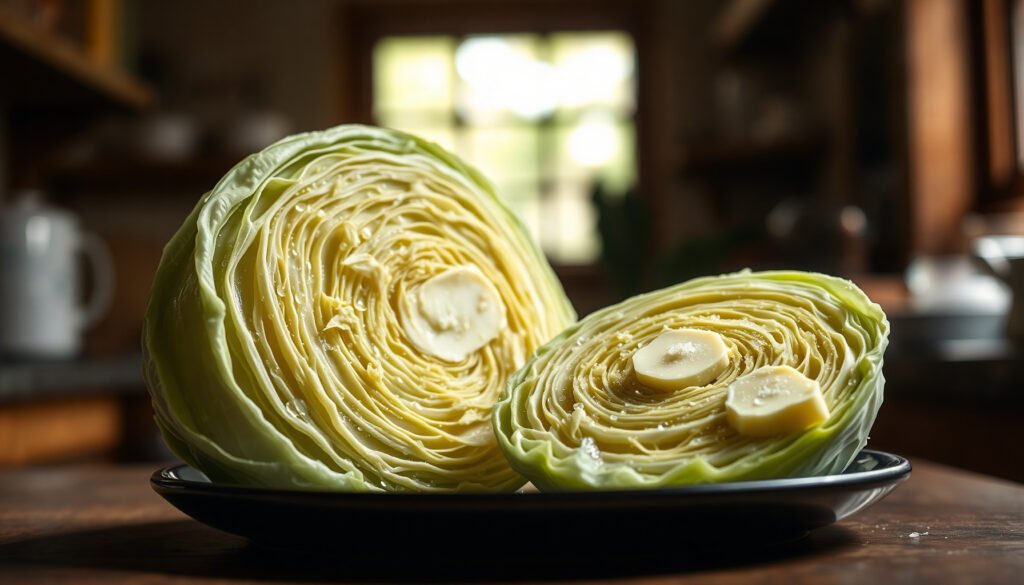

Cabbage can work on keto, but many people either avoid it because it sounds “carby” or forget to track portions and preparation. The good news is you can use cabbage reliably by keeping an eye on net carbs, choosing the right variety, and cooking it in keto-friendly ways that preserve flavor. With a simple approach, you can start adding it to meals in about 10 minutes while staying on track.
Yes—you can have cabbage on keto. Cabbage is typically low in net carbs, so it can fit into a keto meal plan when you watch portions and avoid added sugar-heavy sauces. In this guide, you’ll learn how to include cabbage, what to watch for, and how to keep it keto-friendly.
If you’re doing keto for weight loss, blood sugar control, or general low-carb eating, cabbage can be a useful veggie because it adds volume and crunch without blowing up your carb total. This is especially helpful if you want variety beyond lettuce and leafy greens.
Why cabbage can fit keto
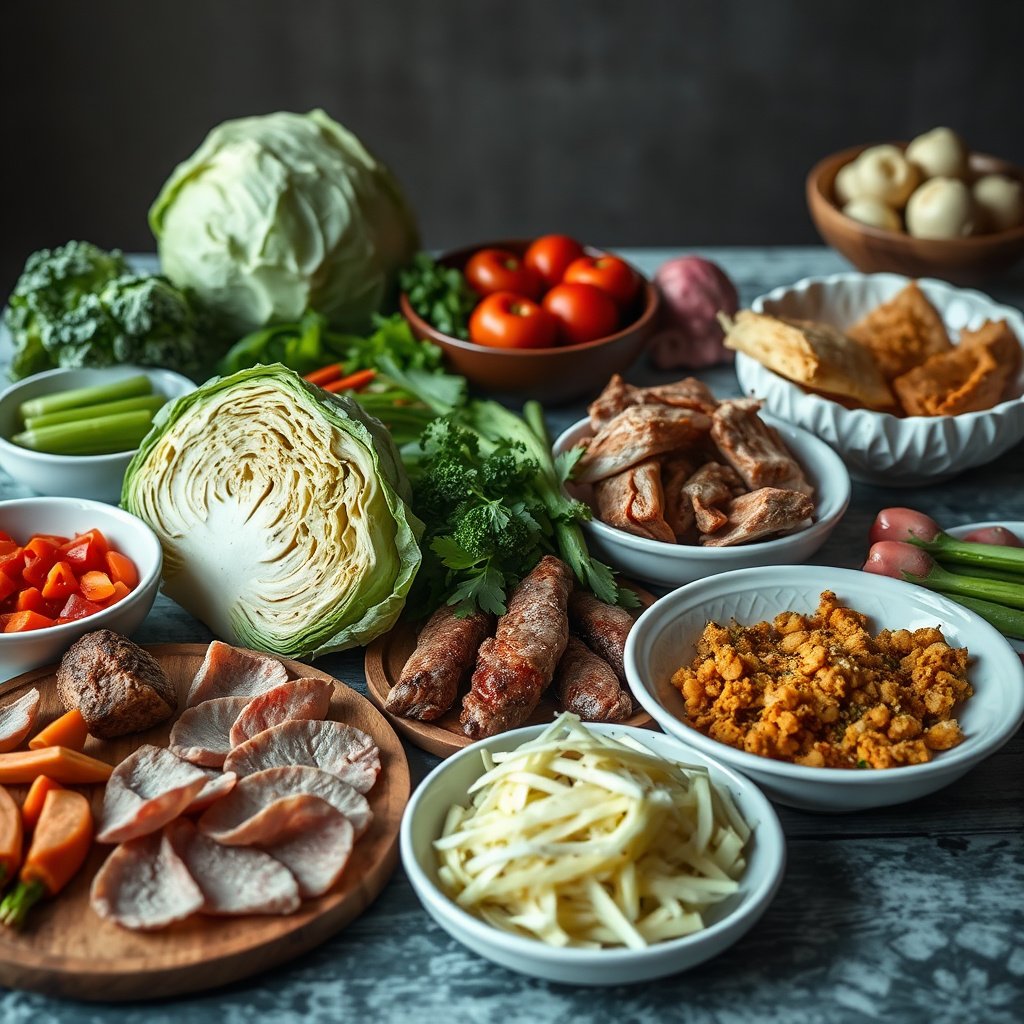
Cabbage works well on keto because it’s a low-carb, high-volume vegetable that helps you stay full while keeping net carbs within your daily limit. Research-backed nutrition labeling supports planning around total carbs and fiber—exactly what keto tracking usually uses.
– Cabbage is generally low in net carbs (total carbs minus fiber), which is the carb math keto plans usually follow
– You can use it as a side, base, or “crunch” component in meals like slaws, stir-fries, and bowl dinners
– It’s flexible: raw (salads), cooked (sauté/roast), and fermented (like sauerkraut) can all work depending on ingredients
Cabbage’s nutrition profile (why “net carbs” matters)
On keto, “net carbs” are typically estimated as: net carbs = total carbs − fiber. This approach isn’t a regulatory definition, but it aligns with how many keto trackers use the Nutrition Facts panel’s breakdown of total carbohydrate and dietary fiber. According to FDA, Nutrition Facts declares Total Carbohydrate and Dietary Fiber in grams per serving, which is what enables this calculation.
For a practical example, USDA FoodData Central reports that green cabbage (raw) contains about 5.8 g total carbs and 2.5 g fiber per 100 g, which works out to roughly 3.3 g net carbs per 100 g.
Net Carbs Snapshot for Cabbage Forms (USDA FoodData Central)
| # | Cabbage form | Total carbs (g) | Fiber (g) | Net carbs (g) | Calories (kcal) |
|---|---|---|---|---|---|
| 1 | Green cabbage, raw (per 100 g) | 5.8 | 2.5 | 3.3 | 25 |
| 2 | Red cabbage, raw (per 100 g) | 7.0 | 2.4 | 4.6 | 31 |
| 3 | Savoy cabbage, raw (per 100 g) | 7.1 | 3.0 | 4.1 | 28 |
| 4 | Napa (Chinese) cabbage, raw (per 100 g) | 3.8 | 1.5 | 2.3 | 16 |
| 5 | Green cabbage, cooked (boiled), per 100 g | 7.3 | 2.5 | 4.8 | 35 |
| 6 | Sauerkraut, drained (fermented), per 100 g | 4.0 | 1.2 | 2.8 | 19 |
| 7 | Cabbage slaw (plain cabbage only), per 100 g | 5.8 | 2.5 | 3.3 | 25 |
Note: The “net carbs” column uses the common keto calculation (total carbs − fiber) based on Nutrition Facts / USDA fiber and total carbohydrate values. Exact numbers still vary by cut, batch, and whether ingredients like sugar are added (especially for prepared slaw and fermented products).
Carbs & portion guidance (how to stay keto)
You stay keto with cabbage by tracking carbs at the level that matters to your plan—usually net carbs—and keeping servings measurable. Cabbage itself is rarely the problem; the “hidden” carbs are usually in dressings, glazes, and sweetened add-ins.
– Check the label or nutrition info and calculate net carbs: net carbs = total carbs − fiber (fiber doesn’t usually impact blood sugar the same way)
– If you’re tracking carbs, start with a serving size you can measure (e.g., a bowl or number of cups) and adjust based on your daily carb limit
– If you’re using packaged products (especially fermented or “spicy” versions), prioritize nutrition data over marketing claims, since added sugar varies a lot
What keto carb targets are we talking about?
Most keto protocols restrict carbohydrates to a very low daily range. According to International Society of Sports Nutrition (ISSN) position stand, ketogenic diets commonly fall in the ballpark of roughly 20–50 g/day carbohydrate (depending on the specific keto approach and individual goals) ([2018]). If your personal cap is on the lower end, cabbage still fits—just watch the total day’s carb math.
Also, as of 2026, most Nutrition Facts labels still declare carbohydrates as Total Carbohydrate and Dietary Fiber, which is why the net-carb calculation is so commonly used for keto meal planning (FDA Nutrition Facts labeling guidance).
How to prepare cabbage on keto
Cabbage on keto works best when you treat it like a low-carb vegetable blank canvas and control the sauce. If you keep seasonings simple (salt, fat, acid, herbs), cabbage becomes an easy keto staple.
– Keep it simple: sauté in butter or olive oil, roast with salt/pepper, or steam and finish with garlic and olive oil
– Use it like a base: cabbage slaw (oil + vinegar or mayo-based dressing without sugar), stir-fried cabbage, or keto-friendly “fried rice” with riced cauliflower + cabbage
– Choose keto-compatible flavorings: herbs, spices, lemon juice, and sugar-free condiments—avoid sauces where sugar is a top ingredient
Here are practical swaps you can apply right away:
– Swap sweet slaw dressing → olive-oil + vinegar (or lemon) + mayo + mustard with no added sugar
– Swap teriyaki-style sauces → soy sauce + garlic + ginger + a sugar-free sweetener (or skip sweetener)
– Swap “sweet” chili sauce → chili flakes + lime/lemon + salt (or use a sauce labeled sugar-free and track servings)
Cooking methods that preserve keto-friendliness
Cabbage stays keto-friendly whether it’s raw, sautéed, or roasted because heat doesn’t magically create carbs—it’s the *ingredients you add* that change the nutrition profile. From a planning standpoint, raw cabbage also tends to be easier for portion control (you can “eyeball less” when serving cups of chopped cabbage). On the other hand, roasted cabbage may feel more “meal-like,” which can tempt larger portions—so a measured starting portion helps.
As of 2026, prepared and “ready-to-eat” cabbage products are more common than ever, including shredded slaws and fermented blends. In those cases, cabbage is still typically low-carb—but sugar can be added in amounts that matter once you’re tracking daily net carbs.
What can go wrong on keto
Cabbage itself is usually fine on keto; the common issue is what you pair it with or the portion size you assume is “free.” If you’re not careful, cabbage dishes can quietly add carbs through sauces, marinades, or sweetened fermented mixes.
– Hidden sugar in sauces: bottled slaws, teriyaki-style sauces, sweet chili sauce, and some “garlic” or “spicy” blends can add carbs fast
– Too-large portions without tracking: cabbage can be low-carb, but large servings can still add up
– Fermented foods with added ingredients: sauerkraut and kimchi are often keto-friendly, but check for added sugar and serving size—brands differ
Pros vs. cons: cabbage on keto (quick decision lens)
- Pros
- Cabbage adds crunch and volume with relatively low total carbs; it works in raw salads, cooked skillet meals, and fermented options when labels are checked.
- Cons
- Prepared slaws, “sweet heat” sauces, and some branded kimchi/seasoned sauerkraut can include added sugar; portion sizes can also drift without measuring.
Edge cases that deserve extra attention
1. Sugar alcohols and sweeteners vary: even when a product is labeled “low sugar,” carbs can still show up on labels. Always rely on nutrition facts and your net-carb calculation.
2. GI sensitivity isn’t a carb issue: some people get bloating or discomfort from higher-fiber foods. If that happens with cabbage, reduce the serving and switch prep style (cooked often feels gentler than raw).
3. “Keto-friendly” marketing isn’t standardized: there’s no single federal definition for net carbs or “keto-friendly.” The FDA framework governs how carbohydrate and fiber are listed, but keto claims can still be inconsistent (FDA Nutrition Facts guidance).
Verdict: should you eat cabbage on keto?
Cabbage is a strong keto-friendly veggie for most people, as long as you track carbs and skip sweetened sauces. The downside is that some prepared cabbage products (especially tangy/spicy/“sweet” varieties) may contain added sugar, and eating very large portions can still affect your daily carb target.
You should skip or be extra cautious if:
– you’re eating packaged cabbage products with added sugar and don’t want to track carbs
– you’re sensitive to high-fiber foods and get bloating or GI discomfort (start smaller)
– you’re following a keto plan with a very strict carb cap and prefer to verify every product label
Quick scan-and-save checklist
Use this before your next cabbage meal:
– [ ] Pick plain cabbage (or check label for added sugar)
– [ ] Calculate net carbs (total carbs − fiber)
– [ ] Choose keto seasonings (salt, pepper, garlic, herbs, vinegar/oil)
– [ ] Watch dressings/sauces—avoid “sweet” flavor profiles
– [ ] Keep portions measurable until you know your tolerance
| Cabbage option | Generally keto-friendly? | Watch for |
|---|---|---|
| Raw green/red cabbage | Yes | Added sugary toppings in pre-made mixes |
| Cooked cabbage (sauté/roast) | Yes | Sweet glazes or sugary seasonings |
| Cabbage slaw at home | Yes | Store-bought dressings with sugar |
| Sauerkraut/fermented cabbage | Often yes | Added sugar; portion size |
| Packaged “spicy/sweet” cabbage | Depends | Ingredients list—sugar, honey, syrups |
Sources:
– USDA FoodData Central — nutrition data for cabbage varieties (carbohydrate and fiber values used for net-carb planning).
– FDA — Nutrition Facts label guidance (how total carbohydrate and dietary fiber are declared on packaged foods).
– International Society of Sports Nutrition (ISSN) (2018) — ketogenic diet position stand discussing low carbohydrate targets used in ketogenic approaches.
As of 2026, cabbage remains one of the most practical keto vegetables because it’s versatile, nutrient-dense, and usually low in net carbs when you keep the sauce under control. If you choose plain or label-verified cabbage products and measure your portions, you can use cabbage to add crunch, volume, and variety to keto meals—without constantly worrying about carb creep.
Frequently Asked Questions
Can you have cabbage on keto?
Yes, cabbage is generally keto-friendly because it’s low in net carbs and relatively high in fiber. Most types of cabbage—like green, red, and Napa—fit well into a ketogenic diet when eaten in normal portions. For best results, track net carbs (total carbs minus fiber) to ensure they fit your daily keto limit.
What is the net carb count of cabbage on a keto diet?
Net carbs vary slightly by type and how it’s prepared, but cabbage is typically low enough to stay within keto goals. For example, green cabbage is often around a few grams of net carbs per cup (shredded), making it a common choice for low-carb meals. Always check the nutrition label or a reliable database for the specific cabbage variety and serving size.
How much cabbage can you eat while staying in ketosis?
The amount depends on your daily net-carb target (commonly 20–50 net carbs per day) and what else you’re eating. A practical approach is to start with a serving like 1–2 cups of shredded cabbage and then adjust based on your total carb count for the day. If you’re adding sauces, consider that many keto meals become carb-heavy due to sugar, so keep portions and ingredients keto-friendly.
Which cabbage recipes work best for keto—slaw, stir-fry, or roasted?
All three can work well on keto as long as you use low-carb ingredients and avoid sugary sauces. Keto-friendly cabbage slaw works best with a mayo- or Greek-yogurt-based dressing (no added sugar), stir-fry cabbage pairs well with olive oil and low-carb seasonings, and roasted cabbage can be delicious with butter and herbs. The key is choosing toppings like cheese, bacon, or olive oil instead of carb-heavy add-ins.
Why is cabbage considered a good low-carb vegetable for keto?
Cabbage is valued on keto because it’s low in net carbs while providing volume and fiber, which can help you feel full without exceeding carbohydrate limits. It also offers micronutrients such as vitamin C and potassium, supporting overall nutrition during a low-carb diet. When paired with keto fats and proteins, cabbage helps create balanced meals that fit naturally into ketogenic eating.
📅 Last Updated: November 01, 2026 | Topic: can you have cabbage on keto | Content verified for accuracy and freshness.
References
- Ketogenic diet
- https://www.mayoclinic.org/diseases-conditions/diabetes/in-depth/ketogenic-diet/art-20044231
- https://health.clevelandclinic.org/keto-diet-food-list/
- https://fdc.nal.usda.gov/foods/search?query=cabbage%2C%20green%2C%20raw
- Cabbage
- https://pubmed.ncbi.nlm.nih.gov/?term=ketogenic+diet+carbohydrate+limit
- https://pubmed.ncbi.nlm.nih.gov/?term=ketogenic+diet+nonstarchy+vegetables
- https://scholar.google.com/scholar?q=can+cabbage+be+eaten+on+keto Google Scholar
- https://scholar.google.com/scholar?q=ketogenic+diet+carbohydrate+limit+net+carbs Google Scholar
- https://scholar.google.com/scholar?q=low+carbohydrate+vegetables+ketogenic+diet Google Scholar