

Blueberries can be enjoyed on a ketogenic diet, but moderation is key due to their natural sugar content. While they do contain carbohydrates, their health benefits and nutrient density make them a viable option for many keto dieters. In this article, we’ll explore how blueberries fit into a keto lifestyle, their nutritional benefits, and tips for incorporating them without exceeding your carb limits.
Nutritional Profile of Blueberries
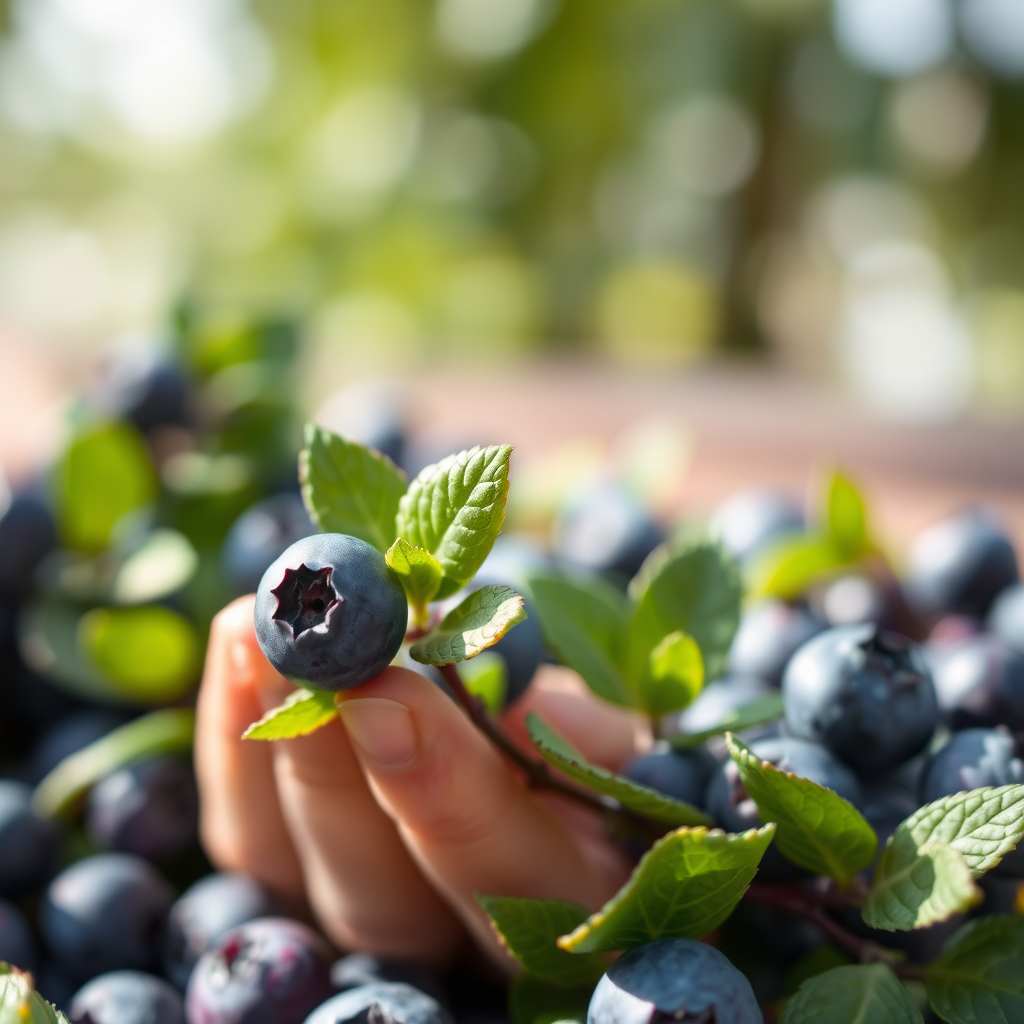
Blueberries are a delightful fruit that packs a nutritional punch despite their relatively low calorie count. A one-cup serving contains approximately 85 calories, making them a light addition to any dish. However, it’s important to note that they contain about 21 grams of carbohydrates per cup. Within this carbohydrate content, blueberries include roughly 3.6 grams of dietary fiber. Fiber is crucial because it helps to mitigate the impact of carbohydrates on blood sugar levels, effectively reducing the net carb count.
When calculating net carbs, which are the carbohydrates that affect blood sugar, it’s essential to subtract fiber from total carbohydrates. This means that a cup of blueberries essentially contributes around 17.4 grams of net carbs, which is a consideration for those adhering to strict ketogenic guidelines. To maintain a state of ketosis, most keto enthusiasts aim to keep their net carb intake between 20 to 50 grams per day, making portion control when it comes to blueberries critical.
Understanding Net Carbs
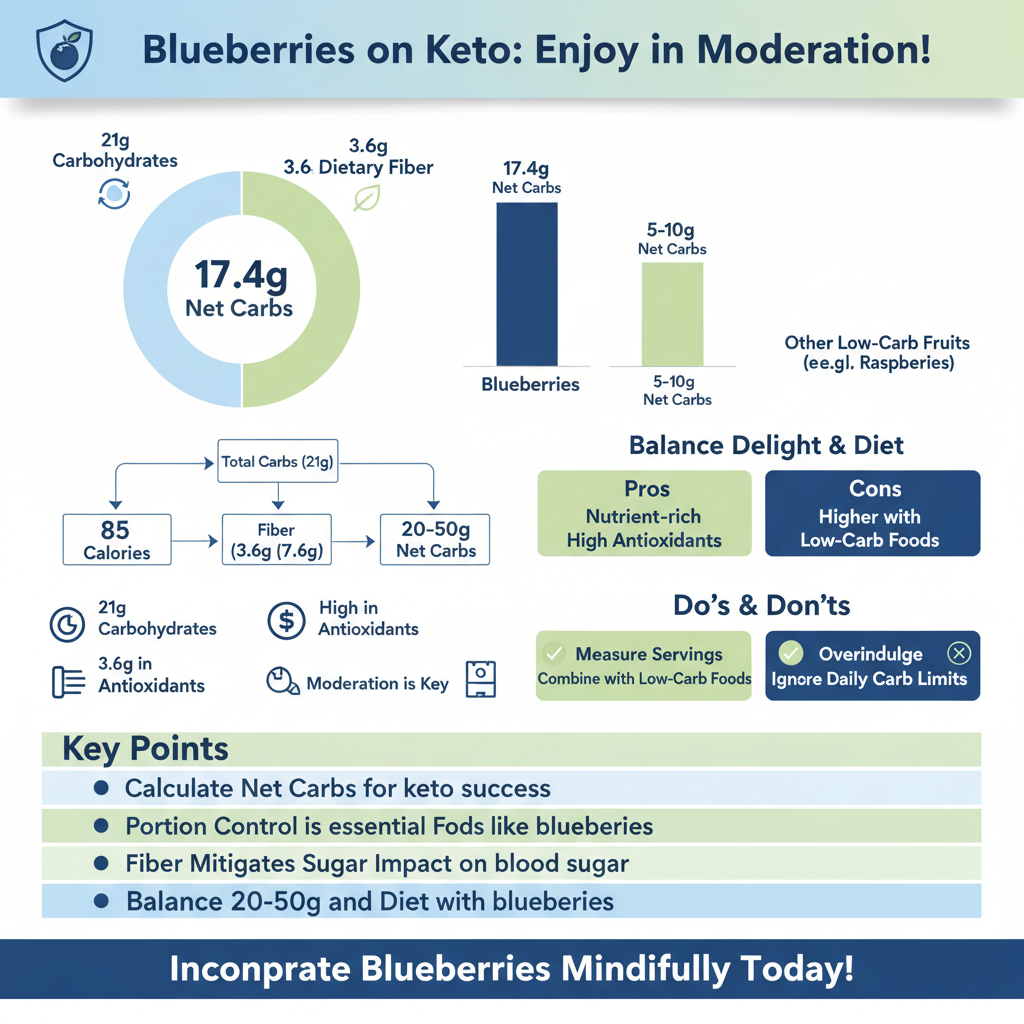

Net carbs are a vital concept for anyone following a ketogenic diet. They are determined by subtracting fiber from total carbohydrates, as fiber is indigestible and does not impact blood sugar levels. This calculation simplifies the approach to carb intake, allowing for more flexibility when choosing foods.
For example, if you consume a cup of blueberries with 21 grams of carbohydrates and 3.6 grams of fiber, you end up with approximately 17.4 grams of net carbs. This figure is significant because it helps keto dieters strategize their meals. By keeping daily net carbs below the 20 to 50 grams threshold, one can effectively maintain ketosis, which is the metabolic state that promotes fat burning. Understanding and calculating net carbs enables individuals to enjoy nutrient-rich foods like blueberries while adhering to their dietary goals.
Health Benefits of Blueberries
Blueberries are not just tasty; they are also chock-full of health benefits that contribute to overall wellness. One of the most notable features of blueberries is their high antioxidant content, specifically anthocyanins, which give them their vibrant blue hue. These antioxidants help combat oxidative stress and reduce inflammation in the body, which can be beneficial for heart health and may lower the risk of chronic diseases.
In addition to antioxidants, blueberries are a great source of essential vitamins and minerals. They provide vitamin C, which is crucial for immune function, skin health, and collagen synthesis. Additionally, blueberries contain vitamin K, which plays a vital role in blood clotting and bone health. The combination of antioxidants, vitamins, and fiber makes blueberries a superfood that can complement a balanced keto diet.
Portion Control: How Much to Eat
When incorporating blueberries into a ketogenic diet, portion control is essential to avoid unintentional carb overload. A typical serving size for blueberries is around ¼ to ½ cup, which provides a balance of taste and nutrition without significantly impacting your daily carb limit. Measuring your portions can be an effective strategy to ensure you remain within your desired carbohydrate range.
For instance, a ¼ cup serving of blueberries contains approximately 4.35 grams of net carbs, while a ½ cup serving will yield about 8.7 grams of net carbs. By being mindful of these serving sizes, you can still enjoy the flavor and health benefits of blueberries without derailing your keto progress. Utilizing measuring cups or a food scale can help maintain your portion sizes accurately, encouraging a mindful approach to eating.
Alternatives to Blueberries
If you’re seeking lower-carb alternatives to blueberries, you have several options that can still satisfy your fruit cravings while adhering to keto guidelines. Berries like raspberries and strawberries are excellent substitutes. For instance, raspberries contain only about 7 grams of net carbs per cup, while strawberries offer around 8 grams of net carbs for the same serving size. Both options are rich in vitamins and antioxidants, making them suitable for the keto lifestyle.
Additionally, you might consider fruits like blackberries, which are also low in carbs, containing roughly 6 grams of net carbs per cup. These alternatives can add variety and flavor to your diet without exceeding your carbohydrate limits, allowing for a more diverse range of meals and snacks.
Tips for Including Blueberries in Your Keto Diet
Incorporating blueberries into your keto diet can be both enjoyable and fulfilling with a bit of creativity. Here are some practical tips to help you make the most of this nutrient-dense fruit:
1. Toppings: Use blueberries as a topping for keto-friendly yogurt or pancakes. Opt for unsweetened Greek yogurt, which is low in carbs and high in protein, to create a satisfying breakfast or snack.
2. Smoothies: Blend blueberries into smoothies with low-carb ingredients such as unsweetened almond milk, spinach, and protein powder. This creates a refreshing beverage that can serve as a post-workout recovery drink or a nutritious breakfast option.
3. Baking: Consider incorporating blueberries into keto-friendly baked goods, such as muffins or bread made from almond flour or coconut flour. This allows you to enjoy the sweetness of blueberries while keeping your carb intake in check.
4. Salads: Add a handful of blueberries to salads for a burst of flavor and nutrition. Pair them with leafy greens, nuts, and a low-carb dressing for a balanced meal.
By using these tips, you can enjoy the sweet and tangy flavor of blueberries while staying within your ketogenic framework.
Incorporating blueberries into your keto diet is possible with mindful portion control and awareness of their carb content. By understanding their nutritional value and health benefits, you can enjoy this delicious fruit while staying on track with your keto goals. Start experimenting with blueberries today and discover tasty ways to include them in your meals!
Frequently Asked Questions
Can you include blueberries in a keto diet?
Yes, you can include blueberries in a keto diet, but moderation is key. Blueberries are relatively low in carbs compared to other fruits, with about 14 grams of carbohydrates per cup. However, to stay within the typical daily carb limit of 20-50 grams for a keto diet, it’s best to consume them in smaller portions, such as a handful or about ¼ cup, to enjoy their health benefits without exceeding your carb goals.
How many carbs are in a serving of blueberries?
A standard serving of blueberries, which is approximately ½ cup, contains around 10 grams of carbohydrates. For those following a strict ketogenic diet, it’s important to factor in these carbs into your daily allowance. By keeping your portion sizes controlled, you can enjoy the antioxidants and nutrients in blueberries while still adhering to your keto lifestyle.
Why are blueberries considered a good fruit option for keto dieters?
Blueberries are considered a good fruit option for keto dieters because they are packed with antioxidants, vitamins, and minerals while being lower in carbs compared to many other fruits. They offer health benefits, such as supporting heart health and reducing inflammation, making them a nutritious choice that can fit into a well-planned keto diet when consumed in moderation.
What are the best ways to incorporate blueberries into a keto meal plan?
The best ways to incorporate blueberries into a keto meal plan include adding them to smoothies, mixing them into Greek yogurt, or using them as a topping for keto-friendly pancakes or desserts. You can also make a delicious blueberry chia seed pudding or simply enjoy them fresh as a snack. Remember to keep your servings small to manage your carb intake effectively.
Which other berries can I eat on a keto diet besides blueberries?
Besides blueberries, other keto-friendly berries include raspberries, strawberries, and blackberries. These berries are lower in carbs compared to other fruits and can be enjoyed in moderation. For example, raspberries have about 7 grams of carbs per cup, making them another excellent option for adding flavor and nutrients to your keto meals without significantly impacting your carb count.
References
- https://www.healthline.com/nutrition/blueberries-and-keto
- https://www.wellnessmama.com/61163/blueberries-keto/
- https://www.dietdoctor.com/low-carb/food-list/blueberries
- https://www.ncbi.nlm.nih.gov/pmc/articles/PMC3257698/
- https://www.ncbi.nlm.nih.gov/pmc/articles/PMC6067634/
- https://www.sciencedirect.com/science/article/pii/S2211124714000260
- https://www.webmd.com/diet/obesity/what-is-keto-diet#1