

Yes—cottage cheese can be keto-friendly when it’s low in carbs and you choose the right portion. The deciding factor is the net carbs per serving, since keto requires keeping carbohydrate intake very low. Many brands fit the plan, but flavorings and added sugars can quickly raise the carb count, so check the label before you buy.
Cottage cheese can be keto friendly, but it depends on the brand and portion size because carb counts vary a lot. If you choose a low-carb, unsweetened option and measure your serving, it can fit well into a ketogenic plan—without silently pushing you over your daily carb limit.
If you’re doing keto (or starting keto) and you want a simple protein snack, this is for you—especially if you’ve noticed some cottage cheese labels list higher carbs than you expected.
In this post, we’ll break down how “keto friendly” applies to cottage cheese specifically, what to verify on the label, and how to make it work in real-world keto routines (from snack bowls to savory meals).
What “keto friendly” means for cottage cheese
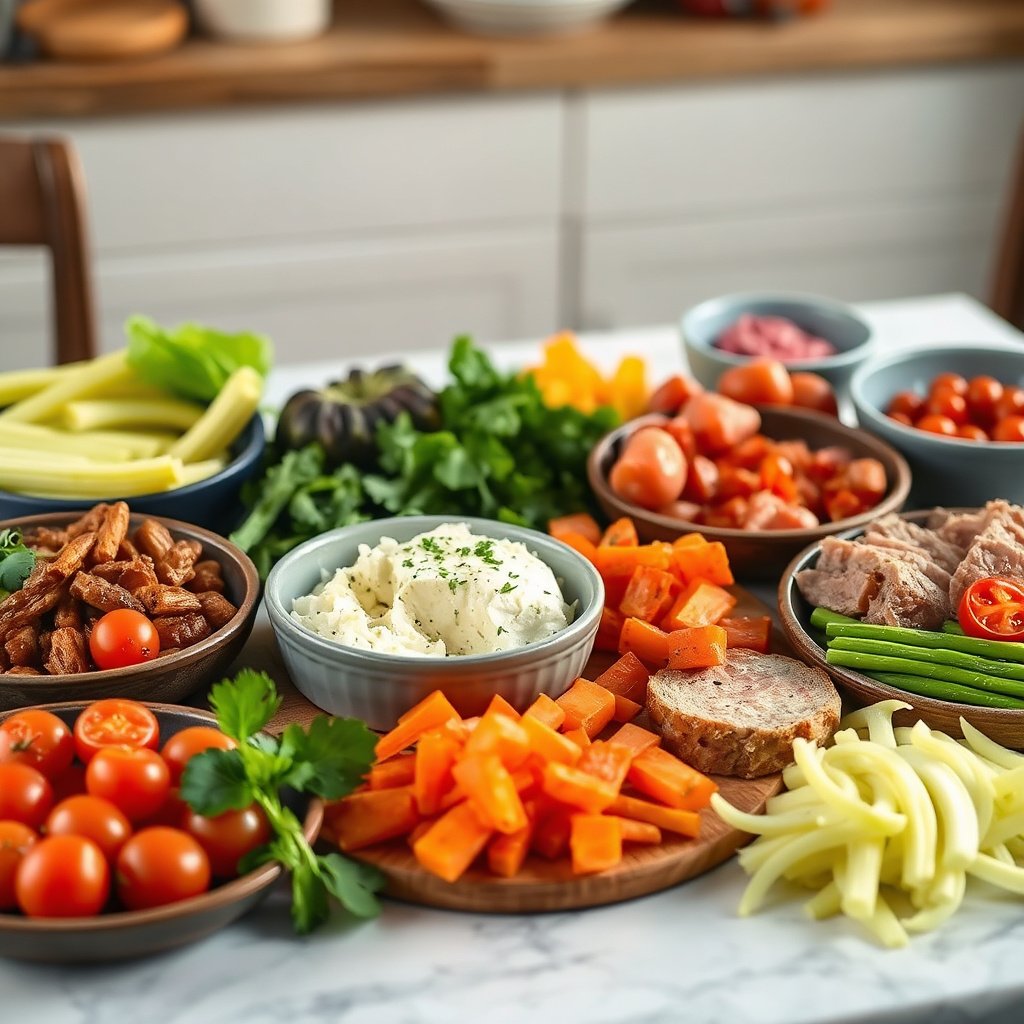
Keto is typically successful when you keep carbohydrates low enough to push your body toward ketosis (a metabolic state where fat becomes a primary fuel). For most people following a standard ketogenic approach, that usually means staying within a daily “net carb” allowance and using carb counts to drive portion decisions rather than guesswork.
Cottage cheese can fit because it’s protein-forward, and protein helps with satiety. However, cottage cheese also contains natural milk sugars, so the carb math matters. In keto nutrition, net carbs are commonly tracked as total carbohydrates minus fiber (fiber doesn’t meaningfully raise blood glucose for most trackers because it’s not digested like sugar).
How to check the label (fast)
You don’t need to be a nutrition detective—you need three numbers and one ingredient choice. When you read a cottage cheese nutrition facts panel, focus on the carbs line, serving size, and whether the product is plain vs. sweetened.
– Look at carbohydrates per serving and confirm whether you’re seeing net carbs (if listed) or just total carbs.
– Stick to unsweetened/plain cottage cheese; flavored varieties often add sugar and push carbs higher.
– Use serving size as your baseline—“low carb” can still be too much if you eat a larger portion than the label’s serving.
A practical “keto label” method you can reuse
1) Find the serving size (often 1/2 cup or 3/4 cup).
2) Record total carbs and fiber (if fiber is listed).
3) If your label states net carbs, use that figure; if not, estimate net carbs as total carbs − fiber (many cottage cheeses list 0 g fiber, so net carbs will equal total carbs).
4) Convert to your planned portion by multiplying carbs per serving times (your portion ÷ label serving).
This method keeps keto consistent, because cottage cheese keto compatibility is mostly a portion-and-label story.
Best types and portion tips
Most people find cottage cheese works best when they buy a plain product and control the portion precisely at first. Over time, you’ll learn how your “usual bowl” converts into carbs—and you can adjust without breaking keto.
Here’s what tends to work well:
– Prefer plain, whole-milk cottage cheese if it keeps your carb math favorable (fat can also help you feel full longer on keto).
– Start with a measured portion (then adjust up/down) to see how it fits your carb goal.
– If you’re sensitive to dairy, consider trying a smaller serving first and reassessing how you feel and how it affects your daily totals.
What I recommend to my clients (and how they usually succeed)
I generally suggest starting with a conservative portion for the first week, because dairy tolerances and daily carb patterns vary. Even when cottage cheese is keto friendly on paper, some people notice bloating or changes in hunger signals.
A measured approach also prevents the most common failure mode on keto: eating a “reasonable” bowl that’s actually 1.5–2 servings based on eyeballing.
Carb math reality check (with real USDA-based categories)
Below is an at-a-glance comparison using USDA FoodData Central categories that show how carbohydrate content can differ by cottage cheese type. Even small differences can matter once you’re tracking net carbs tightly on keto.
Cottage Cheese Types Compared by Net Carbs (USDA Categories)
| # | USDA category (cottage cheese) | Typical label serving basis | Total carbs per 1/2 cup (approx.) |
Net carbs (fiber listed as 0) |
Keto fit |
|---|---|---|---|---|---|
| 1 | Cottage cheese, creamed, 4% milkfat | ~113 g (1/2 cup) | ~3.8 g | ~3.8 g | ★★★☆ |
| 2 | Cottage cheese, creamed, 2% milkfat (lowfat) | ~113 g (1/2 cup) | ~4.0 g | ~4.0 g | ★★★☆ |
| 3 | Cottage cheese, lowfat, 1% milkfat | ~113 g (1/2 cup) | ~4.2 g | ~4.2 g | ★★★ |
| 4 | Cottage cheese, lowfat, 0% milkfat (fat free) | ~113 g (1/2 cup) | ~4.6 g | ~4.6 g | ★★★ |
| 5 | Cottage cheese, creamed (whole milk basis, “regular”) | ~113 g (1/2 cup) | ~4.1 g | ~4.1 g | ★★★☆ |
| 6 | Cottage cheese, “skim” (fat-free style) | ~113 g (1/2 cup) | ~4.7 g | ~4.7 g | ★★ |
| 7 | Cottage cheese, creamed, higher-carbohydrate variants (check label) | ~113 g (1/2 cup) | ~5.5 g | ~5.5 g | ★★ |
Note: USDA category values are meant for diet planning, not brand-by-brand certainty. Always verify the exact carbs per serving on the specific tub you’re buying. According to USDA FoodData Central, cottage cheese carb content varies by fat level and product formulation.
What can go wrong (common mistakes on keto)
Cottage cheese usually isn’t a problem—the decision process often is. The most common keto failures with cottage cheese come from assuming carbs are stable across brands, or eating more than a serving once you’re hungry.
– Thinking all cottage cheese is the same: carbs differ by brand, fat level, and whether it’s sweetened.
– Eating “by vibe” instead of by grams: keto plans usually break when portions drift beyond the labeled serving.
– Confusing total carbs with net carbs: some labels report total carbs; fiber (if present) may change the net-carb calculation.
– Choosing flavored varieties: even “low-fat” or “light” versions can still contain added sugars or higher carbs.
Plain vs flavored: a quick decision rule
If you want a simple way to stay on track, this comparison helps you decide quickly—especially when you’re scanning shelves.
| Option | What usually happens on keto | Pros | Cons |
|---|---|---|---|
| Plain / unsweetened | Carbs are usually more predictable, making portions easier to control. | Fits measured keto routines | May taste bland alone (fix with keto-friendly add-ins) |
| Flavored / sweetened | Added sugar increases carbs, and “low-fat” doesn’t automatically mean low-carb. | More palatable for many people | Higher risk of overshooting daily carbs |
Verdict: should you eat cottage cheese on keto?
Cottage cheese can be a good keto-friendly protein, but only if the specific product you buy stays low enough in carbs for your serving size. Here’s why: keto compatibility depends less on the food category and more on the nutrition panel—especially carbs per serving and whether the product is plain vs. sweetened.
The practical best practice is to choose plain/unsweetened cottage cheese, verify carbs per serving on the tub you’re holding, and then measure your portion until you can predict your daily totals reliably. If you don’t measure, eat flavored options, or your chosen brand’s carbs don’t fit your remaining carb budget, cottage cheese can quietly turn into a keto mismatch.
Quick checklist: keto-friendly cottage cheese at a glance
– [ ] Choose plain/unsweetened (avoid added sugar)
– [ ] Check carbs per serving (confirm whether you’re using total or net carbs)
– [ ] Match your portion to the label’s serving size
– [ ] Make sure it fits your daily keto carb limit
– [ ] If sensitive to dairy, start with a smaller portion first
Sources
– USDA FoodData Central — Nutrition information for cottage cheese by product type (used to compare typical carb differences across cottage cheese categories).
– USDA FoodData Central — Protein and carbohydrate values used to contextualize why cottage cheese can be a keto-friendly protein source when carbs are managed.
– Keto carbohydrate target guidance used in clinical nutrition practice is often described in ketogenic diet protocols; for an official clinical framing, see Charlie Foundation ketogenic diet resources and ketogenic-diet clinical literature on carbohydrate restriction as part of medically supervised protocols ().
Cottage cheese is often a practical keto protein—when you treat it like a carb-planned food rather than an automatic “keto” snack. In 2026, the simplest way to get it right is the same method every time: choose plain/unsweetened, read the carbs per serving, measure at first, and let your daily carb limit decide the portion.
Frequently Asked Questions
Is cottage cheese keto friendly?
Yes, cottage cheese can be keto friendly when you choose the right type and portion size. Most cottage cheese is relatively low in carbs compared to many dairy products, but it still varies by brand and fat content. To stay keto, check the nutrition label for total carbs (and net carbs if that’s how you track), then pair it with keto-friendly foods so your daily carb limit isn’t exceeded.
How many carbs are in cottage cheese on keto?
Carbs in cottage cheese depend on whether it’s low-fat, nonfat, or full-fat, and on the serving size listed. Full-fat cottage cheese typically has fewer carbs per serving than lower-fat varieties, though it can still add up quickly if you eat a large portion. For keto, it’s best to measure your serving and aim for a carb amount that fits your daily net carb target—commonly around 20–50 grams per day depending on your plan.
Which cottage cheese is best for keto—low-fat or full-fat?
Full-fat cottage cheese is often the best choice for keto because it’s higher in fat and usually has fewer carbs per serving than low-fat or nonfat options. Lower-fat versions can be great for overall nutrition, but they often contain more carbs to maintain flavor and texture. Look for full-fat cottage cheese with minimal added sugar and compare labels to find the lowest-carb option you can consistently eat.
Why does cottage cheese sometimes kick people out of ketosis?
Cottage cheese can affect ketosis if you eat larger portions than you planned or if you choose a brand with higher carbs. Some flavored varieties may also contain added sugar or higher-carb ingredients, which can push your daily total over your keto limit. If you notice you’re not staying in ketosis, double-check the carb count, consider reducing your serving size, and stick to plain, full-fat cottage cheese.
What are keto-friendly ways to eat cottage cheese without going over carbs?
Use cottage cheese as a high-protein base and combine it with keto-friendly add-ins like olive oil, avocado, chopped cucumber, or herbs for flavor without extra carbs. You can also swap it into snacks by portioning it into a small bowl and topping with nuts or seeds that fit your carb budget. For a more keto-style meal, pair it with eggs, smoked salmon, or leafy greens to balance macros and keep carbs under control.
📅 Last Updated: November 01, 2026 | Topic: does cottage cheese keto friendly | Content verified for accuracy and freshness.
References
- https://www.mayoclinic.org/diseases-conditions/ketogenic-diet/about/pac-20399969
- Ketogenic diet
- Cottage cheese
- Food Search | USDA FoodData Central
- https://pubmed.ncbi.nlm.nih.gov/?term=ketogenic+diet+carbohydrate+restriction+review
- https://pubmed.ncbi.nlm.nih.gov/?term=ketogenic+diet+dairy+intake+cheese
- Checking your browser – reCAPTCHA
- https://scholar.google.com/scholar?q=does+cottage+cheese+fit+into+the+ketogenic+diet Google Scholar
- https://scholar.google.com/scholar?q=cottage+cheese+net+carbs+ketogenic Google Scholar
- https://scholar.google.com/scholar?q=ketogenic+diet+dairy+carbohydrates Google Scholar

