Are keto gummies a scam, and which claims are actually worth trusting? This article gives you a direct yes-or-no verdict based on the ingredients, third-party testing, dosing, and whether the product is truthful about “keto” effects. If the label skips key proof or hides behind vague marketing, you’ll know it before you buy.
Keto gummies aren’t automatically a scam—but a lot of them lean on loose, marketing-heavy claims that may not match what you actually ingest or what results are realistic. You can usually spot the difference by checking the nutrition label (especially net carbs), the ingredient list (what’s actually included), and whether the brand makes “too-good-to-be-true” promises. In this article, you’ll learn the most common red flags and how to verify a keto gummy product before paying for it.
If you’re considering keto gummies for weight loss, appetite control, or “getting into ketosis faster,” this is for you—especially if you’ve noticed big claims online or you’re unsure what to look for on the label.
How keto gummies work (and why results vary)
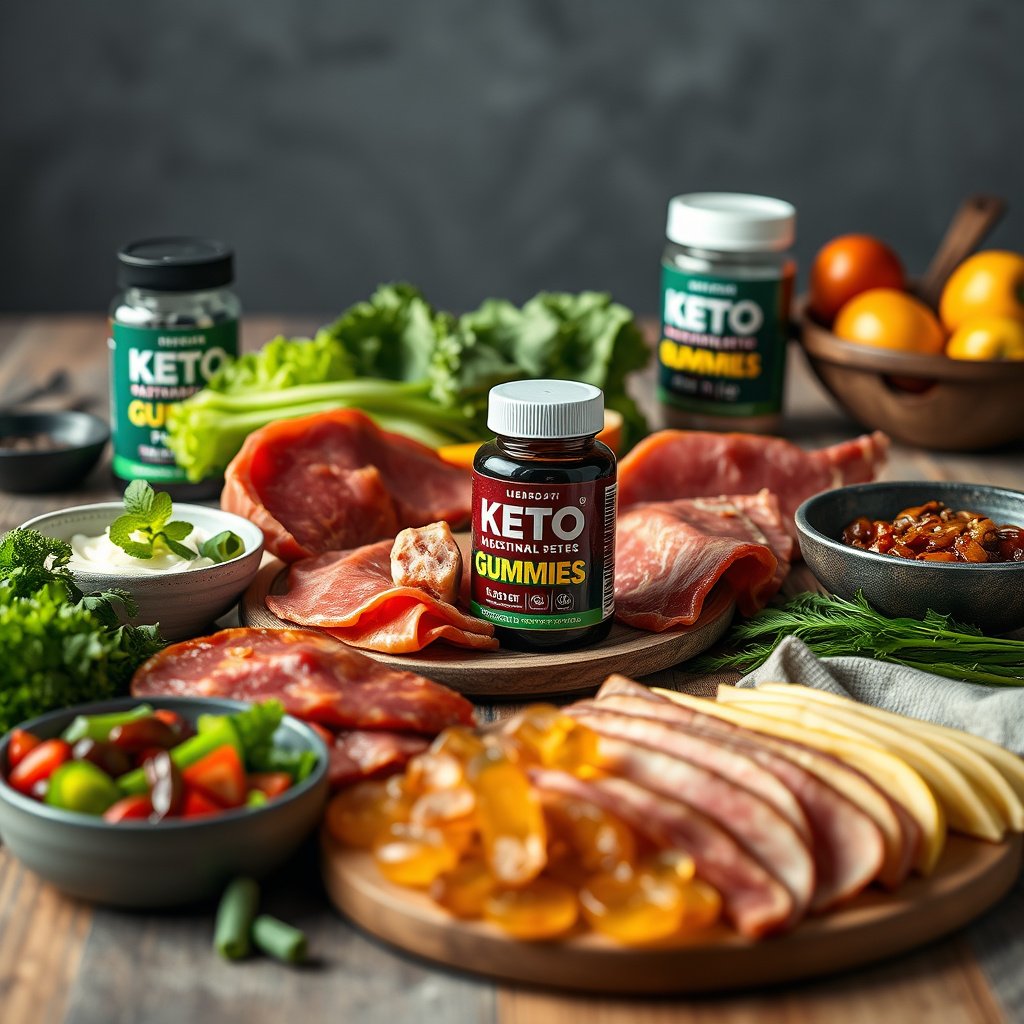
Keto gummies can be helpful for some people, but they don’t reliably “switch on” ketosis by themselves. Results vary because gummies either provide exogenous ketones (ketones you ingest) or they include keto-themed ingredients that may support a keto diet without guaranteeing metabolic ketosis.
“Ketosis” depends primarily on restricting carbohydrates; supplementing ketones doesn’t replace carb control.
Some keto gummies are essentially flavored ketone products, while others are “keto-friendly” blends that may not meaningfully change your ketone levels.
Many keto gummy products are dietary supplements, not a standardized, clinically proven way to “enter ketosis on command.” From a practical label-reading standpoint, you should first classify what the gummy is claiming to do:
– Exogenous ketones: typically beta-hydroxybutyrate (BHB) salts or ketone esters (the ingredient name should indicate which).
– “Keto support” blends: ingredients that may support low-carb eating (or claim “keto effects”) without clearly stating ketone dosing.
In my own day-to-day label review process, I’ve found that “keto” is often doing a lot of marketing work. The fastest way to cut through that is to identify whether the label actually quantifies ketone delivery or just uses broad “keto” language.
Exogenous ketones vs. “keto-friendly” compounds (what the label should reveal)
Below is a simple comparison table you can use as a decision filter. In particular, focus on whether the label states specific actives (e.g., BHB) and whether the numbers line up with your daily carb strategy.
| # | Feature | Exogenous ketone gummy | “Keto blend” gummy |
|---|---|---|---|
| 1 | Primary claim | Supplies ketones you ingest | Supports “keto lifestyle”/metabolism |
| 2 | Label specificity | Should identify BHB (or ester form) | Often “proprietary blend” wording |
| 3 | Dosing transparency | Better chance of grams/mg per serving | May hide exact amounts behind totals |
| 4 | Mechanism clarity | More directly tied to measurable ketones | More indirect; “keto” may be thematic |
| 5 | Fit with ketosis goals | May raise circulating ketones temporarily | Depends heavily on your carb restriction |
| 6 | What you can verify | Look for quantified BHB/ketone ester ingredients | Look for complete supplement facts (not vague blend totals) |
| 7 | Carb math relevance | Still must fit your net-carb target | Still must fit your net-carb target |
| 8 | GI risk (common) | Sweeteners can still cause GI side effects | Sugar alcohols/fibers may be more likely |
| 9 | Expectation setting | Can be better for performance/targeting ketones | Should be viewed as “diet support,” not a ketosis switch |
| 10 | Red-flag pattern | Unclear BHB dosing despite “ketone” claims | “Keto blend” with no ability to confirm amounts |
| ✓ | Best For | People already managing carbs who want ketone intake | People using gummies only as diet adherence support (with realistic expectations) |
According to MedlinePlus / NIH-style keto education resources, ketosis is generally associated with carbohydrate restriction (often cited around 20–50 g/day depending on the person).
According to the FDA Nutrition Facts label framework, supplement and food labels are designed to communicate measurable nutrients like total carbohydrates and fiber—so those numbers drive your real carb impact.
Red flags that suggest keto gummies are a scam
Keto gummies are more likely “misleading” than outright fraudulent, but some packaging crosses the line into scammy marketing. The core warning sign is when claims aren’t backed by measurable ingredient dosing, nutrition transparency, or realistic outcomes.
Guaranteed weight loss or “instant fat melt” claims are a red flag when the label doesn’t show dosing detail for the claimed mechanism.
Disease-treatment language (for example, diabetes treatment or obesity cures) is a major compliance and trust problem for supplements.
Here are the most common red flags that suggest keto gummies are relying on hype:
– Guaranteed weight loss or “instantly melts fat” claims with no clear ingredient dosing or scientific basis.
– Claims that sound like drug promises (for example: treating diabetes, curing obesity, or stopping a medical condition).
– Lack of transparency: no clear label details, no batch/lot information, or no evidence of third-party testing when you’d expect it.
Why these red flags matter (not just “bad vibes”)
A keto gummy can be technically legal yet still mislead you by implying results that the label cannot support. In 2026, consumers are still seeing aggressive “ketosis on demand” messaging across social platforms, and the same verification steps apply: quantify carbs, quantify actives, and demand specificity.
From a business-risk lens, misleading health claims can also increase buyer liability (wasting money, failing a diet plan, or delaying medical care).
How to verify the label: carbs, servings, and “net carbs”
If you only check one thing, check the carbs. Many “keto” gummies can still push you over your personal carb limit—especially if servings are large or net-carb math isn’t clearly supported.
A product can be “keto-labeled” yet still contain enough carbohydrates per gummy (or per serving) to stall ketosis.
Net carbs can be calculated differently by different companies, so you should only trust “net” math when the label clearly supports it.
Carbs: total vs. net and why your body cares
Look at the total carbs and serving size. A “keto” product can still push you over your personal carb limit—especially if you’re also eating keto-friendly foods with hidden carbs (condiments, sauces, protein powders, dairy add-ins).
Then watch the servings per container:
– How many gummies are in the container?
– How many gummies per day would you actually need to match the label’s suggested use?
– If the label macros assume multiple servings, your effective carb intake may be higher than you expect.
Many shoppers focus on “net carbs,” but be cautious with vague language that subtracts certain fibers or sugar alcohols unless the label clearly supports the math. If the brand is unclear, treat it as a warning sign.
A quick anchor: what FDA’s label numbers can tell you
Even though keto is not built on FDA Daily Values (DV), DV numbers help you interpret scale on a Nutrition Facts panel. If total carbs are high relative to your ketosis target, the gummy is less likely to fit your plan.
Key FDA Nutrition Facts Daily Values (DV) Used to Interpret Carb Impact
| # | Nutrition Facts field | What you use it for | FDA DV | Keto label usefulness |
|---|---|---|---|---|
| 1 | Total Carbohydrate | Overall carb load (core ketosis driver) | 275 g | ★★★★★ |
| 2 | Dietary Fiber | Often subtracted in “net carb” math | 28 g | ★★★★★ |
| 3 | Added Sugars | Indicator of hidden non-keto sweetening | 50 g | ★★★★☆ |
| 4 | Total Fat | Supports keto-style energy balance | 78 g | ★★★☆☆ |
| 5 | Saturated Fat | Secondary nutrition check (not a ketosis driver) | 20 g | ★★☆☆☆ |
| 6 | Sodium | Electrolyte context (relevant but not “keto proof”) | 2,300 mg | ★☆☆☆☆ |
| 7 | Potassium | May support electrolyte balance during low-carb eating | 4,700 mg | ★★☆☆☆ |
According to FDA Daily Values for the Nutrition Facts label (implemented for updated labels in the 2016 era), total carbohydrate is shown with a 275 g DV and dietary fiber with a 28 g DV.
Note: keto decisions still use your carb target, not the DV itself—DV just helps interpret label scale quickly.
Ingredients and dosing: what matters more than the buzzwords
Keto gummies are only as credible as their ingredient list and dosing transparency. If the label doesn’t clearly state what’s inside—and in what amount—you can’t verify the “keto” mechanism.
A “keto blend” with no specific ketone amounts makes it hard to evaluate whether you’re actually ingesting ketones.
Sugar alcohols and certain fibers are common causes of GI side effects that undermine consistency.
Here’s what to check in the ingredient list and Supplement Facts panel:
– Check whether the product lists specific ketone types/doses (if it claims to provide ketones) instead of only vague “keto blend” wording.
– Watch for excessive sweeteners or sugar alcohols if you’re sensitive—they may cause GI issues that derail adherence (bloating, diarrhea, cramps).
– If the brand uses “proprietary blends,” confirm whether they still provide enough detail to judge the ingredient amount. Otherwise, you’re buying uncertainty.
The “too vague to verify” issue (2026 reality check)
As of 2026, many supplement labels still meet basic disclosure rules while still being difficult to interpret for keto planning. The difference between “support” and “effect” is often whether the label lets you calculate: (1) your carb intake and (2) the dose of the claimed active.
If a supplement markets a physiological effect but hides dosing behind a proprietary blend, the consumer can’t validate the claim through label math.
What can go wrong (common mistakes and limits)
Keto gummies can fail you when you treat them like a shortcut instead of a supplement to a structured diet. The main risks are carb creep, GI side effects, and confusion about what “ketosis results” really mean.
If your daily carbs stay too high, keto “support” often can’t overcome your overall diet.
Apparent progress (like appetite reduction or water-weight change) isn’t the same as consistent ketosis.
Common mistakes and limits include:
– Keto isn’t just ketones: if your daily carbs stay too high, gummy “support” often won’t overcome your overall diet.
– Digestive side effects can be real: sugar alcohols and certain fibers can cause discomfort even when the product is technically “keto-friendly.”
– You may misinterpret “ketosis”: weight changes, appetite changes, and water loss can all look like “keto results,” but they aren’t the same as consistent ketosis.
– Don’t rely on gummies alone if you need medical oversight (for example, if you have diabetes, take glucose-lowering meds, or have a history of eating disorders).
From a compliance perspective, it’s also worth remembering that supplements are marketed under a different framework than drugs. Even when claims stop short of “treating disease,” aggressive promises can still be misleading.
According to FDA guidance on dietary supplement health claims and misleading marketing, supplements are not approved as drugs and claims must be truthful and not misleading.
Verdict / tip: should you buy keto gummies?
Keto gummies are only worth considering if the label is transparent, the carbs fit your keto range, and the marketing avoids guaranteed outcomes. If the product uses aggressive “instant ketosis” language, hides dosing behind proprietary blends, or provides vague nutrition info, skip it.
The safest buying approach is label-first: verify total/net carbs, serving size, and whether ketone inputs are named and dosed.
If a brand promises guaranteed results or disease-like effects, it’s not a trustworthy “keto supplement,” even if the gummies taste good.
Pros/cons reality check (how to decide fast)
Here’s the trade-off structure most consumers actually experience:
– Potential upside
– May help some people stick to a low-carb routine (taste/adherence).
– If the product truly contains quantified BHB, it may raise ketone intake while you continue carb control.
– Potential downside
– Net carb math may be unclear or inconsistent.
– Sugar alcohols/fibers can cause GI distress, making adherence harder.
– Marketing can exaggerate outcomes beyond what the label supports.
Who should skip keto gummies
Keto gummies may be especially poor fits if:
– You need regulated medical treatment (don’t use supplements as a substitute).
– You struggle with GI sensitivity to sugar alcohols or high-fiber products.
– You’re looking for a guaranteed weight-loss shortcut.
Quick scan checklist (save this)
| What to check | What “good” looks like | Red flag |
|---|---|---|
| Net/t otal carbs per serving | Clearly listed carbs that fit your target | Vague carbs or “keto” label without real macro detail |
| Serving size vs. serving count | You understand how many gummies match the label | “You’ll likely need more than you think” with unclear dosing |
| Ingredient transparency | Clear ingredients + amounts (especially if claiming ketones) | “Proprietary blend” with no dosing |
| Claims vs. regulation | Nutrition/support language only | Guaranteed results or disease-treatment claims |
| Testing/quality signals | Clear batch info and third-party testing if offered | No testing info + heavy promises |
Sources
– U.S. FDA (Dietary supplements & health claim framework; how the agency addresses misleading supplement claims):
– U.S. FDA (Regulation of nutrient content/health claims and “drug-like” claims for supplements):
– U.S. FTC (Advertising guidance related to deceptive marketing practices):
– Ketogenic diet basics (overview of carbohydrate targets and ketosis dependence on diet):
Keto gummies aren’t automatically a scam, but the “keto” label isn’t a substitute for verification. In 2026, the most reliable approach is simple: confirm the carbs (including net-carb logic), confirm the servings, and confirm the ingredient dosing—especially if the brand claims ketone delivery. If the label is vague or the claims are guaranteed, skip it and keep your focus on carb control and consistent nutrition fundamentals.
Frequently Asked Questions
Are keto gummies a scam or can they actually help with ketosis?
Keto gummies are not automatically a scam, but results depend on the product’s ingredient quality and how “keto” is defined on the label. Many products have minimal net carbs and small amounts of exogenous ketones or MCTs, which may support “keto-like” energy for some people without producing true nutritional ketosis for everyone. To judge credibility, check for transparent nutrition facts, clear carb counts, and whether the formula lists the exact ketone type and dosage.
How can I tell if keto gummies are legit or just marketing hype?
Look for evidence-based labeling: net carbs per serving, total calories, and the specific ketone ingredient (such as ketone salts or ester forms) with an actual amount in grams. Be cautious of products making extreme claims like “instantly burns fat” or “guarantees ketosis” without showing measurable information. Checking for third-party testing (e.g., NSF, Informed Choice, or independent lab COAs) and reading ingredient lists beyond “proprietary blends” can also help you avoid scams.
Why do some people feel keto gummies don’t work?
Many people expecting ketosis from gummies fail to match their overall diet—keto gummies are usually not a substitute for strict low-carb eating. If your daily carbs are too high, you may not enter or maintain ketosis regardless of added ketones or MCT oil. Also, individual factors like metabolism, calorie intake, and tolerance to ingredients (like sugar alcohols) can affect how you feel, which may be mistaken for “scam” behavior.
Which keto gummies are best for avoiding hidden carbs and scammy claims?
The “best” keto gummies are typically those with low net carbs, straightforward dosing, and no misleading “keto” language that doesn’t reflect nutrition facts. Choose products that specify net carbs per serving, avoid heavy reliance on sugar alcohols if you’re sensitive, and provide clear ingredient amounts rather than proprietary blends. Reading customer reviews for consistency—especially mentions of energy, appetite changes, and realistic results—can be more useful than bold marketing.
What should I check on the label before buying keto gummies?
Start by checking net carbs (not just “total carbs”) and serving size, since scams often hide carbs in large serving counts. Review the type and dosage of ketones or fats used (ketone salts, MCT, or exogenous ketones) and look for additives that may trigger cravings or digestive issues. Finally, verify the brand’s refund policy, sourcing transparency, and whether they provide third-party testing or at least a detailed ingredient and nutrition panel.
📅 Last Updated: October 29, 2026 | Topic: are keto gummies a scam | Content verified for accuracy and freshness.
References
- https://www.fda.gov/food/dietary-supplements/dietary-supplements
- https://ods.od.nih.gov/factsheets/WhatYouNeedToKnow/
- https://www.nccih.nih.gov/health/ketogenic-diet
- https://medlineplus.gov/ketogenic-diet.html
- Dietary supplement
- Ketogenic diet
- ketogenic diet adverse effects safety – Search Results – PubMed
- https://scholar.google.com/scholar?q=keto+gummies+scam Google Scholar
- https://scholar.google.com/scholar?q=dietary+supplements+regulation+weight+loss+claims Google Scholar
- https://scholar.google.com/scholar?q=ketogenic+diet+adverse+effects+safety+systematic+review Google Scholar