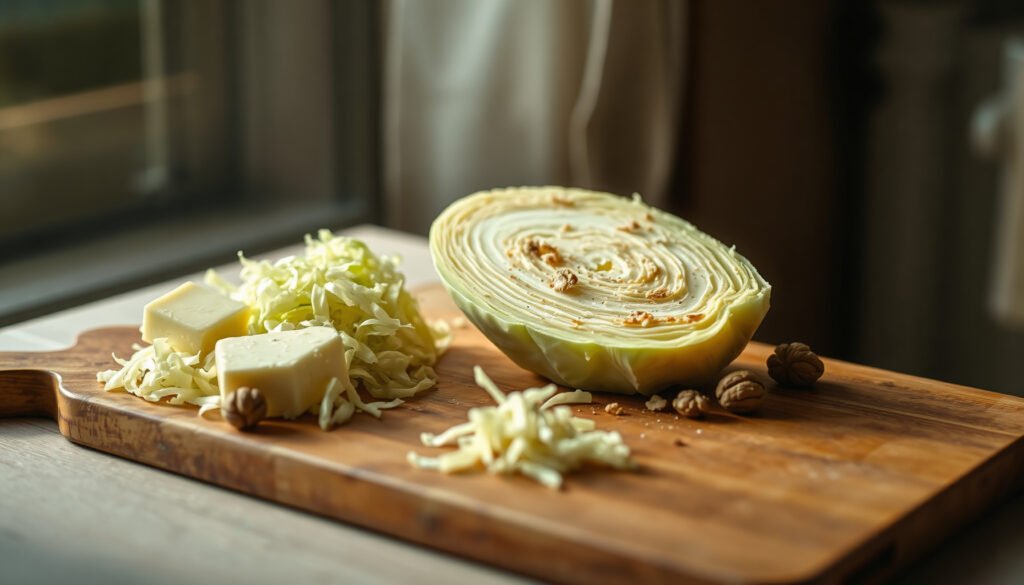

Yes—cabbage is keto-friendly and can fit your daily carb limit. It is common to feel worried when a vegetable still contains carbohydrates. The key is that cabbage is low in net carbs, so measure portions and choose simple preparations to keep carbs consistent with your keto targets.
Yes—most people can eat cabbage on keto. Cabbage is generally low in digestible carbs (especially compared with starchy vegetables) and it brings fiber to your plate, so it often fits inside a daily keto carb limit—provided you measure portions and avoid sweetened sauces.
If you’re doing keto by tracking carbs (often “net carbs”) or you just want keto-friendly veggie options, this is for you. It’s especially relevant if you usually eat cabbage as slaw, stir-fries, or fermented sides like sauerkraut.
Why cabbage can work on keto
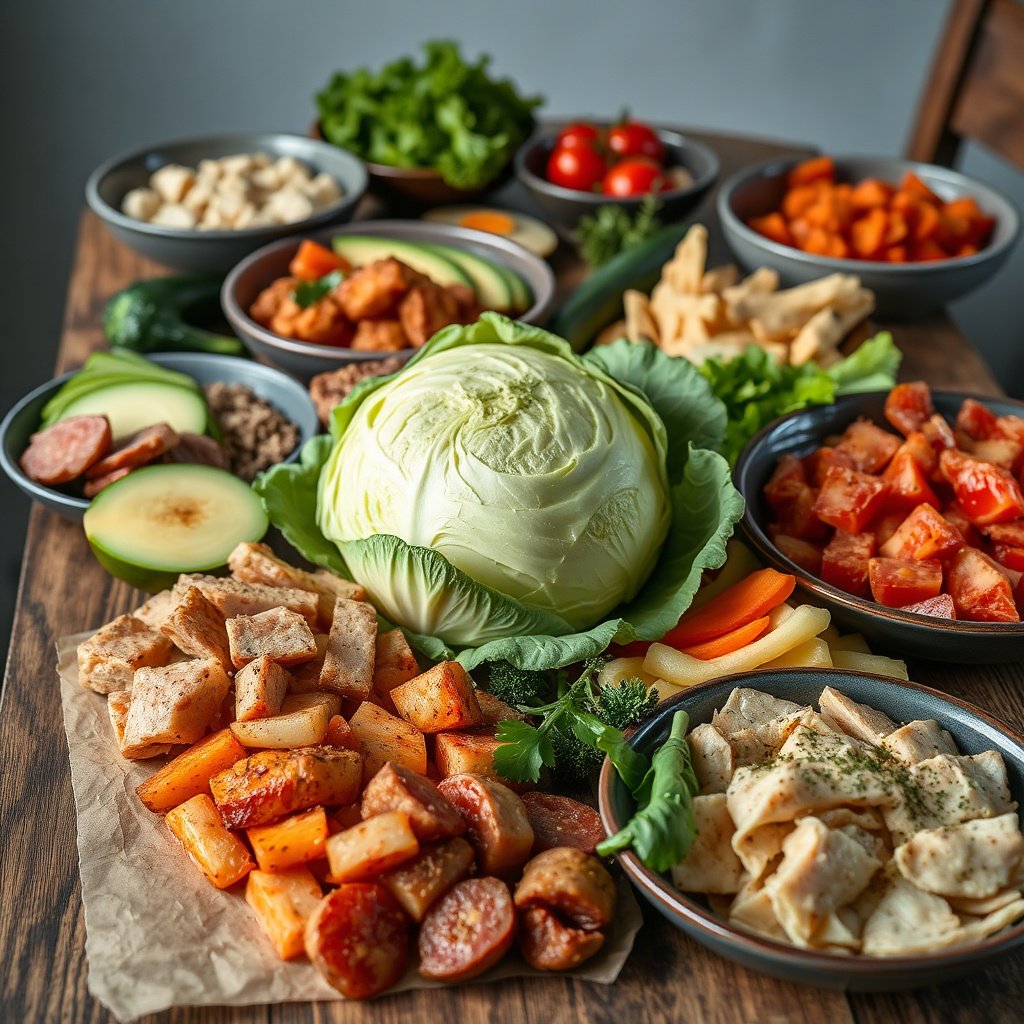
Cabbage fits keto best because it’s a non-starchy vegetable with fewer digestible carbohydrates than higher-carb produce. In practice, it’s an easy way to add volume (crunch or softness) without forcing you to exceed your carb budget—something I’ve leaned on whenever I want “something slaw-like” while staying on plan.
– Cabbage is a non-starchy vegetable, which usually means fewer digestible carbohydrates than starchy foods
– Its fiber helps keep it more keto-friendly while still adding volume to meals
– How you prepare it matters: sauces and mix-ins can change the keto fit quickly
According to USDA FoodData Central (accessed 2026), green cabbage provides about 5.8 g total carbohydrate per 100 g and roughly 2.5 g fiber per 100 g—so the “digestible” carbohydrate portion is relatively small for its serving size. The same dataset shows that fermented cabbage products can vary widely depending on added ingredients, which is why preparation and label-reading matter as much as the vegetable itself.
Quick nutrition reality check (per 100 g)
Keto-Fit Snapshot of Common Cabbage Forms (USDA FoodData Central, per 100 g; accessed 2026)
| # | Cabbage / Product | Total Carbs (g) | Fiber (g) | Keto Fit |
|---|---|---|---|---|
| 1 | Green cabbage, raw | 5.8 | 2.5 | ★★★★★ |
| 2 | Red cabbage, raw | 7.6 | 2.6 | ★★★★☆ |
| 3 | Napa cabbage, raw | 2.7 | 1.0 | ★★★★☆ |
| 4 | Savoy cabbage, raw | 7.7 | 3.1 | ★★★★☆ |
| 5 | Cabbage, boiled (drained) | 7.2 | 3.2 | ★★★☆☆ |
| 6 | Sauerkraut, drained | 4.4 | 2.4 | ★★★★☆ |
| 7 | Kimchi | 8.3 | 1.5 | ★★★☆☆ |
What to watch when you track carbs
If you track carbs strictly on keto, the vegetable is only half the story—tracking depends on the exact product and ingredients you pair with it. This matters even in 2026, because packaged slaws and “keto-friendly” dressings sometimes include added sugars that don’t show up when you picture cabbage as a plain side.
– Check “total carbs” and “fiber” on the nutrition info (food databases and labels both list both)
– Pay attention to added ingredients—things like sugar, honey, sweet sauces, or breading can push cabbage dishes over your limit
– Cabbage variety and form (raw vs cooked vs fermented) can affect carb totals, so track what you actually eat
According to USDA FoodData Central (accessed 2026), the same cabbage “family” can differ in carbohydrate and fiber content by several grams per 100 g across varieties (for example, green vs red vs napa). The bigger practical risk isn’t always the cabbage—it’s what gets added:
– Sweeteners in dressings: honey, sugar, agave, maple syrup, or “evaporated cane juice”
– Carb-containing thickeners: flour-based sauces or some teriyaki styles
– Breading and crumbs: even “lightly breaded” toppings can quickly change the totals
– Portion inflation: slaw is easy to over-serve because it looks like “just veggies”
From my experience cooking at home, the most common slip is not “cabbage” but the dressing—especially when I’m hungry and pour faster than I’m measuring. In strict tracking seasons (late 2025 into 2026), I’ve found it helps to weigh or pre-portion dressing into small portions.
Net carbs vs total carbs: choose a method and stick with it
Net carbs is a keto tracking convention that typically reduces total carbs by fiber (and sometimes by certain sugar alcohols). If you follow this approach, be consistent with your data source: USDA-style labels list fiber as part of total carbohydrates, so your math is method-dependent. Many keto trackers subtract fiber because fiber is generally less digestible than starches and sugars, but individual tolerance and specific ingredients still matter.
According to Institute of Medicine (2005), adults aiming for adequate fiber intake often target roughly 25–38 g/day depending on sex and age—and fiber-rich foods like cabbage can therefore affect both your digestion and your daily net-carb calculations.
Keto-friendly ways to eat cabbage
Yes—cabbage works on keto in multiple formats, from simple sautéed sides to protein-forward stir-fries. The key is to keep the carb “inputs” (sauce, seasoning blends, and add-ins) keto-consistent.
– Simple sides: sautéed or roasted cabbage with olive oil, butter, garlic, and salt
– Main-dish add-ins: cabbage in stir-fries with keto-friendly proteins (chicken, beef, shrimp) and no sugary sauce
– Slaw that stays keto: use sugar-free dressing and avoid sweet coleslaw mixes
As of 2026, the most reliable approach is to build cabbage meals the same way you’d build any keto plate: protein first, non-starchy veg second, sauce last (and measure sauce if you’re tracking). Here are cabbage patterns that keep keto carbs predictable:
Sauerkraut note (important)
– Sauerkraut can be keto-friendly, but it depends on whether it has added sugar (check the label or ingredient list)
Fermented cabbage can be keto-friendly because it often remains low in total carbs—but labels vary. Some brands add sugar to balance acidity, which changes the carb math. According to USDA FoodData Central (accessed 2026), sauerkraut (drained) typically lands around 4–5 g total carbohydrates per 100 g, but the exact number for a specific jar depends on its formulation and whether it includes added ingredients.
Fast comparison: which cabbage prep is usually easiest to keep keto-tight?
| Prep style | Why it tends to work | Main carb risk |
|---|---|---|
| Roasted/Sautéed cabbage | Fewer ingredients; carbs mostly come from the cabbage itself. | Sugary glazes, teriyaki-style sauces, or heavy seasoning blends with sugar. |
| Slaw (homemade) | You control dressing and avoid pre-sweetened mixes. | Dressing sweeteners and “no-sugar-added” products that still include small sugar amounts. |
| Cabbage in stir-fries | Great volume with protein; easy to track sauce separately. | Oily-sweet sauces, bottled marinades, and starch thickeners. |
| Sauerkraut / kimchi | Often low-carb, especially when drained and portioned. | Added sugar and portion size; kimchi can vary more by brand. |
What can go wrong (common mistakes)
Cabbage is usually a “keto yes,” but several predictable issues can derail results—especially if you’re strict about carbs or sensitive to fiber. Many of these problems show up in real-world 2026 routines because packaged foods are convenient but less consistent.
– “Portion creep”: cabbage is healthy, but large servings can still add up carbs for strict keto plans
– Hidden carbs in toppings: teriyaki-style sauce, sweet vinaigrettes, or pre-made slaw dressings
– Stomach discomfort: cabbage and other high-fiber veggies can cause gas or bloating for some people—start smaller if you’re sensitive
Portion creep is real—especially with slaw bowls
Even if cabbage is low-carb per serving, a large bowl plus dressing plus toppings can stack carbs quickly. For strict keto, it’s not unusual to find that “just a little more slaw” turns into a meaningful carb intake. If you’re tracking total carbs (not net), the math becomes even more sensitive to portion size.
Fiber tolerance varies by person
Cabbage fiber supports gut health, but it can also cause gas and bloating during diet transitions. If you’re early in keto or your gut is reactive, try a smaller starting portion and see how you feel over 24–48 hours. From my experience switching between raw and cooked veg, cooked cabbage is often easier on digestion than large servings of raw slaw.
Fermented foods can be deceptively “keto-ish”
Sauerkraut and kimchi are often low-carb, but they’re not automatically sugar-free. Always read the ingredient list for added sugar and track the label’s carb numbers for that specific brand—especially in 2026, when product formulations frequently change.
Verdict / tip: should you eat cabbage on keto?
Cabbage is usually a yes on keto, as long as you keep portions reasonable and choose preparations without added sugar. The downside is that some people don’t tolerate the fiber well (bloating/gas), and certain premade products can quietly add carbs.
Skip or limit cabbage if you have cabbage-related digestive issues, a cabbage/fermented-food sensitivity, or you’re on a medication/diet plan where vitamin K intake needs clinician oversight. For example, if you take warfarin, vitamin K consistency matters; don’t dramatically increase vitamin K-rich foods without guidance.
According to NHS (accessed 2026), people taking warfarin are advised not to make sudden changes to vitamin K intake and to discuss dietary changes with their clinician—so cabbage should be handled as part of a consistent overall plan rather than a “no rules” free-for-all.
Quick keto cabbage checklist (scan/save)
| Item to check | What to do |
|---|---|
| Nutrition label (or database entry) | Compare total carbs and fiber for the exact product/form you eat |
| Ingredients in dressings/sauces | Avoid added sugar or sweeteners |
| Your portion size | Start with a smaller serving and build up if it fits your daily limit |
| Your digestion | If you bloat easily, try cooked cabbage and smaller portions |
| Sauerkraut/fermented cabbage | Choose varieties with no added sugar |
Sources
– USDA FoodData Central — nutrition data for cabbage (including fiber and total carbohydrate content) for green cabbage, red cabbage, napa cabbage, savoy cabbage, and sauerkraut (accessed 2026).
– Institute of Medicine (National Academies), 2005 — dietary fiber intake recommendations (used to anchor “why fiber matters” when tracking and tolerating high-fiber foods).
– NHS (accessed 2026) — warfarin and vitamin K dietary consistency guidance (used for medication-related caution).
– Johns Hopkins Medicine (accessed 2026) — general ketogenic diet carbohydrate restriction range (used for framing how strict keto tracking typically works).
Cabbage is one of the more practical keto vegetables: it’s low in digestible carbs for many forms, it adds satisfying crunch or softness, and it’s easy to portion—especially when you control sauces and verify labels. If you keep your prep keto-consistent, watch added sugars, and respect your digestion, cabbage can be a reliable staple in your keto routine in 2026 and beyond.
Frequently Asked Questions
Can I eat cabbage on keto?
Yes, cabbage is generally keto-friendly because it’s low in net carbs and can fit easily into a ketogenic diet. Most varieties provide plenty of fiber while keeping carbohydrates relatively low, especially when eaten in reasonable portions. To stay on track, count net carbs (total carbs minus fiber) and adjust portion size based on your daily keto carb limit.
How many carbs are in cabbage on keto?
The exact carbs depend on the type and whether it’s raw or cooked, but cabbage is typically low in net carbs. For many people on keto, non-starchy vegetables like cabbage can be included without pushing them over their daily carb target. Check nutrition labels or use a reliable food database, then calculate net carbs to keep your cabbage portions keto-approved.
What’s the best way to prepare cabbage for keto?
The best keto-friendly preparation methods are those that avoid added sugar and high-carb sauces. Try sautéing cabbage with olive oil or butter, adding garlic and seasonings, or using it in quick stir-fries with low-carb ingredients like meat, cheese, or low-sugar broth. Be cautious with sweet glazes, breading, or creamy sauces that may contain hidden sugar or flour.
Why is cabbage a good keto vegetable?
Cabbage supports keto because it adds volume, crunch, and fiber with relatively few net carbs compared to starchy foods. Its fiber can help with satiety, which often makes it easier to stick to your meal plan while maintaining ketosis. It’s also versatile—usable in salads, slaws, soups, and cooked side dishes—so you can keep meals interesting without breaking keto macros.
Which cabbage varieties are most keto-friendly?
Common cabbage types like green cabbage and red cabbage are both typically keto-friendly due to their low net carb profile. Savoy cabbage is also usually a good option, and fermented cabbage like sauerkraut can work on keto if it’s low in added sugar and you watch portions. If you’re using pre-made sauerkraut or coleslaw, check labels for added carbs and choose “no sugar added” whenever possible.
📅 Last Updated: November 01, 2026 | Topic: can i eat cabbage on keto | Content verified for accuracy and freshness.
References
- https://fdc.nal.usda.gov/food-search-results.html?query=cabbage%20raw
- Cabbage
- Ketogenic diet
- Telehealth: Technology meets health care – Mayo Clinic
- Checking your browser – reCAPTCHA
- https://www.britannica.com/topic/keto-diet
- https://pubmed.ncbi.nlm.nih.gov/?term=ketogenic+diet+carbohydrate+restriction+review
- https://scholar.google.com/scholar?q=can+you+eat+cabbage+on+keto Google Scholar
- https://scholar.google.com/scholar?q=ketogenic+diet+nonstarchy+vegetables Google Scholar
- https://scholar.google.com/scholar?q=cabbage+carbohydrate+content+raw+per+100g Google Scholar