

Yes, you can eat blueberries on a keto diet, but moderation is essential to avoid exceeding your daily carbohydrate limits. While blueberries are lower in carbohydrates compared to many other fruits, their natural sugars can contribute to your overall carb intake. This article will guide you on how to effectively incorporate blueberries into your keto meal plan while remaining mindful of your carb goals.
Understanding the Keto Diet
The ketogenic (keto) diet is a high-fat, low-carbohydrate eating plan designed to shift your body into a state of ketosis, where it burns fat for fuel instead of carbohydrates. This dietary strategy typically involves a daily carbohydrate limit ranging from 20 to 50 grams, depending on individual goals, activity levels, and metabolic health. By drastically reducing carbohydrate intake and replacing it with healthy fats, the body becomes highly efficient at burning fat, which can lead to weight loss, improved mental clarity, and enhanced energy levels.
The success of the keto diet hinges on consistent adherence to these carb limits, making it crucial for individuals to be aware of the carbohydrate content in various foods, including fruits like blueberries. Understanding how these fruits fit into a keto lifestyle is vital for maintaining ketosis and achieving desired health outcomes.
Nutritional Profile of Blueberries
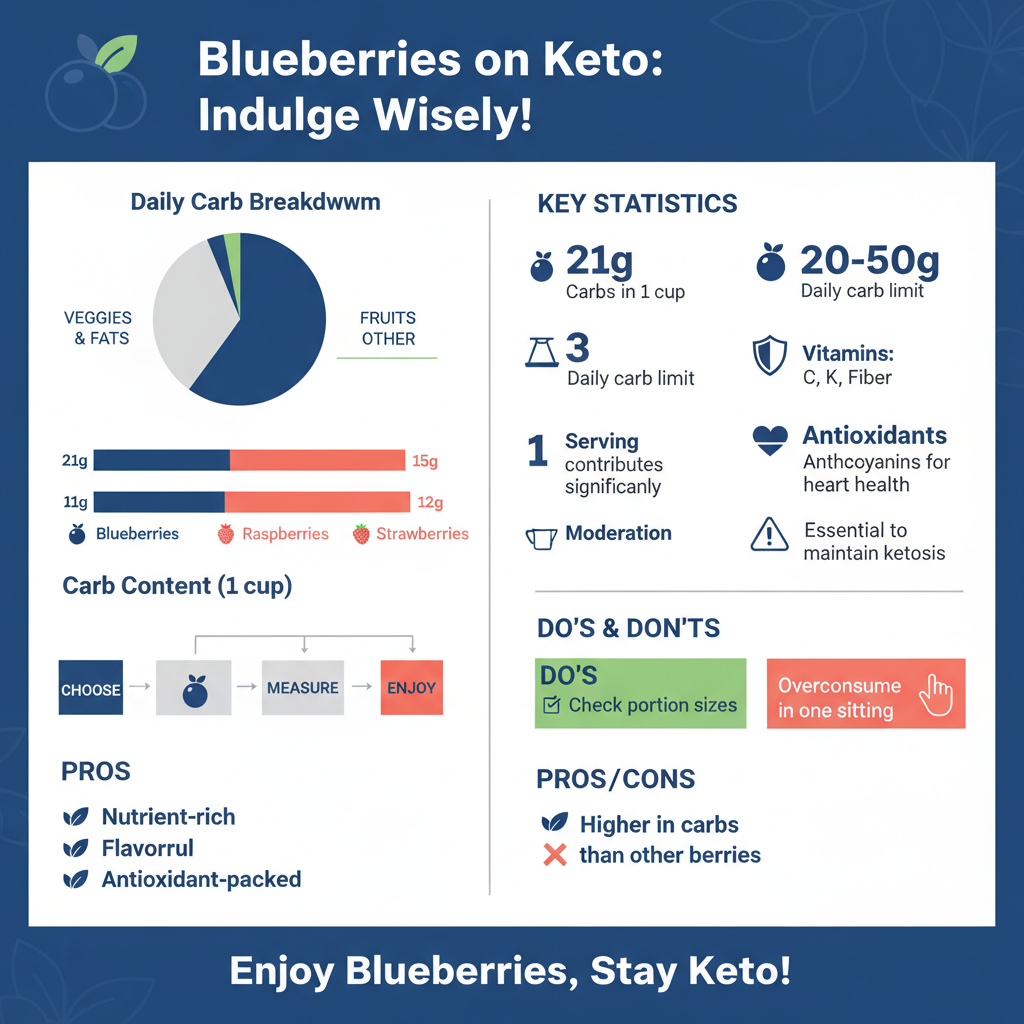
Blueberries are often heralded as a superfood, packed with nutrients and antioxidants. A one-cup serving of blueberries contains approximately 21 grams of carbohydrates, which can be significant when following a strict keto diet. Despite their higher carb content compared to other berries, blueberries offer a wealth of health benefits. They are particularly rich in antioxidants, including anthocyanins, which are known for their anti-inflammatory properties and potential heart health benefits.
In addition to antioxidants, blueberries provide essential vitamins and minerals, including vitamin C, vitamin K, and dietary fiber. Vitamin C is crucial for immune function and skin health, while vitamin K plays a vital role in blood clotting and bone health. The dietary fiber in blueberries can aid digestion and promote a feeling of fullness, which can be beneficial for those looking to manage their weight while on the keto diet.
How Blueberries Fit into a Keto Lifestyle
Incorporating blueberries into a keto lifestyle is feasible with careful planning and portion control. To keep your carbohydrate intake within the prescribed limits, consider consuming small portions—perhaps a quarter or half cup of blueberries. This way, you can enjoy the taste and health benefits of blueberries without jeopardizing your keto goals.
Pairing blueberries with high-fat foods can further help balance your meals while keeping carbs in check. For instance, adding a few blueberries to a serving of full-fat Greek yogurt or mixing them into a smoothie made with almond milk and avocado can enhance the flavor and nutritional profile of your meal. The combination of fat and fiber can also slow the absorption of sugars, lessening the impact on your blood sugar levels.
Tips for Including Blueberries in Your Diet
To maximize the benefits of blueberries while adhering to a keto diet, consider the following tips:
1. Smoothies: Use blueberries in keto-friendly smoothies. Combine them with low-carb ingredients like spinach, unsweetened almond milk, and a source of healthy fat such as avocado or almond butter. This creates a nutrient-dense beverage that can serve as a meal replacement or snack.
2. Salads: Add blueberries to salads for a burst of flavor and color. They pair well with mixed greens, nuts (like walnuts or pecans), and a generous drizzle of olive oil or a high-fat dressing. This not only adds nutritional value but also enhances the overall appeal of your salad.
3. Snacks: Enjoy a small bowl of blueberries as a snack, perhaps alongside a handful of nuts or cheese. This combination provides a satisfying balance of protein, fat, and carbohydrates.
4. Desserts: Incorporate blueberries into keto-friendly desserts, such as chia seed pudding or low-carb muffins. These options allow you to indulge your sweet tooth while remaining compliant with your dietary restrictions.
Alternatives to Blueberries on Keto
If you find that blueberries are pushing your carb limits too high, consider exploring alternatives that are lower in carbohydrates. Raspberries, for example, contain approximately 7 grams of carbohydrates per cup, making them a more keto-friendly fruit option. Blackberries are also a great choice, with about 6 grams of carbohydrates per cup.
In addition to other berries, there are several keto-friendly fruits to consider, such as avocados, which are high in healthy fats and fiber but low in carbohydrates. Olives are another excellent option, offering healthy fats and a unique flavor profile to your meals. By diversifying your fruit intake, you can still enjoy the benefits of fruit while adhering to your keto lifestyle.
Monitoring Your Carb Intake
To successfully incorporate blueberries and other foods into your keto diet, it’s essential to monitor your daily carbohydrate consumption. Using a food tracking app can help you keep tabs on your intake and ensure you stay within your target range. When adding blueberries to your meals, be mindful of portion sizes; consider measuring out servings to avoid inadvertently exceeding your carb limits.
Adjusting the amount of berries you consume can also depend on the rest of your meal plan for the day. If you know you’ll be having a higher-carb meal, you might opt for a smaller serving of blueberries. Ultimately, being flexible and attentive to your body’s responses will help you maintain ketosis while enjoying the foods you love.
By staying mindful of your carb intake and being strategic about how you include blueberries in your diet, you can enjoy their flavors and benefits without compromising your ketogenic goals.
In conclusion, blueberries can be a delightful addition to a keto diet when consumed in moderation and paired with high-fat foods. By understanding their nutritional profile and exploring creative ways to include them in your meals, you can enjoy the health benefits of these berries while staying on track with your low-carb lifestyle. Remember to monitor your carbohydrate intake and be open to experimenting with portion sizes. If you have any recipes or experiences incorporating blueberries into your keto meals, feel free to share them in the comments!
Frequently Asked Questions
Can I eat blueberries on a keto diet?
Yes, you can eat blueberries on a keto diet, but moderation is key. Blueberries are relatively low in carbohydrates compared to other fruits, with approximately 12 grams of net carbs per 100 grams. Including a small serving, like a handful, can fit into your daily carb limit while providing antioxidants and nutrients. Just be sure to track your total carbohydrate intake to stay within your keto goals.
How many blueberries can I eat while following a keto diet?
While on a keto diet, it’s advisable to limit your blueberry intake to about ¼ to ½ cup, which contains roughly 6 to 12 grams of net carbs. This amount allows you to enjoy the fruit’s health benefits without exceeding your daily carb limit. Always consider your overall meal plan to ensure that you remain within your targeted carbohydrate range.
Why are blueberries considered a good choice for a keto diet?
Blueberries are a good choice for a keto diet because they are rich in antioxidants, vitamins, and minerals, including vitamin C and potassium, while being relatively low in carbohydrates. Their high fiber content can also aid digestion and promote satiety. When consumed in moderation, blueberries can provide a delicious flavor and nutritional boost without significantly impacting ketosis.
What are the best ways to incorporate blueberries into my keto meals?
The best ways to incorporate blueberries into your keto meals include adding them to smoothies, yogurt, or cottage cheese, where they can enhance flavor and nutrition. You can also top salads with a few blueberries for a refreshing twist or use them in keto-friendly desserts, such as sugar-free blueberry muffins or chia seed puddings. Just remember to keep the portion sizes small to maintain your carb count.
Which fruits are the best alternatives to blueberries on a keto diet?
If you’re looking for alternatives to blueberries on a keto diet, consider options like raspberries, strawberries, and blackberries, which are also low in carbohydrates and high in fiber. These berries provide similar health benefits and can be used in various recipes. Other low-carb fruits include avocados and olives, which are also excellent choices for adding healthy fats and flavor to your meals.