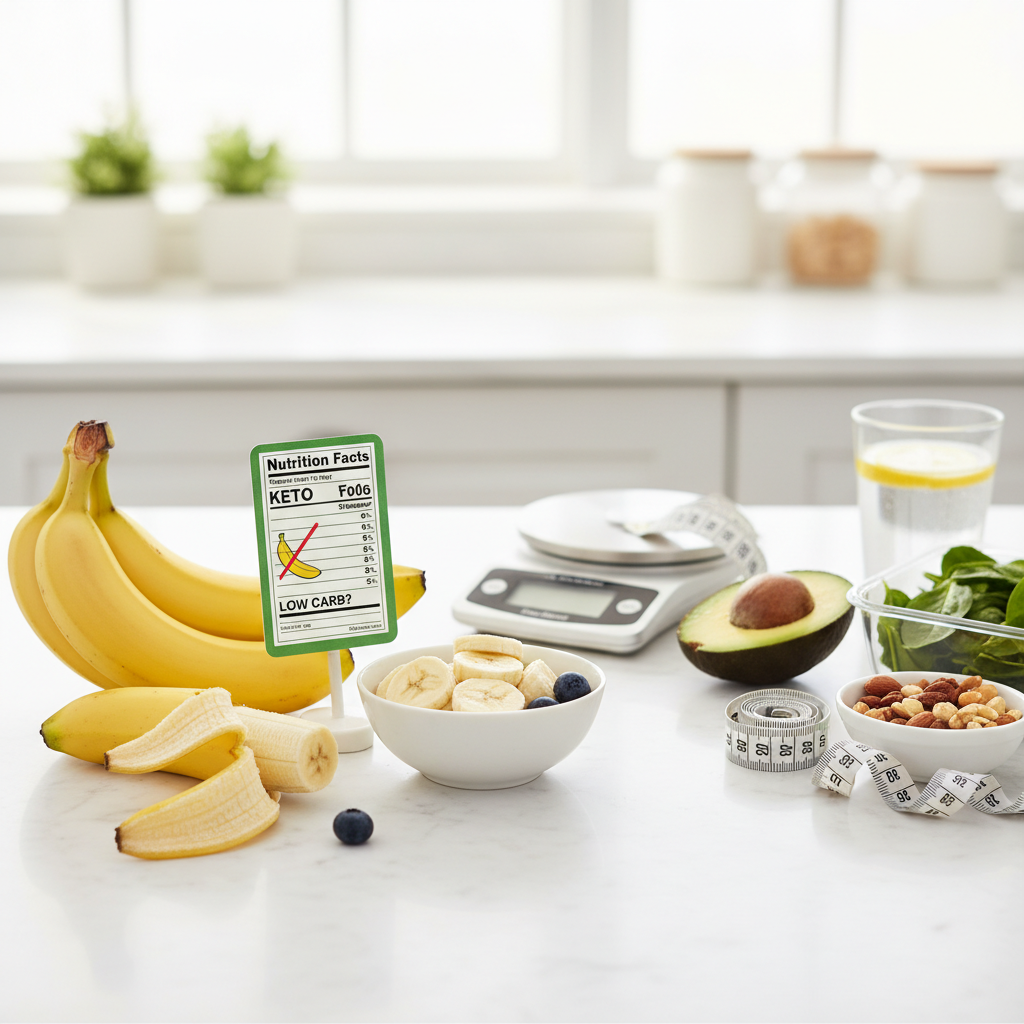

Eating bananas on the keto diet is generally not recommended due to their high carbohydrate content. While they are nutritious and provide several health benefits, their sugar levels can hinder the state of ketosis that the keto diet aims to achieve. In this article, we’ll explore the carbohydrate content of bananas, their nutritional benefits, and some keto-friendly alternatives.
Understanding the Keto Diet
The ketogenic diet, commonly known as the keto diet, is a low-carbohydrate, high-fat eating plan designed to shift the body into a state of ketosis. In ketosis, the body becomes efficient at burning fat for energy instead of carbohydrates. This metabolic state is achieved by drastically reducing carbohydrate intake and replacing it with fat, which typically involves maintaining a daily carb limit of around 20 to 50 grams. The exact limit can vary based on individual factors such as age, sex, and activity level, but the primary goal remains consistent: to encourage the body to utilize fat stores for fuel. Adhering to these guidelines is crucial for anyone seeking the benefits associated with keto, including weight loss, improved mental clarity, and enhanced energy levels.
Carbohydrate Content of Bananas
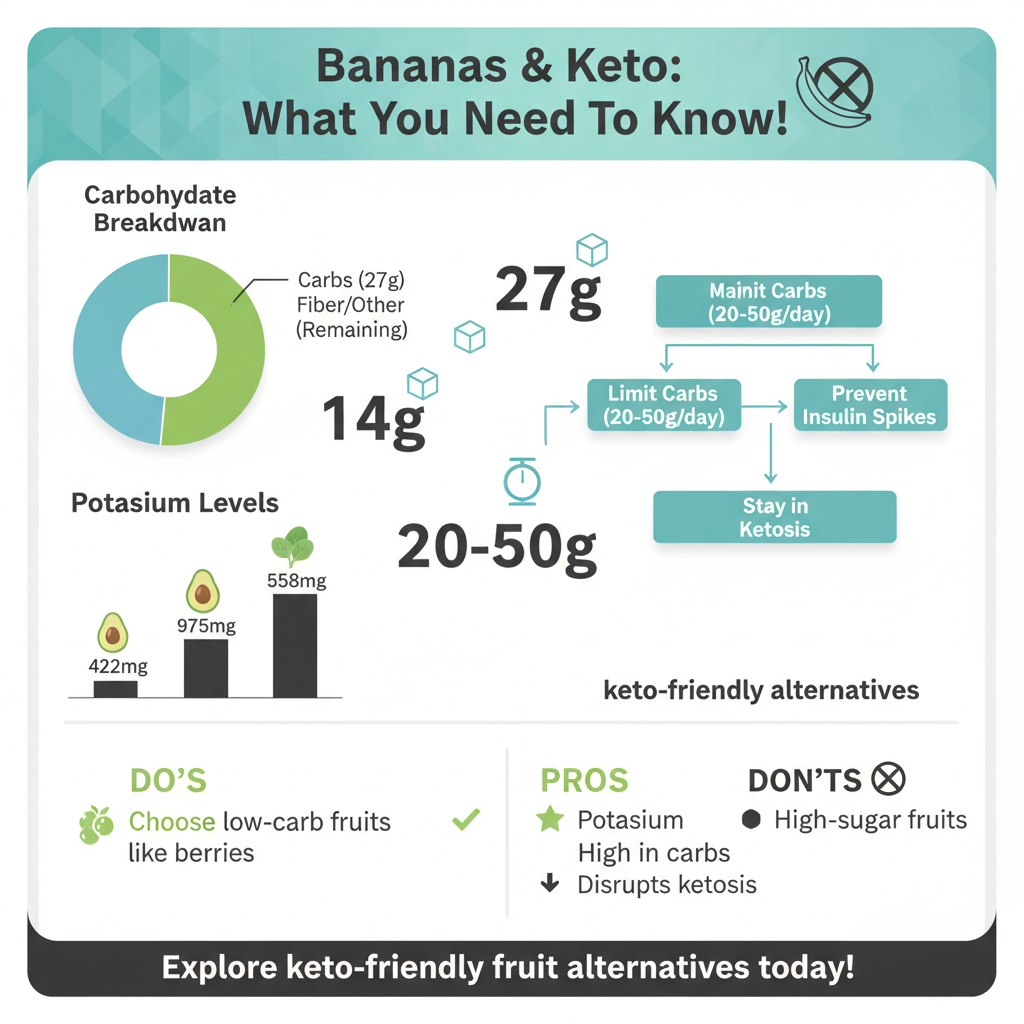
Bananas are known for their convenience and natural sweetness, but they also come with a hefty carbohydrate load. A medium banana contains approximately 27 grams of carbohydrates, of which about 14 grams are sugar. This amount can quickly exceed the daily carb limit for keto dieters, making it challenging to maintain ketosis. For perspective, if an individual adheres to a strict 20-gram carbohydrate limit per day, consuming just one medium banana would leave little room for additional carbohydrates from other food sources. This high sugar content not only affects ketosis but can also lead to increased insulin levels, counteracting some of the metabolic benefits the keto diet aims to achieve.
Nutritional Benefits of Bananas
Despite their high carbohydrate content, bananas are packed with essential nutrients that can contribute to overall health. They are particularly rich in potassium, a mineral vital for maintaining optimal heart health and muscle function. Potassium helps regulate blood pressure and supports nerve function, making it an important nutrient for any diet. Additionally, bananas contain vitamin C, which is crucial for the immune system, and dietary fiber, which aids in digestion and promotes a feeling of satiety. The presence of antioxidants further enhances their nutritional profile, contributing to overall well-being. However, it’s essential to weigh these benefits against the carbohydrate content when considering their place in a keto diet.
Alternatives to Bananas on Keto
Fortunately, there are several delicious and nutritious alternatives to bananas that align better with the keto diet. Low-carb fruits such as strawberries, blackberries, and raspberries are excellent options. For example, a cup of strawberries has only about 11 grams of carbohydrates, making them a much more viable choice for those on a keto regimen. Avocados are another remarkable alternative; they are high in healthy fats and low in carbohydrates, with roughly 2 grams of net carbs per half fruit.
Furthermore, for those who crave the flavor of bananas, consider using banana-flavored extracts in recipes or making keto-friendly banana bread using almond flour and other low-carb ingredients. This way, you can enjoy the taste without the high carbohydrate load typically associated with real bananas.
Tips for Managing Cravings
Managing cravings for high-carb fruits like bananas can be challenging, but there are effective strategies to help you stay on track with your keto diet. One approach is to explore other healthy snacks that fit within keto guidelines, such as nuts, seeds, or cheese. These options are not only satisfying but also provide healthy fats and proteins that keep you full.
Incorporating more fats and proteins into your meals can also help combat cravings. Foods like eggs, fatty fish, and olive oil can promote satiety, making it less likely that you’ll reach for high-carb snacks. Staying hydrated is another essential tip; often, feelings of hunger can be mistaken for thirst. Drinking plenty of water or herbal teas can help you feel more satisfied throughout the day. Finally, meal planning can be a game-changer for maintaining a keto-friendly lifestyle. By preparing low-carb meals and snacks ahead of time, you’ll be less likely to indulge in off-plan foods when hunger strikes.
Conclusion
While bananas are delicious and nutritious, they are not suitable for a strict keto diet due to their high carbohydrate content. The primary focus of keto is to maintain a state of ketosis, which is difficult to achieve with high-sugar fruits like bananas. Instead, consider incorporating low-carb alternatives and other fruits that align better with your dietary goals. By exploring new options and managing cravings effectively, you can maintain a successful keto lifestyle while enjoying a variety of nutritious foods. For more insights into maintaining a keto lifestyle, explore our other articles and tips!
Frequently Asked Questions
Can I eat bananas on the keto diet?
While bananas are a nutritious fruit, they are relatively high in carbohydrates, making them less suitable for a ketogenic diet. A medium banana contains about 27 grams of carbs, which can exceed the daily carb limit for most people on keto, typically around 20-50 grams. If you choose to consume bananas, consider limiting your portion and balancing your carb intake throughout the day.
What fruits can I eat on the keto diet instead of bananas?
If you’re looking for low-carb fruit alternatives to bananas on the keto diet, consider options like avocados, berries (such as strawberries, blackberries, and raspberries), and tomatoes. These fruits are lower in carbohydrates and can be enjoyed in moderation while still allowing you to maintain ketosis. Incorporating these fruits can help satisfy your sweet cravings without derailing your diet.
Why are bananas high in carbs and not ideal for keto?
Bananas are high in carbohydrates primarily due to their natural sugars, particularly fructose and glucose. A typical medium banana contains about 14 grams of sugar and 3 grams of fiber, resulting in a net carb count that is too high for those following a strict ketogenic diet. This high carbohydrate content can hinder the body’s ability to enter and maintain a state of ketosis, where it burns fat for fuel instead of carbohydrates.
How can I satisfy my sweet tooth on keto without bananas?
To satisfy your sweet tooth on the keto diet without resorting to bananas, consider using sugar alternatives such as stevia, erythritol, or monk fruit sweetener. Additionally, you can enjoy keto-friendly desserts made with almond flour or coconut flour, and indulge in low-carb snacks like dark chocolate (85% cacao or higher) or homemade chia seed pudding flavored with vanilla and unsweetened cocoa powder.
Which bananas are lower in carbs—green or ripe?
Green bananas are lower in sugar and carbs compared to ripe bananas, as they contain more resistant starch that gradually converts to sugar as the banana ripens. However, even green bananas still contain a significant amount of carbohydrates, making them not ideal for a strict keto diet. If you must choose, opt for green bananas in very limited quantities while monitoring your overall carbohydrate intake.
References
- https://www.healthline.com/nutrition/can-you-eat-bananas-on-keto
- How to prevent heart disease: Risk factors, tips, and more
- https://www.dietdoctor.com/low-carb/keto/faq/fruit-and-keto
- https://www.webmd.com/diet/obesity/ss/slideshow-keto-diet
- https://www.ncbi.nlm.nih.gov/pmc/articles/PMC7079696/
- https://www.researchgate.net/publication/337421467_The_Ketogenic_Diet_A_Review_of_Its_Effects_on_Health_and_Quality_of_Life
- https://www.sciencedirect.com/science/article/pii/S2212267219300175