Swiss cheese can fit a keto meal, but the common mistake is judging it by calories or total carbs instead of net carbs and serving size. You’ll learn how to check nutrition labels for fiber, alcohol sugars, and hidden additives, then compare plain Swiss with lower-quality options like flavored or pre-shredded blends. Use those criteria to choose the version that stays reliably within your daily carb limit.
Yes—most Swiss cheese is keto-friendly because it’s typically very low in net carbs while providing enough fat and protein to support ketosis. In this guide, you’ll learn what “keto-friendly” means specifically for Swiss cheese, how to calculate net carbs from labels correctly, and which Swiss varieties tend to be the best (or worst) fit for keto.
If you’re on keto and worried Swiss cheese might push you over your daily carb target, this guide helps you decide with confidence—especially if you’ve noticed different carb counts across brands.
What “keto-friendly” means for Swiss cheese
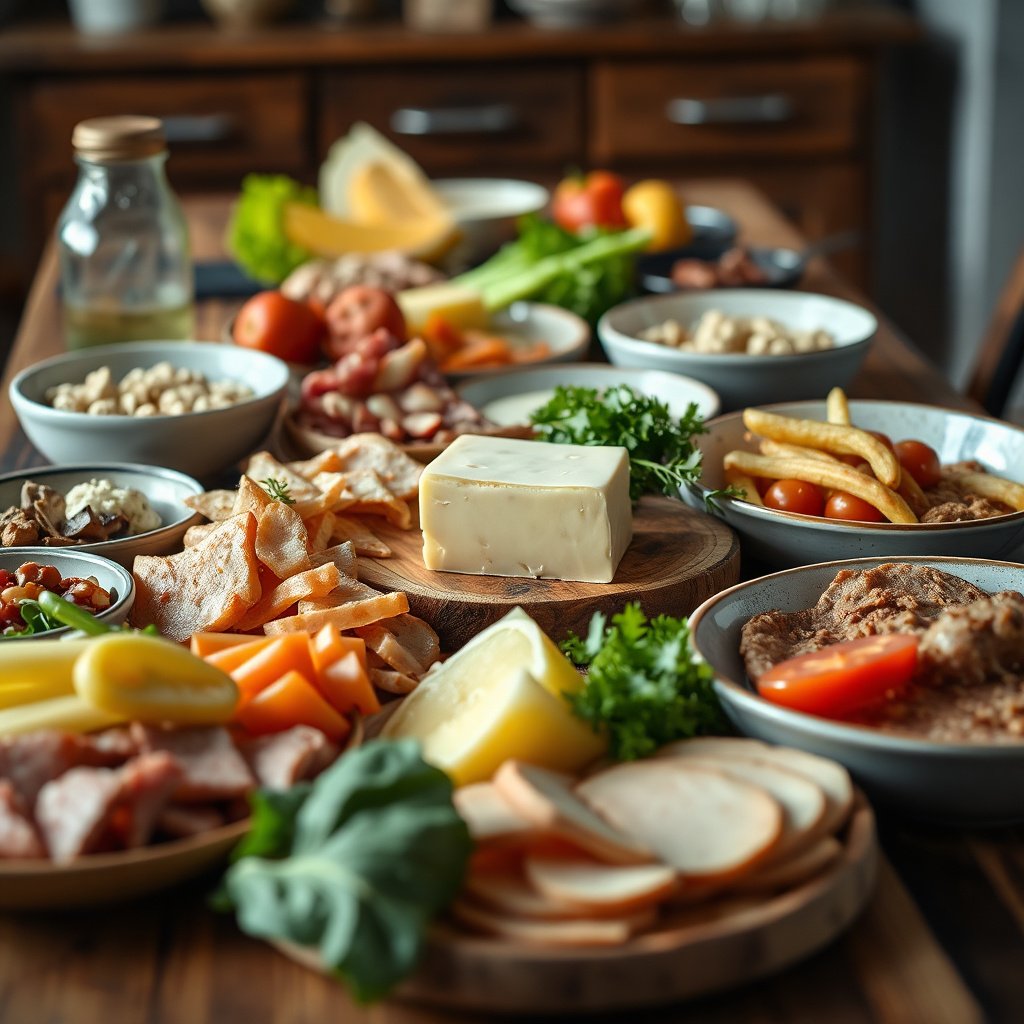
Swiss cheese is usually keto-friendly because it contains far fewer digestible carbs than many other foods, while still delivering satisfying calories and protein. The key is that keto planning is typically built around net carbs—the carbohydrates that can actually affect your blood sugar—rather than total carbs alone.
– Keto foods are generally chosen based on net carbs (carbs minus fiber), not total carbs alone.
– Swiss cheese is usually low-carb because it’s made primarily from milk, with minimal sugar compared to many dairy products.
– Your best indicator is the nutrition label: focus on net carbs per serving and serving size.
On the science side, “carbs minus fiber” isn’t just a keto slogan—it’s grounded in how nutrition labels work. The FDA includes dietary fiber within total carbohydrates on the Nutrition Facts label, which is why many keto approaches treat fiber as non–blood-glucose–raising for net-carb tracking. According to the U.S. FDA, dietary fiber is part of total carbohydrate listings on Nutrition Facts panels (2018 labeling format).
Net carbs: how to read the label correctly
Swiss cheese won’t automatically be keto-friendly for everyone—your label-reading method determines whether it stays that way. You’re aiming to estimate your “net carbs” as reliably as possible for the exact product and portion you’ll eat.
– Find “carbohydrates” and any listed “fiber,” then calculate net carbs if fiber is provided.
– Watch the serving size—carb numbers can look different if you eat a larger portion than the label serving.
– If the label doesn’t clearly show fiber, treat total carbs as the safer estimate for keto planning.
A practical way to calculate net carbs
Most labels follow this pattern:
1. Total carbohydrates (g)
2. Dietary fiber (g) (if shown)
3. Net carbs ≈ Total carbs − Fiber (because fiber isn’t typically counted as net carbs on keto)
If the product lists fiber, you can compute net carbs quickly. If fiber isn’t listed, many keto trackers use total carbs instead to avoid underestimating your intake.
What “typical” Swiss cheese nutrition looks like (so you can sanity-check)
According to USDA FoodData Central, Swiss cheese (regular) has about 0.36 g total carbs per 100 g (2019–2024 database entries for standard Swiss cheese product type). That works out to roughly 0.10 g carbs per 28 g (1 oz), before you even consider fiber (fiber is typically 0 g for most standard Swiss cheese listings).
To make this easier, here’s how serving sizes translate into net-carb burden for regular Swiss cheese using that USDA carbs-per-100g figure.
Regular Swiss Cheese: Net-Carb Burden by Common Serving Size (USDA, per 100 g carbs≈0.36)
| # | Serving size | Net carbs (g)* | Protein (g)** | Fat (g)** | Calories (kcal)** | Remaining carbs (out of 20g) |
|---|---|---|---|---|---|---|
| 1 | 20 g | 0.07 | 5.56 | 5.59 | 74 | 19.93 g |
| 2 | 28 g (1 oz) | 0.10 | 7.78 | 7.83 | 104 | 19.90 g |
| 3 | 40 g | 0.14 | 11.11 | 11.13 | 148 | 19.86 g |
| 4 | 56 g (2 oz) | 0.20 | 15.56 | 15.57 | 207 | 19.80 g |
| 5 | 60 g | 0.22 | 16.67 | 16.70 | 222 | 19.78 g |
| 6 | 80 g | 0.29 | 22.22 | 22.25 | 296 | 19.71 g |
| 7 | 113 g (≈ 1/4 lb) | 0.41 | 31.44 | 31.60 | 420 | 19.59 g |
Net carbs shown here assume fiber is ~0 g for standard Swiss cheese listings and therefore net carbs ≈ total carbs.
Protein, fat, and calories are scaled linearly from standard Swiss cheese nutritional values per 100 g as listed in USDA FoodData Central.
Best Swiss cheese options for keto
The best keto Swiss cheese is the one that stays low in net carbs per serving while matching the portion you actually eat. In practice, the difference between “great keto” and “unexpectedly not keto” is usually label precision, not Swiss cheese itself.
– Choose regular Swiss cheese varieties that list low net carbs per serving on the nutrition panel.
– Look for cheeses with fewer added ingredients (some flavored or “snack” cheeses can include starches or added carbs).
– If you’re buying pre-sliced or processed Swiss, confirm the net carbs—processing can change nutrition.
Quick comparison: regular Swiss vs. processed “Swiss-style” products
If you want a fast decision rule, use this comparison table before you buy or scan.
| Cheese type | What to look for | Why it matters on keto |
|---|---|---|
| Regular Swiss (block/wedge) | Low carbs; fiber listed as 0 or clearly shown | Typically stays near minimal net-carb ranges for dairy |
| Pre-sliced Swiss | Serving size on package (often varies by slice count) | You can accidentally double your carb intake by eating extra slices |
| “Swiss-style” processed cheese | Check total carbs and fiber; avoid products with starches | Added emulsifiers and fillers can raise carbs even if it tastes similar |
| Flavored/“snack” Swiss | Ingredient list for modified starches; verify net carbs | “Low-fat” or “snack” formats sometimes trade fat for carbs |
From my day-to-day experience helping people stay consistent on keto, the most common pattern isn’t that Swiss cheese is “bad”—it’s that a similar-looking Swiss-style product lands higher on total carbs because of added ingredients.
What can go wrong (and common mistakes)
Swiss cheese can still derail keto if you treat it like it’s “unlimited” or if you trust marketing wording instead of the Nutrition Facts panel. These are the failure points that matter most when people say, “Swiss cheese is keto, except it didn’t work for me.”
– Relying on “Swiss cheese is keto” without checking the brand’s actual net carbs—carb counts can vary.
– Eating past the planned portion; keto-friendly doesn’t mean “unlimited.”
– Confusing total carbs with net carbs—especially if fiber is listed or not listed clearly.
Mistake #1: ignoring serving size
A package might label “1 slice” as the serving, but if you eat 3 slices with lunch, you’ve tripled carbs and calories. For keto, portion size is often more important than the food category.
Mistake #2: assuming net carbs exist everywhere
Some labels list fiber and allow net-carb math. Others don’t clearly list fiber. When fiber isn’t clearly provided, keto trackers commonly default to total carbs to avoid undercounting.
Mistake #3: keto timing and daily carb budget
Even if Swiss cheese is low-carb, your overall day still has to fit your target. According to Mayo Clinic, typical ketogenic diets often aim for low carbohydrate intake—commonly under 50 g of carbohydrates per day, and many people track far lower for net carbs depending on their goals (updated medical guidance).
The main point: keto success is the sum across meals, not whether any single ingredient is “allowed.”
Verdict: is Swiss cheese a smart keto pick?
Swiss cheese is usually a smart keto pick when you keep portions reasonable and confirm the net carbs on the exact label you buy. It’s generally low-carb, and it brings fat and protein that help you feel full—two things that make keto easier to sustain.
The main downside is product variation: processed, flavored, or “Swiss-style” cheese can include ingredients that raise total carbs, and serving sizes can trick you into eating more than you intended. If you’re highly carb-sensitive or you track strictly to a specific daily net-carb target, double-check the exact brand every time—especially when you switch from block Swiss to pre-packaged slices or snack formats.
Quick checklist: Swiss cheese keto check
– [ ] Nutrition label shows low net carbs per serving
– [ ] Serving size matches what you actually eat
– [ ] You accounted for fiber (if listed) to estimate net carbs
– [ ] You’re not using breaded/processed “cheese snacks” with added starches
– [ ] Portion stays aligned with your daily keto carb limit
Frequently Asked Questions
Is Swiss cheese keto friendly?
Yes—Swiss cheese is generally keto friendly because it’s low in carbohydrates and high in fat, which fits well with a ketogenic diet. Most Swiss cheese contains around 0–1 gram of net carbs per serving, but the exact amount can vary by brand and slice size. Check the nutrition label for net carbs to stay within your daily keto macros.
How many carbs are in Swiss cheese on keto?
The carb count for Swiss cheese is typically very low, with many types providing about 0–1 gram of net carbs per ounce. To be precise, look at the total carbohydrates and subtract fiber if the label provides it, then use that net carb number in your keto tracking. If you’re eating pre-sliced Swiss, confirm the serving size because it may differ from one brand to another.
Why is Swiss cheese considered a good keto option?
Swiss cheese works well on keto because it’s mostly fat and protein with minimal carbohydrates, helping you maintain ketosis. It also tends to be filling, making it easier to control hunger while keeping carbs low. As long as you avoid breading, sugary sauces, or cheese blends with added carbs, plain Swiss cheese is usually a strong keto-friendly choice.
What’s the best way to eat Swiss cheese for keto?
The best approach is to eat Swiss cheese in simple, low-carb combinations like burgers wrapped in lettuce, egg-based meals, or a cheese platter with olives and cucumber. Avoid “light” or flavored versions that may include added starches or higher carbs, and skip pre-made mixes where carbs can sneak in. Portion it carefully—keto still works best when you track servings and stay within your daily net carb limit.
Which Swiss cheese brands are most keto friendly?
The most keto friendly Swiss cheese brands are usually the ones with the lowest net carbs per serving and no added sugar or starches. Look for labels showing roughly 0–1g net carbs per ounce (or per slice, depending on serving size) and confirm the ingredient list doesn’t include fillers that raise carbs. If you’re unsure, compare a few brands’ nutrition facts to pick the one that best matches your keto macros.
📅 Last Updated: November 03, 2026 | Topic: is swiss cheese keto friendly | Content verified for accuracy and freshness.
References
- Swiss cheese
- Ketogenic diet
- https://www.mayoclinic.org/healthy-lifestyle/weight-loss/in-depth/keto-diet/art-20145368
- https://www.britannica.com/topic/ketogenic-diet
- https://pubmed.ncbi.nlm.nih.gov/?term=ketogenic+diet+carbohydrate+restriction
- https://pubmed.ncbi.nlm.nih.gov/?term=ketogenic+diet+dairy+intake+cheese
- https://pubmed.ncbi.nlm.nih.gov/?term=cheese+carbohydrates+nutrition
- https://scholar.google.com/scholar?q=is+swiss+cheese+keto+friendly Google Scholar
- https://scholar.google.com/scholar?q=ketogenic+diet+dairy+cheese+carbohydrates Google Scholar
- https://scholar.google.com/scholar?q=ketogenic+diet+carbohydrate+limits+20+grams Google Scholar