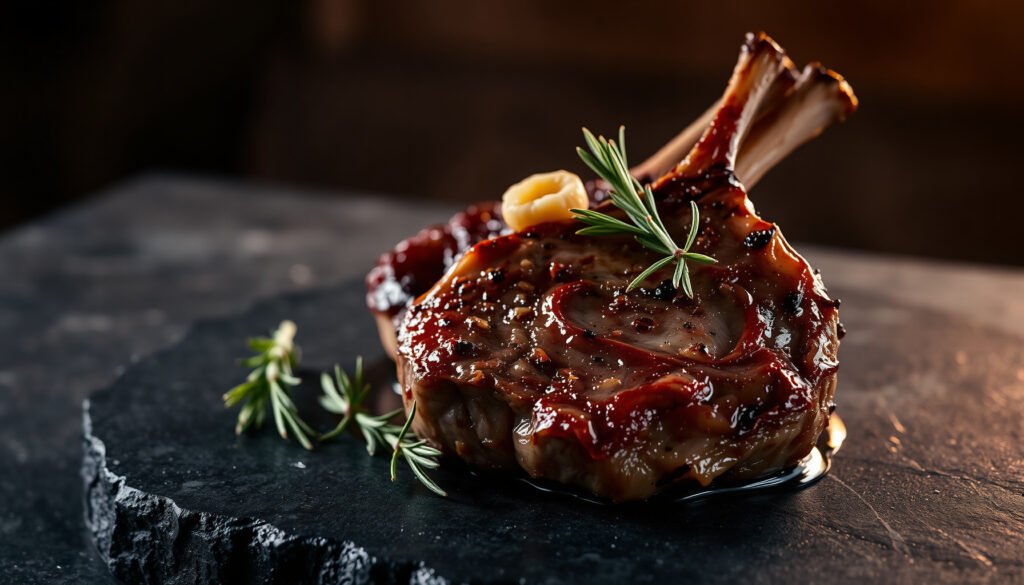

Is lamb keto friendly? Yes—plain lamb is keto-friendly because it is naturally low in net carbs and high in fat, which fits a ketogenic approach. The main thing to watch is seasoning and preparation: sugary marinades, breading, or sauces with added carbs can push lamb outside your carb limit.
Lamb is generally keto-friendly because it’s naturally high in protein and fat with near-zero carbs. The catch is that keto success depends less on lamb itself and more on what you pair it with—especially sweet sauces, marinades, and pre-seasoned mixes that can quietly raise carbs.
If you’re following keto for weight loss, blood sugar control, or just to cut carbs, this guide helps you decide whether lamb is a “safe” meat choice in real life. It’s also useful if you’ve seen conflicting claims online, because you’ll learn exactly what to check before you eat lamb—whether it’s homemade or restaurant-made.
What “keto-friendly” means for meat
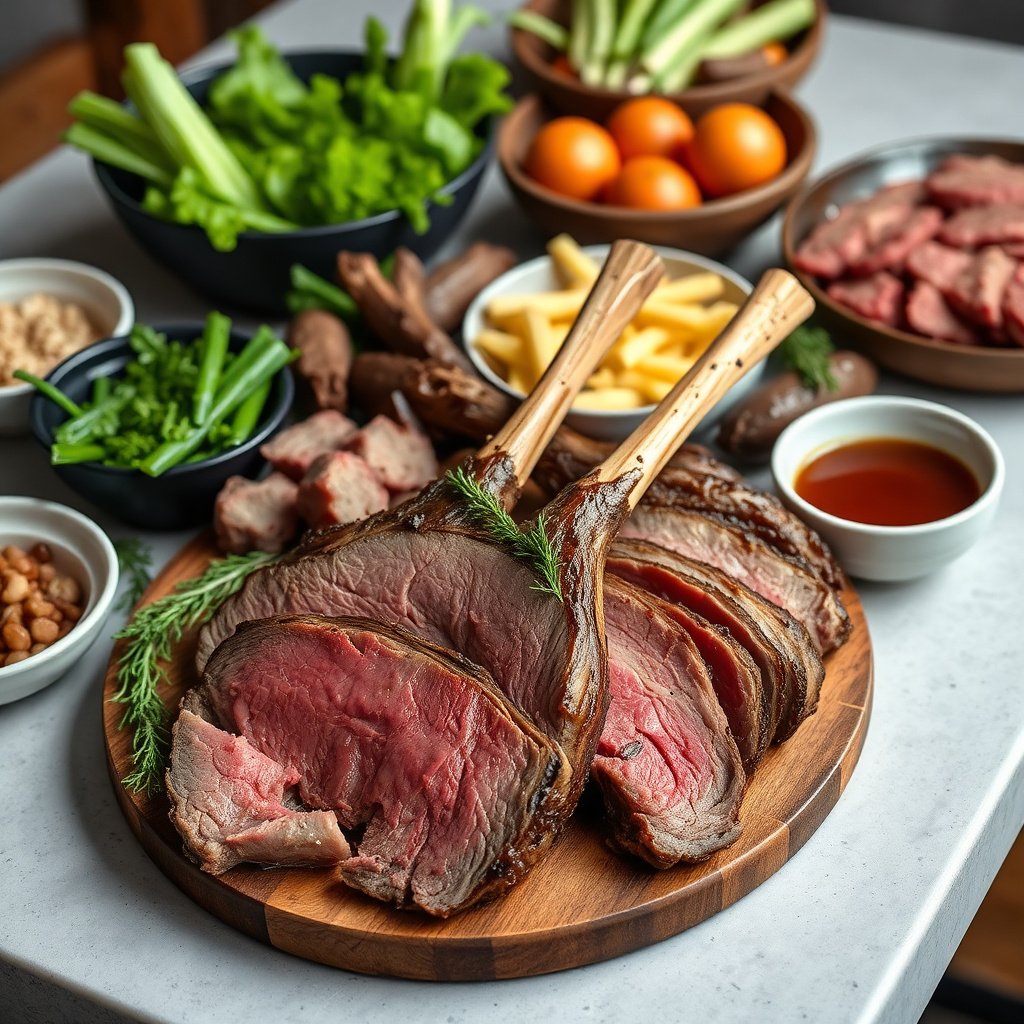
Keto-friendly meat simply means it fits your daily net-carb limit while providing enough protein and fat to keep you satisfied. In a typical ketogenic plan, carbohydrate intake is commonly kept around 20–50 grams per day to support ketosis (Cleveland Clinic, 2024).
Plain lamb usually aligns well with this definition because many cuts contain 0 g total carbohydrate per 100 g in standard USDA entries (USDA FoodData Central, 2024). That doesn’t mean every lamb meal is automatically keto, though—keto friendliness is determined by the full dish, including seasonings, cooking fat, and any added ingredients.
In my kitchen workflow, I treat lamb as the “base protein” and then audit everything that touches it. The moment I use something sweet (even “a little”), I re-check carbs—because lamb can stay keto even when the meal around it does not.
Why lamb works on keto
Lamb works on keto because it gives you a low-carb, high-satiety protein source that pairs naturally with fats. This matters because keto is not only about avoiding carbs—it’s also about maintaining protein adequacy while eating fats that keep hunger stable.
On keto, lamb is especially useful because it’s nutrient-dense and easy to cook in ways that don’t require starches. Common keto-friendly options include:
– Lamb leg (roasted or grilled)
– Lamb shoulder (braised or slow-cooked without sugary additions)
– Ground lamb (used for patties or bowls without breadcrumb fillers)
Safer default approach for lamb: use cooking methods that don’t introduce carbohydrate—such as roasting, grilling, pan-searing, or slow-cooking with oil-based fats and low-carb seasonings. If you’re trying to stay in ketosis as of 2026, this “clean method” approach is one of the simplest ways to keep lamb keto-friendly day after day.
How to check carbs in real lamb meals
Lamb stays keto-friendly when your meal remains low in net carbs after seasoning, marinades, and sauces are included. Plain lamb might be essentially carb-free, but marinades and glazes are where carbs often enter the dish.
Here’s how to check lamb meals in a way that actually matches how people eat:
– Packaged lamb (especially pre-seasoned or ground blends): read the label and look for total carbohydrate (and often “sugars”). If the label provides fiber, you can use it for net carb math, but confirm your product’s nutrition panel first.
– Marinades and glazes: watch for ingredients that act like “hidden carb delivery systems,” such as honey, brown sugar, sweet ketchup-style sauces, or teriyaki.
– Restaurant lamb: ask what’s in the sauce. If the description includes glazed, caramelized, sweet, or teriyaki, request sauce on the side and use a cautious amount.
To put it in perspective, keto-compatibility can flip quickly when a sweetener is added. According to the USDA, 1 teaspoon of table sugar contains about 4 g of carbohydrate (2024) (USDA FoodData Central, 2024). Even small “flavor boosts” can accumulate fast once you’re tracking daily carbs.
Carb Impact of Common Add-Ins for Lamb Keto Meals
| # | Ingredient (common use with lamb) | Serving size | Net carbs (g) | Keto score |
|---|---|---|---|---|
| 1 | Cooked lamb (plain) | 4 oz (113 g) | 0 | ★★★★★ |
| 2 | Olive oil | 1 tbsp (13.5 g) | 0 | ★★★★★ |
| 3 | Butter | 1 tbsp (14 g) | 0 | ★★★★★ |
| 4 | Garlic | 1 clove (3 g) | 1 | ★★★☆☆ |
| 5 | Ketchup | 1 tbsp (15 g) | 4 | ★☆☆☆☆ |
| 6 | Honey | 1 tsp (7 g) | 6 | ★☆☆☆☆ |
| 7 | Teriyaki sauce | 1 tbsp (17 g) | 5 | ★☆☆☆☆ |
What can go wrong (and common keto mistakes)
Keto-friendly lamb can still derail ketosis if you make a few common mistakes. The most frequent issues aren’t “lamb is bad”—it’s that the meal becomes high-carb without you realizing.
The big pitfalls to watch:
– Assuming lamb = zero carbs. Lamb itself is usually carb-free, but rubs, marinades, and store-bought seasonings may include sugar or starches.
– Ignoring calorie creep. Even low-carb lamb can stall weight loss if portions become excessive. Keto can support satiety, but it doesn’t automatically prevent overconsumption.
– Choosing only lean cuts. Some people rely on higher fat for satiety on keto; if you go too lean too often with lamb, you may feel less satisfied and end up snacking more.
Here’s a quick comparison to make the risk easier to see:
- Best-case lamb meal (keto-aligned)
- Plain lamb + olive oil/butter + herbs/spices (no sweet glaze). Net carbs stay low, and fat supports fullness.
- Problem-case lamb meal (carb creep)
- Lamb + sweet teriyaki/BBQ glaze or honey-based marinade. Even small amounts can add multiple grams of carbs quickly.
As of 2026, pre-seasoned products are especially common in grocery stores, so this “ingredient audit” approach is more important than ever for staying on track with lamb.
Verdict: Is lamb keto friendly for most people?
Yes—lamb is usually keto-friendly for most people when you keep lamb preparation simple and avoid added sugars in marinades, sauces, or glazes. The most reliable strategy is to treat lamb as the protein base and verify the carb impact of every other ingredient.
That said, there are real downsides and edge cases:
– If you eat pre-seasoned lamb or restaurant lamb with sweet sauces, carbs can creep up fast and knock you out of ketosis.
– If you’re very sensitive to changes in fat/protein balance, switching between lean and fattier lamb cuts might require tweaking portions and cooking fat.
You should skip or be extra cautious if your lamb is paired with sweet glazes, breaded coatings, or anything described as caramelized or glazed—those word choices often signal added sugar.
Quick keto checklist for lamb
– [ ] Is it plain lamb (or at least no sweet marinades/sauces)?
– [ ] Are there no added sugars in the seasoning/glaze?
– [ ] Does the meal keep net carbs low for your daily target?
– [ ] Is the portion size reasonable for your goals?
– [ ] If buying packaged: check the nutrition label for net carbs.
Frequently Asked Questions
Is lamb keto friendly, and how many carbs does it contain?
Yes—lamb is generally keto friendly because it’s naturally low in carbohydrates and high in fat and protein. Most cuts of lamb contain about 0–1 gram of net carbs per 100 grams, so they fit well within typical keto goals. Always check the nutrition label if your lamb is packaged or flavored, since marinades and sauces can add sugar.
How can I eat lamb on keto without accidentally adding carbs?
Stick to plain lamb cuts like chops, roasts, ground lamb, or lamb stew made without starchy thickeners. Choose keto-friendly seasonings such as garlic, rosemary, thyme, salt, pepper, olive oil, and butter, and avoid marinades with added sugar or honey. If you’re using a premade sauce, verify it has no added sugars and stays low in net carbs.
Why is lamb a good option for a ketogenic diet?
Lamb works well on keto because it provides protein while keeping carbs very low, helping you maintain ketosis. Many fattier lamb cuts (like rib chops or shoulder with some fat) can better support keto’s higher-fat approach. When paired with low-carb vegetables and healthy fats, lamb can make a satisfying, filling meal.
Which lamb cuts are best for keto—lean or fatty?
For keto, fattier cuts are often easier to fit into your macros because they naturally raise the fat content without adding carbs. Look for options like lamb shoulder, leg with fat, rib chops, and ground lamb with a higher fat percentage. Leaner cuts can still be keto friendly, but you may need to balance them with keto fats like olive oil, butter, or cheese to stay within your daily fat targets.
What are some simple keto meal ideas using lamb?
Try keto lamb meatballs made with ground lamb, herbs, garlic, and cheese, served with a side of zucchini noodles or sautéed spinach. Another easy option is a garlic-rosemary roast lamb with cauliflower mash and a creamy sauce made from heavy cream. If you prefer soups, make a low-carb lamb stew using broth, non-starchy vegetables (like mushrooms and celery), and avoid potatoes or flour-based thickeners.
📅 Last Updated: November 24, 2026 | Topic: is lamb keto friendly | Content verified for accuracy and freshness.
References
- https://www.nccih.nih.gov/health/ketogenic-diet
- https://www.mayoclinic.org/diseases-conditions/diabetes/in-depth/ketogenic-diet/art-20390078
- Ketogenic diet
- Lamb
- ketogenic diet carbohydrate intake 20 grams per day – Search Results – PubMed
- ketogenic diet food choices meat fish eggs carbohydrates – Search Results – PubMed
- https://www.britannica.com/topic/ketogenic-diet
- https://scholar.google.com/scholar?q=is+lamb+keto+friendly Google Scholar
- https://scholar.google.com/scholar?q=ketogenic+diet+foods+meat+fish+eggs+low+carbohydrate Google Scholar
- https://scholar.google.com/scholar?q=ketogenic+diet+carbohydrate+limit+20+grams+per+day Google Scholar