

How much protein should you eat on keto without interrupting ketosis? A practical target is to eat enough protein to support muscle maintenance and fullness, while keeping total carbohydrates low enough that your body continues to rely primarily on fat for fuel. You can estimate your daily grams of protein from your body weight and then fine-tune based on hunger, performance, and whether your ketone levels stay consistent.
Aim for moderate protein that keeps you full and supports muscle retention without “overdoing it” and making ketosis harder. A common starting point on keto is about 1.2–1.7 g protein per kg of lean body mass per day; then adjust based on how your weight and ketosis markers respond. In this guide, you’ll learn how to calculate a realistic daily protein target and what mistakes to avoid.
If you’re new to keto, restarting after a break, or struggling with either low energy/high cravings or stalled progress, protein is often the lever to adjust. This is especially helpful if you’re eating “keto-ish” meals but still getting inconsistent results.
How much protein to eat on keto (the practical range)
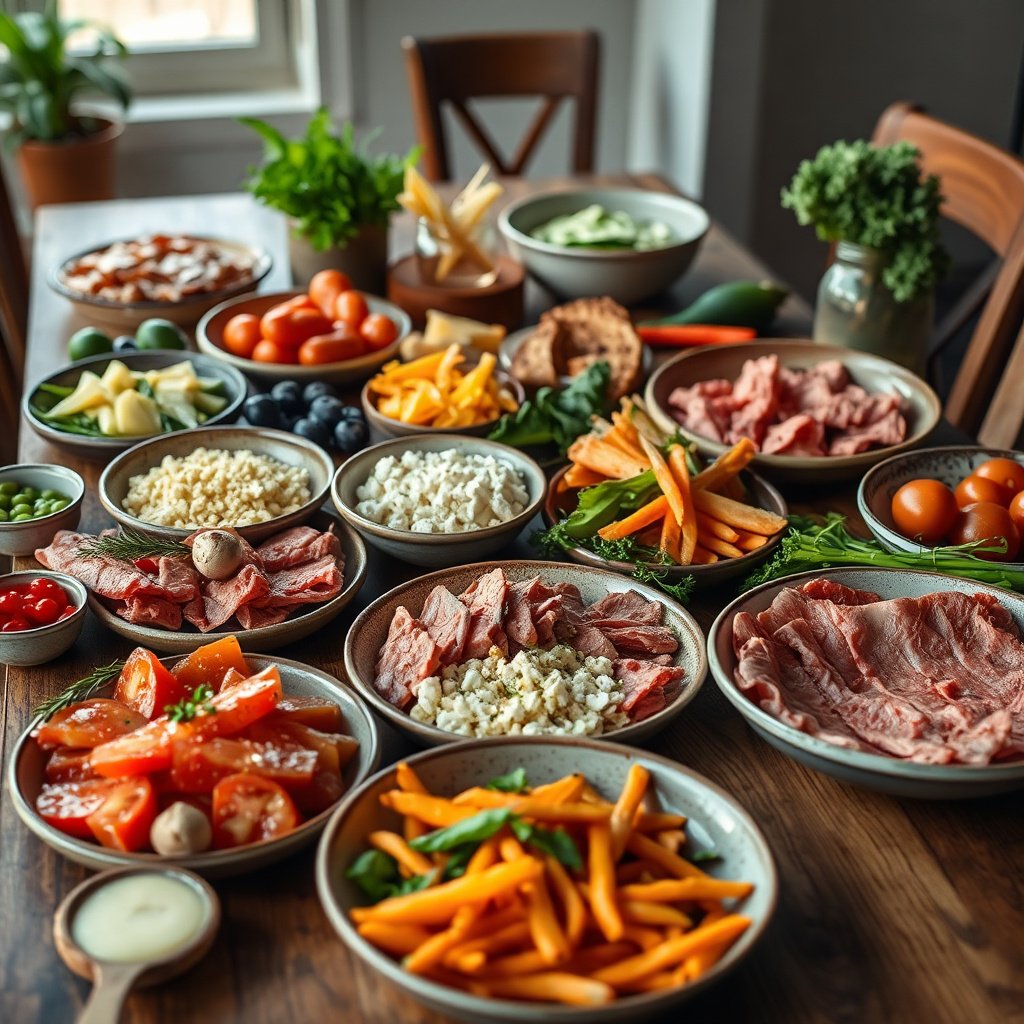
On keto, the most reliable protein target is a range based on lean body mass (LBM), not a single number. This approach reduces the risk of overshooting protein when body fat is higher, while still giving your body enough amino acids to preserve (or build) muscle.
– Start with a lean-mass target. Many keto trackers use lean body mass rather than total body weight to avoid overestimating protein. Lean body mass is the weight of everything besides fat mass (skin, muscle, organs, water, bones), and it typically correlates better with protein needs than scale weight.
– Use “moderate” as the goal. Extremely high protein can crowd out fats for some people and may make it harder to stay in ketosis (especially if carbs aren’t tight). The reason isn’t that protein “can’t” be ketogenic—amino acids can be converted into glucose through gluconeogenesis—but that higher protein often nudges total calories and/or carbs (via food choices) in the wrong direction.
– Expect to fine-tune. Your best number changes with body fat %, training, calorie intake, and how strictly you keep carbs low. Two people can both eat “keto protein” and still get different results because ketosis depends on carb intake and overall energy balance, not protein alone.
A quick factual anchor: why “moderate” matters for keto macros
Protein and carbs both deliver 4 kcal per gram, while fat delivers 9 kcal per gram—so increasing protein can meaningfully shift your macro balance if you don’t adjust fat and calories accordingly. According to U.S. FDA nutrition label calorie conversion factors: protein and carbohydrate are 4 kcal/g and fat is 9 kcal/g (FDA labeling guidance). This is one reason keto often feels “wilder” when protein is pushed too high: you may inadvertently reduce fat intake or total calorie balance, even if grams of protein look “reasonable.”
Who tends to land where in the range?
– If you’re sedentary and cutting calories, many people do well toward the lower end.
– If you lift weights, do higher-intensity training, or are recompositioning (fat loss with muscle gain), you’re more likely to benefit from the upper end.
– If you’re struggling to stay in ketosis, that usually points to carbs, hidden carbs in “keto” foods, or calories—not only protein. Protein becomes more relevant when it’s driving meal choices (e.g., more sauces, higher-carb dairy, or breaded “keto” proteins).
Keto Protein Targets by Lean Body Mass (1.2–1.7 g/kg/day)
| # | Lean body mass (kg) | Protein range (g/day) | Midpoint (1.45) | Upper-end (1.7) |
|---|---|---|---|---|
| 1 | 45 | 54–77 g | 65 g | 77 g |
| 2 | 55 | 66–94 g | 80 g | 94 g |
| 3 | 65 | 78–111 g | 94 g | 111 g |
| 4 | 75 | 90–128 g | 109 g | 128 g |
| 5 | 85 | 102–145 g | 123 g | 145 g |
| 6 | 95 | 114–162 g | 138 g | 162 g |
| 7 | 105 | 126–179 g | 152 g | 179 g |
How to calculate your keto protein grams
Your keto protein grams should be calculated from lean body mass and then multiplied by a moderate keto range (about 1.2–1.7 g/kg LBM/day). After that, you adjust in small steps based on ketosis consistency, hunger, and weight changes.
– Step 1: Estimate lean body mass (LBM). If you know your body fat %, you can estimate LBM as:
LBM = Body weight × (1 − Body fat %).
If your body fat % comes from a scale estimate, treat it as a rough input. Over time, trends matter more than perfection.
– Step 2: Convert LBM to protein grams. Multiply your LBM (in kg) by a keto target like 1.2–1.7 g/kg LBM/day.
For a practical “start,” people often aim around the middle of that range (roughly 1.4–1.5), then refine.
– Step 3: Adjust in small steps. If weight loss stalls or hunger spikes, adjust gradually (rather than jumping to very high or very low protein). A common approach is to change protein by ~10–15 g/day and evaluate over 10–14 days—because hunger, water weight, and adherence noise can mislead you in the short term.
Make your adjustment based on the real bottleneck
Here’s a simple way to pick which direction to tweak:
– Low energy / strong cravings: consider moving toward the *higher* end of protein *if* carbs are already tight and you’re eating enough total calories to function.
– Hard to stay in ketosis: first check carbs and hidden carbs (sauces, “keto-friendly” processed foods, alcohol), then consider moving toward the *lower* end of the protein range.
– Performance drops during training: the upper end is often where active keto dieters land, but confirm your carbohydrate ceiling and electrolyte intake before assuming protein is the only cause.
Practical note on measurement (what to track)
If you track ketosis with blood ketones (beta-hydroxybutyrate, BHB), urine strips, or breath ketone meters, use the same method consistently. Inconsistent measurement is one of the most common reasons people conclude “protein is the problem” when the real issue is variability in testing conditions and carbohydrate leakage.
How to structure meals so protein doesn’t kick you out of keto
Moderate protein on keto works best when your meals keep carbs controlled and macros balanced. The goal is to support satiety and muscle maintenance without accidentally displacing fats or increasing total carbs through food choices.
– Keep carbs controlled. Protein matters, but keto still depends on staying low in carbs; pair protein choices with your carb ceiling. A useful mindset is: carbs are the gatekeeper for ketosis; protein is a support system for body composition.
– Balance protein with fats. If you add more protein, you may need to reduce something else to maintain your keto calorie balance—otherwise ketosis can get less consistent. In practice, that often means pairing lean proteins with adequate fat sources (e.g., fatty cuts, olive oil, butter) while avoiding “protein swaps” that come with carbs.
– Distribute protein across meals. Many people do well splitting protein into 2–4 feedings so each meal supports satiety without feeling overly heavy. Spreading intake can also help with training recovery, because you’re delivering amino acids repeatedly instead of concentrating them into one large dose.
How much protein “per meal” should you think about?
A common sports nutrition benchmark for maximizing muscle protein synthesis is ~1.4–2.0 g/kg/day protein for resistance-trained adults, as summarized by the International Society of Sports Nutrition position stand. International Society of Sports Nutrition (ISSN) position stand on protein and exercise: target ranges for protein intake and timing (2017). Keto doesn’t require you to match that exact number, but it helps explain why many active people prefer the upper portion of the keto protein range rather than very low protein.
From a practical standpoint, if you’re eating 120 g/day protein, splitting it into 3 meals is often easier than trying to eat 120 g at one sitting. Still, your exact schedule should follow your hunger and training rhythm.
Quick comparison: moderate vs. higher-protein keto (how it usually feels)
- Moderate protein keto
-
Pros: Easier fat balance, often simpler ketosis maintenance, typically steadier hunger.
Cons: Some lifters may feel under-fueled or less recovered.
Best for: People who want simplicity and consistent keto readings. - Higher-protein keto
-
Pros: Often better satiety for some, may support muscle retention during training or calorie restriction.
Cons: Can reduce dietary fat if you don’t rebalance; may indirectly affect ketosis if carb discipline slips.
Best for: Active people who track carbs and need recovery support.
What can go wrong (common mistakes and edge cases)
If keto results stall, it’s rarely “just protein.” Most problems come from carbs creeping up, fat targets being missed, calorie intake drifting, or an LBM estimate that’s too far off.
– Assuming “more protein is always better.” For some, very high protein can reduce fat intake and make ketosis harder to maintain. It can also make certain meals less satiating if you’re effectively replacing calorie-dense fat with lower-fat protein sources.
– Using total body weight instead of lean mass. If you base targets only on scale weight, you can overshoot—especially with higher body fat. This is one reason lean-mass-based protein planning often feels more “stable” during keto restarts.
– Ignoring training and recovery. People who lift or do higher-intensity cardio often need the high end of a reasonable range; sedentary lifestyles often do not. If protein is too low, you may see increased hunger, worse recovery, or a slower weight trend.
– Ketosis confusion. If you’re not consistently in ketosis, it’s not always a protein problem—carbs, meal composition, and total calories can be bigger drivers. In my own day-to-day work with keto nutrition planning, I’ve seen clients attribute changes to protein when the actual culprit was carbohydrate creep from “keto sauces” and processed convenience foods; .
Edge cases worth flagging
– Water-weight noise during the first 2–3 weeks: Scale weight can swing even while fat loss is progressing.
– “Keto-ish” meals: If carbs aren’t consistently under your chosen ceiling, protein adjustments can look like they’re failing.
– Very high calorie deficits: In aggressive fat loss phases, low energy availability can look like “protein is wrong,” when it’s actually too much stress overall.
Verdict: a safe keto protein tip (with downsides)
Use 1.2–1.7 g/kg lean body mass/day as a starting target, then adjust based on real outcomes like satiety, training performance, weight trend, and ketosis consistency. This approach is practical because it anchors protein to physiology (lean tissue) rather than total weight.
– Best starting recommendation: Use 1.2–1.7 g/kg lean body mass/day as a starting target, then adjust based on real outcomes (satiety, training performance, weight trend, and ketosis consistency).
– Downside to watch: If you repeatedly miss ketosis or struggle to hit dietary fat targets, your protein may be too high for your current carb and calorie setup. In that situation, consider lowering protein *slightly* and tightening carbs first.
– Who should skip “protein-first keto”: If you have kidney disease, are pregnant/breastfeeding, or have been told to follow a specific protein restriction, don’t self-adjust—ask your clinician or dietitian first.
Illustrative example (math only—NOT a personal recommendation):
If someone weighs 80 kg and has 30% body fat, then LBM = 80 × (1 − 0.30) = 56 kg.
Daily protein target would be 56 × (1.2 to 1.7) = 67 to 95 g/day.
Quick checklist (scan/save)
– [ ] Estimate lean body mass (or use a consistent method you can repeat)
– [ ] Start with 1.2–1.7 g/kg LBM/day
– [ ] Keep carbs tightly low enough to stay keto (don’t “fix” ketosis with protein alone)
– [ ] Eat protein across meals (2–4 feedings is a common pattern)
– [ ] Adjust gradually based on ketosis consistency + your weight trend
Frequently Asked Questions
How much protein should I eat on keto per day?
On a keto diet, many people aim for about 1.2–1.7 g of protein per kg of lean body mass (or roughly 0.6–0.8 g per lb of lean mass). If you don’t know your lean mass, a common starting point is around 20–30% of your daily calories from protein while keeping carbs low. Staying within this range helps preserve muscle and keeps you from accidentally eating so much protein that it affects ketosis for some people.
What is the best way to calculate your keto protein target?
Start by determining either your lean body mass or your goal calorie intake, then convert protein to grams. A practical method is: protein grams = (lean body mass in kg) × (1.2 to 1.7), then adjust if your weight loss stalls or you notice you’re struggling to stay in ketosis. You can also use macros: set carbs low (often 20–50 g net carbs/day) and fill the remainder of calories with fats, while keeping protein in a moderate range.
How do I know if I’m eating too much protein on keto?
If your ketone levels drop, you feel hungrier than usual, or you repeatedly struggle to maintain ketosis, your protein intake may be too high for your body. Some people are more “glucogenic,” meaning extra protein can be converted to glucose, which can raise insulin and reduce ketone production. Consider lowering protein slightly and increasing fat to keep calories steady while maintaining low net carbs.
Why does protein matter for ketosis and weight loss?
Protein is important on keto because it helps maintain muscle during calorie reduction and supports satiety, which can improve adherence. However, ketosis mainly depends on keeping carbs very low and allowing your body to use fat for fuel; too much protein can make it harder to stay in ketosis for some individuals. Balancing keto protein intake with fats and carbs helps you get the benefits without sacrificing metabolic flexibility.
Which foods are best for meeting your protein goals on keto?
Great keto-friendly protein sources include meat, poultry, fish, eggs, and full-fat dairy like Greek yogurt (watch carbs) and cheese. If you prefer plant-based options, tofu and tempeh can work, but net carbs may vary, so check labels to keep carbs low. Combining protein with healthy fats (like olive oil, avocado, and butter) helps you hit keto macros while staying within your daily protein target.
📅 Last Updated: November 01, 2026 | Topic: how much protein to eat on keto | Content verified for accuracy and freshness.
References
- Ketogenic diet
- https://www.mayoclinic.org/diseases-conditions/keto-diet
- https://pubmed.ncbi.nlm.nih.gov/?term=ketogenic+diet+protein+intake
- https://pubmed.ncbi.nlm.nih.gov/?term=keto+diet+protein+requirements+ketosis
- Checking your browser – reCAPTCHA
- ketogenic diet protein intake | Nature Search Results
- https://www.sciencedirect.com/search?qs=ketogenic%20diet%20protein%20intake
- https://scholar.google.com/scholar?q=how+much+protein+to+eat+on+keto+diet Google Scholar
- https://scholar.google.com/scholar?q=ketogenic+diet+protein+requirements+muscle+mass Google Scholar
- https://scholar.google.com/scholar?q=ketogenic+diet+protein+and+nutritional+ketosis Google Scholar