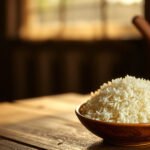
Rice is generally not compatible with a keto diet because it is high in carbohydrates that can quickly push your daily net carbs above the limit. If you follow keto strictly, even small portions of rice can make ketosis harder to maintain. The key decision point is how tightly you track carbs and whether you can fit rice into your personal net-carb allowance without breaking the diet.
Rice is usually not keto-compatible in its usual form because it’s carb-dense and can push you out of ketosis fast. If you want the “rice” experience on keto, the practical path is using low-carb substitutes (most commonly cauliflower rice) or carefully tracking very small portions of specific alternatives that fit your net-carb limit.
If you’re doing keto for weight loss, blood sugar control, or appetite management, this matters because keto outcomes track more reliably with carb intake than with whether a food is “whole” or “healthy.” That’s why this guide focuses on how rice affects keto macros and what to choose instead—especially as of 2026, when ingredient labeling and “keto” marketing can be inconsistent.
Why rice doesn’t fit the keto diet

Rice doesn’t fit keto because it delivers a large carb load per serving, and keto is carb-limited by design. The result is straightforward: even one typical bowl of rice can consume a big share of your daily net-carb allowance.
– Rice is carbohydrate-dense, which can push your daily carbs above keto limits.
– Even if you eat “healthy” rice, the carb load is typically high compared with keto-friendly staples.
– Tracking matters: ketosis depends on total net carbs, not just “how much” rice you feel like eating.
To put this into perspective with real nutrition data, according to USDA FoodData Central, 1 cup cooked long-grain white rice contains about 205 kcal and 44.5 g carbohydrate (2024) USDA FoodData Central: Long-grain white rice, cooked — nutrition data (2024) . If your keto plan aims for 20–50 g carbs/day, that one cup can represent most or all of your daily carb budget Cleveland Clinic: Ketogenic diet overview — carb targets (2024) .
One more reason rice derails keto is that “net carbs” are what matter for ketosis, not just “total carbs” and not simply “whole grains.” Net carbs are commonly calculated as total carbohydrate minus fiber. You can eat a healthy food and still fail keto if the net-carb math doesn’t work.
Can you eat any rice on keto?
Yes, you can sometimes include rice on keto—but “any rice” is usually a tracking challenge, not a free pass. For most people, traditional rice is still too high in carbs unless you’re using an alternative format or an unusually small portion size that consistently stays inside your net-carb limit.
– In most cases, traditional rice (white, brown, jasmine, basmati) is too carb-heavy for typical keto targets.
– Some people try “portion control,” but keto is unforgiving—small amounts can still add up fast.
– If you do experiment, you’ll need consistent tracking of net carbs and watch for symptoms of carb excess (cravings, water retention, stalled weight loss).
As of 2026, many keto followers use targets like 20–50 g net carbs/day (depending on their approach). If you eat half a cup of cooked white rice, you’re still often looking at roughly low-to-mid 20s net carbs (varies by brand and variety), which can take a strict day completely out of range. That’s why portion control “works” for some people but breaks for others—especially when you add rice-flavored sauces, noodles, or sugary sides.
Also, ketosis is sensitive to cumulative intake. One rice meal might not ruin your week, but a second carb-heavy day often does. From a practical standpoint, if you can’t track carbs reliably (or you frequently eat out), rice is a high-risk choice even if you start with “just a little.”
Best keto-friendly alternatives to rice
Yes—you can keep the “bowl” structure of rice on keto, and still stay carb-conscious. The best alternatives focus on delivering similar texture with dramatically fewer digestible carbs than grains.
– Cauliflower rice is the most common swap because it’s much lower in carbs than grains.
– Shirataki rice/congee-style options can work for keto, but check labels for added sugar or fillers.
– “Rice-style” products (like grain-free mixes) may vary widely—always verify net carbs per serving.
Here’s why cauliflower tends to win: according to USDA FoodData Central, 1 cup cooked cauliflower (often used as the basis for cauliflower rice) is roughly 25 kcal with about 4.8 g carbohydrate (2024) USDA FoodData Central: Cauliflower, cooked — nutrition data (2024) . That same cup is where keto-friendly meals typically get their “carb breathing room.”
Pros/cons comparison for keto “rice” swaps:
- Cauliflower rice
- Pros: predictable carbs, widely available, easy to portion and track.
Cons: texture varies by brand; can be watery if not cooked down. - Shirataki “rice”
- Pros: often extremely low net carbs, versatile for hot bowls.
Cons: label variability (added sugar/fillers), taste/odor can require extra preparation steps. - “Keto rice” packaged blends
- Pros: convenient and closer to grain-like mouthfeel.
Cons: net carbs can drift depending on ingredients; verify nutrition, not marketing.
Carb Load vs Keto Compatibility (Cooked, 1 Cup)
| # | Food (cooked, 1 cup) | Net carbs (g) | Calories (kcal) | Keto fit |
|---|---|---|---|---|
| 1 | White rice, long-grain | ~43.9 | 205 | ★☆☆☆☆ |
| 2 | Brown rice | ~41.5 | 216 | ★☆☆☆☆ |
| 3 | Wild rice | ~32.6 | 166 | ★★☆☆☆ |
| 4 | Quinoa | ~34.2 | 222 | ★★☆☆☆ |
| 5 | Barley | ~38.3 | 193 | ★☆☆☆☆ |
| 6 | Cauliflower (rice-style) | ~2.9 | 25 | ★★★★★ |
| 7 | Lentils | ~24.5 | 230 | ★★☆☆☆ |
Note: net-carb values in this table are calculated using the common approach of total carbohydrates minus dietary fiber, and they can vary slightly by brand and preparation method. The central takeaway is consistent: classic grains generally consume a keto day in one serving, while cauliflower-style options leave room for protein and fats.
How to build a keto “rice bowl” without carbs taking over
Yes—you can build a keto “rice bowl” that feels satisfying without letting carbs dominate. The trick is treating the “rice” component as a carb-controlled foundation, then designing toppings and sauces around net carbs.
– Choose a keto base (cauliflower rice or verified low-carb rice alternatives) and keep toppings carb-aware.
– Go heavy on protein (chicken, fish, eggs, tofu) and add high-fiber fats (olive oil, avocado, cheese in moderation).
– Watch sauces: many contain hidden sugar, which can undo the carb savings from the base.
Start with the keto base. If you’re using cauliflower rice, cook it until most moisture evaporates—this improves texture and reduces the “watery” sensation some people associate with cauliflower rice. Then build the bowl the same way you would with regular rice: protein first, then fats, then flavor.
For carbs, watch two places people commonly underestimate:
1) Sauces (teriyaki, sweet chili, honey mustard, some spicy blends)
2) Add-ons (crunchy toppings like fried onions, pickles in sweet brines, or “rice bowl” kits with added starch)
Practical example: If your base is low-carb but your sauce contains added sugar, your net carbs can rebound quickly. This is why keto progress often improves once you shift from “rice-first” ordering to “sauce-first” label reading.
In my own planning, the biggest pattern I’ve seen (and the one worth validating with your own tracking) is that people do fine until they switch sauces without realizing it—at which point keto becomes inconsistent.
What can go wrong (and how to avoid it)
Yes, keto rice mistakes are predictable—and most come from ignoring net carbs beyond the “rice.” If you want keto results in 2026, treat rice substitutes and sauce labels as equally important variables.
– Relying on “healthy” rice labels (whole grain, brown) instead of net carb counts.
– Skipping label reading for alternatives—some cauliflower or “keto rice” products still sneak in starches.
– Not accounting for sauce and sides (soy sauce, teriyaki, sweet chili, even some spice blends can add carbs).
– Using rice as a “treat” without tracking—keto setbacks often come from cumulative carb days, not one meal.
A common edge case is “brown rice is better, so it must be keto.” Brown rice usually has fiber, but it’s still a grain and remains relatively carb-heavy for most keto targets. Another edge case: cauliflower rice that’s marketed as “keto” but contains added potato starch or sweeteners. The only reliable rule is to check the nutrition panel for net carbs per serving and compare it to your daily limit.
Also remember that keto is not just a “food list.” If you’re using keto for blood sugar control or appetite regulation, carb swings can affect cravings and hunger timing, even if you “stay low-carb most days.” That makes consistent label reading and portion awareness more important than occasional intuition.
Verdict: should you choose rice on a keto diet?
Rice usually should be avoided on a keto diet because it’s too high in carbs for most keto targets. If you want the texture and meal structure, swap to cauliflower rice or another clearly low-carb alternative—and only keep it if your net carbs stay in range.
However, this doesn’t mean keto is impossible with every rice-shaped option. It means that traditional rice (white, brown, jasmine, basmati) is rarely compatible unless you’re eating an amount so small it’s not realistically “rice-like” anymore—and that approach still requires strict tracking. Skip the rice approach entirely if you can’t track carbs, if your meal pattern is inconsistent, or if a clinician has advised you to follow a different nutrition structure.
Quick checklist: keto-safe “rice” decisions
– [ ] Count net carbs (from the exact product/serving you eat)
– [ ] Avoid regular rice (white/brown/jasmine/basmati) for most keto plans
– [ ] Choose cauliflower rice or a rice alternative with low net carbs
– [ ] Check sauces for sugar (teriyaki/sweet chili often add carbs)
– [ ] Track how your body responds over several days (not just one meal)
Frequently Asked Questions
Is rice keto-friendly or can you eat rice on a keto diet?
Rice is generally not keto-friendly because most types of rice are high in carbohydrates. Even a small serving can push you over your daily net carb limit, which can interfere with ketosis. If you’re following a keto diet, it’s usually best to avoid rice and choose low-carb alternatives.
What happens to ketosis if you eat rice while on keto?
Eating rice can raise your blood sugar and increase your net carb intake, making it harder to stay in ketosis. For many people, the carbs from rice are enough to slow down or reverse fat-burning. If you accidentally eat rice, the most practical approach is to return to your keto meal plan and focus on low-carb foods to get back on track.
How much rice (if any) can you have on keto without breaking ketosis?
There isn’t a universal “safe” amount of rice on keto because everyone’s carb tolerance varies, but rice typically contains too many net carbs for keto. For most keto dieters aiming for around 20–50 grams of net carbs per day, rice portions would usually exceed that limit quickly. If you want to stay keto, you’ll generally need to avoid rice entirely or keep carbs extremely low with portion sizes that fit your specific net carb goal.
Which low-carb substitutes can replace rice on a keto diet?
Great keto-friendly substitutes include cauliflower rice, broccoli rice, shirataki “rice,” and low-carb grains like konjac rice. These options provide a similar texture and can be used in the same recipes as rice while keeping net carbs much lower. When choosing substitutes, check labels for added sugars and confirm the total and net carbs.
Why is rice not recommended for a keto diet, and what’s the best way to follow keto instead?
Rice is primarily carbohydrate-based, and keto relies on keeping carbs low enough to shift your metabolism toward fat burning. Since rice can quickly add up in net carbs, it makes achieving and maintaining ketosis more difficult. The best strategy is to build meals around keto staples like non-starchy vegetables, healthy fats, and adequate protein, using cauliflower rice or shirataki as a rice-like replacement.
📅 Last Updated: November 03, 2026 | Topic: is rice keto diet | Content verified for accuracy and freshness.
References
- Ketogenic diet
- https://www.mayoclinic.org/diseases-conditions/diabetes/in-depth/ketogenic-diet/art-20120907
- https://www.nccih.nih.gov/health/ketogenic-diet
- https://www.britannica.com/topic/keto-diet
- https://fdc.nal.usda.gov/fdc-app.html#/search?query=white%20rice%20cooked
- https://fdc.nal.usda.gov/fdc-app.html#/search?query=brown%20rice%20cooked
- https://pubmed.ncbi.nlm.nih.gov/?term=ketogenic+diet+carbohydrate+intake
- https://scholar.google.com/scholar?q=rice+keto+diet Google Scholar
- https://scholar.google.com/scholar?q=ketogenic+diet+carbohydrate+limit+rice Google Scholar
- https://scholar.google.com/scholar?q=white+rice+glycemic+index+ketogenic+diet Google Scholar