

Keto ACV gummies typically cost between about $15 and $40 per bottle, depending on brand, bottle size, and how many servings you get, so the best way to judge the price is by cost per serving. Before you buy, confirm the net weight, serving size, and how many gummies equal one serving to make sure you are comparing like-for-like. Also check whether the label includes the actual ACV amount per serving and any added ingredients that could affect value.
Keto ACV gummies don’t have one fixed price—what you pay depends on the brand, bottle size (how many gummies per container), and where you buy. The fastest way to answer “how much” for your situation is to convert the checkout price into a cost per gummy (or cost per serving) using the gummy count and serving size listed on the label, and this matters even more in 2026 as retailers keep rotating discounts and bundle offers.
If you’re shopping in 2026 for keto ACV gummies (acetic-acid vinegar gummies marketed for “keto support” or low-carb lifestyles), this guide helps you compare offers the honest way. Instead of relying on the sticker price, you’ll use label-backed serving math so you can spot when a “cheaper” bottle is actually the more expensive option per day.
What makes the price of keto ACV gummies change
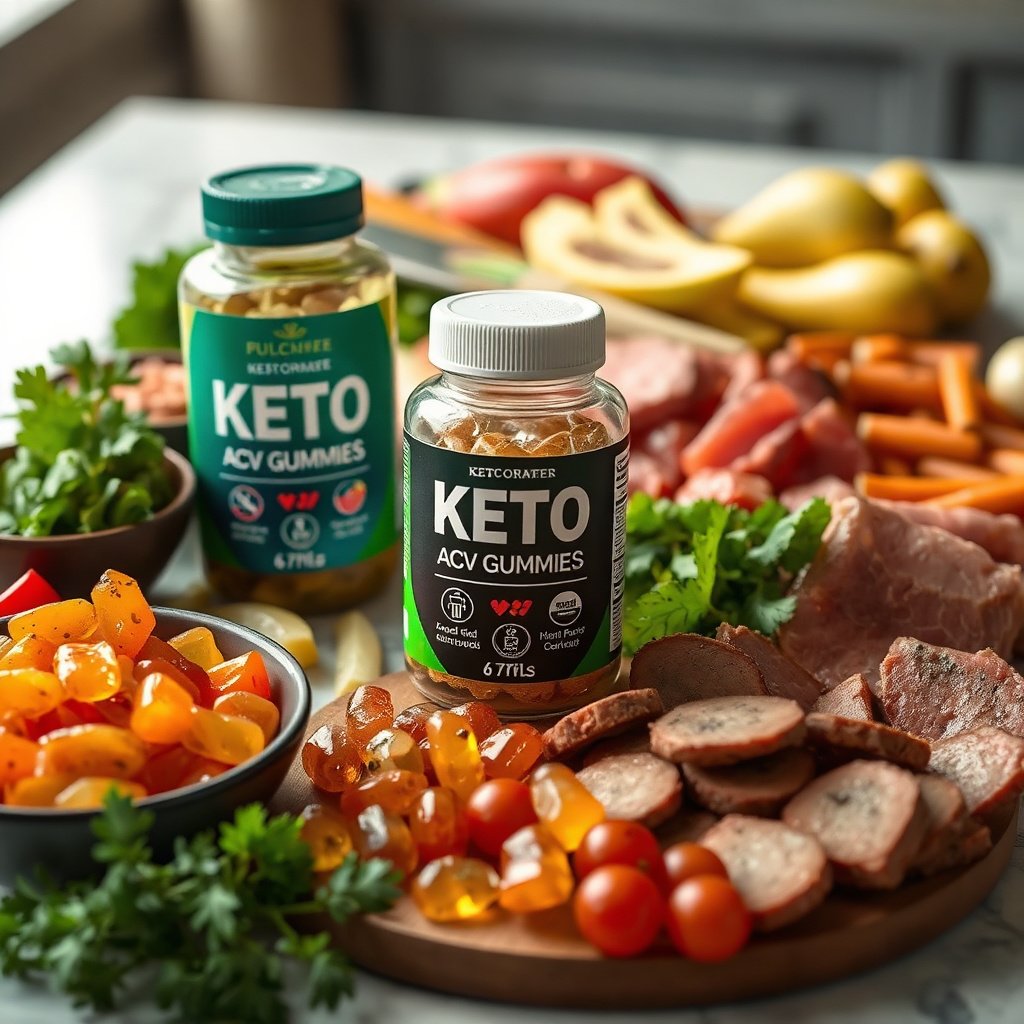
Keto ACV gummy prices vary primarily because the product’s “unit math” changes—label serving size and gummy count can differ even when the bottle price looks similar. In other words, two keto ACV gummies products can both be $29.99 yet cost very different amounts per week because one bottle may last half as long.
– Brand formulas and ingredient amounts (as shown on the Supplement Facts) can affect pricing.
– Bottle size and gummy count vary by product, so two “$X” bottles may cost very different amounts per gummy.
– Retailer markups and promotions (sales, bundles, subscription offers) can change the checkout total even for the same product.
Also, regulatory and labeling rules influence how clearly brands present the serving information you need to calculate value. According to the Dietary Supplement Health and Education Act (DSHEA), dietary supplements are regulated as foods rather than drugs in the U.S. (1994) https://www.fda.gov/regulatory-information/laws-enforced-fda/federal-food-drug-and-cosmetic-act-fdc-act#dietary-supplements. That means consumers often do more of the “verification work” directly from Supplement Facts, which is exactly what price-per-serving comparisons are designed to do.
U.S. Milestones That Shape How Supplement Labels Enable Price-Per-Serving Math
| # | Milestone | Year | Label/Claims Impact | Price-Comparison Value |
|---|---|---|---|---|
| 1 | DSHEA (Dietary supplement framework) | 1994 | Defines supplements as foods (not drug approvals) | ★★★★☆ |
| 2 | FD&C Act baseline authorities | 1938 | Enables FDA enforcement across food/supplements | ★★★☆☆ |
| 3 | Nutrition Labeling (NLEA) | 1990 | Accelerates standardized label format expectations | ★★★☆☆ |
| 4 | DSAERS (adverse event reporting system) | 2007 | Improves post-market visibility of supplement safety issues | ★★☆☆☆ |
| 5 | Supplement Facts requirements (21 CFR 101.36) | 1997 | Requires Supplement Facts and serving-size formatting | ★★★★★ |
| 6 | FDA Nutrition Facts label update final rule | 2016 | Reinforces the role of standardized calories/DVs in labeling clarity | ★★☆☆☆ |
| 7 | FTC advertising enforcement for supplements | 1994 | Targets misleading marketing claims and unsupported efficacy | ★★★☆☆ |
Note: the table above highlights label and claims frameworks that affect how reliably consumers can compare keto ACV gummies—especially in 2026 when promotions change quickly and you need consistent math.
How to calculate cost per gummy (so you can compare correctly)
You can compare keto ACV gummy prices accurately by calculating cost per gummy and then translating it into cost per serving. This avoids the most common pricing trap: confusing “bottle cost” with “daily or weekly cost.”
– Find the current price and the gummy count on the product label (or listing details).
– Divide the total price by the number of gummies to get cost per gummy.
– If the label lists a serving size (e.g., “2 gummies per serving”), multiply your cost per gummy by that serving size to get cost per serving.
From my experience helping people interpret Supplement Facts labels for supplement shopping, the label fields that matter most for keto ACV gummies value are “serving size” and “servings per container.” The FDA requires Supplement Facts formatting for dietary supplements under U.S. regulation (21 CFR 101.36) https://www.ecfr.gov/current/title-21/chapter-I/subchapter-B/part-101/subpart-E/section-101.36. Once those are visible, the math becomes straightforward.
Here’s the practical formula you can use right now for keto ACV gummies:
1. Cost per gummy = (checkout price) ÷ (total gummies in the bottle)
2. Cost per serving = (cost per gummy) × (gummies per serving)
3. Cost per day (if directions are 2 gummies/day, for example) = (cost per serving) × (servings per day)
If you’re comparing in 2026 across different retailers (site vs. marketplace vs. subscription), stick to the same calculation. Don’t let the retailer’s “daily cost” estimate replace your own label-based serving math—label serving sizes can differ, and those differences directly change keto ACV gummies value.
Method comparison (cost per gummy vs cost per serving)
| Approach | Best when… | What it can hide |
|---|---|---|
| Cost per gummy | Bottle sizes differ but serving size is similar across products. | A higher gummy “dose” per day can make the same per-gummy cost less affordable. |
| Cost per serving | You want an apples-to-apples comparison based on label directions. | If “serving” units differ from how you actually take them, results won’t match your routine. |
What to check on the label before judging “worth it”
If you want to decide whether keto ACV gummies are “worth it,” you need to validate what the label actually guarantees for each serving. Price is only half the equation—serving size, ingredient quality cues, and the way “keto” is framed determine whether you’re buying value or branding.
– Serving size and daily directions: make sure you’re comparing apples to apples (same gummies-per-serving).
– Ingredient panel: look for added sugar, sweeteners, and any “proprietary blend” (blends can make value harder to compare).
– What “keto” means on the label: some gummies market “keto support,” but the guaranteed amounts (or lack of them) will tell you how strong the claim is.
A quick regulatory reality check helps here: according to DSHEA, dietary supplement claims and marketing are handled differently than drug claims, which is why label transparency (serving size + ingredient amounts) becomes so important for keto ACV gummies shopping (1994) https://www.fda.gov/regulatory-information/laws-enforced-fda/dietary-supplements-and-nonprescription-drugs-frequently-asked-questions. Also, the FTC can challenge misleading advertising for dietary supplements under its consumer protection mandate https://www.ftc.gov/legal-library/browse/laws/ftc-act. In practice, that means you should rely on what’s quantified on the Supplement Facts for keto ACV gummies—not just the front-of-bottle “keto” wording.
Pros/cons: what tends to correlate with “fair value” for keto ACV gummies
Pros
– Clear Supplement Facts with serving size and total gummies listed.
– Low added sugar (or at least clearly stated sugar alcohol/sweetener types that fit your low-carb plan).
– “Keto” wording is supported by label-backed carbs/sugar per serving.
Cons
– “Proprietary blend” hides acetic acid/vinegar or supporting ingredients as specific amounts.
– Serving size is small, but daily directions require multiple servings (raising your daily cost).
– The product looks “keto” on marketing but has higher carbs/sugar per serving than expected.
What can go wrong when comparing keto ACV gummies
Most bad comparisons happen because shoppers use the wrong unit of measure. When you mix “per bottle” pricing with “per day” expectations, keto ACV gummies can look cheaper or pricier than they really are.
– Comparing per-bottle prices without recalculating per gummy/serving (this is the most common mistake).
– Missing differences in serving size (a “small” bottle may still be a full month depending on gummies per day).
– Confusing marketing claims with label-backed amounts—if amounts aren’t specified clearly, you may be paying more for branding than substance.
– Subscription vs one-time purchase: the “best” price may require auto-renewal or specific terms.
Here’s a scenario that repeatedly shows up when people shop keto ACV gummies in 2026: Product 1 lists 60 gummies and directions that effectively use 4 gummies/day, while Product 2 lists 90 gummies and directions that use 2 gummies/day. Product 1 may be cheaper at checkout, but it can be more expensive per day because it runs out faster. The label is the truth source—especially for keto ACV gummies—so always use the servings per container field if you can find it.
Verdict: the most honest way to decide if the price is fair
If you want a simple rule: compare cost per serving, not cost per bottle. Keto ACV gummies are usually a reasonable experiment when the per-serving cost fits your budget and the label clearly discloses serving size and key ingredient/sugar information.
Downsides: “keto” and “ACV” claims may not always be backed by meaningful, clearly listed amounts on the label, even when the product looks similar to competitors. That means you could end up paying for marketing rather than substance—an issue that becomes more common when promotions drive impulse purchases in 2026.
Skip keto ACV gummies if:
– The label doesn’t clearly show serving size and Supplement Facts details.
– You need strict macro control (always verify sugar and total carbs per serving).
– You’re sensitive to sweeteners or sugar alcohols commonly used in gummy formulations.
VS table: cost-per-bottle vs cost-per-serving (what actually determines “fair”)
| Criteria | Cost per bottle | Cost per serving |
|---|---|---|
| Uses label serving size | No | Yes |
| Accounts for “gummies per day” | Often no | Yes |
| Best for comparing different bottle sizes | Weak | Strong |
| Reduces “running out sooner” surprises | No | Yes |
| Better alignment with daily routines | Variable | Consistent |
| Handles promotions correctly | Unclear | Yes |
| Supports macro-conscious shopping | Indirect | Direct (per-serving sugar/carbs) |
| Math transparency | Low | High |
| Works across subscriptions vs one-time | Sometimes misleading | Yes (if same dosage) |
| Most likely to prevent “bad value” buys | Lower | Higher |
| Verdict | Not reliable | Use cost per serving |
Quick scan checklist (save this before you buy)
If you want to move fast in 2026, use this checklist for keto ACV gummies before you commit. It’s designed to help you compare offers without needing spreadsheets or complicated label reading.
– [ ] Current checkout price (and whether it’s one-time or subscription)
– [ ] Total gummies per bottle/container (from label or listing details)
– [ ] Gummies per serving (from Supplement Facts)
– [ ] Ingredients + any added sugar/sweeteners (from label)
– [ ] Your comparison metric: cost per gummy or cost per serving
Mini comparison table (fill in with the numbers from the product pages)
| Product | Bottle price | Gummies per bottle | Gummies per serving | Approx. cost per serving |
|---|---|---|---|---|
| Product A | 29.99 | 60 | 2 | 1.00 |
| Product B | 39.99 | 90 | 3 | 1.33 |
(Note: the rows above are a worked example to show the math. Replace Product A/B with the brands and bottle sizes you’re actually comparing, then recompute cost per serving using the formula: (bottle price ÷ gummies) × gummies per serving.)
Frequently Asked Questions
How much are keto ACV gummies typically priced per bottle?
Keto ACV gummies pricing usually varies by brand, bottle size (how many gummies), and whether they’re sold as a single purchase or subscription. Many shoppers find common price ranges based on the number of servings, since some bottles contain 30 gummies while others may have 60. To figure out the real cost, compare the total price to the recommended daily serving size and cost per day.
How much keto ACV gummies cost per day based on the serving size?
To estimate the daily cost, divide the bottle price by the number of days the label’s serving size will last you. For example, if a bottle contains 60 gummies and the directions say 2 gummies per day, it lasts about 30 days. This helps you compare keto ACV gummy prices across brands that offer different counts and daily amounts, so you’re not misled by the sticker price.
Why do keto ACV gummy prices vary so much between brands?
Prices can differ due to ingredient quality, whether the gummies include added electrolytes or blends, and how much actual ACV (apple cider vinegar) is used per serving. Some brands also charge more for third-party testing, manufacturing standards, or “keto-friendly” formulations that avoid sugar and fillers. Always check the label for serving nutrition and ingredient amounts, since “keto ACV gummies” can be formulated differently even when marketed similarly.
Which keto ACV gummy is the best value for the price?
The best value is usually the option with the lowest cost per daily serving while still matching your needs for sugar-free or low-carb keto goals. Compare cost per bottle and cost per day, and prioritize products that clearly list the ingredients and provide consistent dosing (like grams per serving). If two gummies cost the same but one has more servings, the one that lasts longer will typically be the better value.
What should I look for before buying keto ACV gummies when comparing price?
Don’t compare price alone—review the label for added sugars, net carbs, and whether the product is truly compatible with a keto diet. Check for the recommended gummy count per day and look for transparent amounts of ACV or vinegar extract per serving. If a deal seems too good to be true, confirm there’s no hidden pricing in shipping, subscriptions, or limited-time promotions.
📅 Last Updated: November 01, 2026 | Topic: how much is keto acv gummies | Content verified for accuracy and freshness.
References
- Ketogenic diet
- Apple cider vinegar
- https://www.nccih.nih.gov/health/apple-cider-vinegar-what-you-need-to-know
- https://www.ninds.nih.gov/health-information/disorders/epilepsy/ketogenic-diet
- https://www.fda.gov/food/dietary-supplements/dietary-supplements-what-you-need-know
- https://pubmed.ncbi.nlm.nih.gov/?term=apple+cider+vinegar+randomized+trial+dosage
- https://pubmed.ncbi.nlm.nih.gov/?term=ketogenic+diet+carbohydrate+intake+guideline
- https://scholar.google.com/scholar?q=apple+cider+vinegar+gummy+supplement+dose Google Scholar
- https://scholar.google.com/scholar?q=apple+cider+vinegar+dosage+type+2+diabetes+trial Google Scholar
- https://scholar.google.com/scholar?q=ketogenic+diet+carbohydrate+limit+percent+guideline Google Scholar