

Where to buy keto gummies comes down to one best option: reputable brands sold through major online retailers with clear ingredient lists and third-party testing. If you want fast shipping and the easiest price comparisons, start with well-known e-commerce platforms rather than random marketplaces or social media ads. Next, check the brand’s official website for sales and bundle deals when you’re ready to buy confidently.
You can buy keto gummies online from the brand’s official website or major retailers, and in-person at some health stores and supplement shops. Before you order, compare the nutrition label—especially total carbs vs. net carbs and the type/amount of sweeteners—to avoid “keto” products that don’t fit your carb limit.
If you’re doing keto (or just trying to cut carbs), this is for you—especially if you want a simple gummy option but don’t want to gamble on mislabeled carbs, weak formulations, or ingredients you can’t tolerate.
Shop keto gummies online (brand sites, marketplaces, and subscription pages)
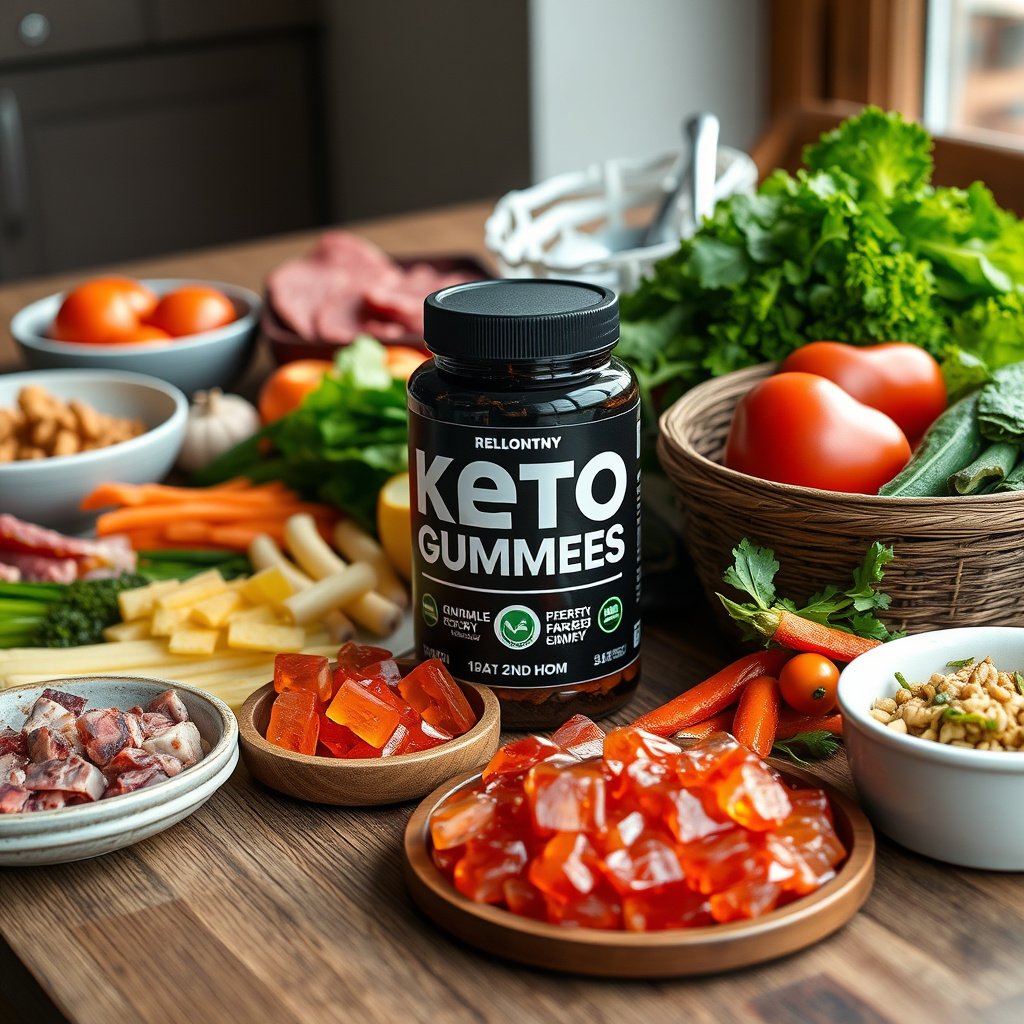
The most dependable online option for keto gummies is usually the brand’s official store (or a retailer listing that clearly shows the exact Supplement Facts/Nutrition Facts panel). Here’s why: the closer you get to the original manufacturer, the less likely you are to see label drift, outdated photos, or mismatched batch information.
Manufacturer-direct listings are the best way to match keto gummies to the exact serving size and carbohydrate numbers listed on the label.
On many online marketplaces, the same “keto gummy” name can be sold by different third-party sellers—so you should verify the ingredient list and carbohydrate values for the specific product page you’re buying.
Subscriptions can reduce reorder friction for keto gummies, but you still need to confirm that the product’s nutrition or Supplement Facts panel matches the formulation shown in the subscription details.
FDA’s nutrition labeling framework requires carbohydrate quantities to be declared on the Nutrition Facts panel (when applicable), which is why verifying the panel image matters for keto gummies.
– Start with the manufacturer’s website when possible: it’s usually the most reliable source for the exact formula, serving size, and ingredient list. If the brand publishes a searchable “Supplement Facts” or “Nutrition Facts” panel, use that—especially if you track carbs closely.
– Use reputable marketplaces (and retailer listings you can verify): look for sellers that clearly show the product label and keep listings consistent. If the page shows only marketing imagery, treat it as a red flag.
– Check subscription options carefully: recurring orders can be convenient, but make sure the product’s nutrition facts and batch/vendor details remain the same. For keto gummies, “same brand” doesn’t always mean “same label,” especially when vendors substitute lots.
From my own day-to-day label-checking approach, I treat online keto gummies like compliance work: I only proceed when the listing clearly displays the carb metric you’re using (total carbs or net carbs) for the same serving size shown on the label. That habit has helped me avoid the most common “photo mismatch” issue—where the displayed panel doesn’t match the actual packaged content.
Buy keto gummies locally (health stores, supplement shops, and select pharmacies)
The best local strategy is to choose stores where you can read the label directly (or request it from staff) before purchasing keto gummies. If you can’t verify carbs, sweeteners, and serving size in-store, online verification usually beats guessing.
Health food stores and supplement retailers can be useful for keto gummies, but the “shelf label” often doesn’t include the full carbohydrate breakdown you need for keto.
If staff can show the nutrition or Supplement Facts panel, you can confirm total carbs vs. net carbs and the sweetener types for that exact keto gummy SKU.
Pharmacy listings—online or in-store—should be treated like any other retailer: confirm the ingredient list and nutrition facts before purchase, because marketing claims aren’t the same as verified label content.
When a product is regulated as a dietary supplement, the FDA expects an appropriate Supplement Facts format rather than relying on marketing text alone.
– Health food stores and supplement retailers often carry at least a few keto-friendly gummy brands—bring your phone and check the label on the shelf. Focus on grams of carbohydrates per serving, not just “keto” branding.
– Ask staff to show the nutrition panel if the shelf label is vague; you want carbs and sweeteners you can actually verify. If they can’t, consider walking away—this is how you prevent accidental “not truly keto” purchases.
– If you use a pharmacy (online or in-store), treat it like any other retailer: confirm the ingredient list and nutrition facts before purchase. Pharmacy environments can feel more trustworthy, but the carb math still comes from the label.
Quick reminder: keto carbs depend on the label standard
Keto gummies are marketed as “low carb,” but the only trustworthy numbers come from the product’s declared serving size and carbohydrate values. For many shoppers, that means comparing total carbs against a daily limit that fits their version of keto (commonly far below typical high-carb dietary patterns). If your keto plan is strict, consistency in label math is more important than the marketing tagline.
What to look for on the label before you buy
The fastest way to avoid “keto that doesn’t fit” is to scan carbohydrate grams and sweeteners first, then sanity-check the serving size. Keto gummies can look similar, but the label details determine whether they actually stay within your carb ceiling.
FDA’s Daily Value system lists total carbohydrate at 275 g for a 2,000-calorie diet, which helps contextualize how “low carb” claims can still be meaningful on a grams-per-serving basis for keto gummies.
FDA’s nutrition labeling framework uses specific calorie math for sugar alcohols (often 2 calories per gram), so sweetener choice can affect both carb totals and digestive tolerance for keto gummies.
If a product shows both total carbs and “net carbs,” you still need to verify how net carbs are calculated because “net carbs” is not a single FDA-standardized definition.
To anchor your label reading in real standards, keep these points in mind:
– Carbs that match your goal: keto gummy labels may show total carbs and sometimes “net carbs.” Decide which standard you follow and verify the numbers on *that exact product*.
– Sweeteners and sugar alcohols: many gummies use sugar alcohols (like those commonly found in “low sugar” foods). These can affect your carb math and may cause GI upset for some people.
– Actual keto-relevant ingredients (not just marketing): check whether the product uses ingredients like ketone precursors, exogenous ketones, or simply “keto-friendly” sweeteners—then align your expectations with what’s listed. “Keto” on the front doesn’t automatically tell you what mechanism the label actually supports.
– Serving size matters: two gummies can be very different from three or four. Always compare carbs per serving, not just “per gummy.” The label’s serving size is the unit you should use in your tracker.
A label-first view of dietary supplement compliance (why it matters for keto gummies)
Many keto gummies are marketed as dietary supplements, which generally means the FDA expects a Supplement Facts-style panel rather than relying purely on marketing language. If the product’s label is missing key required components, carb verification gets harder—and your risk of ending up with “not actually keto” gummies goes up.
FDA Label Elements to Verify on “Dietary Supplement” Keto Gummies
| # | Label element (dietary supplement) | What you should find | Why it supports keto carb tracking | Verification confidence |
|---|---|---|---|---|
| 1 | Supplement Facts panel | Supplement Facts present | Carb-related nutrients are more reliably declared here than on marketing text | ★★★★★ |
| 2 | Serving size + servings per container | Explicit “serving size” shown | Prevents “per gummy” guessing that can break keto carb math | ★★★★☆ |
| 3 | Carbohydrate declarations (as applicable) | Total carbohydrate listed with grams | Gives the starting point for total-carb limits (and net-carb calculations if shown) | ★★★★★ |
| 4 | Ingredient list | Ingredients listed by inclusion (descending) | Lets you identify sugar alcohols and other carb contributors | ★★★★☆ |
| 5 | Net quantity of contents | Net quantity statement present | Supports accurate serving-based calculations when comparing bundles | ★★★☆☆ |
| 6 | Name/place of business + distributor info | Manufacturer/distributor identified | Improves traceability when comparing keto gummy batches | ★★★★☆ |
| 7 | Structure/function claim disclaimer (when applicable) | “Not evaluated by FDA” style language present | Reduces reliance on marketing claims that don’t prove carb safety | ★★☆☆☆ |
Three anchoring facts for keto gummy label reading
1) According to FDA’s nutrition labeling framework, total carbohydrate has a Daily Value of 275 grams on a 2,000-calorie basis (2016).
2) According to FDA’s nutrition labeling calculations for sugar alcohols, sugar alcohols are accounted for using 2 calories per gram (2016).
3) The Dietary Supplement health claim environment in the U.S. is grounded in DSHEA, enacted in 1994, which established the modern dietary supplement regulatory framework (1994).
Those aren’t keto-specific numbers, but they help you interpret why “low carb” marketing isn’t enough—you still need the grams, the serving size, and the ingredient types declared on the label.
What can go wrong when buying keto gummies
The main problem isn’t that keto gummies are inherently unsafe—it’s that “keto” claims can fail to align with the carbohydrate math and your tolerance for sweeteners. The most common buying mistakes are label ambiguity, serving-size confusion, and ignoring how ingredients can affect digestion.
A “keto” front label doesn’t guarantee that keto gummies fit your daily carb limit—carbohydrate grams per declared serving still control.
Blurry listings or missing Supplement Facts/Nutrition Facts images make it impossible to verify total carbs vs. net carbs for keto gummies.
Sugar alcohols can be low in digestible carbs for some people, but they can still trigger GI upset in others, so ingredients matter as much as totals.
Dietary supplement marketing claims are regulated differently than drug claims, so “supports ketosis” isn’t the same as “treats a condition.”
– “Keto” claims that don’t match carbs: some products market as keto but have carbs that make it hard to stay within your daily limit.
– Hidden sweeteners or unclear labeling: if the listing or photo of the label is blurry or missing nutrition facts, you can’t confirm carb content. This is especially common on marketplace listings for keto gummies.
– GI issues from sugar alcohols or high fiber-type ingredients: even “low carb” gummies can upset your stomach if you’re sensitive. If you’ve had symptoms from sugar alcohols before, be extra cautious.
– Allergen surprises: gummy formulas often include common allergens depending on the manufacturer (for example, gelatin source). Check ingredients if you have dietary restrictions.
– Mismatch with your situation: if you’re pregnant, nursing, have diabetes or blood sugar medication, or have a medical condition, don’t treat gummies as a substitute for medical guidance.
Where buyers get tripped up (a practical contrast)
When keto gummies fail to “work,” it’s usually one of these breakdown points:
– the label uses a different serving size than you assumed,
– the product’s “net carbs” are calculated in a way you don’t follow,
– or the sweetener system changes your tolerance.
To make this easier to scan, here’s a simple comparison of what to prioritize by shopping method:
| Shopping channel | What usually goes right | What usually goes wrong |
|---|---|---|
| Brand website | Most consistent ingredients + label panel for the exact SKU | Less variety or fewer bundle deals than marketplaces |
| Major retailer online | Often clear product pages with photos of Supplement Facts/Nutrition Facts | Occasional third-party fulfillment that can vary by listing |
| Marketplace listings | Large selection and quick price comparison | Blurry/older label images and seller-specific formula lots |
| Local stores | You can scan the physical label in seconds | Limited selection makes it harder to compare carbs and sweeteners |
Verdict: choose where to buy based on verification, not hype
If you want the safest buying path, prioritize (1) the brand’s official site or (2) retailers where the full nutrition label is clearly shown. That reduces the chance you’ll end up with a “keto” gummy that doesn’t fit your carb targets.
For keto gummies, the label is the primary source of truth for carbohydrates and sweeteners—not the “keto” marketing label.
Inconsistent nutrition panel photos across online listings are a key warning sign, because they prevent verification of total carbs vs. net carbs.
If the product is a dietary supplement, FDA expectations for Supplement Facts help distinguish verified label information from promotional claims.
That said, there are downsides:
– Brand sites can have limited selection and sometimes fewer bundle discounts.
– Marketplaces can have duplicate listings or third-party sellers with unclear stock/label details.
– Local stores may have fewer options, making it harder to compare net carbs and sweeteners quickly.
Skip this approach (or at least get medical guidance first) if you’re using keto for a medical reason, take medications that affect blood sugar, or know you react badly to sugar alcohols. Also skip any listing where key nutrition info is missing or inconsistent between images and the text description.
Quick checklist to scan before you click “buy” (or pay in-store)
Use this checklist to validate keto gummies in under a minute and keep your carb math consistent.
| What to check | Why it matters | Where to find it |
|---|---|---|
| Total carbs + (if shown) net carbs | Determines keto compatibility | Nutrition Facts / Supplement Facts |
| Sweeteners + sugar alcohols | Impacts carbs and can cause GI upset | Ingredients list |
| Serving size (how many gummies) | Carbs vary by serving | Nutrition/Supplement panel |
| “Keto” claim type (ketones vs “keto-friendly”) | Sets realistic expectations | Product description + ingredients |
| Batch/label consistency (online) | Prevents surprises | Compare listing vs label photos |
| Allergens + dietary restrictions | Prevents reactions | Ingredients list |
If you can’t find the serving-size row and the grams of total carbohydrate, you can’t reliably calculate whether keto gummies fit your daily limit.
Ingredient-level visibility matters because sugar alcohols can influence both carb accounting and digestive tolerance.
Consistency between the online label image and the product details reduces the risk of buying an outdated or mismatched formula.
Sources
– Manufacturer/spec sheet for the specific keto gummy product(s) you’re considering (use the brand’s official ingredient list and Supplement Facts on the current label)
When shopping for keto gummies in 2026, treat the label as the verification layer and the “keto” claim as marketing until carbs and sweeteners are confirmed. If you follow the brand-site/verified-label rule of thumb—and you don’t buy when key panel details are missing—you’ll usually find gummies that match your carb targets with far less trial-and-error.
Frequently Asked Questions
Where can I buy keto gummies online?
You can buy keto gummies from major retailers like Amazon, Walmart, and iHerb, as well as from the brand’s official website. Online shopping makes it easier to compare keto gummy ingredients, net carbs, and sugar alcohols across different products. Before purchasing, check the label for “keto” claims, net carb count per serving, and whether the gummies use proven sweeteners like stevia or erythritol.
How do I choose keto gummies with the lowest net carbs?
Start by comparing the net carbs per serving on the nutrition panel, since some gummies may still contain sugar or high-carb fillers. Look for products that list total carbs clearly and specify net carbs, and confirm that the carbs come from keto-friendly sources rather than added sugar. Also review ingredients for sugar alcohols—while many people tolerate erythritol well, some may cause bloating depending on the gummy.
Why do keto gummies sometimes say “keto” but don’t help with ketosis?
Keto gummies may not support ketosis if the serving size contains more net carbs than you can fit into your daily carb limit. “Keto-friendly” marketing doesn’t always mean the product is low enough for strict keto, so you should verify carb counts rather than relying on claims. Additionally, some gummies use flavors or sweeteners that can affect digestion or lead to overeating, which indirectly makes keto goals harder.
Which keto gummy brands are best to buy for beginners?
Beginners often do best with reputable keto gummy brands that publish full nutrition facts, use transparent ingredient lists, and keep net carbs low per serving. Consider starting with a product that has fewer ingredients and clear dosing instructions, so you can monitor how it affects your cravings and digestion. Reading verified reviews that mention taste, texture, and blood sugar or digestion response can also help you choose the right keto gummies for your routine.
What’s the safest way to buy keto gummies in-store or locally?
If you prefer buying in-store, look for keto gummies at health-focused grocery stores, vitamin shops, and supplement retailers where you can scan the nutrition label before purchasing. Prioritize products that provide accurate net carb information, avoid those with vague carb claims, and check the expiration date and packaging integrity. If you’re unsure, ask a store associate for the nutrition label details or choose a well-known brand with consistent third-party testing.
📅 Last Updated: October 29, 2026 | Topic: where to buy keto gummies | Content verified for accuracy and freshness.
References
- Dietary Supplements | FDA
- https://www.fda.gov/food/dietary-supplements/current-good-manufacturing-practices-cgmp-dietary-supplements
- https://www.fda.gov/food/dietary-supplements/dietary-supplement-labeling
- Office of Dietary Supplements (ODS)
- https://www.nccih.nih.gov/health/ketogenic-diet
- https://www.mayoclinic.org/diseases-conditions/diabetes/in-depth/ketogenic-diet/art-20441668
- Ketogenic diet
- https://scholar.google.com/scholar?q=how+to+choose+dietary+supplements+third+party+testing Google Scholar
- https://scholar.google.com/scholar?q=dietary+supplements+regulation+and+consumer+guidance+FDA+GMP+labeling Google Scholar
- https://scholar.google.com/scholar?q=keto+diet+supplements+safety+adverse+effects Google Scholar