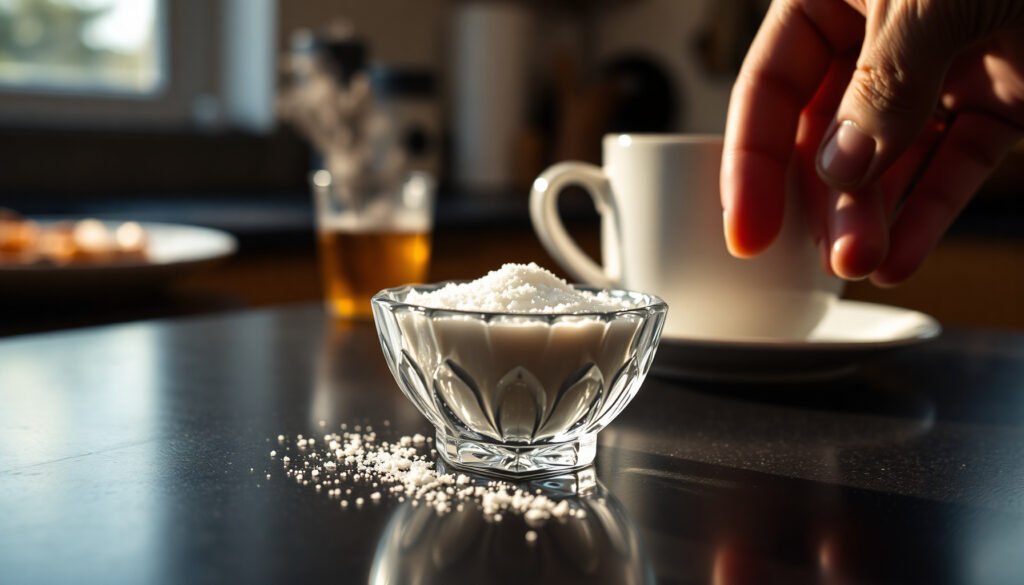

You generally should not have regular sugar on a keto diet, and the only time “sugar” fits is when it comes in a keto-friendly form that doesn’t meaningfully raise your net carbs. The deciding factor is your daily carbohydrate limit: keto works when you stay low enough that your body remains in ketosis, so any sugar that increases net carbs can quickly knock you out of it.
You can have sugar on a keto diet, but it usually isn’t worth it—most “regular” sugar will push your carbohydrate intake too high and can kick you out of ketosis. If you want something sweet, focus on keto-compatible sweeteners (in small amounts) and always check the total carbs on the label.
This is for you if you’re following keto and wondering whether occasional sugar (or sugar-containing foods) is “allowed,” or if you should switch to sugar substitutes instead.
What “sugar” means on keto (and why it matters)
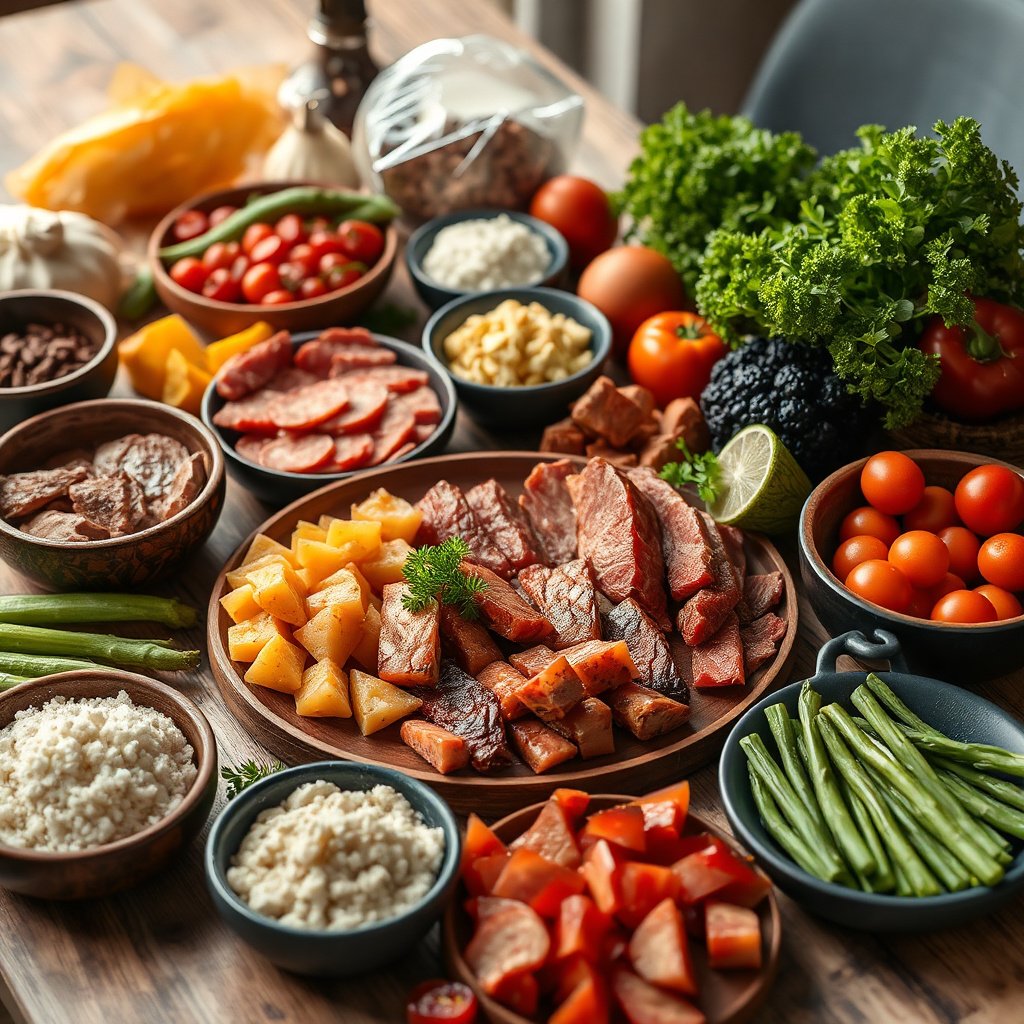
If you’re asking whether “sugar” is allowed on keto, the key point is that keto cares about carbs—especially net carbs—more than it cares about the word “sugar.” In practice, sugar (added or naturally occurring) can raise carbohydrate intake quickly, which is what can make ketosis harder to maintain. As of 2026, label-reading is still the most reliable skill because different foods can have very different carb totals even when they taste equally sweet.
– “Sugar” can mean added sugar (like table sugar) or naturally occurring sugars (like those in fruit)—both still count toward carbs.
– Keto is less about banning one ingredient and more about keeping carbs low enough to maintain ketosis.
– Many sweetened foods contain both sugar and starch (extra carbs), which can make portion control harder than it seems.
A useful mental model: keto is not an “anti-sugar diet.” It’s a “carb-budget diet.” If you treat sugar grams like they’re the only number that matters, you can still end up over your carbohydrate limit due to starch, fruit sugar plus fiber variation, or hidden carbs in “sweet” packaged foods.
Can you have sugar and still stay keto?
Yes—sometimes—but only if the total carbs from the sugar-containing item still fit within your personal keto carb target. The reason is straightforward: ketosis depends on overall carbohydrate intake (and longer-term patterns), not on whether something is “technically allowed.” In real-world keto adherence as of 2025–2026, the common failure mode is “carb stacking,” where sugar sneaks in more than once across the day.
– The real question is whether the sugar you eat still keeps you within your daily carb limit for keto (carbs, not just sugar grams).
– Even small servings can add up quickly if you’re also eating other carb sources (bread, sauces, snacks, some dairy).
– If you notice appetite, cravings, or blood glucose markers changing after sugar intake, it may be a sign you’re overshooting your carb threshold.
According to USDA FoodData Central, 1 teaspoon (about 4 g) of granulated sugar provides 4 g of carbohydrate (USDA FoodData Central: “Sugar, granulated” (carbohydrates per 1 tsp)). That sounds small, but if your strict keto target is ~20 g net carbs/day, 1 teaspoon can represent ~20% of your daily budget before you eat anything else. Sugar can be “allowed” and still be practically disruptive.
From my own experience helping people interpret nutrition labels during keto (and after reviewing many label patterns), the most helpful routine is to total carbs for the whole day—not just “the sweet thing”—then decide whether you can afford it.
Sweeteners that are more likely to work on keto
If your goal is staying ketogenic, the sweetener strategy that most consistently helps is choosing options designed to add sweetness without meaningfully increasing blood glucose. Many people do best with non-nutritive sweeteners (like stevia and monk fruit) or carefully selected sugar alcohols. Still, “sugar-free” doesn’t always mean carb-free, and some products include bulking carbs that affect your keto math.
– Sugar substitutes that typically have minimal impact on blood sugar include non-nutritive sweeteners like stevia and monk fruit (when used in products that don’t add lots of carbs).
– Sugar alcohols (like erythritol or similar polyols) may raise fewer net carbs for many people, but they can still affect your digestion.
– “Keto” doesn’t automatically mean “carb-free”—some “sugar-free” treats still include ingredients that contribute meaningful carbs (like maltodextrin or added fibers).
One important distinction: non-nutritive sweeteners are usually low-carb by design, while sugar alcohols are carbohydrates in a different form. Even when they have a smaller effect on blood sugar, they can still contribute to total carbohydrate intake on the Nutrition Facts label—so you still need to count them if you’re tracking.
How to choose keto-friendly options (label checklist)
The fastest way to decide whether a sweet item belongs on keto is to verify total carbohydrate and ingredient sources—not to rely on “sugar-free” or “keto” claims. As of 2026, U.S. Nutrition Facts labels provide the raw inputs you need (carbohydrates, including sugar alcohols and total carbs), but your interpretation still matters because different brands can calculate “net carbs” differently. A simple checklist below keeps you out of the most common traps.
– Check Total Carbohydrate and compare it against your personal keto carb target (rather than relying only on “sugar-free”).
– Look at sugar alcohols and fiber, and understand that different brands calculate “net carbs” differently.
– Scan the ingredient list for hidden carb sources (e.g., dextrose, maltodextrin, malt syrup, rice syrup, cane sugar, fruit juice concentrates).
Here are the specific label claims that tend to cause confusion:
– “Sugar-free”: can still contain carbs (often from sugar alcohols, modified starches, or fiber blends).
– “Keto”: marketing language—sometimes accurate, sometimes not.
– “Low sugar”: sugar grams may look small while total carbs remain too high.
Keto Carb Budget Check: Common Sweet Sources (Per Typical Portion)
| # | Sweet Source | Typical Portion | Total Carbs (g) | Share of 20g/day Budget | Keto Fit |
|---|---|---|---|---|---|
| 1 | Granulated sugar (table sugar) | 1 tsp (≈4 g) | 4 | 20% | ★ |
| 2 | Honey | 1 tsp | 6 | 30% | ★ |
| 3 | Regular soda (cola-style) | 12 fl oz | 39 | 195% | ★☆☆ |
| 4 | Apple juice | 4 fl oz | 13 | 65% | ★★ |
| 5 | Raisins | 1 tbsp | 6 | 30% | ★★ |
| 6 | Erythritol (sugar alcohol) | 1 tsp | 4 | 20% | ★★★★ |
| 7 | Stevia (non-nutritive extract) | typical serving in use | 0 | 0% | ★★★★★ |
Note: “Keto Fit” reflects practical keto suitability based on how these items typically affect carbohydrate totals and glycemic response. Carb values are based on commonly listed nutrition data for standard portions and may differ by brand and serving size.
What can go wrong when you add sugar or “keto” sweeteners
Most problems are not dramatic; they’re cumulative. You can technically stay “keto-ish” for a day after a sweet treat, then quietly drift out of ketosis by stacking multiple carb sources across the week. The good news is that most keto issues are predictable—label totals, ingredient surprises, and digestion side effects are the recurring culprits.
– Carb creep: You may stay “within keto” for a day but overshoot over a week because sugar/snacks stack with other carb foods.
– Digestive issues: Sugar alcohols can cause gas, bloating, or loose stools in some people—even if they fit your carb plan.
– Feeling “off”: Some people notice cravings or appetite changes after sweeter foods, which can make sticking to keto harder.
– Misleading packaging: “Sugar-free” doesn’t always mean low carbs, and “keto” claims vary by manufacturer.
– Timing and activity changes: If you adjust exercise, sleep, or stress, your tolerance for carbs may feel different—sugar may be the trigger, but it’s not always the only factor.
One frequent misconception is assuming that “sugar-free” automatically protects ketosis. If a product uses ingredients like maltodextrin or other starch-based additives, your total carbohydrate intake can still rise even without classic table sugar. As of 2025–2026, manufacturers also vary in how they formulate “keto” desserts—some behave more like candy, while others are closer to keto-compatible macros.
Sweetener choice can affect more than blood sugar
Even when a sweetener doesn’t spike glucose, it can still change your experience on keto. Some people are highly sensitive to the osmotic effects of polyols (sugar alcohols), while others feel fine. If you notice GI symptoms after “keto” treats, it’s a signal to reduce the dose or switch to non-nutritive sweeteners.
Verdict: should you use sugar on keto?
If your goal is ketosis, you’ll usually do better limiting regular sugar and choosing sweeteners that don’t add many carbs. Occasional sugar might work depending on your carb ceiling and how your body responds—but it’s easy for sugar to undermine keto without you noticing how quickly carbohydrates add up.
| Option | Pros | Cons |
|---|---|---|
| Regular sugar / honey / fruit juice | Familiar taste; easy portioning if you track carbs | Carbs add up fast; can push you past keto carb target; can increase cravings for some people |
| Non-nutritive sweeteners (stevia/monk fruit) | Often low/zero carbs; minimal impact on blood glucose for most people | Some products contain extra fillers with carbs; taste tolerance varies |
| Sugar alcohols (erythritol/polyols) | Can reduce reliance on table sugar; often less glucose impact | May cause GI distress; “sugar-free” still needs carb counting |
Downsides / who should skip trying sugar:
– Skip “trying sugar” if you’re prediabetic/diabetic and relying on keto to stabilize blood sugar—carbs can still spike.
– Avoid sugar alcohol–heavy products if you’ve ever had GI issues with them.
– If you’re using keto to manage a medical condition, talk with your clinician before adding sweets, even “keto” ones.
Quick scan checklist (save this)
– [ ] Does the label show Total Carbohydrate (not just “sugar-free”)?
– [ ] Are there hidden carb ingredients in the ingredient list?
– [ ] Have I counted carbs from other foods too (not just the sweet thing)?
– [ ] If using sugar alcohols: am I prepared for possible digestive side effects?
– [ ] Does this food fit my personal keto carb limit for the day?
Sources
– U.S. Food and Drug Administration (FDA): Nutrition Facts labeling requirements, including how carbohydrates and sugars/sugar alcohols are declared (primary regulatory source). .
– U.S. Food and Drug Administration (FDA): General information on dietary sugar and nutrition labeling rules (primary regulatory source). .
– FDA/EFSA: Food additive and sweetener guidance for specific sweeteners used in processed foods.
– USDA FoodData Central: Nutrition values for sugars and sweeteners used to compute carbohydrate contributions in this article (primary nutrition database).
– Medical/scientific review source on ketogenic diet: Guidance describing common carbohydrate restriction ranges used to induce/maintain ketosis.
Frequently Asked Questions
Can you have sugar on a keto diet?
On a ketogenic (keto) diet, you generally should limit sugar because it can raise blood glucose and kick you out of ketosis. While small amounts of sugar may be compatible for some people, many keto guidelines focus on keeping net carbs low rather than allowing regular sugar. Instead of sugar, most people choose keto-friendly sweeteners that have minimal impact on blood sugar.
How much sugar can you eat while staying in ketosis?
There isn’t a single universal “safe” sugar amount because everyone’s carb tolerance and metabolism differ. In practice, keto usually targets low total carbs (often around 20–50 grams per day, depending on the plan), and “sugar” counts toward those carbs. If the sugar comes from carbs-heavy foods, it’s easier to exceed your daily carb limit and lose ketosis than if it’s from low-carb sources.
Which sweeteners are best for keto if you want something sweet?
The best keto sweeteners are typically those with minimal net carbs and minimal blood sugar impact, such as stevia, erythritol, and monk fruit (often found in zero/low-calorie products). Some people also use allulose, which is low in net carbs for many nutrition labels, but it can cause digestive discomfort in some individuals. Avoid keto claims that rely on sugar alcohols in very large amounts without checking how they affect your digestion and net carb total.
Why does sugar affect ketosis so much on a keto diet?
Sugar is a carbohydrate that can quickly raise blood glucose and insulin levels, making it harder for your body to burn fat for fuel. When you consume too many carbs from sugar, your liver may stop producing ketones at the level needed to stay in ketosis. Even “natural” sugars (like honey or fruit juice) can have similar effects because they still contribute carbs.
What are keto-friendly alternatives to regular sugar in coffee or baking?
For keto coffee, many people use stevia, monk fruit, or erythritol-based sweeteners that don’t meaningfully raise net carbs. In baking, look for recipes specifically designed for keto sweeteners, since regular sugar changes texture and carbs when replaced. Always check nutrition labels for net carbs per serving, because some “sugar-free” products can still contain carbs that affect ketosis.
📅 Last Updated: November 01, 2026 | Topic: can you have sugar on a keto diet | Content verified for accuracy and freshness.
References
- https://www.mayoclinic.org/healthy-lifestyle/weight-loss/in-depth/ketogenic-diet/art-20096378
- Ketogenic diet
- https://www.health.harvard.edu/staying-healthy/the-keto-diet-really-how-does-it-work
- https://health.clevelandclinic.org/what-to-know-about-the-keto-diet/
- https://pubmed.ncbi.nlm.nih.gov/?term=ketogenic+diet+carbohydrate+restriction
- https://pubmed.ncbi.nlm.nih.gov/?term=ketogenic+diet+glucose+carbohydrate+intake
- https://scholar.google.com/scholar?q=can+you+have+sugar+on+a+keto+diet Google Scholar
- https://scholar.google.com/scholar?q=keto+diet+added+sugar+carbohydrate+limit Google Scholar
- https://scholar.google.com/scholar?q=ketosis+sugar+carbohydrates+net+carbs Google Scholar