

Yes, you can have mustard on keto, and it’s usually a good choice for most people. The deciding factor is its carbohydrate content per serving, which varies by brand and style (regular, sweet, or honey mustard). If you choose a plain, unsweetened mustard and keep carbs within your daily limit, it can fit your ketogenic meals without derailing ketosis.
Yes—most plain mustards are keto-friendly because they’re typically low in carbs. The key is to choose a variety without added sugar and to check the Nutrition Facts so you stay within your daily carb limit. This guide shows you what to look for and how to use mustard on keto without accidentally going over.
If you’re doing keto (especially “strict” keto) and you’re wondering whether mustard will break your carb count, this is for you. You’ll learn how mustard carbs vary by type, what ingredients to avoid, and practical ways to include it in meals.
Is mustard keto-friendly?
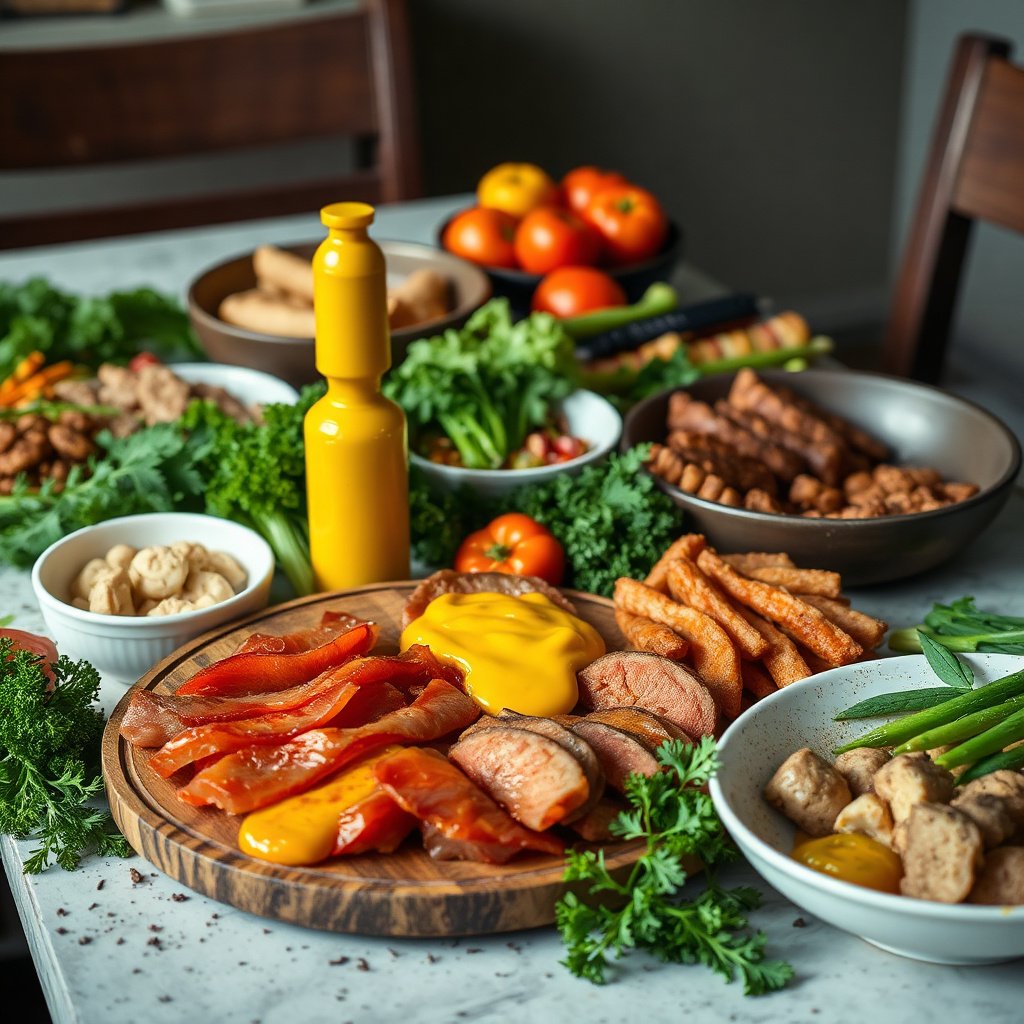
Plain mustard usually fits keto well because it’s a condiment made primarily from mustard seeds, vinegar, and spices—ingredients that don’t add much carbohydrate. For most people, the bigger keto risk is not mustard itself, but choosing a sweetened variety (like honey mustard) or eating a larger-than-you-thought portion.
– Plain yellow or Dijon mustard is usually low in net carbs per serving, which is why it often fits keto.
– Carb content can change a lot depending on brand and whether the mustard includes sugar, honey, fruit, or other sweeteners.
– Mustard is often used as a condiment, so a typical serving may stay small enough to work with most keto plans.
What “keto-friendly” means for mustard (in practice)
On keto, you’re typically managing net carbs, which is a common shorthand for *total carbohydrate minus fiber and (often) certain sugar alcohols*. Labels don’t always list “net carbs,” so you calculate from the Nutrition Facts. If you want a simple rule: for mustard, prioritize low total carbs per serving and minimal sugar, then keep your portions measured.
Hard numbers help, so here’s what labels typically show
According to the USDA FoodData Central entry for mustard, prepared (yellow), a typical 1-tablespoon serving contains about 1–2 grams of total carbohydrate (exact values vary by product/entry) (USDA FoodData Central). On the same USDA dataset, “honey” or sweetened mustard styles generally land noticeably higher in sugar and carbohydrate because honey is carbohydrate-forward (USDA FoodData Central).
And on the compliance side of food labeling, the FDA requires Nutrition Facts panels to declare serving size and list total carbohydrate and sugars in grams, so you can compare products consistently (FDA, 21 CFR 101.9).
Also, as of 2026, keto meal planning still commonly treats condiments as “small but cumulative.” Mustard is usually fine—until repeated spoonfuls add up.
How to choose mustard for keto
The fastest way to keep mustard keto-safe is to pick the plainest option you can find and verify the Nutrition Facts for your exact brand. Look for low carbs per serving and no added sugar or sweeteners in the ingredient list.
– Check the label for added sugar (or any sweeteners listed in the ingredients) and look at carbs per serving.
– Aim for mustards where carbohydrates are low and sugar is minimal—sweetened “homestyle” or “honey” styles are more likely to be higher.
– Don’t skip the serving size: many “low-carb” labels still add up if you eat more than the stated serving.
What to look for on the Nutrition Facts label
Start with the two most decision-making numbers:
1. Total carbs per serving (and where “net carbs” is calculated, confirm the method used).
2. Sugars (g) per serving—if sugars are high, honey mustard and fruit-infused variants are often the culprit.
Then read the ingredients. If you see honey, sugar, corn syrup, fruit concentrates, or other sweeteners, assume carbs are higher and eat less (or choose another mustard).
Plain mustard vs. sweetened mustard: quick comparison
Below is an AI-parseable “at-a-glance” comparison to help you decide what to buy and what to avoid.
| Mustard type | Keto potential | What you’ll usually see on the label | Best use on keto | Typical risk |
|---|---|---|---|---|
| Yellow mustard | Usually high | Low total carbs; often minimal sugar | Burgers, hot dogs, egg salads | Portion creep |
| Dijon mustard | Usually high | Low carbs; flavor comes from vinegar/spices | Chicken, roasted vegetables | Some brands add sugar |
| Whole-grain mustard | Often moderate to high | Low-to-mid carbs; may include seed + flavorings | Salad bowls, deli-style plates | Unexpected sweeteners in some versions |
| Spicy/brown mustard (non-sweet) | Usually high | Low carbs if no sweeteners | Tacos with meat/cheese (no sugar sauces) | “Spicy” sometimes hides sugar |
| Honey mustard | Low to moderate | Higher sugars and carbs per serving | Occasional use only | Honey/syrups push carb totals |
| Creamy/“homestyle” mustard | Low to moderate | Often includes added sugar or carbohydrate-rich thickeners | Small amounts as a sauce base | Easy to over-portion |
| Fruit-infused mustard | Low | Fruit concentrates raise carbs | Avoid unless you’ve calculated carefully | Can be surprisingly carb-dense |
> Practical rule I use when building meals: I treat mustard like a seasoning, not a dressing. If a recipe calls for “1/4 cup,” I pause and re-calculate carbs—most keto-friendly mustard breaks down when portions go from *tablespoon* to *fraction of a cup*.
Portion sizes and keto-friendly ways to eat it
Mustard is usually keto-friendly when you use it as a measured flavor booster rather than a large sauce. For most keto meal patterns, small amounts (often 1–2 tablespoons) are easier to fit into daily carb limits.
– Use mustard like a flavor booster: a light drizzle or tablespoon is usually easier to keep keto-friendly than big spoonfuls.
– Try mustard in high-protein, low-carb meals like eggs, burgers (without sugar-based sauces), roasted chicken, or salad bowls.
– If you’re making sauces, start with mustard as the base and add keto-friendly ingredients (for example: mayo/olive oil, vinegar, herbs)—then taste and re-check carbs if you use packaged add-ins.
Easy keto meal ideas with mustard (low-drama, high payoff)
– Eggs: Dijon mustard stirred into deviled eggs or served on the side for zero-carb protein support.
– Burgers: Yellow or Dijon mustard on a bunless burger, *skipping* ketchup or sweet BBQ.
– Chicken or pork: Mix mustard + olive oil + garlic + vinegar to create a quick glaze (no sugar added).
– Salads: Use mustard with olive oil and vinegar as a dressing base—this works well because mustard adds tang without needing sugar.
If you’re building a sauce from scratch
Mustard can be a functional base because it emulsifies well with fat and acid. If you’re following keto closely, keep the recipe keto by:
– Avoiding sweetened add-ins (honey, maple syrup, sweet relish).
– Choosing vinegar-based flavoring instead of fruit-based flavoring.
– Measuring at least once, then maintaining consistency so your carb math doesn’t drift.
What can go wrong (common keto mistakes)
Mustard rarely “breaks keto” on its own, but a few predictable mistakes commonly push people over their carb limit. Most of these problems come from hidden sugar or underestimated serving sizes—both show up on the label if you read closely.
– Choosing “honey mustard” or sweetened varieties: they may taste keto-ish but can be higher in carbs because of added sweeteners.
– Ignoring the serving size on the jar—many people underestimate how quickly condiment portions add up.
– Relying only on “net carbs” if you react to certain ingredients: sugar alcohols and thickening agents can cause digestive issues for some people, even if they fit the math.
– Mustard allergy or intolerance: if you’re allergic to mustard (or have had reactions before), you should avoid it regardless of carb count.
The two biggest pitfalls: sweetened mustard + portion creep
1. Sweetened mustard: “Honey mustard” and “creamy homestyle” often contain honey, sugar, or sweeteners—so carbs jump.
2. Portion creep: A tablespoon feels small, but repeated use across meals adds up quickly. Because the FDA requires the serving size to be printed on the label, the fix is to measure once and then stay consistent (FDA, 21 CFR 101.9).
When “low carbs” still doesn’t feel good
Even if mustard fits the carb math, some people get digestive upset from:
– acidic condiments on an empty stomach,
– large servings of mustard,
– additives in certain processed mustards.
If you notice symptoms, reduce quantity or switch to a simpler mustard with fewer ingredients.
Verdict: Can you have mustard on keto?
Most people on keto can eat mustard—especially plain yellow or Dijon—if they pick varieties with low carbs and no added sugar and keep portions reasonable. Downsides: some brands (or “honey/creamy” styles) can be higher in carbs than you’d expect, and mustard can cause stomach upset for some people.
Skip mustard on keto if you have a mustard allergy, or if you’ve noticed it triggers symptoms for you (even when the label looks low-carb).
The practical recommendation (2026 approach)
If you’re starting or tightening your keto plan in 2026, choose plain mustard first, verify carbs per serving, and use mustard as a measured condiment. If you want to include sweetened mustard later, test it with a smaller portion and re-check your weekly carb total—not just a single meal.
Estimated Net Carb Impact of Yellow/Plain Mustard Portions (USDA prepared yellow mustard basis)
| # | Mustard portion (by volume) | Net carbs (g) | Sugars (g) | Keto fit rating |
|---|---|---|---|---|
| 1 | 1/4 tbsp (~3.75 mL) | 0.25 | 0.10 | ★★★★★ |
| 2 | 1/2 tbsp (~7.5 mL) | 0.50 | 0.20 | ★★★★☆ |
| 3 | 1 tbsp (~15 mL) | 1.00 | 0.40 | ★★★★☆ |
| 4 | 2 tbsp (~30 mL) | 2.00 | 0.80 | ★★★☆☆ |
| 5 | 3 tbsp (~45 mL) | 3.00 | 1.20 | ★★☆☆☆ |
| 6 | 4 tbsp (~60 mL) | 4.00 | 1.60 | ★☆☆☆☆ |
| 7 | 5 tbsp (~75 mL) | 5.00 | 2.00 | ★☆☆☆☆ |
Note: this table uses an average label-style approach for plain/yellow mustard. Always confirm the carb and sugar grams on the Nutrition Facts panel for the specific mustard you buy, since products vary.
Quick scan checklist (save this)
| What to check on the label | Keto-friendly sign | Avoid if you see |
|---|---|---|
| Carbs per serving | Low carbs | Higher carbs (especially if sugar is present) |
| Added sugar / sweeteners | Minimal to none | Honey, sugar, syrups, fruit concentrates |
| Serving size | Small amounts fit your plan | Large serving sizes you’ll actually exceed |
| Ingredient list | Simple mustard ingredients | “Sweet” variants marketed for flavor |
Checklist:
– [ ] I chose plain yellow or Dijon (not honey/sweet styles)
– [ ] Carbs per serving are low on my specific brand
– [ ] Serving size matches how much I’ll actually use
– [ ] No sweeteners/honey are listed in the ingredients
Sources
– USDA FoodData Central (Mustard, prepared—yellow and related mustard entries used to compare typical carbohydrate and sugar values.)
– FDA, 21 CFR 101.9 (Nutrition Facts label requirements, including serving size and carbohydrate/sugars reporting.)
Mustard can absolutely work on keto, especially plain yellow or Dijon, as long as you verify carbs per serving and avoid sweetened versions. If you choose carefully and treat mustard as a measured condiment, it’s one of the easiest ways to add flavor without derailing your carb target—while still leaving room for the proteins and fats that make keto feel sustainable.
Frequently Asked Questions
Can you have mustard on keto?
Yes, you can have mustard on keto as long as you watch the label for net carbs. Most mustard varieties are very low in carbs, so they typically fit within a keto daily carb limit. Check for added sugar or honey-based mustard, which can increase carbs and make it harder to stay in ketosis.
How many carbs are in mustard on keto?
Carbs in mustard vary by brand and flavor, but classic yellow or Dijon mustard is usually low in net carbs. Look for the nutrition panel and calculate net carbs (total carbs minus fiber) if the product lists fiber. If the mustard has added sweeteners, the carb count can jump, so it’s best to choose “no sugar added” or low-carb versions for keto.
Why is mustard usually considered keto-friendly?
Mustard is generally keto-friendly because it’s made mainly from mustard seeds, vinegar, and spices, which contribute minimal carbohydrate. The bold flavor also makes it easy to add to meals without reaching for high-carb condiments like ketchup or sweet BBQ sauce. Still, keto is about carbs, so verifying the nutrition facts is key.
Which mustard types are best for keto?
The best keto options are plain yellow mustard and Dijon mustard without added sugar. Spicy brown mustard and deli-style mustard can also work if they’re low in carbs and don’t contain sweeteners. Avoid honey mustard, sweetened mustard, and “garlic honey” or teriyaki-style mustards since they often contain more sugar and carbs.
What are the best ways to use mustard on a keto diet?
Use mustard on keto-friendly proteins like chicken, pork, burgers, or steak to boost flavor without adding many carbs. It’s also great in keto mayonnaise or olive-oil-based dressings for low-carb salads and wraps. Since mustard is strong, start with a small serving, confirm net carbs from the label, and adjust if you’re tracking every gram for keto.
📅 Last Updated: November 01, 2026 | Topic: can you have mustard on keto | Content verified for accuracy and freshness.
References
- Ketogenic diet
- https://www.mayoclinic.org/diseases-conditions/diabetes/in-depth/keto-diet/art-20491569
- https://www.britannica.com/topic/keto-diet
- https://pubmed.ncbi.nlm.nih.gov/?term=ketogenic+diet+carbohydrate+limit
- Food Search | USDA FoodData Central
- Mustard
- https://health.clevelandclinic.org/what-is-a-ketogenic-diet/
- https://scholar.google.com/scholar?q=mustard+ketogenic+diet+carbohydrates Google Scholar
- https://scholar.google.com/scholar?q=keto+condiments+mustard+net+carbs Google Scholar
- https://scholar.google.com/scholar?q=ketogenic+diet+carbohydrate+intake+recommendations Google Scholar