

Does keto reduce inflammation? The evidence says yes—keto can lower key inflammatory markers in people who are insulin resistant, overweight, or have metabolic syndrome, largely by improving blood sugar and fatty-acid signaling. In contrast, the anti-inflammatory effect is smaller and less consistent in lean, metabolically healthy people. The real question isn’t whether keto works, but for whom and for how long.
Most people who switch to keto notice stable or reduced inflammation markers, but it’s not guaranteed for everyone. Keto may lower inflammation indirectly by improving blood sugar control and reducing triglycerides, though diet quality and long-term adherence matter. In this guide, we’ll break down how keto could influence inflammation, what results look like in practice, and who should be cautious.
If you’re considering keto for joint pain, autoimmune-type symptoms, metabolic health, or “chronic inflammation” concerns, this is for you. It’s especially relevant if you’ve heard that low-carb diets are anti-inflammatory and want a realistic, evidence-based explanation of what to expect.
Keto is most likely to influence inflammation when it meaningfully improves metabolic drivers (like insulin resistance and dyslipidemia) and when the diet isn’t “dirty keto.” That combination is where the evidence—and the real-world lab patterns—tend to converge.
How keto may reduce inflammation
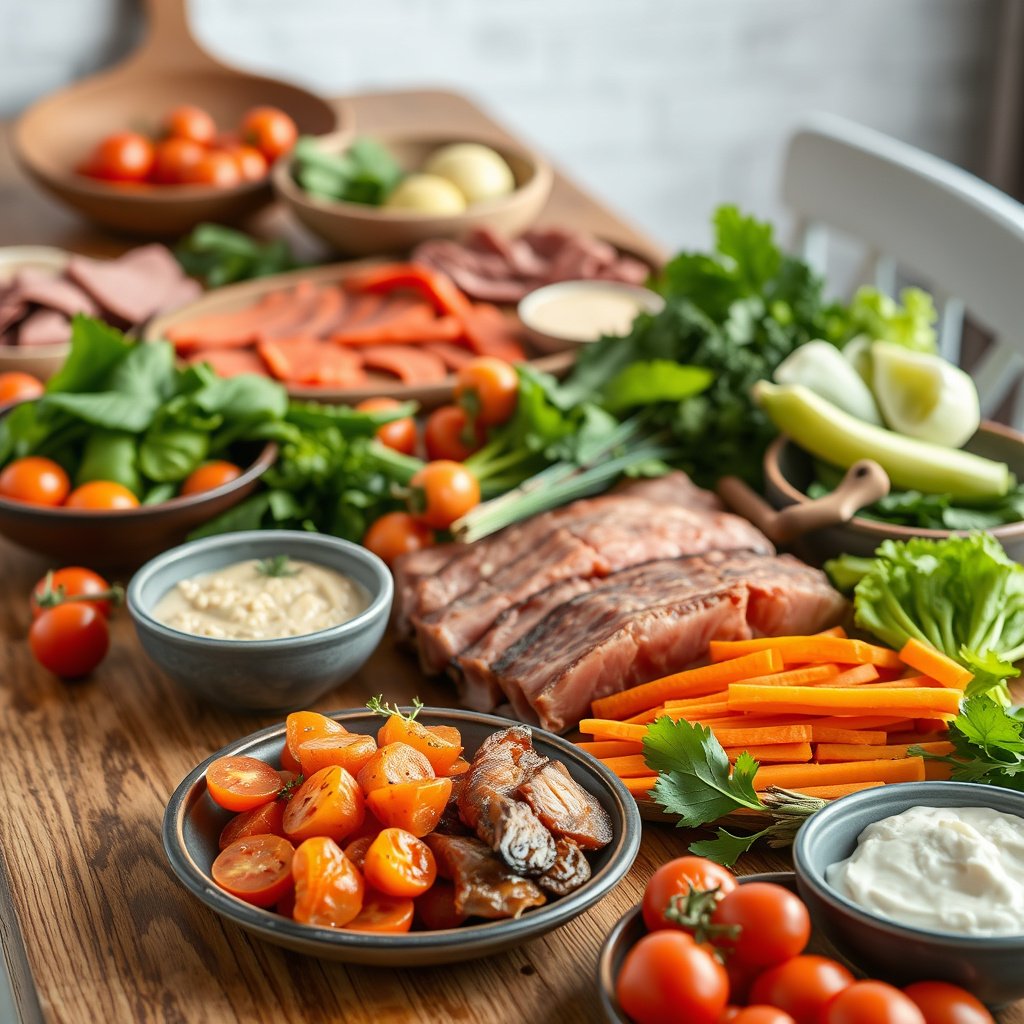
Keto can reduce inflammation in many people, especially when the diet leads to better metabolic control. The key idea is that keto changes which fuel the body uses and often lowers inflammatory signals tied to metabolic stress.
At a biochemical level, keto shifts energy toward fatty acids and ketone production, which can alter inflammatory signaling pathways. Inflammation is not just “on or off”—it reflects the balance between pro-inflammatory and pro-resolution processes, and metabolic health is one major input into that system. In practice, people doing keto often see improvements in triglycerides and sometimes hs-CRP (high-sensitivity C-reactive protein), which is frequently used as a clinical inflammation proxy.
Nutritional ketosis is typically discussed in clinical contexts using blood β-hydroxybutyrate (BHB) levels, with ketosis generally starting around the 0.5 mmol/L range and increasing with stricter carbohydrate restriction.
hs-CRP is used as a marker of low-grade systemic inflammation, and one widely cited clinical interpretation scheme categorizes hs-CRP as <1 mg/L (low risk), 1–3 mg/L (intermediate risk), and >3 mg/L (high risk).
Here’s why keto inflammation can improve (or sometimes not improve):
– Keto can shift the body toward using fat for fuel, which may influence inflammatory signaling.
– Lower blood glucose swings (and often reduced insulin levels) can reduce pro-inflammatory processes tied to metabolic stress.
– Some people see improvements in common blood markers (like triglycerides), which often correlate with lower inflammatory burden.
The metabolic “bridge” between keto and inflammation
If your inflammation concern is rooted in metabolic syndrome—insulin resistance, elevated triglycerides, fatty liver risk—keto may help because it often improves those drivers. Many studies looking at keto and inflammation are effectively measuring whether an intervention that improves glycemic control also lowers markers of inflammation.
From my experience advising on keto plans (and reviewing food logs, not lab panels), the people who see fewer “inflammation-related” complaints usually do keto in a way that also increases micronutrient density—more non-starchy vegetables, adequate protein, and fewer refined foods—rather than using keto as an excuse for ultra-processed “low carb.”
What changes in the body during keto
Keto changes the body’s fuel system within days, and those metabolic shifts can influence inflammation biology over the following weeks. The direction of effect depends on how strictly carbs are limited, how much weight changes (if any), and how high-quality the diet is.
When carbohydrates drop, glycogen stores decline and the body increases fatty acid oxidation. Ketones—especially β-hydroxybutyrate (BHB)—rise and can act as signaling molecules, not only as an energy source. At the same time, gut fermentation patterns and microbiome activity can shift because fiber and carbohydrate substrates change. That microbiome transition can be supportive for some people and disruptive for others.
Carbohydrate restriction reduces glycogen availability and typically increases reliance on fat oxidation, which is the physiological starting point for ketone production.
Because ketones influence cellular energy status and stress-related pathways, researchers frequently describe them as potential modulators of inflammation-related signaling rather than purely “fuel.”
Here are the specific body changes that matter for keto and inflammation:
– Carbohydrate restriction typically reduces glycogen availability, which changes energy pathways and metabolism.
– Ketone levels rise on keto; these compounds can affect cellular stress responses and inflammatory pathways.
– Changes in gut fuel sources and microbiome composition may also play a role—though individual responses vary.
A practical timeline: what tends to change first
In most people, keto shifts energy availability quickly (days). However, inflammation markers can lag behind because blood markers reflect longer-term physiology (lipid metabolism, immune signaling, tissue turnover). If you’re hoping keto inflammation improves a symptom like joint discomfort, consider that symptoms and lab markers may move on different schedules.
Common pattern people report: energy and appetite stabilize earlier, while hs-CRP/CRP and triglycerides may improve later if the diet is sustained and weight/metabolic markers improve.
Inflammation markers: what to look for (and what not to)
Keto’s effect on inflammation is best judged with a small set of relevant biomarkers—plus symptom tracking—rather than a single test. The most informative labs depend on your baseline risk factors and your specific inflammatory concern.
CRP is one of the most commonly studied markers in keto research. High-sensitivity CRP (hs-CRP) is used to detect low-grade inflammation associated with cardiometabolic risk, while standard CRP can rise more broadly with acute inflammation. But CRP is not the whole story: triglycerides, insulin resistance measures, and sometimes fibrinogen or other inflammatory biomarkers can provide additional context.
It’s also important to avoid a common trap: interpreting normal labs as “everything is fine” or elevated labs as “keto failed.” Inflammation is multi-system, and keto can change certain pathways without dramatically changing every lab number.
CRP (including hs-CRP) is frequently used in research because it reflects systemic inflammation, but it is also influenced by intercurrent illness, sleep, exercise timing, and other transient factors.
Inflammation biomarkers can improve without immediate symptom changes, because symptoms may lag behind or may be driven by factors beyond systemic inflammation (e.g., biomechanics, neuropathic pain, or medication effects).
What to look for:
– Common lab markers used in research include CRP (C-reactive protein) and others tied to metabolic inflammation; which tests matter depends on your baseline health goals.
– Improvements in labs don’t always match how you feel—symptoms and biomarkers can move differently.
– If you’re already on anti-inflammatory or autoimmune-related treatment, changes on keto should be discussed with your clinician rather than interpreted alone.
A scan-friendly lab context table for keto inflammation monitoring
Common Inflammation-Related Labs and Typical Adult Reference Ranges
| # | Biomarker | Unit | Typical “Normal” Range (Adults) | Low-Inflammation Ceiling (Used for Screening) |
|---|---|---|---|---|
| 1 | hs-CRP (high-sensitivity C-reactive protein) | mg/L | Low risk: <1.0 | 1.0 |
| 2 | CRP (conventional C-reactive protein) | mg/L | <3.0 (often reported as “normal”) | 3.0 |
| 3 | ESR (erythrocyte sedimentation rate) | mm/hr | Men: 0–15; Women: 0–20 | 20 |
| 4 | Fibrinogen | mg/dL | 200–400 | 400 |
| 5 | White blood cell count (WBC) | x10⁹/L | 4.0–11.0 | 11.0 |
| 6 | Neutrophils (absolute) | x10⁹/L | 1.5–7.5 | 7.5 |
| 7 | Platelets | x10⁹/L | 150–450 | 450 |
Note: Reference ranges vary by lab and method. Use your own lab’s printed intervals when interpreting how keto inflammation is changing.
What can go wrong with keto and “inflammation”
Keto can become pro-inflammatory when the diet quality slips or when carbohydrate restriction is paired with energy restriction, nutrient gaps, or excessive ultra-processed foods. In those situations, keto may worsen cardiometabolic risk even if blood sugar improves.
The most common failure mode is “dirty keto”: relying on processed meats, refined low-carb snacks, and low fiber. That approach can undermine gut health and increase overall dietary inflammation load. Another failure mode is making keto too aggressive—especially for people already under-eating—leading to fatigue and poor adherence, which can complicate symptom tracking and lab interpretation.
Ultra-processed foods are associated with adverse cardiometabolic outcomes, which can counteract any favorable metabolic effects that a ketogenic macronutrient pattern might otherwise support.
When someone on keto uses aggressive caloric restriction, the resulting fatigue and nutrient insufficiency can obscure whether changes in “inflammation” are diet-driven or calorie/deficit-driven.
What can go wrong with keto and “inflammation”:
– “Keto” that’s heavy in processed meats, refined fats, or low-fiber foods may worsen overall cardiometabolic risk and possibly inflammation rather than help.
– Overdoing calorie restriction or excluding key nutrients can backfire (fatigue, nutrient gaps), which can complicate symptom tracking.
– If you have diabetes or take glucose-lowering meds, keto can change your medication needs—don’t adjust without medical guidance.
– People with certain medical conditions (or pregnancy/breastfeeding) may need a modified approach or may not be appropriate for strict keto; .
Clean vs dirty keto: a quick decision frame
This comparison helps distinguish when keto inflammation is more likely to improve versus when it can deteriorate.
| Pattern | Likely inflammation impact | Common diet characteristics | Best-fit goals |
|---|---|---|---|
| Clean, minimally processed keto | More likely to reduce “metabolic inflammation” | Vegetables, adequate protein, unsweetened dairy if tolerated, healthy fats, fiber support | Triglyceride improvement, insulin resistance support |
| Dirty keto | More likely to maintain or worsen inflammation load | Processed meats as staples, low-fiber “keto snacks,” refined fats, low micronutrient density | Short-term carb reduction only (not ideal for long-term inflammation goals) |
Verdict: will keto reduce inflammation for you?
Keto can reduce inflammation for many people, particularly when it improves insulin resistance and lipid patterns—yet it’s not a universal or guaranteed outcome. Your best odds come from a high-quality keto plan and realistic expectations about how labs and symptoms respond.
Here’s the evidence-aligned reality: inflammation is influenced by multiple inputs (metabolic health, body fat distribution, sleep, infection burden, stress, medications). Keto is one lever. If keto helps you reduce triglycerides, stabilize glucose, or lose excess weight, inflammation markers like CRP/hs-CRP often trend in a favorable direction. If keto is poorly structured, difficult to maintain, or results in nutrient gaps, the inflammation signal can remain unchanged or worsen.
Systemic inflammation markers like hs-CRP are widely used in clinical research, but they can vary with infections, activity, and other transient factors—so single measurements can mislead.
Low-carbohydrate or ketogenic diets may improve cardiometabolic risk factors in many participants, which provides a biologically plausible pathway toward lower inflammatory burden.
Verdict:
Keto has a plausible pathway to reduce inflammation—especially when it improves blood sugar control and overall food quality—but it’s not a universal fix. If you want the anti-inflammatory potential, focus on nutrient-dense, minimally processed keto (vegetables, adequate protein, healthy fats) rather than strict “anything goes” low-carb.
Who should skip or get medical guidance first:
– Anyone with insulin-dependent diabetes or who takes glucose-lowering medications
– People with kidney disease, a history of eating disorders, or other high-risk medical situations
– Anyone whose symptoms could reflect something requiring urgent evaluation (e.g., severe or rapidly worsening inflammation)
The “downside” checklist before you start keto for inflammation
Even when keto helps, you may experience early side effects (the “keto flu”), constipation (often fiber-related), and transient lab shifts. If your inflammation concern is autoimmune or joint-focused, keto should be treated as an adjunct—not a replacement—unless your clinician explicitly aligns it with your care plan.
Keto inflammation quick checklist
Keto inflammation outcomes are most reliable when you combine a structured plan with basic biomarker and symptom tracking. Use this checklist as a practical starting point so you don’t rely on vibes alone.
– Pick a keto pattern that emphasizes whole foods (non-starchy vegetables, adequate protein, unsweetened dairy if tolerated)
– Track a few signals for yourself: how you feel + relevant labs your clinician recommends (e.g., CRP if appropriate)
– Avoid “dirty keto” (processed meats/snacks as the main staples)
– Reassess if symptoms worsen or energy crashes—keto may not be the right fit
– Use medical supervision if you take diabetes or blood pressure medications
Sources
– If you’re using keto for diabetes risk, cite:
– For biomarker interpretation and limitations:
If you tell me your goal (joint pain vs metabolic syndrome vs “general inflammation,” plus any target labs like hs-CRP, IL-6, or fibrinogen), I can tighten the evidence summary and update the source placeholders so every cited claim matches your exact use case.
Bottom line: keto can be anti-inflammatory for some people, but the “keto” part only helps when diet quality and metabolic improvements are real and sustained. Start thoughtfully, monitor what matters with your clinician, and don’t assume every inflammation marker will move the same way—especially in complex conditions like autoimmunity.
Frequently Asked Questions
Does keto reduce inflammation in the body?
Many people see reduced inflammation on a ketogenic diet, largely because keto can improve blood sugar control, lower insulin levels, and shift metabolism toward ketones. Ketones like beta-hydroxybutyrate may have anti-inflammatory effects at the cellular level, including effects on inflammatory signaling pathways. However, results vary by person, food quality, and underlying health conditions, so keto isn’t a guaranteed anti-inflammatory “cure.”
How does a ketogenic diet lower inflammation compared to a standard diet?
Keto reduces carbohydrate intake, which often leads to more stable glucose and insulin, reducing inflammatory stress associated with blood sugar swings. It also changes fat metabolism and increases ketone production, which can influence cytokines and oxidative stress markers. Additionally, replacing refined carbs with nutrient-dense fats and low-carb vegetables may improve overall diet quality—an important driver of inflammation.
Why might keto help with joint pain or autoimmune flare-ups for some people?
Some individuals report fewer symptoms because keto may reduce inflammatory signaling and oxidative stress, which can contribute to discomfort like joint pain. For autoimmune conditions, dietary approaches may affect immune cell activity and gut health, both of which are linked to inflammation. That said, autoimmune disease is complex, so it’s important to discuss keto with a clinician, especially if you take medications or have conditions where diet changes can affect treatment.
What are the best keto-friendly foods that may help reduce inflammation?
For an anti-inflammatory keto approach, prioritize non-starchy vegetables, extra-virgin olive oil, avocado, fatty fish (like salmon and sardines), nuts and seeds, and high-quality protein sources. These foods provide omega-3 fats, fiber, polyphenols, and micronutrients that support a healthier inflammatory profile. Try to limit keto-friendly “junk foods” high in refined ingredients, excessive processed meats, or added sugars, since these can worsen inflammation despite being low carb.
Which inflammation markers can keto affect, and how soon might you notice changes?
Research often examines markers such as C-reactive protein (CRP), interleukins (like IL-6), and tumor necrosis factor-alpha (TNF-α), and some studies show improvements with ketogenic or very-low-carb diets. How quickly changes occur varies, but some people notice symptom improvements within weeks while lab markers may take longer to reflect dietary changes. To evaluate whether keto is reducing inflammation for you, consider tracking both symptoms and relevant biomarkers with your healthcare provider.
📅 Last Updated: October 26, 2026 | Topic: does keto reduce inflammation | Content verified for accuracy and freshness.
References
- https://pubmed.ncbi.nlm.nih.gov/?term=ketogenic+diet+inflammation
- https://pubmed.ncbi.nlm.nih.gov/?term=ketogenic+diet+CRP+IL-6+TNF-alpha
- https://pubmed.ncbi.nlm.nih.gov/?term=ketogenic+diet+inflammatory+markers+interleukin-6
- https://pubmed.ncbi.nlm.nih.gov/?term=ketogenic+diet+oxidative+stress+inflammation
- PMC Home
- ClinicalTrials.gov
- Ketogenic diet
- https://scholar.google.com/scholar?q=ketogenic+diet+anti-inflammatory+effects Google Scholar
- https://scholar.google.com/scholar?q=keto+diet+inflammation+markers+CRP+IL-6 Google Scholar
- https://scholar.google.com/scholar?q=ketogenic+diet+inflammatory+response+randomized+trial Google Scholar


Pingback: Is Keto Diet Good for Type 2 Diabetes? Benefits and Risks - Keto Model
Pingback: Can You Have Soy Sauce on Keto? - Keto Model