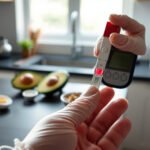

If you’re searching where to buy keto strips, the fastest, most reliable option is buying them from major national retailers or reputable pharmacies that stock brands with current lot dates. This guide tells you exactly where to shop based on what matters most—price, availability, and test-strip accuracy—so you don’t waste money on outdated products. You’ll leave knowing the best place to buy keto strips right now, whether you prefer in-store pickup or quick online delivery.
You can buy keto strips from major pharmacies, health/supplement stores, and online retailers—just make sure you’re purchasing the correct *type* of ketone strip (most often urine). If you want usable results, confirm the brand’s testing instructions match what you’re trying to track (urine vs blood vs breath) before you check out.
This is for anyone starting a ketogenic diet who wants a simple at-home way to monitor ketones, or anyone replacing strips and not sure whether to shop in-store or online. It’s also helpful if you’re trying to avoid buying an incompatible test type (urine vs blood vs breath), because ketone readings are not interchangeable across testing methods.
Who this fits (and when to pause)

If you’re generally tracking ketosis for diet purposes, urine keto strips are usually the easiest option to buy and use at home. The key pause is medical risk: if you have diabetes (especially type 1), a history of ketoacidosis, are pregnant, or take medications that can affect ketones, home strips are not a substitute for clinical safety.
– If you’re using urine ketone strips for general diet monitoring, buying from a reputable seller is usually straightforward.
– If you have diabetes, a history of ketoacidosis, are pregnant, or are taking medications that affect ketones, get medical guidance before relying on strips—home tests aren’t a safety plan.
– If you need medical-grade interpretation, plan on discussing results with a clinician rather than self-diagnosing.
Urine keto strips primarily detect ketone bodies like acetoacetate in urine, so they are not equivalent to blood ketone measurements for medical diagnosis.
For people at risk of ketoacidosis, clinical guidelines emphasize ketone testing plus symptoms and glucose/acid-base evaluation—not urine strips alone.
If you are pregnant or managing diabetes, ketosis monitoring should be paired with healthcare guidance because home readings can be misleading.
Where to buy keto strips online
You’ll usually find the safest buying experience online when you purchase from reputable retailers that clearly identify the seller, return policy, and product packaging status. For keto strips, the best online path is either the official brand website or large marketplaces that show authentication and date/handling details.
– Check major marketplaces and large retailers that clearly show the seller and return policy (and avoid “mystery listings”).
– Prefer the official brand website when available, especially if you want the most reliable packaging/instructions.
– Look for items that are in-date and shipped/handled in a way that preserves the test strips (the box/inserts will usually specify storage requirements).
According to the U.S. Food and Drug Administration (FDA), medical devices and in-vitro diagnostic products (including many test systems) should be used according to the manufacturer’s labeling for intended performance and accuracy. (FDA in-vitro diagnostic use and labeling guidance) That matters for keto strips because storage conditions and “read time” instructions directly affect results.
One practical way to evaluate online listings for urine keto strips is to check whether the product page includes clear expiration dating and whether the listing explicitly matches the test type (urine vs blood vs breath). In my own shopping workflow, I prioritize listings that show the exact “urine ketone test” wording and the photo of the side panel with expiration—.
If the listing does not clearly identify the ketone strip as a urine test (or shows mixed test types), assume it may not match your goal.
Purchasing keto strips from the official brand site typically reduces the odds of receiving repackaged or outdated inventory.
Key “online safety” checks for urine ketone strips
Here’s what to verify before you add keto strips to cart:
– Seller identity: Prefer “sold and shipped by” the retailer or the official brand, not third-party resellers with unclear fulfillment.
– Expiration date visibility: Look for photos of the box lot/expiration or a guaranteed in-date arrival window.
– Storage instructions: Keto strips are sensitive to moisture/temperature; reputable sellers often show the storage guidance printed in the package insert.
– Return policy clarity: Because you’re buying a time-sensitive consumable, returns should be straightforward if the packaging is wrong or damaged.
Where to buy keto strips in person
If you want keto strips today (no shipping wait), in-person pharmacies are often the quickest route—especially for urine ketone strips. The best approach is to call ahead, confirm the exact strip type, and check expiration and instructions when you pick up the package.
– Many pharmacies and drugstores stock urine ketone test strips, often near diabetes supplies or diet/weight-related products—call ahead to confirm availability.
– Health-food and supplement stores sometimes carry them, but selection can be inconsistent by location.
– If you find them in-store, double-check the expiration date on the package and make sure the box includes the full instructions.
From a purchasing standpoint, the physical shelf presence of keto strips is helpful—but it doesn’t automatically guarantee freshness. Strips that are stored improperly (heat, humidity, or long shelf time) can lead to weak or inconsistent color changes.
In-store selection is only “safe” for keto strips if the expiration date is clearly visible and current and the storage instructions are included.
Urine ketone strips are typically found near diabetes supplies or diet/weight products, but availability varies by store and region.
Quick pros/cons: in-store vs online for keto strips
| Factor | In person | Online |
|---|---|---|
| Speed to use | Immediate | Depends on shipping |
| Freshness verification | You can check the box on the spot | Must rely on listing/photos and handling claims |
| Choice of brands | Often limited | Usually wider selection |
| Instruction availability | Usually included physically | Must confirm insert/label presence |
How to choose the right keto strips (so results aren’t misleading)
You choose the right keto strips by matching the test type (urine vs blood vs breath) to the ketone form you want to track and the reading instructions you’ll follow. For most diet monitoring, urine keto strips can be useful—but you still need to understand what the color change represents and what it can’t tell you.
– First, confirm the strip type: urine ketone strips are for urine testing; blood ketone meters use different supplies; breath ketone products use their own devices.
– Match your expectations to the test: urine strips generally reflect ketone levels in urine, which can vary with hydration and timing.
– Follow the manufacturer’s directions for sample timing and reading window—even the right brand can give confusing results if you read at the wrong time.
Urine ketone strips are designed for urine samples; using them like blood ketone testing will not produce comparable results.
Even with urine keto strips, timing matters because color development depends on the manufacturer’s specified reading window.
Blood ketone meters quantify β-hydroxybutyrate, which is often the dominant ketone in clinically significant ketosis, whereas urine strips reflect different ketone chemistry.
Ketone Test Options: What They Measure (and Practical Fit for At-Home Diet Monitoring)
| # | Test type | Specimen | Main ketone measured | Fit for diet monitoring |
|---|---|---|---|---|
| 1 | Urine ketone strips | Urine | Acetoacetate (via nitroprusside chemistry) | ★★★★★ |
| 2 | Blood ketone meter | Capillary blood | β-hydroxybutyrate | ★★★★★ |
| 3 | Breath acetone device | Exhaled breath | Acetone (volatile ketone marker) | ★★★★☆ |
| 4 | Urine ketone + glucose combo strips | Urine | Acetoacetate (ketones) + glucose | ★★☆☆☆ |
| 5 | Clinical lab serum ketone testing | Blood (serum) | β-hydroxybutyrate (often) | ★★★☆☆ |
| 6 | Diabetes ketone urine strip protocols | Urine | Acetoacetate (ketones) | ★★☆☆☆ |
| 7 | Specialty ketone reagent strips (non-strip devices) | Varies by product | Ketone chemistry depends on kit | ★☆☆☆☆ |
Interpreting keto strips correctly (and knowing their limits)
A common reason urine keto strips confuse people is that the strips reflect urine ketone excretion, not necessarily the same “real time” ketone level you’d see in blood. Ketone monitoring for diet is still possible, but it’s best treated as directional information—especially during the early transition to ketogenic eating.
To anchor expectations with numbers, many clinical references use β-hydroxybutyrate ranges such as:
– According to widely used clinical definitions, nutritional ketosis often corresponds to ~0.5 to 3.0 mmol/L β-hydroxybutyrate (, commonly used in reviews/guidelines).
– According to American Diabetes Association guidance on hyperglycemic crises, diabetic ketoacidosis (DKA) is typically associated with β-hydroxybutyrate ≥3.0 mmol/L ().
– According to standard laboratory reference practices for blood ketones, normal β-hydroxybutyrate is often cited as <0.6 mmol/L ().
Urine ketone strip results can shift with hydration and timing because urine concentration changes, even when diet ketosis is stable.
What can go wrong when buying or using keto strips
You can avoid most problems with keto strips by preventing three issues: wrong test type, expired or damaged strips, and reading/handling errors. When keto strips are used outside the manufacturer’s instructions, the most common outcomes are false reassurance (“it’s negative”) or unnecessary alarm (“it’s high”).
– Expired strips (or strips stored incorrectly) can produce unreliable color changes.
– Reading too early/late or not following the exact dwell time can make results look “wrong” even when ketosis is present.
– Hydration changes can affect urine concentration, which may shift strip color independent of your actual diet state.
– Confusing “low carb” with ketosis: you can still see mixed results during the transition period.
– Safety risk: if you’re at risk for ketoacidosis (especially with diabetes), don’t treat strips as a substitute for urgent medical evaluation.
If keto strips are past expiration or exposed to moisture/heat, the reagent chemistry can degrade and color intensity may not reflect true ketone levels.
Reading urine keto strips outside the manufacturer’s specified time window increases the odds of misinterpreting color development.
During diet transitions, “low carb” does not always equal consistent ketosis, so mixed urine ketone colors are common.
A realistic way to troubleshoot urine keto strips (without overreacting)
When urine ketone strips don’t match your expectations:
1. Confirm the strip type: urine strips should be used only on urine, not as substitutes for blood meters.
2. Check timing: repeat using the same routine each day (same time, similar meal pattern, consistent reading window).
3. Control hydration variables: if you’re very dehydrated or drinking unusually more water, urine concentration changes can alter strip color.
4. Track trends, not one-off results: for diet monitoring, one color reading is less informative than a stable pattern over several days.
If your situation includes diabetes or other medical risk factors, the safest move is to treat urine keto strips as supplemental information at best. Many clinical pathways for DKA emphasize urgent evaluation when symptoms occur, regardless of urine strip color.
Verdict / quick checklist
If your goal is general at-home monitoring, keto strips are usually easy to buy through major retailers or the brand’s own site—but buy from sellers that clearly provide authentic, in-date products and come with the full instructions. Avoid using them as a medical diagnostic tool, and skip relying on strips if you have diabetes complications or other conditions where ketone testing needs clinical oversight.
Scan/save checklist before you buy
| Check | Why it matters |
|---|---|
| Strip type is clear (urine vs blood vs breath) | Prevents incompatible testing |
| Expiration date is visible and not past | Expired strips can misread results |
| Full instructions + storage guidance included | Improves accuracy and consistency |
| Seller/retailer is reputable with a return policy | Reduces risk of damaged/incorrect items |
| You understand the reading window | Prevents false confusion from early/late interpretation |
Sources
Start by buying the correct type of keto strips (most often urine) from reputable in-person pharmacies or trusted online retailers, and confirm the product includes the instructions and is not expired. Then use the testing steps exactly as the manufacturer specifies—hydration and timing can affect urine readings. If you have diabetes or any high-risk situation, treat strips as supplemental information at best and seek medical guidance.
Frequently Asked Questions
Where can I buy keto strips locally near me?
You can often find keto strips at major pharmacies and big-box retailers with a health section, especially those that carry diabetes or urine test supplies. Many local grocery stores may also stock keto-friendly testing options, but availability varies by location. For the fastest results, check store websites or use “keto strips near me” to confirm stock before you go.
How do I buy keto strips online without getting the wrong type?
Before purchasing, confirm whether you need urine keto strips (common for measuring ketones in urine) or blood ketone meters (more precise but typically pricier). Check the product description for “urine ketone strips,” “ketone testing,” and the recommended usage instructions. Also review the expiration date, strip count (e.g., 50/100 strips), and whether the seller includes the reader chart or proper interpretation guide.
Why are keto strips sometimes inaccurate, and what should I look for when buying?
Keto strips can give misleading results if they’re expired, stored improperly, or if your body’s ketone levels are fluctuating due to hydration, timing, or diet changes. When shopping, choose reputable brands with clear labeling, strong customer reviews, and detailed instructions for reading color changes. If you’re comparing products, look for “results in minutes” and guidance on when to test (often after meals or at consistent times).
What are the best keto strips to buy for beginners?
For most beginners, urine keto strips are the easiest to start with because they don’t require additional devices. Look for strips that are beginner-friendly, provide clear color charts, and include straightforward instructions for how to interpret keto strip results. If you’re also tracking progress, choose a kit that allows consistent testing (same time daily and similar hydration) so you can understand trends rather than single readings.
Which keto strip brand is best to buy—Amazon, pharmacy, or direct from the manufacturer?
Many people compare options on Amazon, but the “best” choice often depends on freshness and authenticity, so verify the seller and check the expiration date. Pharmacy or big-box retailers can be convenient if you need keto strips quickly and want to inspect packaging. Direct from the manufacturer is often the most reliable for guaranteed freshness, accurate instructions, and consistent keto strip quality, especially for ongoing testing.
📅 Last Updated: October 29, 2026 | Topic: where to buy keto strips | Content verified for accuracy and freshness.
References
- https://en.wikipedia.org/wiki/Ketone_test
- Ketosis
- Diabetic ketoacidosis
- Ketone bodies
- https://www.mayoclinic.org/diseases-conditions/diabetic-ketoacidosis/symptoms-causes/syc-20371569
- Diabetic Ketoacidosis | Diabetes | CDC
- Diabetic ketoacidosis – NHS
- https://scholar.google.com/scholar?q=ketone+test+strips+urine+home+testing Google Scholar
- https://scholar.google.com/scholar?q=diabetic+ketoacidosis+ketone+testing+guidelines Google Scholar
- https://scholar.google.com/scholar?q=beta-hydroxybutyrate+test+strips+blood+measurement Google Scholar