Want to know what to avoid in a keto diet to stop stalls, fatigue, and unintended weight gain? This guide gives a clear verdict on the most common keto mistakes and the specific pitfalls behind them—like hidden carbs, poor electrolyte management, and relying on low-fat “keto” products that backfire. Follow the checklist and you’ll tighten your approach to keto fast, with fewer missteps and better results.
Avoiding the biggest keto mistakes is the difference between “easy ketosis” and constant stalls. Focus on cutting high-carb foods, watching for hidden sugars, and not overdoing “keto-friendly” ultra-processed items that can keep you from staying consistent. In this guide, we’ll cover exactly what to avoid on keto and what to do instead.
If you’re new to keto or you’ve tried it before but struggled with cravings, fatigue, or stalled weight loss, this is for you. It’s also useful if you’re eating packaged “keto” products and want a sanity check on the ingredients and carbs.
Cut High-Carb Foods That Break Ketosis
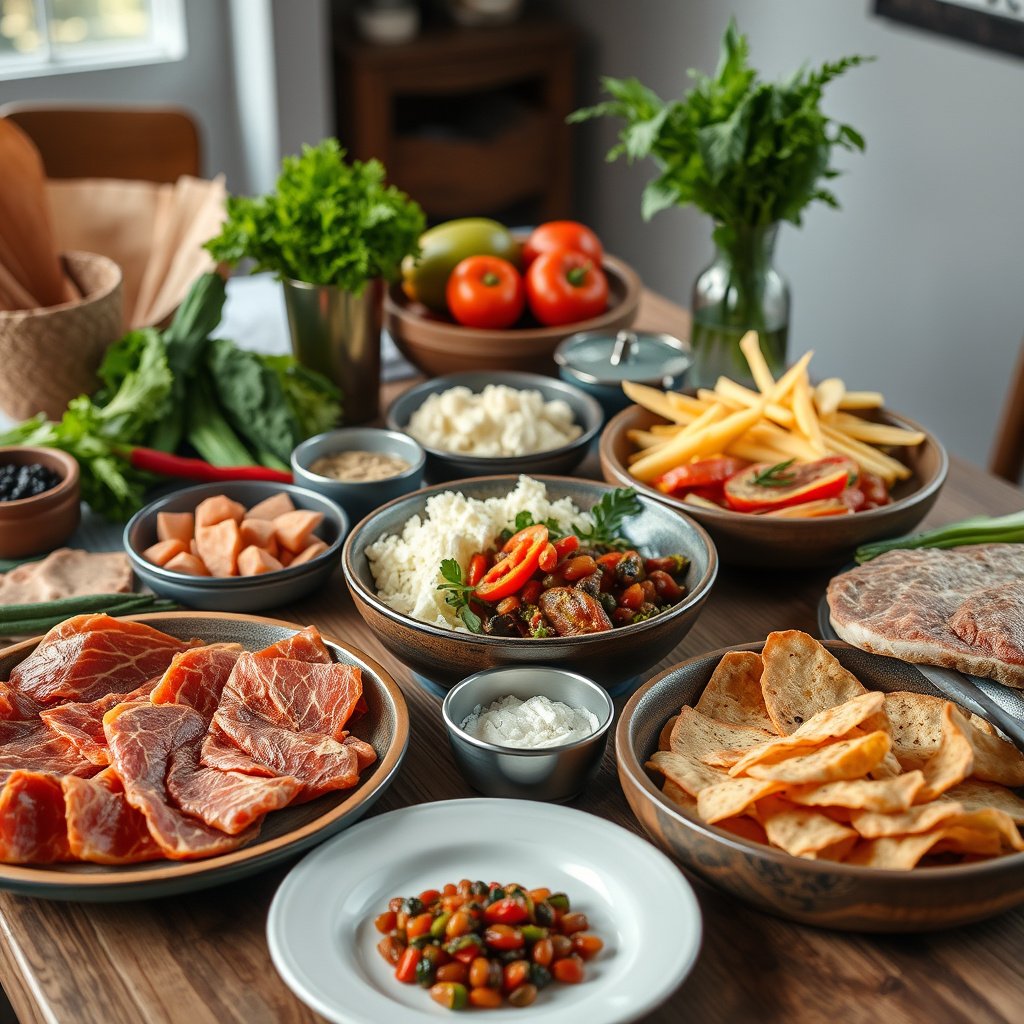
If the goal is consistent ketosis, your first job is removing foods that supply more carbohydrate than your daily keto target allows. In practice, that means getting strict about bread, grains, starches, and sweetened foods—even “healthy” versions—because they add up quickly.
Most keto plans use a daily carbohydrate ceiling (commonly in the ~20–50 g/day range) to drive fat metabolism and ketone production.
Starchy foods and grain-based items contribute carbohydrate quickly, which can delay ketosis—especially when portions drift upward.
Keto consistency is strongly influenced by what you eat most days, not by occasional “perfect” meals.
What to avoid (and why it stalls you)
– Avoid sugar, grains, and starchy carbs like bread, pasta, rice, and most desserts—even “small” portions can add up fast.
– Limit high-sugar fruits and juice, which are easy to overeat and can push you out of ketosis.
– Be cautious with “healthy carbs” (like honey or agave) and refined carbs—they can sabotage your daily carb limit.
Here’s the practical reasoning: on keto, your body adapts to using fat and ketones. If carbs come in faster than your plan can handle, you may not “fail,” but you can make ketosis harder to reach or keep—especially after eating out, ordering snacks, or “tasting” sauces that contain flour or sugar.
A common misconception is that “carb-light” foods are automatically keto-safe. For example, grain-based “low-carb” breads sometimes still contain enough digestible carbohydrate per slice to matter, particularly if you’re eating two or three slices. If you track, compare not just “net carbs” claims, but the actual carbohydrate grams per serving.
Three anchoring data points to keep you grounded
According to the U.S. Food and Drug Administration (FDA), the Nutrition Facts “Total Carbohydrate” value includes multiple carbohydrate types (including sugars, starches, and fiber) and is typically based on a 2,000-calorie reference daily intake for labeling purposes ().
According to commonly used clinical ketogenic diet guidance, many low-carbohydrate ketogenic approaches set a carbohydrate limit that often falls roughly in the 20–50 g/day range for inducing/maintaining ketosis ().
According to the FDA, Nutrition Facts uses Daily Values and serving sizes intended for consumer labeling consistency—not keto targeting—so keto dieters need to recalculate based on their own carb ceiling ().
Watch Hidden Sugars in “Healthy” and “Keto” Labels
If you want fewer stalls, the fastest upgrade is label accuracy: hidden sugars are one of the most common reasons keto doesn’t behave predictably. Read ingredient lists like a detective—because “keto” branding doesn’t guarantee carb control.
Ingredients that end in “-ose” (like dextrose) and carbohydrate syrups can raise blood glucose and carbohydrate intake even when a product is marketed as “low carb.”
“Net carbs” are calculated differently across products, so relying on the marketing number can hide how many grams of carbohydrate you’re actually consuming.
Sugar alcohols may fit some keto plans, but they can also affect appetite and digestion, which can indirectly sabotage adherence.
What to avoid on labels
– Steer clear of ingredients that signal carbs: cane sugar, dextrose, maltodextrin, fruit concentrates, and syrups.
– Don’t rely only on the “net carbs” marketing—compare total carbs and serving size, then decide what fits your plan.
– Watch for sweeteners and sugar alcohols (some can trigger cravings or digestive issues).
A useful method is to treat labels as two separate questions:
1) Carbohydrate grams: What does the Nutrition Facts say for total carbohydrate per serving?
2) Carbohydrate sources: What do the ingredients tell you? (syrups, concentrates, powders, starch derivatives)
In my own day-to-day label reviews, I’ve found that the “hidden sugar” issue usually isn’t one brand—it’s repeated patterns across product categories (bars, “keto dessert” mixes, and sauces).
One practical label rule (that keeps you sane)
Instead of only looking at “net carbs,” do this quick check every time:
– Multiply the carbs per serving by the servings you realistically eat (many people snack through 2–3 servings without noticing).
– If a product lists a sweetener system (syrups/sugar derivatives) that increases palatability, be honest about how likely you are to overshoot your carb ceiling.
Avoid Overeating Calories or “Too Many Fat” Without Results
If weight loss has stalled, the issue is often not keto itself—it’s calorie creep disguised as “healthy keto fats.” Your body can stay in ketosis while still taking in enough energy to maintain or gain weight.
Keto doesn’t remove the role of energy balance: you can be in ketosis and still not lose weight if calories rise.
Ultra-calorie-dense foods (cheese, nuts, oils) make portion creep easy, especially when you’re no longer tracking because “keto foods feel safe.”
If the scale doesn’t move, revisiting both carbohydrate intake and overall portions is usually more effective than adjusting one variable at a time.
What to avoid
– Keto isn’t an excuse to ignore portions: if you’re eating large amounts of cheese, nuts, or oils, weight loss can stall.
– Pay attention to calorie-dense add-ons (nut butters, heavy cream, calorie-rich sauces) that can quietly raise your total intake.
– If you’re not losing weight, revisit both carbs and overall portions—not just one side.
Here’s what often happens: people get strict on carbs, feel confident, and then “upgrade” meals with extras. A “keto-friendly” order might be technically low carb but still energy heavy:
– An oil drizzle becomes a tablespoon
– A handful of nuts becomes two servings
– “Just a little” cheese turns into multiple slices plus sauce
Quick pros/cons: whole-food structure vs snack-driven keto
| Feature | Whole-food keto structure | Packaged “keto” snacks & sweets |
|---|---|---|
| Carbs per serving | Easier to keep consistent | Often variable; can drift with serving size |
| Satiety | Protein + fiber (from low-carb plants) tends to help | Can be less filling than expected |
| Risk of portion creep | Lower—foods are less “dense” per bite | Higher—snack formats encourage extra servings |
| Ingredient complexity | Fewer processed inputs | More additives, sweeteners, and carbohydrate derivatives |
| Convenience | Meal prep takes effort at first | Immediate grab-and-go |
| Consistency for tracking | Predictable foods simplify tracking | Labels can be confusing or “net-carb” based |
| Digestion effects | Often gentler | Sugar alcohols can trigger gas/bloating |
| Cravings management | Lower incentive to snack repeatedly | Sweet flavors can keep cravings active |
| Meal satisfaction | Higher when macros align with hunger | Can feel satisfying short-term but trigger more eating |
| Budget control | Grocery-based predictable spending | Costs can rise with frequent snack purchases |
| **Best For** | People building long-term adherence | People using snacks strategically, not as staples |
Avoid Skipping Electrolytes and Then Blaming the Diet
If you feel weak, headachy, or crampy early on, electrolytes are frequently the missing piece—not “keto failure.” During the low-carb transition, your kidneys excrete more sodium and water, which can make you feel worse before you feel better.
Early low-carbohydrate transitions can reduce insulin, shifting kidney handling of sodium and water and affecting how you feel.
“Keto flu” symptoms often correlate with electrolyte and hydration issues, not ketone toxicity.
Electrolyte needs vary by person and medical history, so clinician guidance matters when you’re at risk for electrolyte imbalances.
What to avoid
– A common early problem is “keto flu” symptoms—fatigue, headaches, cramps—often tied to electrolyte shifts.
– Don’t treat plain water as the whole solution; consider sodium, potassium, and magnesium strategies with your clinician if you have conditions.
– If you have kidney disease, heart failure, or take diuretics, ask a healthcare professional before increasing electrolytes.
This is where keto gets misunderstood: plain water hydration is helpful, but it doesn’t automatically replace sodium and electrolytes your body may lose during carbohydrate restriction. If you skip electrolyte planning, you can end up attributing temporary adjustment symptoms to “the diet” and quitting when a simple adjustment would have helped.
Keto label “signal ingredients” that commonly undermine ketosis
Use this as a quick reference when you’re scanning ingredient lists for carbohydrate-based sweeteners and syrup derivatives.
Common Keto-Undermining Ingredient Terms (Carb Load Expectation)
| # | Ingredient label term | What it is | Carbs per 10 g | Keto compatibility |
|---|---|---|---|---|
| 1 | Cane sugar | Sucrose (a sugar) | ≈10 g | ★ |
| 2 | Dextrose | Glucose (a sugar) | ≈10 g | ★ |
| 3 | Maltodextrin | Glucose polymer | ≈10 g | ★ |
| 4 | Corn syrup | Glucose-based syrup | ≈10 g | ★ |
| 5 | Glucose syrup solids | Dry glucose solids | ≈10 g | ★ |
| 6 | Invert sugar | Glucose + fructose mix | ≈10 g | ★ |
| 7 | Syrup solids | Condensed sugar ingredients | ≈10 g | ★ |
Note: For sugar-derived ingredients, carbohydrate intake is typically very high per gram. Always confirm against the Nutrition Facts for the specific product, because formulations vary.
What Can Go Wrong: Edge Cases and Common Traps
Even when your shopping list looks “keto,” a few special situations can still derail results. These traps usually involve portion psychology, dining out, and medication interactions rather than the core diet rules.
“Keto bread” and “keto snacks” can still contain enough carbohydrate per serving to exceed your daily keto ceiling if you eat more than the label serving size.
Restaurant sauces, glazes, and marinades frequently contain sugar or starch, making them easy to overlook when you’re not tracking.
People using glucose-lowering medication should not start keto without medical guidance due to hypoglycemia risk during carbohydrate reduction.
What to avoid in real life
– “Keto bread” and “keto snacks” can still be high in carbs per serving—some people eat more because they feel “safe.”
– Dining out can be tricky: sauces, marinades, and “glazes” often contain sugar or starch.
– If you have diabetes, you may need medication adjustments—don’t assume keto is risk-free without medical guidance.
The hidden issue with “safe feeling” foods
Many people don’t intentionally break keto—they simply underestimate how quickly “keto snacks” become an extra meal. In 2026, the market is full of products that look low carb, but adherence still depends on:
– serving size honesty (and whether you track it)
– how “keto” flavor systems influence cravings
– whether the product replaces whole, high-satiety meals
If you’re dining out, think in categories:
– Safer base: grilled meats, non-starchy vegetables, olive oil/butter (ask about sauces)
– Higher-risk add-ons: teriyaki-style glazes, sweet marinades, creamy “salad dressings” that may include sugar, breaded sides
Verdict / Tip: A Practical Avoid List (Plus Who Should Skip)
If you want the simplest route, avoid obvious carbs, hidden sugars, and portion creep with calorie-dense keto fats. If you want the honest caveat: overly aggressive restriction and electrolyte neglect can make the first weeks miserable, which reduces long-term success.
The most common keto derailment pattern is not “one bad food,” but repeated hidden carb intake plus snack-driven portion creep.
For many people, improving outcomes in 2026 comes down to tracking total carbohydrate grams and simplifying meals back to whole foods.
If you want the simplest path, avoid: obvious carbs (sugar, grains, starchy foods), hidden sugars in sauces/labels, and portion creep with keto fats. The downside: overly strict avoidance can make eating socially stressful, and some people feel worse if they cut too aggressively without electrolyte support. If you’re pregnant, breastfeeding, have kidney disease, have a history of eating disorders, or take glucose-lowering medication, skip DIY keto changes and get personalized guidance first.
Quick Scan Checklist: What to Avoid on Keto
– [ ] Sugar, candy, desserts, and sweet drinks
– [ ] Bread, pasta, rice, grains, and starchy sides
– [ ] Fruit juice and sugary fruit (without tracking)
– [ ] Ingredients like maltodextrin, dextrose, and syrups
– [ ] “Keto” packaged foods with oversized servings or carbs per serving
– [ ] Ignoring electrolytes (especially early on)
– [ ] Portion creep with calorie-dense fats and snacks
Sources
Keto success comes down to what you remove and what you consistently replace it with. If you avoid high-carb staples, catch hidden sugars in “keto” products and restaurant sauces, manage portions of calorie-dense fats, and plan electrolytes during the transition (especially in 2026), you dramatically reduce stalls and make the diet more sustainable.
Frequently Asked Questions
What foods should you avoid on a keto diet?
Avoid high-carb foods like sugar, soda, juice, and desserts, as well as starchy items such as bread, pasta, rice, and potatoes. You should also limit legumes (beans, lentils) and many fruits because their carbs can quickly push you out of ketosis. Even “healthy” granola, many snack bars, and packaged sauces often contain hidden sugars or flour—always check nutrition labels for total carbs and added sugar.
How can you avoid hidden carbs when following keto?
Watch for carbs in condiments and “keto-friendly” processed products, including ketchup, BBQ sauce, sweet marinades, and salad dressings that contain sugar or corn syrup. When reading labels, focus on total carbohydrates and fiber (net carbs can vary by brand), and be cautious with ingredients like maltodextrin, dextrose, or modified starch. A practical habit is to track carbs for the first 1–2 weeks to identify which foods or meals repeatedly exceed your keto limit.
Why do some people fail on keto because of electrolyte mistakes?
Early keto often causes water loss, which can lead to headaches, fatigue, and leg cramps if you don’t replace electrolytes. Avoid the common mistake of drinking only plain water without adding sodium, and consider magnesium and potassium through keto-appropriate foods or supplements if needed. If you feel “keto flu” symptoms, it’s usually not a reason to quit—adjust salt and electrolytes while staying consistent with keto foods.
Which “healthy” foods are most likely to break ketosis?
Foods like carrots, beets, onions, and many fruits (especially bananas, grapes, and mango) can be surprisingly high in carbs depending on portion size. Whole grains, even “whole wheat” or “ancient grains,” are also easy to overeat and typically don’t fit strict keto targets. If you want variety, choose lower-carb options and stick to measured portions rather than eating them freely.
Best ways to avoid bingeing or overeating on keto?
Keto can make people feel less hungry, but overeating fats like cheese, nuts, and creamy sauces can still push total calories high and stall progress. Avoid treating keto as “no rules”—set a daily carb target and keep portions consistent, especially for calorie-dense foods. Planning meals with protein, non-starchy vegetables, and healthy fats helps prevent mindless snacking that can derail keto goals.
📅 Last Updated: October 29, 2026 | Topic: what to avoid in keto diet | Content verified for accuracy and freshness.
References
- Ketogenic diet
- Checking your browser – reCAPTCHA
- ketogenic diet adverse effects contraindications – Search Results – PubMed
- ketogenic diet electrolyte depletion dehydration – Search Results – PubMed
- ketogenic diet kidney stones nephrolithiasis – Search Results – PubMed
- ketogenic diet micronutrient deficiency fiber – Search Results – PubMed
- The ketogenic diet is not for everyone: contraindications, side effects, and drug interactions – …
- https://scholar.google.com/scholar?q=what+to+avoid+in+keto+diet Google Scholar
- https://scholar.google.com/scholar?q=ketogenic+diet+contraindications+adverse+effects Google Scholar
- https://scholar.google.com/scholar?q=ketogenic+diet+ketoacidosis+dehydration+electrolyte+imbalance Google Scholar