

Keto means “ketogenic,” a diet that shifts your body from burning carbs to burning fat by forcing ketosis. This article explains what keto means in diet, how it works, and the specific conditions—like low-carb intake and sufficient fat—where it reliably delivers results. If you want the fastest way to understand what keto is and when it’s worth trying, you’ll get the answer here.
Keto means ketogenic—it’s a way of eating designed to shift your body toward using ketones (made from fat) for energy instead of relying mainly on carbs. In practice, most keto plans sharply reduce carbohydrate intake so your body is more likely to enter ketosis, a normal metabolic state where ketones become a significant fuel source.
If you’ve heard “keto” in conversations about weight loss, health, or low-carb eating, this guide breaks down what the word means, how keto dieting differs from regular “low carb,” and the most common things people get wrong when they try it.
If you’re considering keto in 2025–2026, this is for you: you want the plain-English meaning, realistic expectations about how it works, and a safety-aware checklist—especially if you have diabetes risk factors, digestive sensitivities, or you’re currently on glucose-related medications.
What Does Keto Mean (in plain terms)?
Keto simply means ketogenic—a diet pattern meant to encourage your body to produce and use ketones. When carbs are low enough, ketosis becomes more likely because the liver increases ketone production for energy.
Here’s the core idea: when carbohydrate intake drops, the body’s primary fuel (glucose) becomes less available, so fat breakdown rises and the liver converts fatty acids into ketones. Keto is the *diet approach*; ketosis is the *physiological state* your body reaches.
“Keto” is short for “ketogenic,” describing a diet that shifts metabolism toward using ketones derived from fat.
Ketosis is a normal metabolic pathway in which the liver produces ketones when carbohydrate availability is low.
Nutritional ketosis is commonly discussed in terms of steady low-carbohydrate intake, not fasting.
– “Keto” = “ketogenic.” The term comes from ketogenic metabolism—your body producing and using ketones.
– Keto dieting aims to reach ketosis, a metabolic state where fat-derived ketones become a major fuel source.
– Ketosis isn’t just a buzzword—it’s a normal body process your liver increases when carbohydrate availability is low.
To put this into context, conventional diets generally rely on carbohydrates to help supply glucose for energy. Keto deliberately changes that balance. As of 2026, keto remains popular not only for weight management, but also because many people find it changes appetite and cravings when carbs drop—though results vary by person and by how strictly the plan is followed.
Key terms (so you can read any keto article correctly)
Ketones are energy molecules produced mainly by the liver. The most commonly tracked ketone in home testing is β-hydroxybutyrate (often reported as a blood level in mmol/L, or as urine/breath equivalents depending on the method).
Ketosis is the metabolic state where ketones are elevated enough to become a meaningful energy source for the body—often reached after days of carbohydrate restriction, but the exact timing depends on starting diet, activity, sleep, stress, and adherence.
What the “keto” diet means for food choices
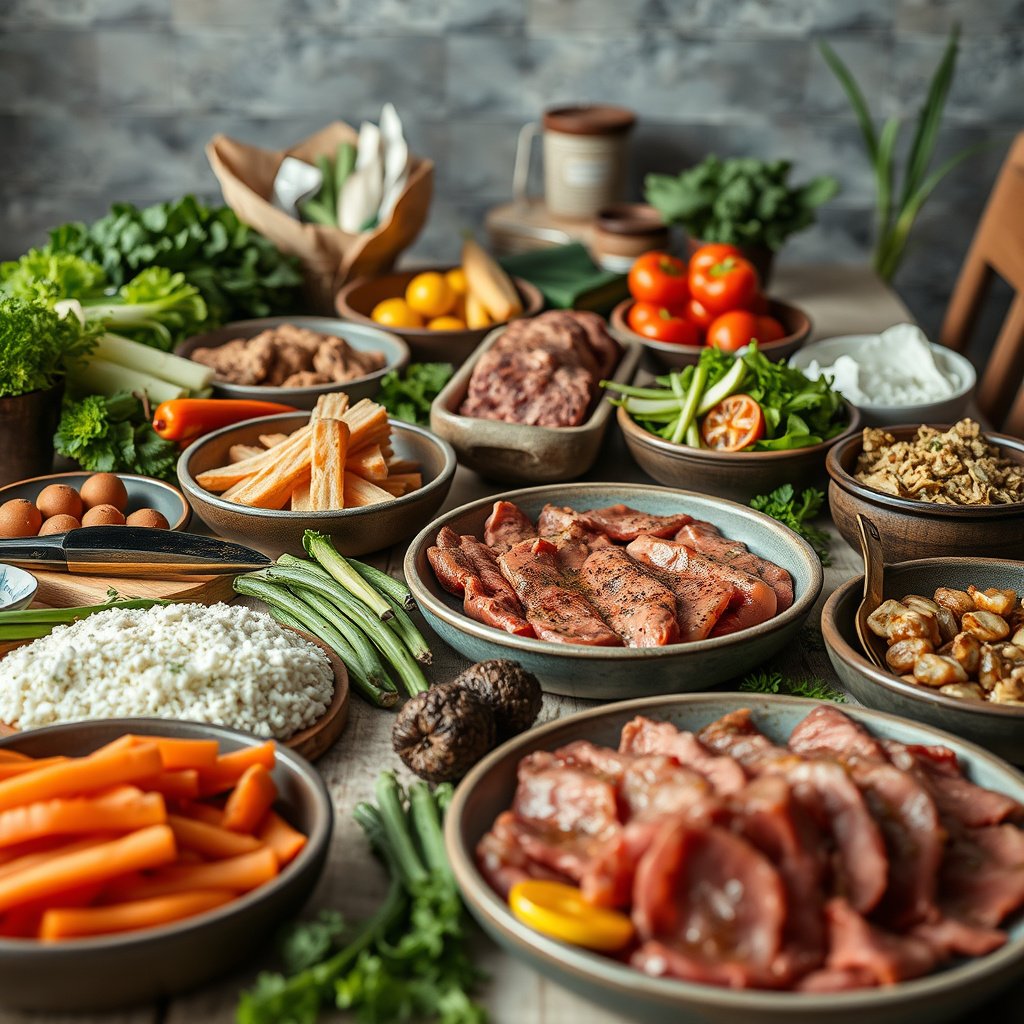
Keto food choices are relatively consistent: fewer carbohydrate foods and more fat-forward meals. If you’re shopping or planning meals, the practical goal is to keep carbs low enough to support ketosis while still eating enough calories and protein to function well.
In other words, keto is not just “eating low carb.” It’s a structured approach that changes what fills your plate: lower-glycemic vegetables and adequate protein, paired with fats that help you meet energy needs.
Keto meal planning typically involves reducing carb-containing foods like sugar, refined grains, and many packaged snacks.
Keto commonly emphasizes fat-forward meals so energy intake can remain adequate even when carbs drop.
Protein targets on keto are often kept moderate to avoid inadvertently increasing carbohydrate intake through excess protein-rich foods.
– You generally reduce carbohydrate foods (like sugar, bread, and many snack foods) to limit glucose production.
– You generally increase dietary fat and build meals around fat-forward choices.
– Protein is often kept moderate, because extremely high protein can affect how easily ketosis is maintained for some people.
What keto usually includes (and why it works)
A typical keto plate tends to have:
– Non-starchy vegetables (fiber + micronutrients with relatively low net carbs)
– Protein foods (meat, fish, eggs, and sometimes tofu/tempeh depending on carb totals)
– Fats such as olive oil, butter/ghee, avocado, nuts/seeds, cheese (depending on tolerance)
From my experience helping others interpret keto rules, the most common practical mistake isn’t “eating the wrong foods”—it’s accidentally overshooting carbs with small items (sauces with sugar, “healthy” snack bars, and sweetened drinks).
The “carb” number that matters
On paper, keto carb targets can vary by person (and by goals like fat loss, athletic performance, or therapeutic use). Many mainstream medical references describe carbohydrate limits in the rough range of ~20–50 grams per day, but the exact “right number” depends on your tolerance and what counts as net carbs for your plan.
For additional context, the Dietary Guidelines for Americans 2020–2025 recommend limiting added sugars to less than 10% of daily calories—a helpful benchmark when you’re evaluating how much sweetness you’re cutting (and why keto often feels easier once sugary foods disappear). U.S. Department of Health and Human Services & U.S. Department of Agriculture, Dietary Guidelines for Americans (2020–2025)
Keto vs low-carb: what’s actually different?
Keto is more specific than “low-carb” because it’s designed to push you toward ketosis consistently. Low-carb can mean anything from “just cut back on bread” to “go moderately lower,” and many low-carb approaches don’t aim for measurable ketone production.
If you want a simple decision rule: if ketosis is the target, you’re closer to keto. If carbs are simply reduced without that metabolic goal, you’re doing low-carb.
Low-carb describes reducing carbohydrates, but it does not necessarily aim to achieve ketosis.
Keto is structured to increase the likelihood of ketosis through much lower carbohydrate intake and fat-forward meals.
People often experience different tradeoffs on keto versus low-carb, especially during the early adjustment period.
– Low-carb can be less strict—some people simply cut back carbs without strongly targeting ketosis.
– Keto is more specific because it’s designed to push your body toward ketosis more consistently.
– You’ll often see different results and tradeoffs: keto may feel more structured, but it can also be harder to sustain.
Quick comparison: keto vs low-carb (what changes in real life)
| Feature | Keto | Low-carb |
|---|---|---|
| Primary target | Ketosis (ketone-driven fuel) | Carb reduction (glucose lowering) |
| Carb strictness | Often very tight and tracked | Varies widely; may not be tracked |
| Meal structure | Fat-forward by design | Can be balanced; fat may or may not dominate |
| Early adaptation | More likely electrolyte/water shifts | Often milder adjustment |
| How you measure success | Carb grams + ketones (optional) | Carb grams or subjective appetite/weight |
| Sustainability | Often harder long-term for some | Often easier to maintain |
Whether keto or low-carb fits best often depends on lifestyle and tolerance. Some people like keto’s structure; others prefer low-carb flexibility—especially if they train hard and don’t want to deal with early carb-withdrawal symptoms.
7 Common Ketogenic Diet Variants (Clinical & Therapeutic Use)
| # | Variant | Typical fat-to-nonfat ratio | Carb approach (general) | Protein emphasis | Practical adherence fit★ |
|---|---|---|---|---|---|
| 1 | Classic Ketogenic Diet | 3:1 | Very low carbs | Often limited | ★★★★☆ |
| 2 | Modified Atkins Diet (MAD) | Less rigid ratio | Carbs commonly capped at ~10g/day initially | More flexible | ★★★☆☆ |
| 3 | Low Glycemic Index Treatment (LGIT) | Not primarily ratio-based | Low-GI carbs emphasized | Adequate | ★★★☆☆ |
| 4 | Medium-Chain Triglyceride (MCT) Diet | Often 1:1 or ratio-adjusted | Very low carbs | May be adjusted | ★★☆☆☆ |
| 5 | Therapeutic Calorie-Restricted Keto | Varies by protocol | Carbs kept low | Protein targeted | ★★☆☆☆ |
| 6 | Cyclic Ketogenic Diet (CKD) | Keto most days | Carb “re-feed” days | Often higher | ★☆☆☆☆ |
| 7 | Targeted Ketogenic Diet (TKD) | Keto baseline | Extra carbs around training | Maintained | ★★★☆☆ |
Note: this table summarizes commonly discussed variants; exact ratios and carb limits can vary by clinical protocol and individual needs.
How to start keto (practical basics)
Starting keto works best when you plan your carb reduction first and treat keto like a system, not a list of foods. If you do that, you reduce the odds of “accidental carbs” and make the transition more predictable.
As of 2025–2026, many people also benefit from monitoring how they feel (energy, appetite, cravings) because keto is highly individual. You may not need expensive ketone testing, but you do need consistency.
Most keto transitions start with carb reduction first, because ketone production depends on low carbohydrate availability.
Electrolytes and water balance often change early in keto, which is a common reason people report “keto flu” symptoms.
Tracking diet adherence to carb limits can improve the likelihood of reaching nutritional ketosis.
– Plan your carb reduction first: decide what you’ll remove (or sharply limit) and what you’ll swap in.
– Build simple meals: focus on foods that naturally fit (vegetables, proteins, fats) rather than complex “keto recipes.”
– Track how you respond: watch symptoms (energy, cravings, digestion) and consider ketone testing if it helps you stay on target.
A realistic “day 1” approach
1. Choose your starting carb target (even if you adjust later). If your goal is ketosis, you generally need to be consistent with low-carb intake rather than “low-carb-ish.”
2. Remove the usual carb sources: sugary beverages, desserts, bread, and many snack foods.
3. Add structure: two or three repeatable meals using vegetables + protein + fat so you’re not reinventing dinner every night.
Electrolytes matter more than most people expect
A frequent early experience on keto is feeling run-down or headachy. Many experts attribute this—at least partly—to shifts in water and sodium balance when carbs drop. Your plan should ideally include attention to hydration and electrolytes.
Important safety note for 2025–2026: if you take glucose-lowering medication, carb reduction can change your blood sugar. The American Diabetes Association Standards of Care in Diabetes—2024 emphasizes that medication adjustments may be needed to reduce hypoglycemia risk when carbohydrate intake changes. American Diabetes Association, Standards of Care in Diabetes—2024
What can go wrong with keto
Keto can cause issues, especially in the first couple of weeks and for people with certain health conditions. The most common problems are temporary side effects (“keto flu”), digestive changes, and medication-related safety risks.
This is why keto works for some people and fails for others: adherence is a moving target, and early adaptations can be uncomfortable even when the diet is otherwise “doing the right thing.”
Early keto transitions can cause fatigue, headaches, or irritability, which many people describe as “keto flu.”
Constipation can occur on keto when fiber intake drops or when fluid intake isn’t adjusted.
People on insulin or other glucose-lowering medications may face hypoglycemia risk if carbohydrate intake is reduced without clinician support.
– “Keto flu” symptoms (fatigue, headaches, irritability) can happen early—often tied to water and electrolyte changes as carbs drop.
– Constipation and stomach changes are common for some people, especially if fiber and fluid intake don’t adapt.
– Medication and health risks: if you use blood sugar–lowering medicines or you have certain medical conditions, keto can be risky without clinician guidance.
Pros/cons at a glance
Pros
– May reduce appetite for some people
– Often improves diet clarity (fewer food categories)
– Can be effective for specific goals with good adherence
Cons
– Early adjustment discomfort is common
– Digestive upset can happen without careful fiber/hydration planning
– Safety concerns can arise with diabetes medications
And yes—keto can also be misapplied. Some people “keto” their way into high-saturated-fat patterns with poor fiber and micronutrient intake. Others quit early because they expect a smooth transition instead of planning for an adjustment period.
Verdict / tip: should you try keto?
Keto can be worth trying if you want a structured, carb-focused approach and you can manage the adjustment period safely. But keto isn’t universally ideal—downsides include early symptoms, potential digestive issues, and the need for extra caution with diabetes medications.
If you’re deciding in 2025–2026, the most responsible move is to check fit first: your health status, your current medications, and your tolerance for a very low-carb lifestyle.
Keto success depends heavily on consistent carbohydrate restriction, not just occasional “keto-friendly” meals.
For people with diabetes or those taking glucose-lowering medications, carbohydrate reduction requires careful guidance to avoid hypoglycemia.
Keto is not a one-size-fits-all eating pattern, and individual risk factors determine whether it’s appropriate.
Keto can make sense if you want a structured, carb-focused approach and you’re comfortable adjusting meals for ketosis. But it’s not ideal for everyone—downsides include an adjustment period, potential digestive issues, and extra caution if you’re on diabetes medications or have relevant medical conditions.
– Consider skipping keto if you’re pregnant, have a history of eating disorders, have significant liver/kidney disease, or take medications that affect blood sugar—talk with a clinician first.
– If you do try it, do it thoughtfully: start with meal planning, monitor symptoms, and don’t ignore warning signs like persistent dizziness or significant weakness.
Quick scan checklist (save this)
– [ ] Do I understand keto = ketogenic + ketosis?
– [ ] Am I prepared for a carb reduction adjustment period?
– [ ] Have I planned meals (not just “removed carbs”)?
– [ ] Do I know what might change for digestion and hydration?
– [ ] If I have medical conditions or take meds, have I checked safety with a clinician?
Sources
– MedlinePlus (U.S. National Library of Medicine): “Ketogenic diet” MedlinePlus, U.S. National Library of Medicine
– American Diabetes Association: Standards of Care in Diabetes—2024 American Diabetes Association
Keto simply means ketogenic—a diet that limits carbohydrates to encourage your body to use ketones and more often reach ketosis. If you decide to try it in 2025–2026, treat it as a structured approach (carb planning + meal building + safety awareness), anticipate an adjustment period, and get clinician input when medications or medical risks are involved.
Frequently Asked Questions
What does keto mean and what is the ketogenic diet?
Keto is short for “ketogenic,” a low-carbohydrate, high-fat eating approach designed to shift your body into ketosis. In ketosis, your liver converts fat into ketones, which can be used for energy instead of glucose. Many people follow keto to support weight loss and help stabilize blood sugar, but it’s not the same as just eating “low carb.”
How do you get into ketosis when starting keto?
To enter ketosis, you typically reduce net carbs significantly (often around 20–50 grams per day) while increasing healthy fats and adequate protein. Early on, some people experience “keto flu” symptoms as the body adjusts to fewer carbs and changes in electrolytes. To support the process, drink enough water, focus on sodium and potassium (and other electrolytes), and consider using ketone tests (urine, breath, or blood) to confirm ketosis.
Why do people say keto helps with weight loss and energy?
Keto can reduce appetite for some people because higher-fat meals and steadier energy from ketones may make hunger feel more manageable. When carbs are limited, insulin levels often decrease, which can help the body use stored fat more readily. However, individual results vary, and long-term success usually depends on consistent food choices and overall calorie balance.
Which foods are best to eat on keto (and which should you avoid)?
Best keto foods include meats, fish, eggs, non-starchy vegetables (like leafy greens and broccoli), cheese and plain yogurt (watch for added sugars), nuts, seeds, olive oil, avocado, and healthy fats. Foods to avoid or strictly limit are sugar, grains (bread, rice, pasta), starchy vegetables (potatoes), most fruit juice, and many snack foods with hidden carbs. Always check nutrition labels for total carbs and especially net carbs to stay on track.
What is the difference between keto and low-carb dieting?
Keto is a specific low-carb approach with a goal of reaching and maintaining ketosis, usually by keeping carbs very low and eating more fats. Low-carb diets may reduce carbohydrates but don’t necessarily aim for ketosis or use keto macros. If you’re wondering what “keto means,” it generally refers to the ketogenic state and the structured carbohydrate reduction required to get there.
📅 Last Updated: October 26, 2026 | Topic: what does keto means | Content verified for accuracy and freshness.
References
- Ketogenic diet
- https://www.mayoclinic.org/diseases-conditions/ketogenic-diet/in-depth/ketogenic-diet/art-20044883
- https://www.britannica.com/topic/keto-diet
- https://pubmed.ncbi.nlm.nih.gov/?term=ketogenic+diet+definition
- Checking your browser – reCAPTCHA
- https://www.epilepsy.com/treatment/dietary-therapies/ketogenic-diet
- ketogenic diet | Nature Search Results
- https://scholar.google.com/scholar?q=what+does+keto+mean+ketogenic+diet Google Scholar
- https://scholar.google.com/scholar?q=ketogenic+diet+definition+low+carbohydrate+high+fat Google Scholar
- https://scholar.google.com/scholar?q=keto+etymology+ketogenic Google Scholar