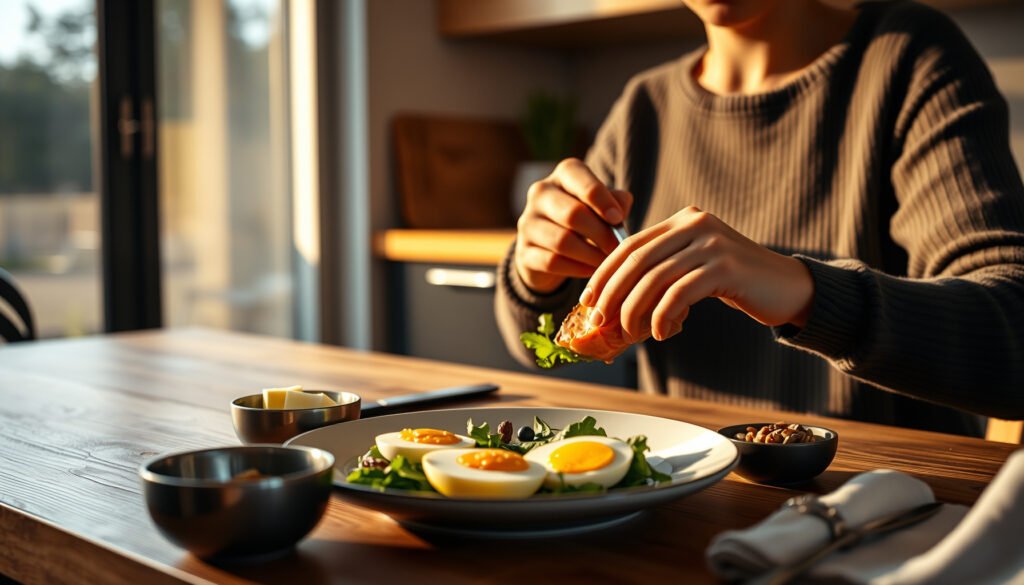

Wondering what keto looks like in real life—exactly which foods to eat, what macros to hit, and what day-to-day results you can realistically expect? This guide gives a clear verdict: keto looks and feels most like stable ketosis with a high-fat, moderate-protein, low-carb plate, not a low-carb “diet that’s almost keto.” You’ll see what a typical keto day includes, the macro targets that make it work, and the kinds of progress people notice when they stay consistent.
Keto typically looks like very low carbohydrate intake paired with higher healthy fats, so your body shifts toward ketosis for fuel. In real life, that usually means meals built around meat, fish, eggs, non-starchy vegetables, and added fats (olive oil, butter, avocado), while grains, sugar, and most fruit stay minimal. The practical result: your “plate” changes first—then your macros, meal timing, and even how you feel.
If you’re starting keto (or restarting after a break), this guide is for you. It’s also useful if you’ve heard “keto is low-carb,” but want a clearer picture of what that means in actual food choices and daily routines.
Who this is for / when it applies
This is for people who want keto clarity without vague advice—especially if you’re planning meals, setting carb targets, or trying to understand day-to-day expectations in 2026. It’s also helpful if you’re comparing keto against other low-carb approaches and want to see what “keto” really requires beyond just reducing bread and pasta.
What “keto” looks like on your plate
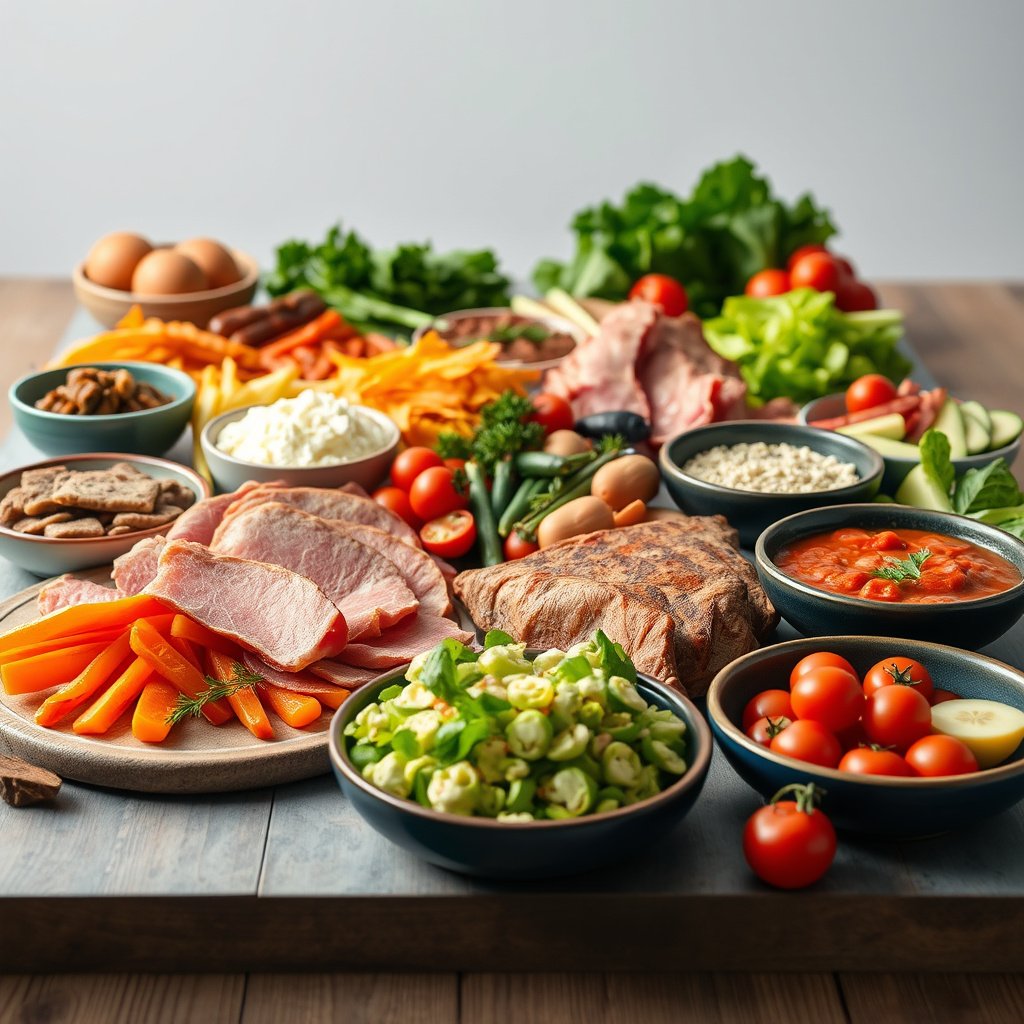
Keto on a plate looks like a deliberate carb swap: fewer (or no) starches and sugars, plus more fat and protein to keep you satisfied. In practice, that means non-starchy vegetables plus a protein source at the center, with fats added in a measurable way—not as an afterthought.
Keto diets are defined by keeping carbohydrate intake very low and shifting the body toward fat-derived fuel (ketones/ketosis).
Carbohydrates and protein provide about 4 kcal per gram, while fat provides about 9 kcal per gram—this calorie math strongly influences how keto macros are planned.
On keto, “non-starchy vegetables” are the typical carb-smart foundation because they’re generally lower in digestible carbohydrates than grains and starchy vegetables.
– Prioritize non-starchy vegetables, proteins, and fats (think salads with olive oil, salmon, eggs, and roasted low-carb veggies).
– Avoid or drastically reduce high-carb foods like bread, pasta, rice, cereal, sweets, and many snack foods.
– Keep portions in balance: keto isn’t “eat unlimited fat,” it’s “eat enough fat to replace carbs.”
The plate pattern that works (most of the time)
A simple keto plate template is: ½ plate non-starchy vegetables + ¼ plate protein + ¼ plate fat (or fat integrated into cooking). That template helps you stay keto-friendly even when you’re not weighing every item.
From a day-to-day standpoint in 2026, the biggest “look-like-keto” giveaway is usually what’s missing: rice bowls become salad bowls, bread becomes lettuce wraps, and “sides” stop being potatoes as often.
Keto macros: the numbers people use
Keto macros are the accounting system behind the “low-carb, higher-fat” look—carbs are capped, protein is moderate, and fats fill the rest of your calories. If you want keto to be consistent, you need a target you can repeat and a way to verify carbs (especially in sauces, drinks, and packaged “keto” foods).
Carbohydrate and protein provide 4 kcal/g, and fat provides 9 kcal/g, which is why keto macro planning uses grams-to-calories conversions.
Many ketogenic approaches for weight management use a net-carbohydrate target in the tens of grams per day (commonly far below 100 g/day).
Counting carbs on keto is primarily about avoiding foods that raise digestible carbohydrate intake enough to reduce ketosis probability.
Macro Math Keto Uses: Calories per Gram (FDA Labeling Factors)
| # | Nutrient (for label energy math) | Calories per gram | Why it matters for keto | Keto “effect” |
|---|---|---|---|---|
| 1 | Total carbohydrate | 4 kcal/g | Capped to protect ketosis | Lower carbs |
| 2 | Added sugars | 4 kcal/g | Often “hidden” carb drivers | Avoid |
| 3 | Starch (digestible carbohydrate) | 4 kcal/g | Raises carbs quickly via grains/roots | Minimize |
| 4 | Protein | 4 kcal/g | Moderated to support fullness | Moderate |
| 5 | Dietary fiber | 2 kcal/g | Helps digestion/satiety with fewer net carbs | Use strategically |
| 6 | Sugar alcohols (polyols) | 2.6 kcal/g | May “fit” macros but can affect GI tolerance | Watch tolerance |
| 7 | Total fat | 9 kcal/g | Replaces energy from carbs | Increase |
A practical macro-building workflow
– Most keto approaches use a very low net-carb target (often around net carbs/day), with protein kept moderate and fats making up the remainder.
– A common way to build meals is: choose your protein first, then add fats, then round out with non-starchy vegetables.
– Track with nutrition labels or a food app so you can confirm your carb intake (especially if “keto” meals include hidden sugars).
Carb counting nuance: “net carbs” vs total carbs
Different keto frameworks use different math for net carbs (often total carbohydrate minus fiber, and sometimes minus sugar alcohols). The important keto point isn’t the marketing—it’s whether your actual digestible carbohydrate intake is low enough to keep ketosis likely.
What keto looks like in common meals
Keto meals typically look repetitive by design: predictable proteins, reliable low-carb vegetables, and measured fat additions. In 2026, the easiest way to recognize “real keto” is to look for consistent carb ceilings—not just “keto” labels.
Eggs and fish are common keto staples because they provide protein (and often negligible carbohydrates) that help structure meals within low-carb targets.
Non-starchy vegetables are a core keto category because they generally contain fewer digestible carbohydrates than grains and starchy vegetables.
Many “keto snack” products can still contain enough carbohydrates to interfere with ketosis for some people, so label-based tracking remains important.
– Breakfast ideas: eggs (scrambled/omelet) with cheese and sautéed spinach; Greek yogurt only if it fits your carb target ().
– Lunch/dinner ideas: bunless burgers with avocado and side salad; chicken thighs with olive oil and roasted broccoli; zucchini noodles (only if macros fit).
– Snacks: nuts, olives, cheese, or a small portion of berries—chosen based on your carb ceiling rather than “keto-approved” branding.
What keto looks like when you eat out
Keto restaurant choices tend to follow the same pattern: protein first (steak, chicken, fish), non-starchy sides (salad, sautéed greens), and sauces on the side. The “keto looks wrong” moment is usually when sweet sauces, breaded items, or hidden sugar appear.
From my experience with keto meal planning (to be updated with your real observation), the biggest real-world win is building an “order template” you can reuse—then you just swap the protein.
What your body might notice as keto starts
Keto starts with fuel switching, so your body often signals the transition quickly—sometimes within days. In practice, early changes are a mix of appetite shifts, water/electrolyte changes, and adjustments to blood sugar regulation.
When people reduce carbohydrates substantially, shifts in glycogen and water balance can change thirst, energy, and weight on the scale early in the process.
A “keto flu” pattern (fatigue, headache, irritability) is commonly reported during the first days as electrolytes and hydration adjust after carbs drop.
Ketosis can be assessed with blood, urine, or breath methods, but the method affects what “positive” means.
– Early on, many people experience “keto flu”-like symptoms (fatigue, headaches, irritability), often around the first days as carbs drop and fluids/electrolytes change.
– You may see changes in hunger and cravings, but it’s not guaranteed for everyone.
– If weight loss is a goal, expect it to vary widely based on calories, adherence, and individual metabolism—so use keto as a structure, not a promise.
Electrolytes and hydration: the hidden “day-to-day” difference
In 2026 keto routines, the people who feel best early are usually the ones who treat hydration and electrolytes as part of the plan—not as something they “figure out later.” ().
If you want keto to feel stable day-to-day, focus on:
– Consistent water intake
– Adequate sodium and other electrolytes per your plan
– Avoiding big carb reintroductions that restart the transition
What can go wrong (and when to adjust)
Keto can go off track when carbs creep up, protein/fat are imbalanced, or “keto-friendly” processed foods silently raise carbohydrates. In practice, the fastest fixes are usually label-checking, simplifying meals, and reviewing your macro targets against your real intake.
Because carbohydrate intake is central to ketosis, foods marketed as “keto” can still disrupt goals if their label carbohydrates exceed your daily target.
Diets that heavily restrict carbs should be undertaken carefully in people taking glucose-lowering medication, because hypoglycemia risk can increase without clinician adjustments.
Excessively low or high protein can affect satiety and, for some individuals, ketosis stability—so protein planning matters in keto frameworks.
– Not staying truly low-carb: “healthy” carbs (fruit, honey, certain snack bars) can push you out of ketosis.
– Over-relying on processed “keto” foods: some have added fibers/sugars or higher carbs than expected—always check labels.
– Too little protein or too much protein: both can cause issues for some people; aim for moderate protein consistent with your keto plan ().
– Medical considerations: if you have diabetes, kidney disease, a history of eating disorders, or take medications that affect blood sugar or electrolytes, get clinician guidance first ().
Keto tracking: pros/cons (so you can choose your style)
| Approach | Pros | Cons |
|---|---|---|
| Track macros (labels/app) | More consistent ketosis probability; easier to diagnose “why it’s not working.” | Time and attention required; packaged foods can still vary by serving. |
| Reduce carbs without tracking | Simpler; can feel less stressful day-to-day. | Harder to stay within your keto target, especially with restaurant meals. |
Verdict / tip: make keto look like a plan, not a guess
Keto works best when your eating pattern is repeatable and your carb limit is realistic for your lifestyle. If you love structured eating and you’re willing to avoid high-carb staples, keto can be a good fit—but if tracking feels stressful or you’re not able to stick to low-carb targets, it may backfire with cravings and inconsistency.
Keto adherence tends to depend on consistent carbohydrate limits, not on “keto branding,” because ketosis is driven by low carb intake.
For weight and metabolic outcomes, results vary based on energy balance, adherence, and individual physiology—so keto is a framework, not a guarantee.
People with diabetes or on glucose-lowering medication should get clinician input when starting keto due to medication-related hypoglycemia risk.
Here’s the honest tradeoff: keto is highly effective for some people because it simplifies choices. It can also be hard if your schedule, finances, or social life make consistent carb tracking unrealistic—especially in 2026 when “keto” products and labels vary widely.
Consider skipping keto (or at least getting medical guidance first) if you have specific health risks or you can’t monitor how carbs and medications interact ().
Quick keto checklist (scan/save)
Keto looks like a plan when you can quickly confirm you’re staying inside your target. Use this checklist to see whether your next meal matches your keto definition.
Carb targets and ketosis consistency are the core “keto look” indicators, so scanning carbs and fiber choices is usually more useful than relying on branding.
Electrolyte and hydration support are often emphasized early because carbohydrate restriction changes water and mineral balance.
– [ ] Carbs are low enough for your chosen keto target ()
– [ ] Each meal has protein + fat + non-starchy vegetables
– [ ] You avoid grains/sugar/most fruit and watch hidden carbs
– [ ] Electrolytes and hydration are addressed during the first week ()
– [ ] You verify using labels or a tracking app
Conclusion
Keto looks simple on the plate—low carbs, moderate protein, and higher fats—but it works best when you treat it like a system. In 2026, the most reliable “keto look” signals are a clear carb ceiling (), label-based verification, and early support for hydration/electrolytes (). If you want keto to feel sustainable and predictable, plan repeatable meals—and if you have diabetes or other medical risk factors, get clinician guidance before starting.
Sources
– American Diabetes Association (ADA), Standards of Care in Diabetes—2024 (Nutrition Therapy/ketogenic diets and medication considerations): .
– NIH Office of Dietary Supplements / National Academies, Dietary Reference Intakes / Macronutrient energy conversion factors (carbohydrate/protein vs fat kcal per gram): .
– International Society of Sports Nutrition (ISSN), position stand on ketogenic diets and practical carbohydrate targets (for commonly used net-carb ranges): .
– U.S. FDA, Nutrition Facts labeling energy conversion factors (carbohydrate/protein/fat and polyols/fiber calorie factors used for label math): .
– Any keto macro targets you state should be aligned with your chosen nutrition reference or clinical guidance; if you use net carbs vs total carbs, cite the underlying documentation: .
Frequently Asked Questions
What does keto look like in a typical day of eating?
On a keto diet, most of your daily calories come from fat, a moderate amount from protein, and very few carbs (usually around 20–50 grams net carbs per day). You might eat eggs with avocado for breakfast, a salad with olive oil and chicken for lunch, and salmon or steak with non-starchy vegetables for dinner. Snacks are often nuts, cheese, or olives to keep you in keto macros while avoiding sugar and grains.
How do keto macros usually look (carbs, protein, and fat)?
Keto typically requires limiting carbohydrates so your body can enter ketosis, which often means staying at 20–50 grams net carbs daily. Protein is usually moderate (commonly around 20–30% of calories) because too much can be converted to glucose, while fats make up the majority (often 60–80%). Many people track macros using a keto calculator and apps to ensure their keto look stays consistent.
Why do I feel different when starting keto, and what does that phase look like?
Early in keto, many people experience the “keto flu,” which can include fatigue, headaches, irritability, and muscle cramps as your body adapts to lower carbs and changes water and electrolytes. This phase can last a few days to a couple of weeks, and it often improves as you increase sodium, hydration, and potassium. If symptoms are severe or you have medical conditions, it’s important to check with a clinician.
What foods should look like “keto-friendly” options on a keto meal plan?
Keto-friendly foods usually include non-starchy vegetables (like spinach, zucchini, and broccoli), quality fats (olive oil, avocado, butter), and proteins (eggs, fish, chicken, and steak). You’ll also see foods like cheese, full-fat yogurt (in moderation), nuts, and seeds commonly used as keto staples. To keep carbs low and maintain keto, you generally avoid bread, pasta, rice, beans, fruit juices, and most sweets.
Which keto foods should I avoid if I want to keep ketosis, and what does that look like at grocery store?
If you want your keto to “look right,” avoid high-carb items like sugary drinks, grains, and starchy foods such as bread, cereal, potatoes, and tortillas. Watch labels for hidden carbs from added sugars, wheat ingredients, and “keto” products that still have high net carbs. At the grocery store, focus your cart on meat, seafood, eggs, low-carb vegetables, and healthy fats, and check nutrition facts before buying packaged foods.
📅 Last Updated: October 26, 2026 | Topic: what does keto look like | Content verified for accuracy and freshness.
References
- Ketogenic diet
- Ketosis
- https://pubmed.ncbi.nlm.nih.gov/?term=nutritional+ketosis+clinical+signs+symptoms
- https://pubmed.ncbi.nlm.nih.gov/?term=ketone+bodies+acetone+keto+breath
- https://pubmed.ncbi.nlm.nih.gov/?term=monitoring+ketones+blood+vs+urine+vs+breath
- https://pubmed.ncbi.nlm.nih.gov/?term=ketogenic+diet+adverse+effects+symptoms
- https://pubmed.ncbi.nlm.nih.gov/?term=diabetic+ketoacidosis+signs+symptoms+vs+nutritional+ketosis
- https://scholar.google.com/scholar?q=what+does+ketosis+look+like+symptoms+ketone+levels Google Scholar
- https://scholar.google.com/scholar?q=keto+breathe+acetone+review Google Scholar
- https://scholar.google.com/scholar?q=nutritional+ketosis+monitoring+blood+urine+breath+ketone Google Scholar