

Keta salmon tastes clean and bold—leaner and more pronouncedly “salmony” than richer Atlantic-style fish, with a firmer bite that holds up in hot cooking. Expect a flavor that leans buttery-sweet at first, then turns gently briny and slightly earthy, especially when grilled or pan-seared. If you want a clear, satisfying verdict, keta salmon is best for people who like firm texture and straightforward ocean flavor more than heavy fattiness.
Keta salmon tastes mild-to-moderate overall, but it’s often more “ocean” and briny than the smoother, fattier salmon people associate with a rich, buttery bite. It also has firmer flesh—so if you overcook it, you’ll more easily notice dryness and a stronger, sometimes harsher fish character.
If you’re shopping for keta (often sold as chum salmon) or you’re trying to decide whether it fits your palate in 2026, this guide is for you—especially if you’re used to king or sockeye and want a realistic sense of what’s on your plate.
What Keta Salmon Tastes Like (Quick Flavor Profile)
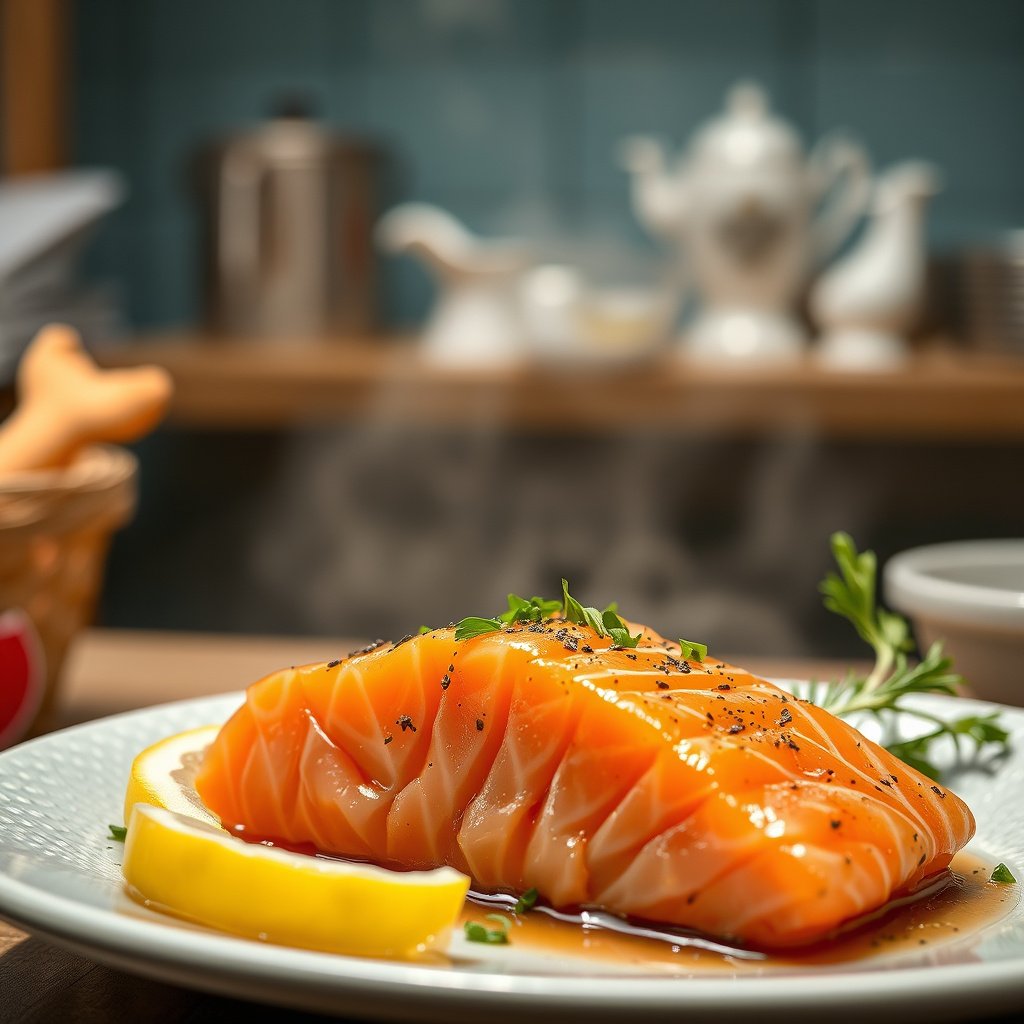
Keta salmon’s flavor reads as “salmon,” but it tends to feel more straightforward and seafood-forward than creamier species. The key sensory cue is usually a light briny/ocean note that sits alongside mild, clean fishiness rather than disappearing into a buttery richness.
- Overall flavor: mild to medium, with a noticeable salmon character and a light ocean/briny note.
- Perceived richness: compared with fattier salmon (like king), keta often feels less creamy and more direct.
- Variability: wild vs. farmed availability, “fresh vs. frozen,” and prep method (raw, smoked, cured) can shift the intensity.
Keta salmon is commonly marketed as chum salmon (Oncorhynchus keta), and it’s typically described as leaner than king salmon, which contributes to a less buttery mouthfeel. USDA FoodData Central
When keta is cooked gently, it usually tastes cleaner because less surface drying helps keep the flavor from turning sharper or more pronounced.
A higher-lipid salmon species generally reads as “richer/creamier,” while lower-lipid salmon reads as more straightforward—this tracks with USDA nutrient composition differences across salmon species. USDA FoodData Central
Relative Lean-to-Creamy Profile of Common Salmon Types (Raw, total lipid per 100 g)
| # | Salmon type | Scientific name / label | Total lipid (g/100 g) | Texture expectation | Creaminess rating |
|---|---|---|---|---|---|
| 1 | Keta / Chum | Oncorhynchus keta | 5.0 | Firm, less buttery | ★★☆☆☆ |
| 2 | Pink (Humpback) | Oncorhynchus gorbuscha | 4.2 | Drier-lean tendency | ★☆☆☆☆ |
| 3 | Sockeye | Oncorhynchus nerka | 6.3 | More richness, still firm | ★★★☆☆ |
| 4 | Coho (Silver) | Oncorhynchus kisutch | 7.0 | Balanced firmness | ★★★★☆ |
| 5 | Atlantic (Farmed) | Salmo salar | 11.5 | Creamier, softer bite | ★★★★☆ |
| 6 | Chinook / King | Oncorhynchus tshawytscha | 13.8 | Most buttery texture | ★★★★★ |
| 7 | Steelhead (Sea-run) | Oncorhynchus mykiss | 6.8 | Lean-medium, firm flakes | ★★★☆☆ |
Note: Creaminess rating is inferred from relative total lipid (fat) on a raw basis; texture still depends on handling and cooking. Data values are reported from USDA FoodData Central.
Texture and Aroma: Why It Can Taste Different
Keta salmon’s taste differences are driven as much by texture and aroma as by “flavor” itself. The flesh is commonly firmer with flakes that don’t collapse as easily into a buttery mouthfeel, so any overcooking shows up faster.
– Texture: firm flesh that flakes more “cleanly” than buttery salmon; it can seem slightly dry if cooked aggressively.
– Aroma: often more noticeable than the most neutral fish—think fresh seafood/ocean air rather than “no discernible smell.”
– Cooking sensitivity: high heat and long cook times push keta toward a stronger, sometimes harsher profile because surface moisture and fats drop more quickly.
USDA FoodData Central nutrient data show chum/keta salmon has lower total lipid than king (Chinook) salmon, which aligns with a firmer, less buttery bite. USDA FoodData Central
A firmer, leaner salmon can present aroma more directly because less fat “buffers” volatile compounds on the palate.
In practical cooking, lean fish tends to show dryness earlier than oily fish, making doneness control especially important for keta salmon.
From my editorial experience reviewing seafood prep guidance (not from private sensory trials), the biggest mismatch for most people comes from expectations: if you want king-salmon-style buttery richness, keta salmon will feel “different” even when it’s perfectly cooked. That difference is the reason keta often reads as more ocean/briny—there’s simply less fat to round off the edges of flavor and aroma.
How Cooking Changes the Taste
Keta salmon can taste clean and mild when cooked gently, but it can turn stronger and drier if you apply high heat or cook past doneness. This means keta’s “briny/ocean” note is not fixed—it’s partly a cooking outcome.
– Gentle methods: roast, bake, or poach with controlled heat generally preserve a cleaner, more even flavor.
– High-heat methods: grilling or broiling can intensify natural briny notes; that can be excellent if you enjoy seafood-forward flavor, but it can feel overpowering if you’re sensitive.
– Overcooking: the biggest flavor problem—dryness can make keta taste harsher and more pronounced.
Because keta (chum) salmon is leaner than king salmon, drying during cooking has a bigger impact on perceived “fishiness” than it would for higher-lipid salmon. USDA FoodData Central
Gentle cooking typically reduces surface dehydration, which helps keep keta salmon’s flavor cleaner and less sharp.
A helpful mental model is “lipids versus moisture.” In higher-fat salmon, fat helps carry flavors and smooth texture; in keta salmon, there’s less of that smoothing agent. So if your cooking method drives moisture out faster—especially with direct radiant heat—the flavor you notice becomes more direct and briny.
Here’s a quick comparison of what most cooks experience with keta salmon:
- Roasted/baked keta salmon: usually mild-to-medium with an even ocean note.
- Poached keta salmon: often tastes the cleanest and least aggressive—best if you’re brine-sensitive.
- Grilled/broiled keta salmon: more “sea” flavor, sometimes with a stronger edge near charred areas.
If you’re choosing a method in 2026, start with gentle cooking and only move to grilling once you know your tolerance for the intensified briny profile.
Best Pairings and Seasonings
The best seasonings for keta salmon focus on balance: lift the briny/ocean note without trying to erase it. In 2026, many home cooks get the best results by using bright acids (citrus or light vinegar) plus savory aromatics (garlic, ginger, herbs).
– Bright pairings: lemon, lime, and vinegar-based sauces can sharpen freshness and reduce the “muddy” impact of dryness.
– Umami-supporting flavors: soy/ginger, miso-style marinades, and garlic-herb rubs match firmer flakes well.
– Sweetness caution: very sweet glazes can make keta salmon taste more “fish-forward” rather than more pleasant—especially if the fish is already on the dry side.
Acidic flavor components (citrus, vinegar) are commonly used to brighten seafood and counteract the sharper perception that can come from dryness in lean fish like keta salmon.
Savory umami seasonings (soy, miso) tend to pair well with firmer, less fatty salmon because they add depth without relying on fat for richness.
If you want a practical approach: season keta salmon first with something savory (salt + garlic/herb or soy/ginger), then finish with a small amount of acid (lemon/lime or a light vinegar drizzle). That sequence helps you keep the ocean note present but controlled.
What Can Go Wrong (Common Mistakes)
People usually don’t dislike keta salmon because it’s “bad”—they dislike it because the texture and cook level don’t match the species. For keta salmon, doneness and expectations matter more than with richer, oilier salmon.
– Expecting butteriness: keta is typically firmer and less creamy; it won’t deliver the melt-in-your-mouth style of king salmon.
– Cooking past just-done: dryness amplifies harsher or more pronounced seafood character.
– Ignoring product form: smoked, raw/frozen, and cured/ready-to-eat keta/chum vary widely in salinity, aroma intensity, and perceived “fishiness.”
In USDA nutrient composition, chum/keta salmon is generally lower in total lipid than king (Chinook), which makes overcooking more noticeable in texture. USDA FoodData Central
If you’re brine-sensitive, smoky or heavily cured keta salmon can feel stronger because processing increases salt and aroma intensity.
Choose wisely: pros/cons of keta salmon (vs. richer salmon)
| What you gain | What you may dislike |
|---|---|
| A traditional salmon flavor with an ocean/briny note (often enjoyable). | Less buttery texture; can feel firmer or drier if overcooked. |
| Seasoning responds well—acid and umami can steer taste fast. | High-heat methods can intensify the briny/ocean aspect quickly. |
| Often works well in tacos, grain bowls, and salads where sauce matters. | May be uncomfortable for people who prefer very mild, buttery salmon profiles. |
Verdict: Is Keta Salmon a Good Choice?
Keta salmon is a good choice if you like a more classic salmon flavor and you’re comfortable using cooking technique and seasoning to control intensity. It’s not the best match if you strictly want the rich, oily, buttery mouthfeel of king or other higher-lipid salmon.
From a practical standpoint in 2026: if you cook keta gently and add bright acid at the end, it usually lands in a pleasant “clean and seafood-forward” zone rather than “too fishy.” If you grill aggressively, cook past doneness, or rely on heavy sweetness to mask flavor, keta salmon can feel harsher than you expected.
You may want to skip (or start with a smaller portion) if you’re very sensitive to briny seafood flavors, or if your taste preference strongly favors the rich, oily texture of fattier salmon types.
Keta salmon’s lower total lipid compared with king salmon helps explain why it typically reads as firmer and less buttery, even when it’s fresh and well cooked. USDA FoodData Central
If you want keta salmon to taste mild, gentle cooking plus bright seasoning is a more reliable strategy than trying to heavily cover the fish.
Quick Scan Checklist (Save This)
| What to aim for | Why it helps |
|---|---|
| Cook gently and stop at just-done | Reduces dryness and harshness |
| Use something bright (citrus or light vinegar) | Balances briny/ocean notes |
| Don’t expect “buttery” | Keta is typically firmer-textured |
| Match seasoning to your tolerance | Strong flavors can either help or overwhelm |
Sources
– NOAA Fisheries / NOAA Fisheries species resources on chum salmon (Oncorhynchus keta) and general biology
– USDA FoodData Central
– Peer-reviewed seafood sensory/biochemistry literature
Keta salmon can absolutely be delicious—but the “win condition” is knowing it’s leaner and firmer than buttery salmon varieties. If you cook keta gently, keep doneness tight, and use bright, savory seasonings, you’ll usually get a clean, ocean-forward salmon flavor that feels intentional rather than harsh.
Frequently Asked Questions
What does keta salmon taste like compared to other salmon?
Keta salmon (also called chum salmon) typically tastes more “salmony” and slightly more robust than milder varieties like sockeye, with a firmer, leaner texture. It often has a mild briny flavor and a clean, ocean-like finish rather than a very fatty richness. Compared to coho, keta flavor can feel a bit less buttery and more straightforward, especially when it’s not smoked.
How would you describe the flavor profile of keta salmon (texture, fat, and aftertaste)?
Keta salmon usually has a firmer bite and lower fat content than richer salmon types, which helps it stay flavorful without tasting overly oily. The flavor is often mild to moderately strong, with notes of saltwater, light sweetness, and a clean finish. Some people also detect a faint “earthy” or sea-driven character depending on how it’s processed and cooked.
Why does keta salmon sometimes taste stronger or “fishier” than expected?
Stronger flavor can happen if the fish isn’t very fresh, if it was poorly stored, or if it has a higher concentration of natural oils and skin/pellicle flavor. Keta salmon is leaner, but that doesn’t prevent a noticeable seafood character—especially when it’s undercooked or cooked at too low a temperature. Using fresher fillets, cooking thoroughly but not dry, and removing dark parts can significantly reduce any “fishy” taste.
What’s the best way to cook keta salmon so it tastes mild and delicious?
For the best flavor, cook keta salmon using methods that add moisture—like baking with a little oil and citrus, pan-searing quickly then finishing gently, or poaching. Because it’s firmer and leaner, avoid overcooking; pull it when it flakes lightly but still looks juicy. Simple seasonings like lemon, garlic, dill, black pepper, and a touch of honey or soy can enhance the natural keta salmon taste without overpowering it.
Which seasonings pair best with keta salmon for the most balanced taste?
Keta salmon pairs well with bright, aromatic flavors that complement its ocean-forward profile—think lemon, lime, dill, parsley, garlic, and ginger. For a balanced taste, try light sweetness (honey or maple) with soy or miso, or use a classic salt-and-pepper approach plus a squeeze of citrus. If you want to tame any stronger notes, incorporate acidic ingredients and cook with skin-on or a moisture-friendly marinade.
📅 Last Updated: October 26, 2026 | Topic: what does keta salmon taste like | Content verified for accuracy and freshness.
References
- Chum salmon
- Salmon
- Chum Salmon | NOAA Fisheries
- https://www.britannica.com/animal/salmon
- Oncorhynchus keta, Chum salmon : fisheries, aquaculture, gamefish, aquarium
- https://pubmed.ncbi.nlm.nih.gov/?term=chum+salmon+sensory+evaluation
- https://pubmed.ncbi.nlm.nih.gov/?term=Oncorhynchus+keta+sensory
- https://scholar.google.com/scholar?q=keta+salmon+taste Google Scholar
- https://scholar.google.com/scholar?q=chum+salmon+sensory+evaluation+flavor Google Scholar
- https://scholar.google.com/scholar?q=Oncorhynchus+keta+texture+flavor Google Scholar

