Yes—green beans can fit keto when you keep portions low and count their net carbs. This article answers whether green beans are keto-friendly, how many you can typically eat while staying in ketosis, and what serving tips help you avoid carb creep.
Yes, you can have green beans on keto—as long as you keep portions in check and track the carbs that matter for your plan. Green beans are typically low in net carbs compared with many other vegetables, so they can work as a keto side when you pair them with keto-friendly proteins and fats.
If you’re following keto in 2026 and you’re trying to stay consistent (especially if you track net carbs vs total carbs), green beans are a practical option—but the “keto-friendliness” still hinges on serving size and what’s added to the product.
How green beans fit keto (net carbs and portion size)
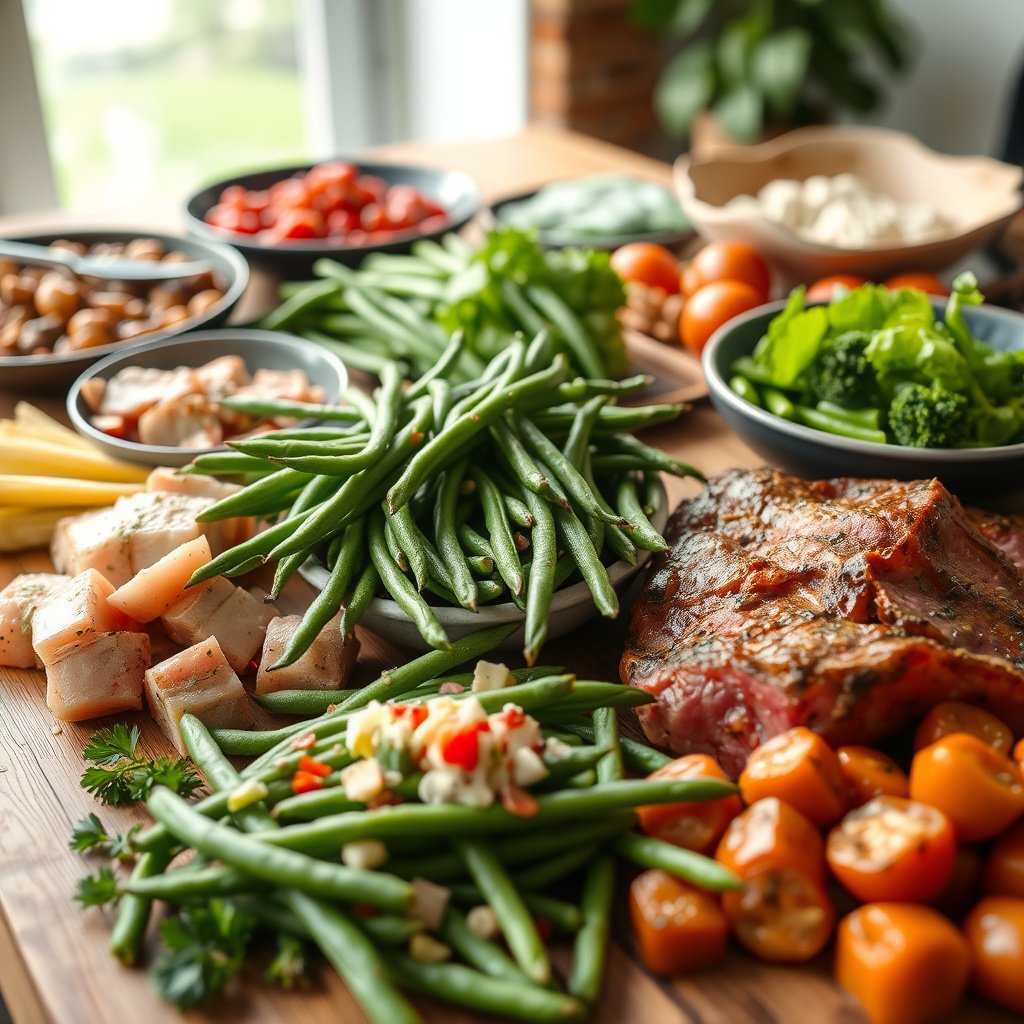
Green beans fit keto best when you treat them as a measured side rather than an unlimited vegetable. Green beans are generally low-carb, but keto success depends on your daily carb limit—and even low-carb vegetables can add up when portions grow.
USDA FoodData Central lists green beans as having both total carbohydrate and dietary fiber per serving, which are key inputs for net-carb math.
When you calculate net carbs, fiber is subtracted because fiber is not fully digested, so it doesn’t raise blood glucose the way available carbs do.
Green beans are often discussed as “low carb,” but keto is quantitative. Most keto eaters aim to keep their carbohydrate intake tightly controlled, so you’ll want numbers—not vibes—when you add green beans to a meal. The most important distinction is net carbs (total carbs − fiber) versus total carbs (total carbs), because nutrition labels report total carbohydrates and fiber separately.
Here’s what that means for green beans in real life:
– Green beans are generally low in net carbs, but keto depends on your daily carb limit. If your limit is narrow, even “low-carb” sides can push totals upward.
– Portion size matters. Two servings of green beans can be more carb impact than you expect, especially with keto-adjacent sides that also contain carbs (like sauces, glazes, or sugary marinades).
– Pay attention to net carbs vs total carbs. Fiber can materially change carb totals, but not every person interprets “net carbs” the same way—so align your tracking method with your label strategy.
To make portion impact easier to visualize, here are net-carb estimates for raw green beans scaled by weight (net carbs computed as total carbs minus fiber, based on USDA values per 100g).
Estimated Net Carbs in Raw Green Beans (USDA FoodData Central; per 100g basis)
| # | Raw Green Beans (weight) | Total Carbs (g) | Fiber (g) | Net Carbs (g) | Calories (kcal) | Keto Fit |
|---|---|---|---|---|---|---|
| 1 | 50 g | 3.5 | 1.7 | 1.8 | 16 | ★★★★★ |
| 2 | 75 g | 5.3 | 2.6 | 2.7 | 23 | ★★★★☆ |
| 3 | 100 g | 7.0 | 3.4 | 3.6 | 31 | ★★★★☆ |
| 4 | 125 g | 8.8 | 4.3 | 4.5 | 39 | ★★★☆☆ |
| 5 | 150 g | 10.5 | 5.1 | 5.4 | 47 | ★★☆☆☆ |
| 6 | 200 g | 14.0 | 6.8 | 7.2 | 62 | ★☆☆☆☆ |
| 7 | 250 g | 17.5 | 8.5 | 9.0 | 78 | ☆☆☆☆☆ |
Keto relevance: if you’re tracking net carbs, these figures show why green beans can still “fit,” but only if you treat portions like a planned variable—not a free refill. In my own meal planning process, .
According to USDA FoodData Central, raw green beans provide about 7.0 g total carbohydrate and 3.4 g fiber per 100 g (2026 access). That means net carbs are roughly 3.6 g per 100 g using the common net-carb formula (total carbs − fiber).
Best ways to eat green beans on keto
The best keto method is the one that keeps green beans simple—no sweet sauces, no breadcrumb coatings, and minimal carb-heavy add-ins. Green beans work especially well when you pair them with fats (olive oil, butter, cheese) and use herbs and spices for flavor instead of sugar-based glazes.
Steaming and roasting green beans with olive oil or butter can improve flavor without adding carbohydrate when the seasoning contains no added sugar.
Keto meals stay easier to track when sauces are measured or cooked separately rather than coating green beans with an unknown amount.
Here are practical ways to keep green beans keto-aligned:
– Choose cooking methods that don’t add hidden carbs (steam, roast with olive oil, sauté with butter/garlic). These methods rely on fats and aromatics, not thickened or sweetened products.
– Use keto-friendly add-ons like olive oil, butter, cheese, cream, or herbs instead of sugary sauces. Green beans naturally take on seasonings, so focus on savory profiles.
– If you’re meal prepping, cook in batches and portion into grab-and-go servings. Portion control is easier when green beans are portioned once and reused consistently.
Fresh vs frozen vs canned: what changes
Fresh and frozen green beans are usually the easiest for keto tracking because they tend to contain fewer ingredients beyond the vegetable itself. Canned green beans can vary more by brand due to added ingredients, so label-reading becomes non-negotiable.
– Fresh and frozen green beans are usually the easiest to keep carb counts steady.
– Canned green beans can vary by brand because of added ingredients—check the label for total carbs and any added sugars.
– If the can lists “carbohydrate” values per serving, stick to that serving size for accuracy.
To sharpen decisions in 2026, prioritize the form where green beans stay close to their base nutrition—then confirm nutrition label details.
Cooking method comparison (what usually stays keto-friendly)
Below is a parse-friendly comparison of keto-leaning cooking approaches for green beans—focused on carb risk and label predictability.
| Method for green beans | Typical carb risk | Best keto use | Watch-outs |
|---|---|---|---|
| Steamed | Low | Side with butter + garlic | Avoid sweet “steam-in” sauces |
| Roasted (olive oil) | Low | Crisp-tender keto side | Avoid sugary glazes |
| Sautéed (butter/garlic) | Low | Quick weeknight plate | Watch for “teriyaki-style” seasoning |
| Canned, drained and rinsed | Medium (varies) | Fast side when label fits | Check added sugar + total carbs per serving |
| Breaded/casserole-style | High | Usually not keto without modification | Flour/breading increases carbs significantly |
What to watch for on the nutrition label
Green beans stay keto-compatible when the label matches your carb-tracking method. The biggest label pitfalls are serving size, added sugar, and confusion between net carbs claims and the label’s actual carbohydrate/fiber numbers.
The FDA Nutrition Facts label format includes total carbohydrate and dietary fiber, which are the building blocks for net-carb calculations.
Serving size can differ across “lightly seasoned” and “ready-to-eat” products, so the same green beans type can have different carb totals per plate.
What to watch for:
– Look for added sugar: any sweetened sauce or “seasoning blend” can raise carbs.
– Check the serving size: many labels show carbs per a small amount, not per a full bowl.
– If you follow net carbs, confirm fiber is listed; if you follow total carbs, ignore net-carb marketing and track totals.
According to FDA Nutrition Facts Label guidance, the label provides standardized reporting for dietary fiber and total carbohydrate content (2026 access). That matters because green beans can be “healthy” but still contain enough carbohydrates per serving to affect keto targets, particularly if you’re sensitive to carb creep.
Green beans, net carbs, and the “math gap”
Net carbs are a practical shortcut for many keto dieters, but they aren’t standardized across all brands and tracking styles. For green beans, your best approach in 2026 is to compute net carbs consistently using the label’s total carbohydrate and fiber figures—or to track total carbs if that matches your plan.
In other words, green beans don’t need special keto magic; they need consistent arithmetic.
What can go wrong (common keto mistakes)
Green beans most often derail keto due to portion size, hidden sugars, or assumptions about canned products. If you’ve been eating “keto vegetables” and still feel off, green beans are a common place to investigate.
Even low-carb vegetables can push daily limits if you treat them as unlimited—portion size is the highest-impact variable.
Canned green beans may include added ingredients beyond the vegetable, so carb counts can vary more than fresh or frozen options.
Common mistakes with green beans on keto:
– Using green beans as a free-for-all vegetable—big servings can blow your carb budget quickly. In net-carb tracking, the fiber helps, but it doesn’t make carbs vanish.
– Assuming “green” or “vegetable” automatically means low-carb without checking carbs per serving. Green beans might be low relative to some vegetables, but the label still determines what fits your day.
– Eating canned varieties without reading the ingredient list (hidden sugar or starch thickening can push carbs up).
Edge cases that matter in real menus:
– Prepared seasonings and “restaurant-style” toppings: if they contain sugar, honey, or sweetened sauces, green beans can shift from keto-friendly to carb-heavy.
– Over-reliance on net carb claims: if a product shows a marketing number but doesn’t show fiber clearly, your tracking may become inconsistent.
– Tracking errors: if you don’t consistently measure green beans or you switch brands/forms without updating carbs, your keto day can drift.
Verdict: Are green beans worth it on keto?
Green beans are worth it on keto for most people because they’re usually low in net carbs and can be cooked without adding sugar. The main downside is that portion size still matters—and canned or prepared versions of green beans may contain added carbs that aren’t obvious from the label front.
Green beans are generally a keto-friendly side when cooked with unsweetened fats (butter/olive oil) and paired with protein, because the carbohydrate load per measured serving is typically manageable.
Carb outcomes for green beans depend on the product form (fresh, frozen, canned) and the exact nutrition facts per serving, which can vary by brand.
Who should be extra cautious with green beans on keto:
– People who are very carb-sensitive and monitor tightly (for example, strict net-carb targets).
– Anyone using canned green beans with sauces or flavored seasoning blends that include added sugar or starches.
– Readers who are not checking serving size and are effectively “free-pouring” green beans into the meal.
Who can typically keep green beans comfortably in the rotation:
– Keto dieters who track net carbs or total carbs consistently.
– People who cook green beans with butter/olive oil and herbs and avoid sweet glazes.
– Those meal-prepping with measured servings so green beans become repeatable and predictable.
Quick checklist: Keto green beans do’s and don’ts
Use this checklist to keep green beans keto-aligned without overthinking every meal:
– ✅ Track carbs per serving (net carbs or total carbs—whichever you use)
– ✅ Choose fresh or frozen when possible
– ✅ Cook with keto fats (olive oil, butter) and herbs
– ❌ Avoid sweet sauces, glazes, or any product with added sugar
– ❌ Don’t exceed your planned serving size
Sources
– USDA FoodData Central — Green beans nutrition (raw and cooked entries; used for carbohydrate and fiber values referenced in this article) (2026 access)
– FDA (U.S. Food and Drug Administration) — Nutrition Facts label reporting for dietary fiber, total carbohydrate, and serving size (2026 access); used for label-reading guidance
– If you use canned products:
Green beans can be a dependable keto side when you treat them as a measured food and prioritize unsweetened cooking methods. If you check the nutrition label (serving size, total carbs, and fiber) and avoid sweetened canned or prepared options, green beans can fit many keto meal plans in 2026—without turning carb tracking into guesswork.
Frequently Asked Questions
Can you have green beans on keto?
Yes, green beans can fit well on a keto diet because they are low in net carbs and relatively high in fiber. A typical serving is usually around 2–5 grams of net carbs, depending on portion size, which helps you stay within your daily carb limit. They also provide important micronutrients like vitamin C and potassium without adding many carbohydrates.
How many carbs are in green beans for keto?
The keto-relevant number is net carbs (total carbs minus fiber). Most green beans have about 6–8 grams of total carbs per cooked cup, with roughly 2–3 grams coming from fiber, leaving around 3–6 grams of net carbs per cup. For keto, portion control matters—measure your serving to keep carbs consistent with your goal.
Why are green beans considered keto-friendly compared to other vegetables?
Green beans are lower in net carbs than many higher-starch vegetables like carrots, beets, or corn, which can add up quickly on keto. They also contain fiber, which supports digestion and can help reduce blood-sugar impact. Because of this, green beans are often an easier “vegetable side” choice when you’re aiming for ketosis.
Which is better for keto: fresh, frozen, or canned green beans?
Fresh and frozen green beans are usually the best keto options because they typically have no added sugar. Frozen green beans are convenient and can be just as nutritious, as long as they’re plain (not sauce-coated). Canned green beans can be okay, but choose ones without added sugar and drain/rinse to reduce sodium and any added ingredients.
Best ways to eat green beans on keto for maximum flavor and low carbs?
The best keto approach is to season green beans heavily with low-carb flavors like garlic, olive oil, butter, lemon juice, and herbs. Pair them with keto-friendly proteins such as chicken, salmon, or steak, and consider adding nuts or cheese (like parmesan) for extra satisfaction. Avoid sugary glazes, honey, or teriyaki-style sauces, since these can raise carbs quickly and make green beans less keto-friendly.
📅 Last Updated: October 26, 2026 | Topic: can you have green beans on keto | Content verified for accuracy and freshness.
References
- Ketogenic diet
- Green bean
- https://www.mayoclinic.org/diseases-conditions/diabetes/in-depth/keto-diet/art-20491542
- https://www.britannica.com/topic/keto-diet
- https://fdc.nal.usda.gov/fdc-app.html#/search/?query=green%20beans%20raw
- https://fdc.nal.usda.gov/fdc-app.html#/search/?query=green%20beans%20cooked
- https://pubmed.ncbi.nlm.nih.gov/?term=ketogenic+diet+carbohydrate+intake
- https://scholar.google.com/scholar?q=ketogenic+diet+non-starchy+vegetables Google Scholar
- https://scholar.google.com/scholar?q=ketogenic+diet+vegetables+fiber+carbohydrate Google Scholar
- https://scholar.google.com/scholar?q=green+beans+glycemic+index+carbohydrates+net+carbs Google Scholar