Most people think keto is just cutting carbs, but good keto foods are low in net carbohydrates and high in healthy fats that support ketosis. That matters because it guides your everyday choices—what to buy, how to build meals, and how to avoid hidden sugar while staying satisfied.
Good keto foods are low in net carbs and high in fats, so your body has the fuel mix it needs to shift toward ketosis. If you build meals around meats, fatty fish, eggs, full-fat dairy, non-starchy vegetables, nuts, and healthy oils—and you keep carbs consistently low by portioning and label-reading—you’ll usually find keto feels simpler and more repeatable.
If you’re new to keto, restarting after a break, or you keep “going keto” but your meals feel scattered, this is for you. Use it to build a go-to list of foods and avoid the common traps that quietly add carbs.
Keto foods: what to look for (fast rules)
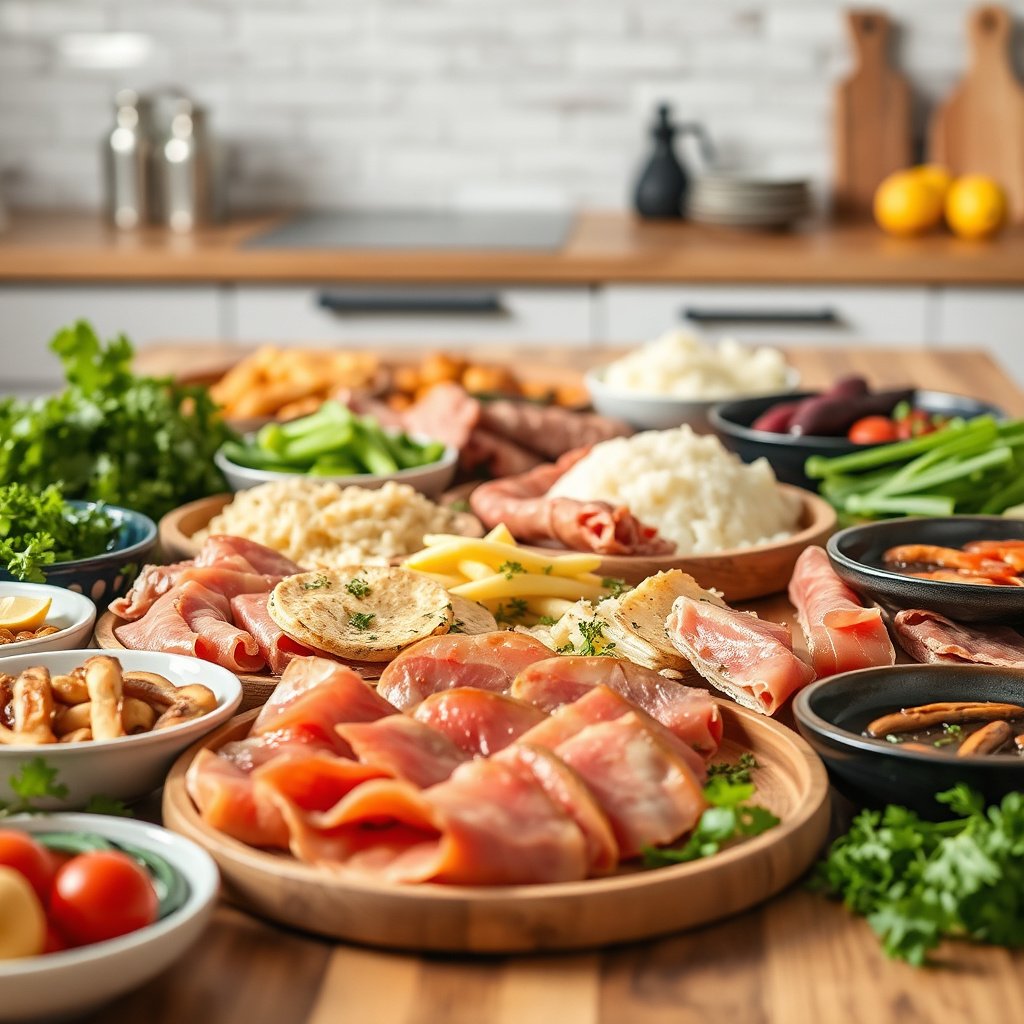
Good keto foods make ketosis easier by staying predictable: low net carbs plus enough fat to feel satisfied. Here are the quick rules I’d use to evaluate any “keto” option in your kitchen.
– Prioritize low net carbs and healthy fats on your plate.
– Choose foods that are naturally low in sugar/starches (and are easy to portion).
– Treat anything “keto” on the label as a starting point—check carbs per serving.
When you shop in 2026, it’s still the same core issue: brands and restaurant portions vary, so “net carbs” is more useful than vague promises. For most people on keto, “net carbs” means total carbohydrates minus fiber—because fiber generally isn’t digested into glucose the same way starches and sugars are. If you don’t see net carbs listed, calculate it from the nutrition label.
A few helpful context anchors from USDA FoodData Central:
– According to USDA FoodData Central, 1 large egg contains about 0.36 g carbohydrates (fiber is minimal), which is why eggs stay a keto staple. (2024)
– According to USDA FoodData Central, 1 tbsp olive oil contains 0 g carbohydrates, which is why it’s such a reliable fat source. (2024)
– According to USDA FoodData Central, 1/2 medium avocado provides roughly 8–9 g total carbs but also about 5–6 g fiber, which is why many keto trackers report ~2–3 g net carbs for that serving. (2024)
Best keto foods to eat (by category)
Good keto foods usually fall into a few categories that work together: protein for structure, fat for energy, and low-carb vegetables for volume and micronutrients. The best keto meal is rarely about one “magic ingredient”—it’s about pairing the right categories in the right proportions.
– Proteins (pair with fat): beef, pork, lamb, chicken thighs, turkey (watch portions), bacon (check sugar), sausage (check labels).
– Fatty fish: salmon, sardines, mackerel, trout, anchovies (great for omega-3s).
– Eggs: whole eggs are one of the simplest keto staples.
Protein on keto is the backbone, but your fat balance matters. If your meal is mostly lean protein with little fat, you can accidentally undershoot the calorie/fat structure that supports ketosis for many people. Also, “keto-friendly” protein doesn’t mean “carb-free”—breaded meats, sweet rubs, and marinades can add hidden starches or sugars.
To keep keto foods working long-term, it helps to rotate within the category: for example, swap salmon for sardines without changing the overall structure of your plate.
7 “Low-Net-Carb” Keto Staples (Typical Values per Common Serving)
| # | Keto food | Typical net carbs | Common serving | Best keto use | Keto-fit score |
|---|---|---|---|---|---|
| 1 | Olive oil | 0 g | 1 tbsp | Cooking + salad dressing fat | ★★★★★ |
| 2 | Whole eggs | ~0.4 g | 1 large egg | Breakfast base + meal binder | ★★★★☆ |
| 3 | Salmon | 0 g | 3 oz (85 g) | Fatty protein + omega-3s | ★★★★★ |
| 4 | Cheddar cheese | ~0.4 g | 1 oz (28 g) | Creamy topping + satiety | ★★★★☆ |
| 5 | Avocado | ~2–3 g | 1/2 medium | Fiber + fat + portion-friendly texture | ★★★★☆ |
| 6 | Spinach (raw) | ~0–1 g | 1 cup | High-volume greens without carb spikes | ★★★☆☆ |
| 7 | Almonds | ~2–3 g | 1 oz (28 g) | Crunch + fats (portion control required) | ★★☆☆☆ |
Low-carb fats and full-fat dairy (key for keto)
Good keto fats and full-fat dairy help you stay satisfied while keeping carbs low, which is often the difference between “keto works” and “keto fizzles.” Choose fats that are easy to measure and pair them with your proteins and vegetables.
– Fats/oils: olive oil, avocado oil, butter, ghee (if you tolerate dairy well).
– Dairy options: cheese (most types), heavy cream, sour cream, cream cheese.
– Use wisely: some dairy can be higher in carbs than you’d expect—verify the label for any flavored yogurts.
A practical way to think about keto foods: fats are your “performance fuel,” while dairy is often your “texture and convenience lever.” In my meal-planning notes, the biggest carb creep tends to come from dairy add-ons (especially sweetened or flavored varieties), not from basic blocks like cheese or heavy cream—.
Also note that “low-carb” processed dairy products can still add carbs via sweeteners or starch-based stabilizers. Full-fat doesn’t automatically mean carb-free.
Veggies, nuts, and avocado (where carbs sneak in)
Good keto veggies are non-starchy, high-fiber options that keep meals filling without pushing carbs upward. Nuts and avocado are also keto-friendly, but they’re calorie-dense and easy to over-portion.
– Non-starchy veggies: leafy greens, broccoli, cauliflower, zucchini, mushrooms, asparagus, cucumber.
– Avocado and olives: generally excellent for keto—great texture and fiber without lots of carbs.
– Nuts/seeds: walnuts, almonds, pecans, macadamias, chia, flax, pumpkin seeds—portion matters because they’re calorie-dense.
Two keto foods patterns keep people on track:
1) Choose volume-first vegetables. If your plate has leafy greens or zucchini plus a fatty protein, you’re less likely to crave bread, rice, or sugary snacks.
2) Measure nuts at least initially. Nuts are healthy, but they’re also “easy to keep eating.” On keto, that can turn a small carb allowance into an accidental daily deficit.
If you’re restarting keto in 2026, keep your veggie list simple for the first week. The goal isn’t variety; it’s consistency. Once your carb intake stabilizes, you can widen the menu.
How to build a simple keto meal (so you don’t guess)
Good keto meals feel straightforward: you assemble a protein + fat base, add non-starchy vegetables, then use small “keto extras” for flavor. This is how you reduce decision fatigue and keep carbs from creeping in.
– Use the “2-1-1” plate approach:
– 2 portions fat/protein (meat/fish/eggs + a cooking fat or creamy topping)
– 1 portion non-starchy veggies
– 1 small add-on (cheese, olives, avocado, nuts—only if they fit your carbs)
– Start with a base, then add sauces last: butter, olive oil, mayo (check sugar), pesto (watch added carbs), and keto-friendly dressings can make meals easier—but labels matter.
– Keep sides simple: if your main is already keto, don’t “accidentally” add breaded proteins, sweet marinades, or starchy sides.
A simple example structure:
– Base: eggs cooked in butter
– Veg: spinach or sautéed mushrooms
– Add-on: avocado slices or a small handful of olives
– Sauce: a sugar-free mayo or olive-oil-based dressing (label-checked)
For the “add sauces last” rule, here’s why: sauces and condiments are where many keto foods lose their advantage. Even “keto” branding doesn’t guarantee low carbs—some products use ingredients that may still raise net carbs depending on serving size.
What can go wrong with “good keto foods”
Good keto foods can still derail ketosis if you unintentionally add carbs through sauces, portioning, or “keto” processed products. Most issues come from small, repeated mistakes—not from one bad meal.
– Hidden carbs in sauces and add-ons: marinades, BBQ sauce, teriyaki, ketchup, sweet salad dressings, and some “keto” snacks can add carbs fast.
– Overdoing “keto” dairy or processed products: some low-carb items are still higher in carbs than whole-food choices—always check serving size.
– Not enough electrolytes / hydration: many people feel tired or headachy early on (“keto flu”). Water + salt (and other electrolytes) often helps, but if you have kidney disease or blood pressure issues, ask a clinician first.
– Protein can still matter: very large protein portions may make it harder for some people to stay in ketosis—if that’s you, focus more on fat balance rather than “just meat.”
– Who should be cautious (or skip keto without medical guidance):
– pregnant or breastfeeding
– people with diabetes, especially if using insulin or meds that can cause hypoglycemia
– anyone with kidney disease, pancreatitis, or a history of eating disorders
– those with significant heart rhythm issues—talk to a clinician first
Keto swap outcomes (quick comparison)
| Swap type | What you get | Common failure mode |
|---|---|---|
| Whole-food keto | Stable carbs + good satiety | Slow food fatigue if you over-rotate the same items |
| Keto-branded snacks | Convenience | Carbs still add up per serving (often underestimated) |
| “Low-carb” sauces | Better flavor adherence | Sugar and starch can hide in small servings |
| Extra protein focus | More fullness early | Fat balance drops, making ketosis harder for some |
Practical expectation-setting: keto foods won’t “fix” everything if your day is inconsistent. If you start keto in 2026 and feel symptoms, don’t assume the food is wrong—often the electrolyte and hydration variables are the missing link.
Verdict: pick these first (and a quick checklist)
Keto works best when you rely on whole foods you can repeat without surprises—eggs, salmon or other fatty fish, beef/pork/chicken thighs, cheese/heavy cream, olive oil/butter, and non-starchy vegetables. This approach keeps keto foods dependable, reduces “label anxiety,” and makes ketosis easier to maintain.
The downside: keto can feel restrictive at first, processed “keto” products may still contain carbs or trigger cravings, and the early adjustment period can be rough for some people. If you’re restarting in 2026, don’t jump into a complicated menu—start with a short list, track what happens, then expand.
Scan-and-save checklist (good keto foods)
| Category | Examples | Quick watch-out |
|---|---|---|
| Proteins | beef, pork, chicken thighs, eggs | watch breading/sweet marinades |
| Fatty fish | salmon, sardines | avoid sugary glazes |
| Fats & oils | olive oil, butter, avocado oil | portion control if adding lots of nuts/dairy |
| Full-fat dairy | cheese, heavy cream, sour cream | verify carbs in flavored versions |
| Veggies | leafy greens, broccoli, zucchini | starchy veg (potatoes, corn) raise carbs |
| Avocado & olives | avocado, olives | calorie-dense—portion if needed |
| Nuts & seeds | almonds, walnuts, chia | measure servings to avoid carb creep |
Frequently Asked Questions
What are the best keto foods to eat for everyday meals?
The best keto foods are high in healthy fats and low in net carbs. Focus on foods like eggs, fatty fish (salmon, sardines), olive oil, avocado, cheese, and low-carb vegetables such as spinach and zucchini. Add protein in moderate portions from sources like chicken, beef, and pork, and build meals around fats for steady keto nutrition.
Which vegetables are lowest in carbs for a keto diet?
Excellent low-carb keto vegetables include leafy greens (spinach, kale, arugula), cruciferous options (broccoli, cauliflower, cabbage), and non-starchy choices like zucchini, mushrooms, and asparagus. These vegetables are versatile and can replace higher-carb sides while keeping your net carbs keto-friendly. Always check labels or serving sizes, since some vegetables have more carbs than expected.
How do I choose keto-friendly proteins that won’t kick me out of ketosis?
Choose proteins that are minimally processed and avoid those with added sugars or breading, such as plain chicken, turkey, beef, and pork. Fatty cuts and skin-on options often help you stay satisfied without needing to add extra carbs. If you use packaged meats, look for “no sugar added” and verify the nutrition facts for net carbs.
Why are healthy fats like olive oil and avocados considered essential keto foods?
On keto, your body relies on fats for energy, so healthy fats are a core part of keto foods. Olive oil, avocado, olives, nuts, and seeds provide monounsaturated fats and help you reach your daily fat targets while feeling full. Using these fats in cooking and meal prep also makes low-carb eating more sustainable.
What are some simple keto snack foods and meal ideas for low-carb cravings?
Great keto snack foods include cheese, olives, hard-boiled eggs, tuna or salmon packets, and Greek yogurt (unsweetened) in moderate portions. You can also make quick options like lettuce wraps with mayo-based tuna salad or cucumber slices with cream cheese. For an easy meal idea, try a salmon salad with olive oil, or scrambled eggs cooked in butter with sautéed spinach for a low-carb, keto-friendly plate.
📅 Last Updated: November 03, 2026 | Topic: what are good keto foods | Content verified for accuracy and freshness.
References
- Ketogenic diet
- https://www.mayoclinic.org/diseases-conditions/diabetes/in-depth/keto-diet/art-20491544
- https://www.health.harvard.edu/staying-healthy/what-is-the-keto-diet-and-is-it-safe
- https://pubmed.ncbi.nlm.nih.gov/?term=ketogenic+diet+food+sources
- https://pubmed.ncbi.nlm.nih.gov/?term=ketogenic+diet+allowed+foods+fat+protein+carbohydrate
- ketogenic diet food | Nature Search Results
- https://scholar.google.com/scholar?q=good+keto+foods+allowed+foods Google Scholar
- https://scholar.google.com/scholar?q=ketogenic+diet+food+composition+fat+protein+carbohydrate Google Scholar
- https://scholar.google.com/scholar?q=keto+diet+meal+plan+foods+review Google Scholar