

Scrapple is not keto friendly for most people because it’s typically made with starchy fillers like cornmeal or wheat, which raise the net carb count. The main thing to check is the nutrition label: if the carbs per serving are high, scrapple can quickly push your daily keto limit. If you want to keep it keto, you need a low-carb, keto-appropriate recipe or product with minimal carbohydrates.
Scrapple is often *not* keto-friendly because many recipes or brands include grain fillers (like cornmeal or oats) that raise carbs. If you want to try it on keto, the key is checking the nutrition label for net carbs and making sure the ingredient list doesn’t include carb-heavy binders.
This matters most if you’re strict about staying within your daily net-carb limit or you’re buying a pre-made scrapple from the store. Homemade versions can be easier to control, but keto success still depends on what you use as the binding ingredient.
Is Scrapple Keto Friendly?
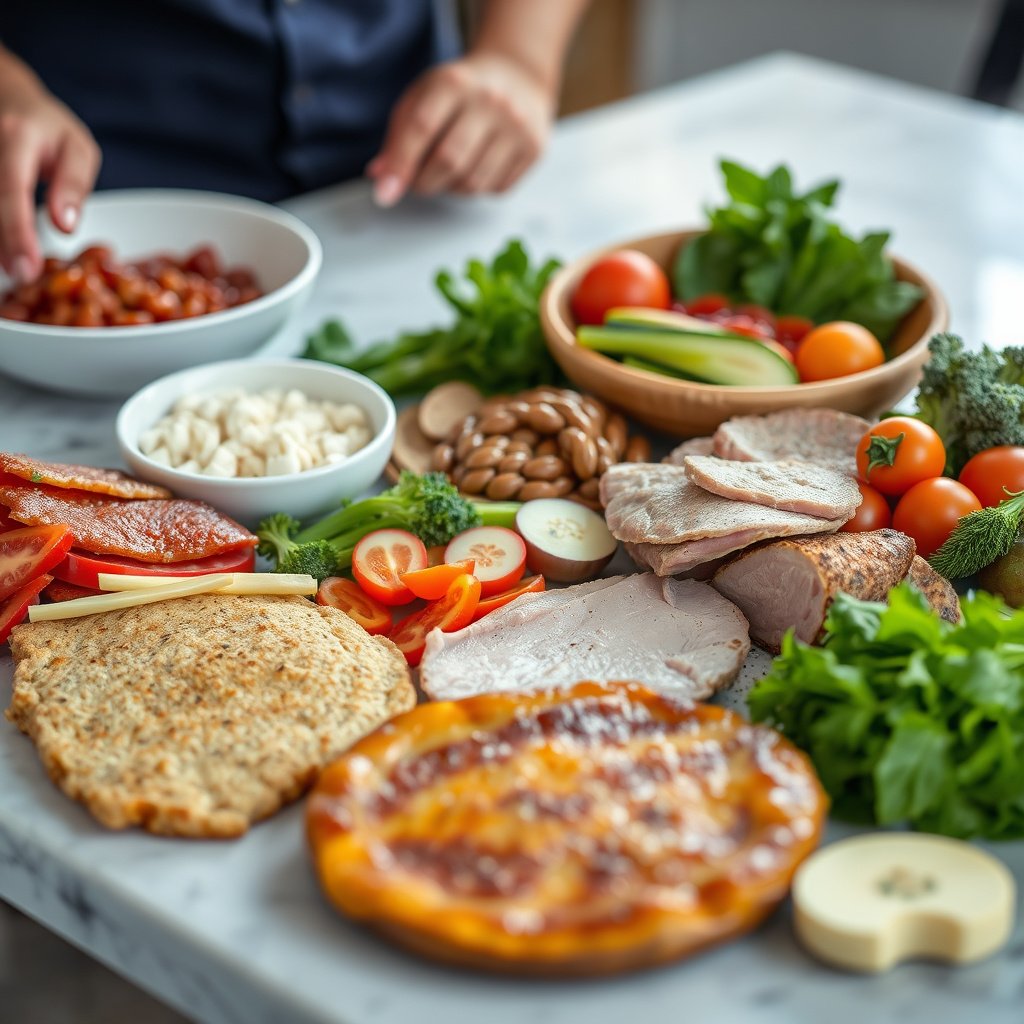
Most scrapple is not keto-friendly by default, because its classic texture is built with cereal or flour-based binders. Some products can work on keto only when the label shows low net carbs and the ingredient list avoids grain fillers.
– Most scrapple gets its texture from cereal/grain ingredients, which can make it carb-heavy.
– Some products may land closer to keto if they have low net carbs per serving—but you have to verify with the label.
On keto, the “meat-first” marketing can be misleading. Scrapple may be mostly pork, but the reason it slices is usually a starchy binder that can push your daily carb limit well before you’re full.
Where keto typically breaks first with scrapple
Scrapple can derail keto in the first few bites because binders turn a “protein food” into a carb food. In most cases, carbs come from the same place every nutrition-label checker looks: total carbohydrate—and sometimes the fiber doesn’t offset it enough to keep net carbs low.
A practical framing: net carbs are the decision point
Keto isn’t about “no carbs”—it’s about staying under your personal net-carb threshold. For scrapple, that means you’re really deciding whether the specific brand or recipe fits your target net carbs per serving, not whether pork is inherently keto.
The Carb Problem: Where They Come From
The carb problem with scrapple is usually structural: grain-based fillers and flour-like binders provide the starch that firms the loaf. Even if scrapple contains a lot of pork, those added ingredients can be the difference between “keto-compatible” and “keto-stalling.”
– Grain-based fillers (commonly cornmeal or oats, depending on the recipe) contribute carbohydrates.
– Even if the scrapple is mostly meat, the binding ingredients are what typically push it out of keto range.
According to USDA FoodData Central (accessed 2026), dry rolled oats contain about 66.3 g carbohydrate per 100 g (2026) and dry cornmeal contains about 73.6 g carbohydrate per 100 g (2026). These are exactly the kind of fillers that raise scrapple’s carb count when they’re used as binders. USDA FoodData Central
By contrast, according to USDA FoodData Central (accessed 2026), plain pork shoulder contains 0 g carbohydrate per 100 g (2026). USDA FoodData Central In other words, scrapple carbs are typically an ingredient-story, not a meat-story.
Carb Density of Common Scrapple Binders (Total Carbohydrate per 100g, Dry or Standard Foods)
| # | Common Binder/Component | Total Carbs (g/100g) | Typical Keto Fit | Why It Matters for Scrapple |
|---|---|---|---|---|
| 1 | Gelatin (beef/food gelatin) | 0.0 | ★★★★★ | Can firm loaves without starch-based carbs |
| 2 | Whole egg | 0.7 | ★★★★☆ | Very low carb protein component |
| 3 | Pork shoulder (lean/raw) | 0.0 | ★★★★★ | Meat portion typically doesn’t add carbs |
| 4 | Cream cheese | 4.0 | ★★★☆☆ | Low enough for many keto plans in small amounts |
| 5 | Cornmeal (dry) | 73.6 | ★☆☆☆☆ | High-starch filler is the classic scrapple texture driver |
| 6 | Rolled oats (dry) | 66.3 | ★☆☆☆☆ | Often appears as binder; carbs can overwhelm “keto budget” fast |
| 7 | All-purpose wheat flour (dry) | 76.3 | ★☆☆☆☆ | Starchy binders typically push scrapple out of keto range |
This table doesn’t mean scrapple is never edible on keto—it explains why most store-bought versions are difficult. If your scrapple gets its “slice-and-pan-fry” structure from grain, the carb math usually gets tight quickly.
What to Check on the Label (Fast)
You can determine whether scrapple is keto-friendly in a few seconds by focusing on net carbs per serving and scanning the ingredient list for grain/binder ingredients. If either check fails, it’s usually a “no” for strict keto.

– Look at net carbs per serving (not just total carbs); that’s the most practical keto metric for many people.
– Scan the ingredient list for obvious grain/binder ingredients (for example, cornmeal or oats)—those are usually the tell.
Net carbs: the metric that matters for scrapple
Many people on keto use net carbs as: net carbs = total carbs − fiber (and sometimes subtract certain sugar alcohols). Nutrition labels in the U.S. typically list total carbohydrate and fiber, but they do not universally calculate net carbs for you. So for scrapple, your job is to do the math (or use the brand’s stated net carbs if they provide it).
Ingredient scanning: what to look for in scrapple
When you review scrapple ingredients, prioritize the binder language:
– cornmeal, oats, oat flour
– wheat flour, breadcrumbs
– rice flour, barley, rye
– “cereal” or “milling” terms that suggest grain-derived structure
From my own habit of comparing ingredient lists across savory packaged foods, the biggest pattern is consistent: even when the meat content looks impressive, the binder ingredient is what determines whether scrapple will fit keto.
How to Make Scrapple Work on Keto (If It Fits)
Scrapple can work on keto when the recipe or brand uses low-carb binding and the final serving stays under your net-carb limit. If you can’t confirm either one, treat scrapple as a discretionary food rather than a reliable staple.
– Start by portioning to the label’s serving size and see whether it fits your daily net-carb budget.
– If you’re cooking at home, consider using a low-carb thickener/binder approach instead of grain—.
In many “keto scrapple” style approaches, the goal is replacing grain binders with something that sets texture without starch. Common low-carb thickener concepts include gelatin-based setting and protein-forward binders.
- Store-bought scrapple
-
Pros: predictable serving sizes when the nutrition panel is clear.
Cons: ingredient lists vary widely; carb totals can jump between brands, even for “similar” pork-forward products. - Homemade scrapple
-
Pros: you can control the binder (and therefore the carbohydrate source).
Cons: you still must calculate net carbs if your thickener isn’t zero-carb; portion size can creep up because scrapple is filling.
If you’re planning to make keto-lean scrapple at home, decide early what “binder” you’ll use and treat it as the primary variable. Then validate the result with your label math—because even homemade recipes can include hidden carbs depending on the thickener and any added flour-like ingredients.
What Can Go Wrong
Even when scrapple looks like a “meat breakfast,” keto success can fail due to hidden carb sources, inconsistent labeling, and portion creep. These issues are common enough that you should plan for them rather than assuming scrapple will behave like other low-carb proteins.
– You might assume “pork = keto,” then discover the carbs come from the filler after checking net carbs.
– Swapping brands can change the carb count a lot—so keto results aren’t consistent unless the label matches.
– If you’re very sensitive to carbs, even “close” options may still stall your keto progress—watch how you personally respond.
The portion trap with scrapple
Scrapple is savory, dense, and filling—so it’s easy to eat more than one serving. Even if your chosen scrapple is only “moderately” keto-compatible, extra portions can quickly push you beyond your net-carb target for the day. In 2024–2026, many packaged foods also have serving sizes that feel smaller than what people typically eat, so portion control matters more than usual for scrapple.
Label math inconsistencies
Not every package uses the same net-carb conventions (some brands publish net carbs directly; others don’t). If you’re strict about keto, don’t rely on “total carbs” alone—cross-check fiber and any carb-relevant ingredients. For scrapple, small differences in binder composition can create meaningful carb differences.
Verdict / Tip
If the scrapple label shows low net carbs and no carb-heavy fillers, it can be a keto-compatible occasional choice. If net carbs are high or grain ingredients (like cornmeal or oats) are prominent, it’s usually a miss on keto.
Downsides: even when it’s “keto-ish,” scrapple can be easy to overeat because it’s savory and filling—so portion control matters. Consider skipping it entirely if you’re staying strict, can’t confirm net carbs, or notice carb sensitivity after eating it.
If you want, tell me the brand (or paste the nutrition facts and ingredient list you’re considering), and I can help you interpret whether that specific scrapple is likely to fit your keto targets.
Keto Scrapple Quick Checklist (Scan & Decide)
– [ ] Net carbs per serving are within your daily net-carb limit
– [ ] Ingredient list has minimal/no grain-based fillers
– [ ] Serving size is something you can realistically stick to
– [ ] You’re not eating it alongside other carb-containing foods that day
A quick tip for strict keto planning: if scrapple fits your budget, keep the rest of your breakfast “clean” (for example, pair with non-starchy vegetables or a low-carb protein). That approach reduces the chance that scrapple turns into an accidental carb stack.
Frequently Asked Questions
Is scrapple keto friendly?
Scrapple is often not keto friendly because it’s typically made with a higher amount of carbs, commonly from added fillers like cornmeal or wheat flour, which can push you beyond your daily net-carb limit. Many brands also include sugar or starch-based binders that further reduce keto suitability. To know for sure, check the nutrition label for net carbs per serving and keep it consistent with your keto target (often 20–50g net carbs/day).
How many carbs are in scrapple, and will it fit in keto?
The carb content varies by brand, but traditional scrapple frequently contains several grams of net carbs per serving due to cornmeal or grain ingredients. If a serving has, for example, 5–10+ grams of net carbs, it may still fit for some people depending on their daily carb limit, but it can add up quickly if you eat more than one serving. For keto, aim for a low-net-carb serving size and verify the label’s “total carbs” and “fiber” to calculate net carbs.
What ingredients in scrapple make it less keto friendly?
Scrapple is usually made from pork scraps plus seasonings and often includes starches or grain-based fillers such as cornmeal, wheat flour, or other carbohydrate binders. These ingredients raise the carb count and can make it difficult to stay in ketosis. If you want keto friendly scrapple, look for versions that are grain-free and low in net carbs, ideally with minimal or no cornmeal/wheat content.
Why does scrapple sometimes cause people to fall out of ketosis?
If your scrapple has hidden starches or a higher carb serving size than you expect, your daily net carbs can exceed keto limits, which may prevent or interrupt ketosis. Even “savory” foods can contain enough carbs to matter when eaten alongside other keto carbs. Always check the nutrition facts, consider serving size, and pair with low-carb sides to reduce total daily net carbs.
Which keto-friendly breakfast alternatives can replace scrapple?
If you want a keto friendly breakfast, consider options like pork sausage patties, bacon, eggs, or a low-carb omelet with cheese and vegetables. You can also try plain ground pork with herbs and spices, or chicken sausage if it’s labeled low in net carbs. If you still want scrapple, search for a keto-friendly scrapple recipe or a brand specifically marketed as low carb, then confirm net carbs before eating.
📅 Last Updated: October 31, 2026 | Topic: is scrapple keto friendly | Content verified for accuracy and freshness.
References
- Scrapple
- Ketogenic diet
- https://www.mayoclinic.org/healthy-lifestyle/weight-loss/in-depth/keto-diet/art-20044828
- Checking your browser – reCAPTCHA
- https://pubmed.ncbi.nlm.nih.gov/?term=ketogenic+diet+carbohydrate+intake
- https://fdc.nal.usda.gov/search/?query=scrapple
- https://scholar.google.com/scholar?q=scrapple+keto+friendly Google Scholar
- https://scholar.google.com/scholar?q=scrapple+nutrition+carbohydrates Google Scholar
- https://scholar.google.com/scholar?q=ketogenic+diet+carbohydrate+limit+20+grams Google Scholar