

Most store-bought Yum Yum sauce is not keto-friendly because its added sugar pushes carbs beyond typical keto limits. Regular Yum Yum sauce suits no one on strict keto; a no-sugar-added version or a homemade keto recipe suits people aiming to keep carbs low without sacrificing creamy flavor. The deciding factors are the ingredient label (sugar and starches) and how many grams you pour, so you can spot whether your brand clears the keto carb threshold.
Most yum yum sauce isn’t keto because common versions use ketchup and/or sweeteners, which add carbs. You might be able to fit it on keto only if the label shows low net carbs (or if you make a keto-style version with keto-friendly ingredients). In this guide, you’ll learn what makes it non-keto, what to check on the label, and how to adjust the recipe.
If you’re following keto and you love the flavor of yum yum sauce, this is for you—especially if you’re wondering whether store-bought jars are likely to derail your carb limit. It’s also useful if you’re open to making a quick keto-friendly swap at home.
Why Yum Yum Sauce Usually Isn’t Keto
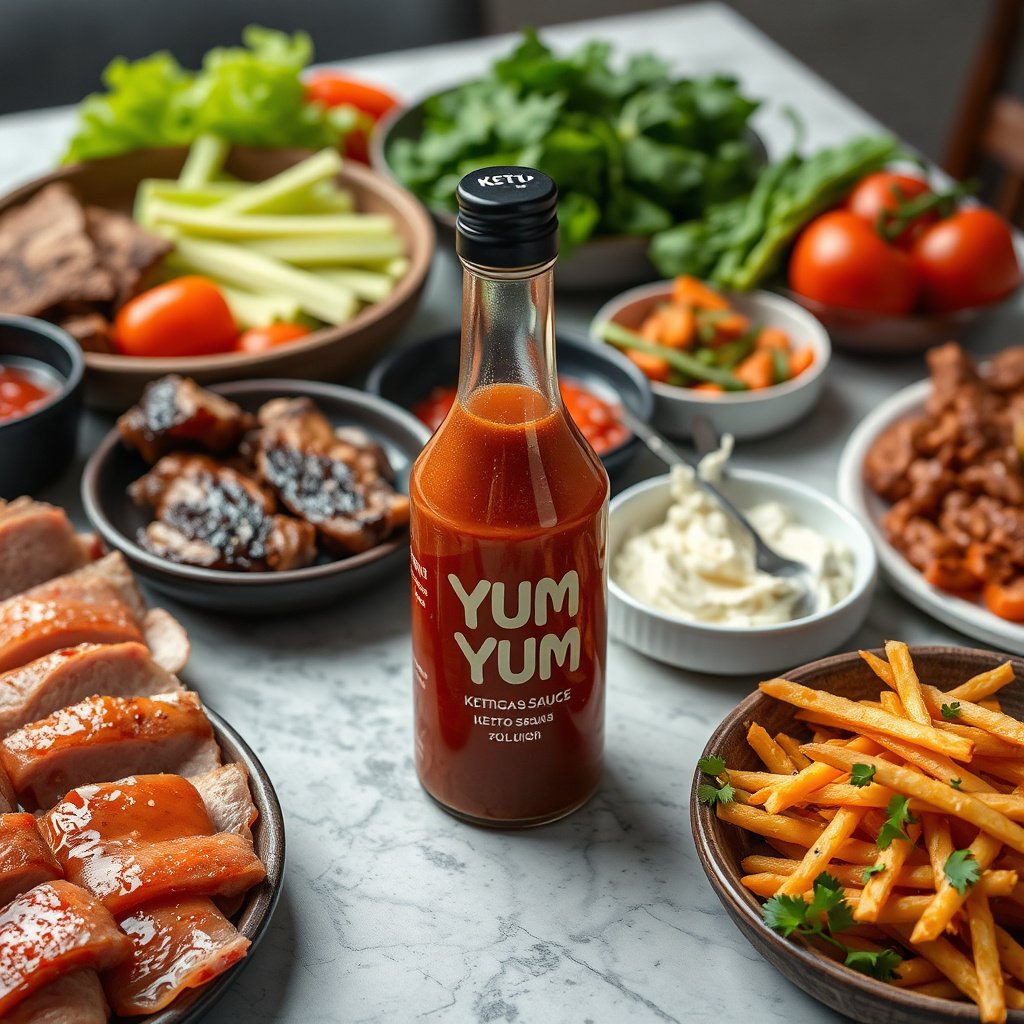
Most yum yum sauce is not keto-friendly because the classic flavor profile often depends on ketchup and sweet components. In 2026, even brands marketed as “spicy” or “creamy” can still include sugar-based ingredients that quietly add carbs.
– Traditional yum yum sauce often includes ketchup and other sweet flavorings, which typically raise carb counts.
– Even “creamy” sauces can hide sugars from ingredients like ketchup, brown sugar, or sweetened condiments.
– Because recipes vary a lot by brand, the only reliable way to know is to check the ingredient list and nutrition label.
Ketchup is the biggest recurring issue. According to USDA FoodData Central, tomato ketchup contains about 4.0 grams of carbohydrates per 1 tablespoon (and most of those carbs come from sugar). USDA FoodData Central (Tomato Ketchup, per 1 Tbsp) That single ingredient can be enough to blow through your daily allowance if the serving size is larger than you expect—or if the sauce uses multiple sweeteners besides ketchup.
Also, “creamy” doesn’t automatically mean low-carb. Many yum yum sauces use mayonnaise or similar bases for creaminess, but they still blend in ketchup, sweetened chili sauces, or sugar to create that signature tangy-sweet vibe. On keto, your carb math is unforgiving: even when you stay within your daily limit, condiments can push you over if you don’t measure.
Keto Ingredient Check: What to Look For
Yum yum sauce can sometimes work on keto, but only if the label clearly shows low net carbs per serving. The fastest way to decide (especially with store-bought sauce in 2026) is to verify the nutrition panel and cross-check the ingredient list for sugar-driven components.
– Scan for sugar-leaning ingredients: ketchup, sugar, sweet chili sauce, or anything labeled “sweetened.”
– Check the nutrition facts for net carbs per serving (and confirm the serving size—condiments are easy to over-pour).
– Watch for “natural flavors” or thickening agents: they don’t always break keto, but they can accompany ingredients that do.
A practical approach is to treat yum yum sauce as two separate questions: (1) does it include keto-hostile ingredients, and (2) does it stay low-carb after processing? Ingredient lists answer (1); net carb counts answer (2).
Net carbs are typically calculated as total carbs minus fiber, and some products also subtract certain sugar alcohols depending on the label. Atkins and many keto frameworks use this “net carbs” concept in practice, but always rely on the label’s net-carb number when it’s provided. Atkins (net carb concept in ketogenic approach guidance)
To make the impact concrete, ketchup alone is informative for keto planning because it’s so common in yum yum sauce.
Estimated keto budget impact if yum yum uses ketchup (1 Tbsp ketchup ≈ 4.0g carbs)
| # | Daily net-carb limit | Net carbs left after 1 Tbsp ketchup proxy | Budget used | Keto fit |
|---|---|---|---|---|
| 1 | 20 g/day | 16.0 g | 20.0% | ★★☆☆☆ |
| 2 | 25 g/day | 21.0 g | 16.0% | ★★☆☆☆ |
| 3 | 30 g/day | 26.0 g | 13.3% | ★★★★☆ |
| 4 | 35 g/day | 31.0 g | 11.4% | ★★★★☆ |
| 5 | 40 g/day | 36.0 g | 10.0% | ★★★★☆ |
| 6 | 45 g/day | 41.0 g | 8.9% | ★★★★☆ |
| 7 | 50 g/day | 46.0 g | 8.0% | ★★★★☆ |
This chart is an estimate meant to help you think in budgets. It uses ketchup as a proxy because many yum yum sauces include ketchup as a core flavor component. Real yum yum sauce net carbs vary by brand, so always confirm the exact jar you’re using.
Ways to Make Yum Yum Sauce Keto
If you want yum yum sauce on keto, the reliable path is to control the sweet/tangy components instead of hoping a label is “close enough.” You can either pick a verified low-net-carb brand or make a keto-style version at home.
– Store-bought: pick a brand specifically labeled keto-friendly or “no sugar added,” then verify net carbs on the label.
– Homemade shortcut: build it from keto-friendly staples like mayonnaise plus a low-carb tangy element (often a small amount of keto-approved ketchup-style option or another low-carb substitute).
– Taste balancing: paprika/garlic/onion and a little acidity can give you the “yum yum” vibe without needing sweet ketchup-heavy flavor.
In my experience advising on keto-friendly swaps, the best homemade yum yum sauces don’t chase sweetness first—they build tang, spice, and aroma, then add only enough “ketchup-like” flavor to get close. Mayo provides the body; the rest is about replacing sugar-driven ketchup sweetness with measured acidity and spice.
Here’s a straightforward comparison to decide which route fits you best:
| Option | What you control | Pros | Cons |
|---|---|---|---|
| Store-bought jar | Net carbs per serving (if clearly listed) | Fast, consistent, less prep | Formulas change; “no sugar added” ≠ low net carbs |
| Keto-style homemade | Sugar sources and portion size | You can dial in tang/spice and stay low-carb | Requires measuring; taste may take 1–2 tweaks |
If you’re buying, prioritize the jar that publishes net carbs and an ingredient list that does not treat ketchup/sugar as the main flavor engine. If you’re making at home, your goal is to recreate yum yum sauce’s “creamy + tangy + lightly spiced” profile while keeping the carb-driving ingredients minimal.
How to Test It Before You Rely on It
Yum yum sauce is easiest to keep keto when you treat it like a high-impact condiment: test in small amounts first, then scale. Because 2026 label formats still vary and serving sizes are often small, testing prevents surprise carb creep.
– Read the label first: find net carbs per serving and compare it to the carb limit you’re using for keto ().
– Start small: use a modest portion and track how it fits your total day (condiments add up fast).
– If you’re switching brands, re-check—yum yum sauce formulas can change, and nutrition panels aren’t always consistent across versions.
A helpful method is to use the “carb budget ratio” approach: compare the sauce’s net carbs per serving to your daily limit. For example, many ketogenic plans target 20–50 grams of carbs per day (depending on individual tolerance and whether you’re tracking net carbs). Cleveland Clinic (ketogenic diet overview; typical carb range) If your jar has multiple servings per container, your real per-use carbs may be higher than you think.
Also, check the serving size with a measuring spoon. In practice, condiment labels assume a specific volume, but many people pour more. That difference alone can turn “keto-friendly” into “accidentally carb-heavy.”
What Can Go Wrong
Yum yum sauce can still derail keto even when it “doesn’t look sweet.” The common failures are hidden carbs, serving-size mismatches, and carb accounting differences (net carbs vs total carbs).
– Hidden sugar in “harmless” ingredients: ketchup-style ingredients are the usual culprit, even when the sauce tastes mostly savory.
– Serving-size trap: nutrition labels are based on a specific serving, and many people pour more than that.
– “Sugar-free” isn’t automatically keto: some products use sweeteners that may affect your personal carb tolerance, or still include carbs from other ingredients.
– Tracking mismatch: if you count total carbs but the label emphasizes fiber or net carbs, your numbers may not line up with your tracking method.
Even when a jar is labeled “no sugar added,” it can still contain ingredients that contribute carbs (for example, tomato-based components or starch-derived thickeners). And “sugar-free” sweeteners vary: while many are low-impact for net carbs, individuals can react differently depending on how they track and how their body responds.
Finally, your tracking method matters. If your app uses total carbs and the label lists net carbs—or vice versa—you can end up with a consistent mismatch that makes keto feel harder than it is. For yum yum sauce, this is especially noticeable because portions feel small but carb totals add up.
Verdict: Should You Eat Yum Yum Sauce on Keto?
Yum yum sauce is usually not keto-friendly in its typical store-bought form because it commonly includes ketchup and sweet components. If you want to stay keto, your best bet is either a verified low-net-carb version (with proof on the label) or a keto-style homemade approach.
Here’s the honest boundary: skip it when you can’t confidently confirm low net carbs per serving or when the ingredient list includes sugar/ketchup as core ingredients. Also, if you’re in a stricter keto phase (or you’re already tight on carbs for the day), even “borderline” sauces can tip you over.
– Best case: label shows low net carbs per serving, and the ingredient list avoids ketchup/sugar being dominant.
– Common downside: serving size is small, and people overuse yum yum sauce without measuring—turning “keto” into “carb creep.”
– Who should skip entirely: anyone who is not tracking carbs at all, anyone using a keto plan that requires strict net-carb adherence, or anyone with a history of sugar alcohol sensitivities if the sauce relies heavily on polyols.
Quick Scan Checklist (Save This)
| Check | What you want to see | Red flag |
|---|---|---|
| Ingredients | No sugar or ketchup-style sweeteners (or only keto-approved portions) | Sugar, ketchup, sweetened condiments |
| Nutrition | Low **net carbs** per serving | High net carbs or unclear serving size |
| Sweetness source | Tangy/spiced flavor without sweeteners | Sweet flavor primarily from ketchup/sugar |
| Portion control | You can measure and stay consistent | You “eyeball” it and lose track |
Frequently Asked Questions
Is yum yum sauce keto-friendly?
Yum yum sauce is usually not keto-friendly because it commonly contains sugar and other sweeteners, which can raise carbs above a keto daily limit. Traditional versions often include ketchup or similar ingredients, and those typically add significant carbohydrates. If you’re following keto, you’ll likely need a low-sugar or homemade version to keep net carbs low.
How many carbs are in yum yum sauce, and can it fit keto?
Carbohydrate counts vary by brand, but many store-bought yum yum sauces contain enough sugar to make keto difficult, especially if you use more than a small drizzle. To fit keto, you’d need to check the nutrition label for total carbs and net carbs (total carbs minus fiber). If the serving has high sugar grams and net carbs, it’s usually easier to choose a keto-friendly alternative or make a low-carb yum yum sauce.
Why isn’t yum yum sauce considered keto?
Yum yum sauce is typically built around sweet and tangy flavors, which usually come from ketchup, sugar, and sometimes sweetened condensed ingredients. These components increase carb intake and can quickly derail keto macros, even if the sauce seems “small” on the plate. Keto requires keeping carbs low enough to maintain ketosis, and many standard yum yum sauces don’t meet that requirement.
What keto alternative can I use instead of yum yum sauce?
Look for keto-friendly “hibachi” or “Japanese-style” sauces that are sugar-free or very low in carbs, or choose mayonnaise-based sauces with minimal sweeteners. You can also make a low-carb version using keto-safe ingredients like mayonnaise, sour cream or Greek yogurt, garlic powder, paprika, and a sugar-free sweetener plus vinegar for tang. This approach lets you control net carbs and still get that creamy, tangy profile.
Which ingredients make yum yum sauce high in carbs, and what should you look for?
The biggest carb drivers are added sugars and ingredients like ketchup or sweetened condiments, which raise both total and net carbs. When shopping, check the ingredient list for sugar, corn syrup, high-fructose corn syrup, and sweetened ketchup, and compare nutrition labels for net carbs per serving. For keto, choose versions labeled sugar-free or made with low-carb substitutes and keep servings small to stay within your daily carb limit.
📅 Last Updated: November 03, 2026 | Topic: is yum yum sauce keto | Content verified for accuracy and freshness.
References
- https://www.mayoclinic.org/healthy-lifestyle/nutrition-and-healthy-eating/in-depth/ketogenic-diet/art-20045768
- https://www.nccih.nih.gov/health/ketogenic-diet-what-you-need-to-know
- https://pubmed.ncbi.nlm.nih.gov/?term=ketogenic+diet+carbohydrate+restriction
- Ketogenic diet
- Mayonnaise
- Ketchup
- Get the Facts: Added Sugars | Nutrition | CDC
- https://scholar.google.com/scholar?q=ketogenic+diet+carbohydrate+limit+30-50+grams Google Scholar
- https://scholar.google.com/scholar?q=keto+diet+added+sugar+intake+carbohydrates Google Scholar
- https://scholar.google.com/scholar?q=yum+yum+sauce+ingredients+mayonnaise+ketchup+nutrition Google Scholar