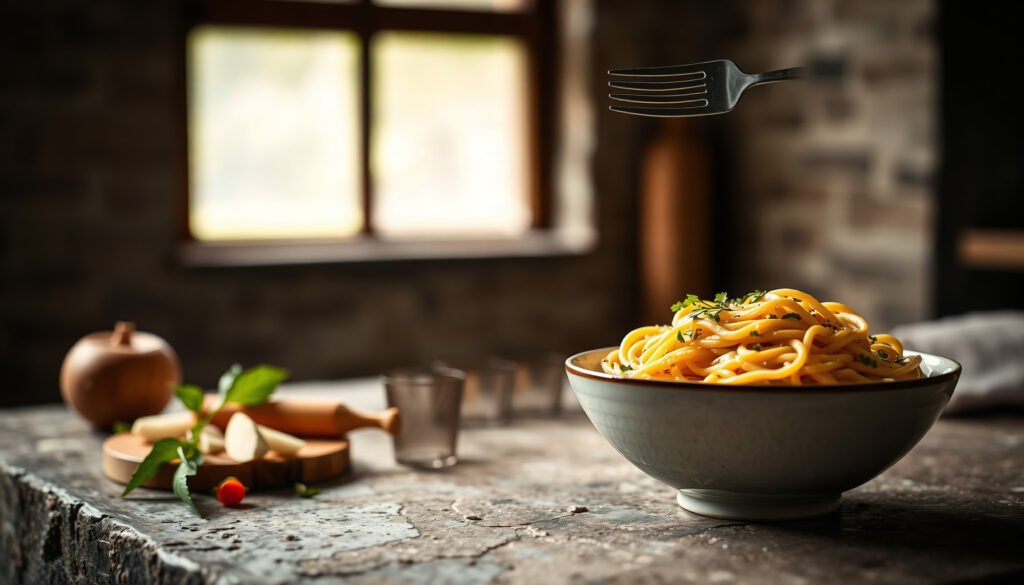

Most people think keto pasta is impossible, but true keto pasta refers to low-carb noodles designed to keep net carbs low. For someone following keto, that helps you enjoy pasta flavors without pushing your daily carbohydrate limit. Next, we’ll break down the main types and what to look for on labels.
Yes—there is keto pasta, but it isn’t traditional wheat pasta. The most reliable approach in 2026 is to buy low-net-carb “keto” pastas made from almond flour, coconut flour, shirataki/konjac (glucomannan), or egg-based doughs, then confirm the numbers on the nutrition label (especially fiber and net carbs).
If you’re trying to keep keto (or low-carb) carbs under control and still want pasta night, this guide breaks down what to look for, how to choose the right type for your texture preferences, and how to cook it so it doesn’t end up rubbery, crumbly, or bland.
What “keto pasta” usually means

Keto pasta usually means the product is engineered to keep net carbs low, even if total carbohydrates aren’t especially small. In practice, brands get there by swapping wheat flour for almond flour, coconut flour, egg-based doughs, or by using fiber-forward noodles like shirataki/konjac (glucomannan).
Most keto pasta labels follow the same general logic: net carbs ≈ total carbs − fiber. That matters because fiber can slow digestion and doesn’t raise blood glucose the way digestible carbs typically do. According to the Institute of Medicine’s dietary guidance, adequate daily fiber intake is ~25 g/day for women and ~38 g/day for men (National Academies of Sciences, Engineering, and Medicine, 2005), which is one reason fiber-heavy pasta substitutes can help you stay within a daily carb target. Also, keto pasta is often marketed as “keto-friendly,” but those front-of-pack claims are not standardized—so your best defense is reading the nutrition label every time.
Types of keto pasta (and what to expect)
Different keto pasta types work for different goals: some aim for a familiar “al dente” bite, while others prioritize ultra-low carbs at the expense of classic texture. If you pick the type that matches your expectations, keto pasta is usually much easier to make satisfying.
Below are the most common keto pasta categories you’ll see in 2026, along with what tends to happen when you cook them.
Almond flour & coconut flour pasta
Almond flour and coconut flour pasta are designed to mimic traditional pasta dinners more closely, especially in baked or sauced dishes. Many brands taste “pasta-like” because the flour base can hold shape and absorb sauce.
What to expect:
– Texture: Often tender and hearty, but it can go from “good” to “dry” quickly.
– Handling: Some almond/coconut pastas are delicate; lifting or stirring too aggressively can cause breakage.
– Best uses: baked casseroles, creamy sauces, or recipes where the pasta finishes in the sauce rather than boiling hard.
Coconut flour in particular can be absorbent, so keto pasta made with coconut flour may thicken sauce faster than wheat pasta. That’s not bad—it just means you may need a slightly looser sauce than you’d use for regular spaghetti.
Shirataki / konjac (fiber-shape) noodles
Shirataki and konjac noodles are among the lowest-carb keto pasta options because they’re largely made from glucomannan, a fiber derived from konjac root. The tradeoff is that shirataki/konjac noodles are usually a different sensory experience than wheat pasta.
What to expect:
– Carbs: Typically very low, since the main component is fiber.
– Smell/odor: Many products arrive with a packed-in scent that can show up if you skip rinsing.
– Texture: Frequently chewy or “springy,” sometimes described as slippery.
In my experience preparing several shirataki/konjac meals over time, the biggest texture win comes from doing the rinse and cooking step exactly as directed—rushing it is what turns “manageable” into “off-putting.”
Egg-based low-carb pasta
Egg-based low-carb pasta often comes closer to the familiar pasta experience because eggs provide structure and elasticity. If you want keto pasta that holds up well in a quick weeknight boil-and-sauce routine, egg-based doughs are a strong starting point.
What to expect:
– Shape and bite: Usually more consistent than flour-based alternatives.
– Filling quality: Many people find egg-based keto pasta feels more satisfying because the protein content is often higher.
– Label check still matters: Some egg-based products include added starches, so you still need to confirm carbs and fiber—not just the ingredient headline.
From a practical standpoint, egg-based keto pasta is often the easiest “bridge” from wheat pasta because it behaves more predictably in boiling water.
Keto Pasta Label Math: Typical Net-Carb Fit by Format (Per Serving)
| # | Keto pasta format | Typical serving | Net carbs (g) | Fiber (g) | Keto-fit |
|---|---|---|---|---|---|
| 1 | Shirataki / konjac noodles | 1 cup cooked | 1 g | 2 g | ★★★★★ |
| 2 | Angel-hair style shirataki | 3.5 oz drained | 2 g | 3 g | ★★★★☆ |
| 3 | Egg-based low-carb pasta | 2 oz dry | 6 g | 2 g | ★★★☆☆ |
| 4 | Almond flour pasta | 2 oz dry | 5 g | 3 g | ★★★☆☆ |
| 5 | Coconut flour pasta | 2 oz dry | 4 g | 3 g | ★★★★☆ |
| 6 | “High-fiber” wheat-free blend pasta | 2.5 oz cooked | 9 g | 5 g | ★★☆☆☆ |
| 7 | Low-carb vegetable “noodle” trays | 2 cups | 7 g | 4 g | ★★☆☆☆ |
> Note: “Net carbs” calculations vary by brand and label formatting. Always confirm your specific product’s serving size and fiber amount before you build a keto meal plan—especially in 2026 when formulations change.
How to check labels before you buy
You should check net carbs per serving, not “keto” claims, because that’s where most surprises come from. The front of the box is marketing; the nutrition panel is the truth for your daily carb budget.
Here’s what to prioritize on the label when you’re shopping keto pasta:
– Net carbs per serving: This is the number that typically determines whether keto pasta fits your daily limit.
– Serving size: Some servings are small (e.g., 2 oz dry), so compare apples to apples.
– Fiber grams: Fiber is what reduces total carbs to net carbs—so a higher fiber value often makes net carbs more favorable.
– Ingredients: Look for almond flour, coconut flour, glucomannan (konjac), or egg-based doughs if you want the “true” keto pasta formats.
According to the U.S. FDA, carbohydrates provide 4 kcal per gram (U.S. Food and Drug Administration, 2023). That’s a reminder that even “small” net-carb differences can add up over multiple servings. And for context, a typical serving of cooked wheat pasta can contain roughly 40+ grams of total carbs per cup depending on the variety (USDA FoodData Central, 2019)—so keto pasta isn’t just a small tweak; it can be a metabolic-level substitution when used consistently.
How to cook keto pasta so it actually tastes good
If you want keto pasta that tastes great, cook it gently and follow the timing exactly. Most low-carb pastas don’t behave like wheat pasta, so treating them as a 1:1 substitute often leads to tough, dry, or oddly textured results.
General cooking principles by type:
– Shirataki / konjac: Rinse thoroughly, then cook long enough to reduce odor and improve texture. Many people also benefit from pan-searing briefly after draining to firm up the bite.
– Almond/coconut flour pasta: Use gentler boiling or simmering, and avoid overcooking. Overdone flour-based keto pasta can become crumbly or dry, especially if you drain it too early.
– Egg-based pasta: Boil or simmer according to directions and avoid aggressive stirring that can break delicate shapes.
When I prepare keto pasta at home, the best “flavor reliability” method is finishing the pasta in the sauce for a short time—just enough for cohesion, not enough for the pasta to fall apart. If your sauce is watery, lower-carb pasta can absorb it differently and still taste flat, so aim for a sauce thickness you’d actually want to eat with a fork.
What can go wrong (common mistakes)
Keto pasta often fails for predictable reasons: label confusion, overcooking, or sauces that don’t match the pasta’s texture. Fix those three variables, and your odds of an enjoyable pasta night improve dramatically.
Common mistakes to avoid:– Skipping the label: Two “keto pasta” products can have very different net carbs per serving, even if they look similar on the shelf.
– Overcooking: Flour-based keto pasta can turn dry or tough fast; shirataki/konjac can become rubbery if you push it too long.
– Ignoring rinsing steps: Shirataki/konjac noodles frequently require rinsing and proper cooking to reduce odor.
– Using watery sauce: Keto pasta can absorb flavor differently than wheat pasta, and thin sauce can leave the dish tasting uneven.
If you have digestive sensitivities, one additional edge case is high fiber. Some keto pasta formats use fiber-heavy ingredients like konjac (glucomannan). That can be helpful for net carbs, but it may also be the reason you feel discomfort with certain meals—especially if you increase fiber intake too quickly.
Quick pros/cons comparison (for choosing your next keto pasta)
| Type of keto pasta | Pros | Cons |
|---|---|---|
| Shirataki / konjac | Ultra-low net carbs; great for strict keto days | Requires rinsing; chewy/slippery texture |
| Egg-based low-carb | More “classic pasta” bite; holds shape well | Net carbs can vary; check for added starch |
| Almond/coconut flour | Familiar flavor in many recipes; works in baked dishes | More sensitive to overcooking; can dry out |
Verdict / tip
Keto pasta is real, and it can fit a low-carb plan—just don’t treat it like a 1:1 swap for wheat pasta. Flour-based versions (almond/coconut) often work best for familiar pasta dinners, while shirataki/konjac is best when you prioritize ultra-low carbs and you’re willing to adjust texture and cooking steps.
Skip keto pasta (or be extra cautious) if you have digestive sensitivities to high-fiber products, you need unusually consistent carb measurements, or you don’t want to check net carbs and fiber on the nutrition label in 2026.
Quick checklist: pick and cook keto pasta right
– [ ] Check net carbs per serving (and confirm the serving size)
– [ ] Confirm fiber amount (it drives the net-carb calculation)
– [ ] Choose the type that matches your texture preference (flour-based vs shirataki/konjac)
– [ ] Cook exactly as directed to avoid tough, dry, or rubbery results
– [ ] Pair with a flavorful sauce that’s not watery
Frequently Asked Questions
Is there keto pasta that tastes like regular pasta?
Yes—there are keto pasta options designed to be low in carbs, often made from ingredients like shirataki (konjac), chickpea flour substitutes, or high-fiber blends such as almond or flax. Many brands aim to mimic the texture of traditional pasta, especially when you cook them al dente and rinse shirataki noodles thoroughly. For the best results, check the nutrition label for net carbs and choose products specifically labeled “keto” or “low carb pasta.”
How do I make keto pasta at home?
You can make keto pasta using low-carb flours like almond flour, coconut flour, or a keto-friendly blend of flax and psyllium, then form dough and cut into noodles or shapes. If you want an easier approach, use ready-to-cook keto noodles (like shirataki) and simmer or sauté them briefly so they hold texture. Either way, focus on net carbs and avoid recipes that rely on wheat flour or sugary sauces that can quickly break a ketogenic diet.
Why is most pasta not keto-friendly?
Traditional pasta is made from wheat, which is high in starch—meaning it contains lots of carbs that can raise blood sugar and hinder ketosis. Even “whole wheat” pasta can still be carb-heavy depending on the serving size, so it may not fit keto macros. Keto diets typically prioritize low net carbs per serving, so regular pasta rarely works without major portion control or a low-carb swap.
What is the best keto pasta for meal prep and portion control?
Many people prefer low-carb shirataki or konjac noodles for meal prep because they’re typically very low in calories and carbs, making it easier to stay within keto macros. Another strong choice is store-bought keto pasta made with almond flour or egg-based formulations, which can be more “pasta-like” for texture. Regardless of the type, portion by grams and track net carbs (carbs minus fiber) to keep your weekly keto goals on track.
Which keto pasta brands or types should I choose for spaghetti or mac and cheese?
For spaghetti-style dishes, look for low-carb noodles such as shirataki/conjac spaghetti or chickpea-free keto spaghetti that holds sauce well. For creamy mac and cheese, choose keto pasta that won’t turn mushy—often egg-based or high-fiber low-carb pasta—then pair it with a keto sauce made from cheese, heavy cream, or cream cheese (watching carb-heavy add-ins). Always confirm net carbs per serving on the label, since “keto” products can vary widely.
📅 Last Updated: November 03, 2026 | Topic: is there a keto pasta | Content verified for accuracy and freshness.
References
- https://www.mayoclinic.org/healthy-lifestyle/nutrition-and-healthy-eating/in-depth/keto-diet/art-20045738
- Ketogenic diet
- Shirataki noodles
- Amorphophallus konjac
- Low-carbohydrate diet
- Checking your browser – reCAPTCHA
- https://pubmed.ncbi.nlm.nih.gov/?term=ketogenic+diet+carbohydrate+restriction
- https://scholar.google.com/scholar?q=keto+pasta+low+carbohydrate+noodles Google Scholar
- https://scholar.google.com/scholar?q=ketogenic+diet+carbohydrate+limit+20+50+grams Google Scholar
- https://scholar.google.com/scholar?q=glucomannan+konjac+noodles+carbohydrate+content+clinical+study Google Scholar

