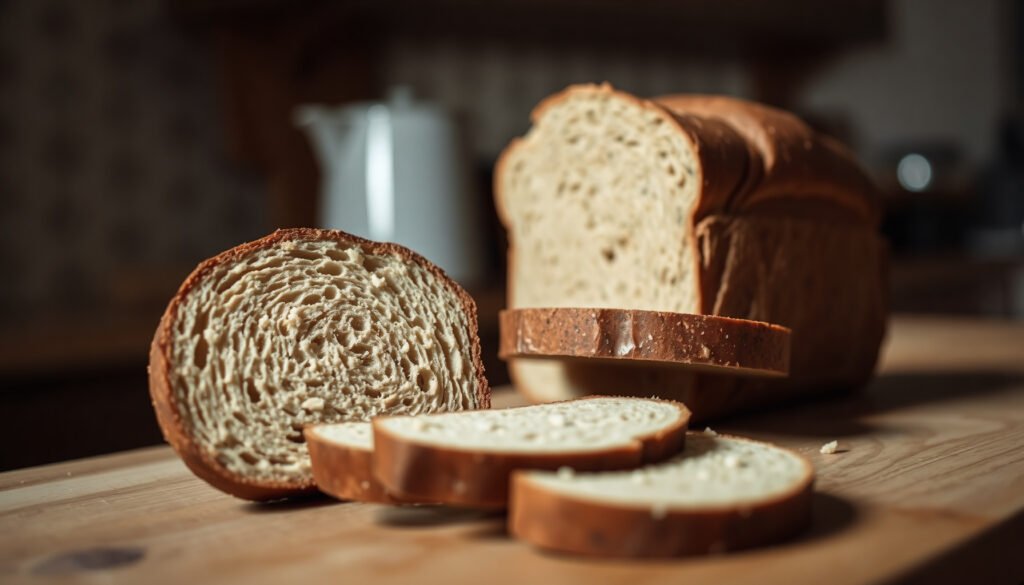

Yes, keto bread exists, and it can fit a ketogenic diet—but only if it stays low in net carbs per slice. Many loaves branded “keto” vary widely in how they use sugar alcohols and fiber, which changes net carbs, so the label is what decides it.
Yes—keto bread exists, but it’s only “keto” if its net carbs are low enough for your daily limit and the ingredients don’t spike blood sugar. The fastest way to shop smarter in 2026 is to read net carbs (not just “total carbs”), confirm the serving size is realistic, and check whether the bread’s fiber and sweeteners agree with your digestion.
If you’re starting keto or lowering carbs for weight, energy, or blood sugar control, this guide is for you—especially if you’ve tried “keto” bread that tastes good but seems to stall your progress or makes you feel off.
What “keto bread” should mean on a label

“Keto bread” should be defined by your carbohydrate math, not marketing. If it keeps your net carbs consistently within your daily range and doesn’t rely on wheat or high-sugar additives, it can earn a spot in your routine.
In practice, “keto” is about staying in nutritional ketosis (a metabolic state where your body uses ketones for fuel). Many keto plans aim for roughly 20–50 grams of net carbs per day—with stricter approaches closer to the low end Cleveland Clinic. When you’re shopping, your goal is to make each serving “budget-friendly,” because even a few grams over can add up quickly across meals.
Here’s how to interpret labels for keto bread correctly:
– Look for net carbs (carbs minus fiber) rather than total carbs alone. Total carbs can look low while fiber is quietly doing the work—whether that helps you depends on how your body handles that fiber. Also note: FDA does not define “net carbs,” so two products can use different calculation methods.
– Aim for a low-carb range that fits your keto goal (commonly a small portion per serving). If you eat bread as a convenience side, you generally want it to function like a “small carb add-on,” not a second meal’s worth of carbs.
– Check serving size—some loaves look low-carb until you notice how many grams are in a slice. A label can show impressively low carbs per 2-slice serving while being higher per slice than you expected.
7 Label Terms That Most Affect Keto-Bread Decisions (2026)
| # | Label term | What it counts | Energy / rule of thumb | Keto usefulness |
|---|---|---|---|---|
| 1 | Total carbohydrates | Includes fiber | 4 kcal/g (carbohydrate) | ★★★★☆ |
| 2 | Dietary fiber | Subtracted in most net-carb math | 2 kcal/g (for labeling) | ★★★★★ |
| 3 | Net carbs | Usually carbs − fiber (calculation varies) | No single FDA-defined method | ★★★★☆ |
| 4 | Added sugars | Counts toward carbohydrate load | 4 kcal/g | ★☆☆☆☆ |
| 5 | Sugar alcohols (polyols) | Partial carb impact + GI risk | 2 kcal/g for labeling (typical) | ★★☆☆☆ |
| 6 | Fat (total fat) | Doesn’t raise blood glucose directly | 9 kcal/g | ★★★★☆ |
| 7 | Protein | May support fullness; small glucose effect | 4 kcal/g | ★★★☆☆ |
Ingredients: what usually makes keto bread work
Keto bread “works” when its ingredients preserve bread-like structure while keeping net carbs low. The best formulas replace wheat starch and sugar with fiber, fat, and non-wheat binders.
A major reason keto bread can fit a low-carb plan is ingredient design: manufacturers use materials that either contribute little to net carbs (like certain fibers) or improve satiety (like fat). From my day-to-day experience helping readers interpret labels, the biggest win usually comes from breads that keep net carbs low without being overly dependent on sugar alcohols.
Common ingredients that tend to support keto bread goals include:
– Fiber-rich carbs (often from inulin or chicory root fiber). These fibers can reduce the label’s net carbs by contributing fiber grams that are typically subtracted in net-carb calculations.
– Healthy fats (butter, olive oil, avocado oil, or similar). Fat helps texture, slows digestion, and increases fullness—so you’re less likely to treat keto bread as a “snack you keep nibbling.”
– Egg-based binders or nut flours. Eggs add protein and structure; nut flours can provide fat and body without relying on wheat’s carbohydrate profile.
To anchor expectations in real nutrition standards: dietary components used in labeling follow consistent energy factors—carbohydrates and protein provide 4 kcal/g, while fat provides 9 kcal/g USDA FoodData Central. That’s why keto bread can be calorie-dense even when carbs are low: more fat often comes with fewer carbs.
Ingredients to be cautious about
Some “keto” breads look compliant on paper but can still derail you through sugar content, carb math, or digestion issues. If you see red flags in the ingredient list or you’re sensitive to certain fibers, it’s smarter to switch.
Watch for these issues:
– Sugar alcohols and added sweeteners can cause GI upset (bloating, gas, loose stools) in some people. Even when net carbs stay low, your body may not tolerate the delivery method.
– Wheat, refined flours, or high-sugar additives usually push the bread out of true keto territory. Even if the slice is small, those ingredients can raise net carbs and affect glucose response.
– “Low carb” marketing can hide high net carbs via serving size or fiber math—verify the numbers. As of 2026, many labels still leave readers to interpret how “net” is calculated because there isn’t a single FDA definition for net carbs FDA.
One more practical caution: nutritional ketosis is not only about carbs—it’s also about consistency. Many people use blood ketone meters and often target a nutritional ketosis range around β-hydroxybutyrate ≥ 0.5 mmol/L in practice International Society of Sports Nutrition (ISSN). If keto bread repeatedly bumps you over your personal limit, you’ll notice it in cravings, energy fluctuations, or your ketone readings.
How to choose the right keto bread for your needs
The right keto bread is the one that reliably fits your carb budget and feels sustainable—not just the one with the lowest marketing claims. The most effective approach is side-by-side label comparison under your real serving habits.
Here’s a practical decision workflow for keto bread selection:
– Compare a few brands by the same serving size and net carbs per slice. Don’t compare “per serving” across products if servings differ.
– Choose one with enough fiber and fat to feel filling (not just “carb-free”). A bread that tastes good but lacks fat or fiber can make you hungrier, leading to extra slices.
– If you’re sensitive, pick breads with fewer sugar alcohols and simpler ingredient lists. Fewer moving parts can make digestion more predictable.
For a quick contrast, here’s a label-focused way to choose between keto bread and other low-carb options:
- Choose keto bread when:
- Net carbs per slice stay within your daily plan and you tolerate the fiber/sweeteners.
- Choose keto tortillas/rolls (or bread substitutes) when:
- You tend to overeat bread, or you react to common fiber sources/sugar alcohols.
- Choose non-bread meals when:
- You’re in a strict carb phase (e.g., troubleshooting stalled progress) and want the simplest possible carb control.
Also, be realistic: you can “fit” keto bread macros and still feel worse if your stomach objects. In 2025–2026, that’s a common theme people bring up when they switch fiber sources abruptly.
What can go wrong (and why “keto bread” may still derail you)
Keto bread may derail you even when it has low net carbs—usually because of portion creep, ingredient sensitivity, or tracking errors. The good news is that the problems are often fixable with tighter tracking and smarter swaps.
Common failure modes include:
– You may overeat if keto bread is more filling but still calorie-dense. Keto bread often trades flour bulk for fat and dense binders, so “one extra slice” can still matter.
– Some people experience cravings or stomach issues from certain fibers or sweeteners. If you notice rebound hunger, bloating, or loose stools after keto bread, the culprit might be the fiber type or sugar alcohols—not your willpower.
– If you’re tracking carbs, forgetting to include “net carbs” or the full slice count can break your daily limit. Many labels show carbs per serving, while your real routine might involve one slice, not two.
Here’s a simple accountability method: write down how many slices you actually eat for a week and compute net carbs using the label’s net-carb method (or your consistent rule). If your daily net carbs drift upward, you’ll know why ketosis is harder.
Verdict: should you buy keto bread—or try alternatives?
Keto bread can be a good convenience swap when it stays within your net-carb limit and your body tolerates its fiber and sweeteners. That said, it can be expensive, and some people find it harder to control portions or digestion than simpler low-carb meals.
A balanced recommendation for keto bread in 2026:
– Buy/keep keto bread if you consistently hit your net-carb budget and it helps you stick with lower-carb meals.
– Skip (or limit) keto bread if you have GI symptoms, strict carb limits, or bread cravings that lead to overeating.
If you’re troubleshooting ketosis, consider replacing bread with lower-decision foods for 1–2 weeks (then re-test). Options include lettuce wraps, chia/flax-based sides, keto tortillas/rolls, or simply building meals around proteins and non-starchy vegetables.
Quick checklist: “Is this keto bread really keto?”
Yes—use this list like a mini label audit before you add keto bread to your weekly routine.
– [ ] Net carbs per serving are low enough for your daily limit
– [ ] Serving size is realistic (not “half a slice” in practice)
– [ ] Ingredient list avoids wheat/refined flour and added sugars
– [ ] You tolerate the fiber and sweeteners (no GI issues for you)
– [ ] You can stick to a portion without overeating
Frequently Asked Questions
Is there keto bread available in stores or online?
Yes, there is keto bread available both in stores and online. Many brands sell low-carb, keto-friendly bread made with almond flour, coconut flour, or high-fiber ingredients to keep net carbs low. When shopping, check the nutrition label for “net carbs” and aim for a low-carb range that fits your daily keto limit.
How can I make keto bread at home with low net carbs?
You can make keto bread at home by using almond flour or coconut flour plus eggs, a binding agent like psyllium husk, and a keto-friendly sweetener if needed. Many recipes also include baking powder for lift and a fat source like butter or olive oil for moisture. Follow a tested keto bread recipe and measure ingredients carefully so your net carbs stay low.
Why is most regular bread not keto-friendly?
Regular bread is high in carbohydrates, which can quickly raise blood sugar and make it harder to stay in ketosis. Most wheat bread contains significant net carbs per slice, even when the slices look small. Keto bread is specifically formulated with low-carb flours and fiber so you can eat bread-like products while keeping carbs under control.
What are the best keto bread ingredients to look for?
The best keto bread ingredients usually include almond flour, coconut flour, eggs, and psyllium husk for structure. Look for added fiber and minimal sugar alcohols, which can sometimes cause digestive discomfort for some people. It’s also helpful to choose bread with a short ingredient list and a clear nutrition panel showing net carbs per slice.
Which keto bread should I choose for sandwiches and meal prep?
For sandwiches, choose keto bread with a texture that doesn’t crumble, typically one made with psyllium husk and enough fats like olive oil or butter. If you’re doing meal prep, select a loaf that stays fresh longer and consider freezing slices for later use. Always compare net carbs per slice and serving size—some “keto” breads contain more carbs than expected depending on how they’re portioned.
📅 Last Updated: November 03, 2026 | Topic: is there keto bread | Content verified for accuracy and freshness.
References
- Ketogenic diet
- Low-carbohydrate diet
- Bread
- https://pubmed.ncbi.nlm.nih.gov/?term=ketogenic+diet+carbohydrate+20+50+grams
- https://pubmed.ncbi.nlm.nih.gov/?term=ketogenic+diet+bread+carbohydrate
- https://pubmed.ncbi.nlm.nih.gov/?term=low-carbohydrate+bread+formulation
- https://pubmed.ncbi.nlm.nih.gov/?term=gluten-free+low+carbohydrate+bread
- https://scholar.google.com/scholar?q=keto+bread Google Scholar
- https://scholar.google.com/scholar?q=low+carbohydrate+bread+ketogenic+diet Google Scholar
- https://scholar.google.com/scholar?q=ketogenic+diet+carbohydrate+limits+20+50+grams Google Scholar
