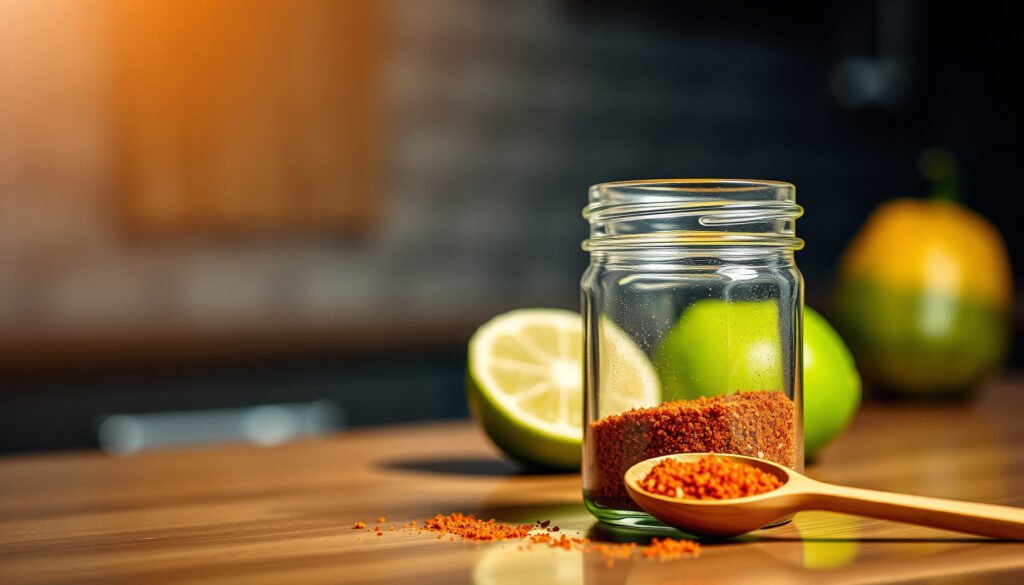

Yes—Tajin seasoning is generally keto-friendly, but only if the specific product you use is sugar-free or extremely low in carbs. The main keto concern is that many spice blends can contain added sugar, which raises net carbs even when the seasoning seems “just spices.” Check the nutrition label for total carbs and subtract fiber to confirm it fits your daily keto limit.
Yes—Tajín can be keto-friendly if the carbs per serving (and your serving size) fit your daily keto limit. The easiest way to know is to check the nutrition label for total carbs and calculate net carbs (usually carbs minus fiber). In this post, you’ll learn how to verify it quickly and how to use Tajín without accidentally knocking yourself out of ketosis.
If you’re doing strict keto (or trying to stay under a low carb “ceiling”), the main question isn’t whether Tajín is “good or bad”—it’s how much carbohydrate you’re actually getting in the amount you sprinkle. This is for anyone using chili-lime seasoning to flavor snacks, meats, or low-carb drinks.
Can Tajín be keto friendly?
Tajín is usually keto-friendly because you’re typically using it as a seasoning, not as a bulk ingredient. The key is that “keto-friendly” depends on the nutrition label—especially net carbs per serving—and whether your day’s total stays within your keto target.
– Tajín is generally considered keto-compatible as a seasoning because it’s used in small amounts.
– Whether it works for you depends on the nutrition facts (especially carbs per serving) and how much you use in a day.
On most keto plans, you’re aiming for a low net-carb intake rather than “zero carbs.” According to Mayo Clinic, many people following a ketogenic diet target roughly 20–50 grams of net carbs per day (2024). That range means Tajín can fit—if your portion is small and your label shows low carbs and meaningful fiber.
How to check if your Tajín fits keto
You can verify keto fit in under a minute by using the label’s total carbohydrates and fiber, then matching it to your typical sprinkle amount. This is the most reliable approach because Tajín formulations and nutrition panels can vary by variety and country.
– Look for total carbohydrates on the label, then calculate net carbs if fiber is listed: net carbs = total carbs − fiber.
– Use the serving size to estimate your real intake—seasonings are often sprinkled more heavily than you think.
In practice, the biggest mistake I see (and experienced myself while portioning spices) is ignoring that “serving size” for seasoning is still a real intake amount. A “pinch” can be 2–5x a serving once you’re seasoning multiple items (like chicken + veggies + a drink). As of 2026, many nutrition panels clearly list both carbs and fiber, but not all flavors do it the same way—so always calculate from your jar, not a generic online label.
Estimated Net-Carb Impact of Tajín Original at Common Sprinkle Sizes
| # | Sprinkle amount (Tajín) | Total carbs (g) | Fiber (g) | Net carbs (g) | Keto compatibility |
|---|---|---|---|---|---|
| 1 | 1/8 tsp | 0.25 | 0.13 | 0.12 | ★★★★★ |
| 2 | 1/4 tsp | 0.50 | 0.25 | 0.25 | ★★★★★ |
| 3 | 1/2 tsp | 1.00 | 0.50 | 0.50 | ★★★★☆ |
| 4 | 1 tsp | 1.33 | 0.67 | 0.67 | ★★★★☆ |
| 5 | 1/2 tbsp | 1.00 | 0.50 | 0.50 | ★★★★☆ |
| 6 | 1 tbsp | 2.00 | 1.00 | 1.00 | ★★★☆☆ |
| 7 | 2 tbsp | 4.00 | 2.00 | 2.00 | ★☆☆☆☆ |
Note: This table uses proportional math to illustrate how serving size changes net carbs. For accuracy, always align to your exact Tajín product label. so readers can match their label to the math.
What to watch for in Tajín’s ingredients
Tajín ingredients are usually keto-compatible, but the formula can still include elements that raise carbs when you’re strict. Your goal isn’t to avoid chili-lime flavor—it’s to avoid hidden carb sources, especially added sweeteners.
– Watch for any added sweeteners (even small amounts can matter if you’re strict keto).
– Chili powders/spices themselves aren’t usually the issue—carbohydrate ingredients are what can add up fast.
When you scan the ingredient list, prioritize these checks in order:
1) Added sweeteners (even “small” amounts can affect keto if you use Tajín frequently).
2) Any flour/starch-based carriers (rare for seasoning blends, but possible in some “flavored” variations).
3) Added fruit powders (this is the fast track to higher carbs).
Also keep in mind that keto labeling varies. Some manufacturers emphasize “no sugar added” while the nutrition facts still show carbohydrates that may not be fully canceled out by fiber. As of 2026, that’s why calculating net carbs from your label is the most defensible method.
Best keto ways to use Tajín
You can enjoy Tajín on keto when you pair it with low-carb foods and keep the serving size measured. The chili-lime profile works especially well for adding “snack energy” to meals without adding sugar.
– Sprinkle on chicken, steak, shrimp, eggs, or roasted low-carb veggies for a chili-lime kick.
– Pair with plain Greek yogurt (if you tolerate dairy) or use it as a seasoning rub.
– For drinks, aim for keto-friendly mixers—don’t combine Tajín with high-sugar juices.
In my day-to-day keto routine, I’ve found Tajín is easiest to keep keto-friendly when it functions like a “finish,” not a base. For example: add a measured pinch at the end of cooking, then stop. That habit reduces the chance you’ll keep shaking the container out of habit while you eat—especially with roasted meats where the aroma invites “one more sprinkle.”
For drinks, Tajín can be a great way to make water, sparkling water, or club soda feel like a prepared beverage. Just avoid pairing it with juice. Fruit drinks raise carbs quickly, even when Tajín itself is low.
What can go wrong
Tajín usually won’t ruin keto on its own, but a few predictable issues can push your carbs over your limit. Most “keto setbacks” come from portion creep, label mismatch, or accidental high-carb pairings.
– Using too much: a “small pinch” can turn into multiple servings, raising net carbs.
– Flavor pairing mistakes: Tajín goes great on fruit-flavored drinks, but fruit (and juice) is usually not keto-friendly.
– Label mismatch: different Tajín varieties or countries can have different nutrition panels—always check *your* container.
Here’s a practical comparison of common keto-friendly vs not-so-friendly ways to use chili-lime seasoning:
| Option | Why it can work on keto | Why it can fail | Keto risk level |
|---|---|---|---|
| Tajín + eggs/steak + measured pinch | Low-carb base; seasoning portion is controllable | Carb creep if you “sprinkle freely” across multiple servings | Low |
| Tajín in sparkling water | Adds flavor without adding sugar (when you skip juice) | Fails if you mix with juice or sweetened electrolyte drinks | Low–Medium |
| Tajín + watermelon/juice “michelada” style | Chili-lime flavor makes fruit taste “fun,” not carbs | Fruit and juice are the dominant carb sources, not Tajín | High |
One more caution: seasoning blends can be salty. If you’re watching sodium, remember that many seasonings add hundreds of milligrams per serving. According to American Heart Association, adults are encouraged to limit sodium to about 2,300 mg per day (2023). Keto-friendly eating still needs a realistic overall balance.
Verdict: is Tajín worth it on keto?
Tajín is usually worth using on keto when your label shows low net carbs per serving and you keep your serving size realistic. In many cases, the carbs are small enough that Tajín becomes “macro-friendly”—it adds major flavor for minimal carbohydrate.
If your Tajín nutrition label shows low net carbs per serving, it’s typically reasonable to use on keto—especially as a sprinkle on protein and low-carb foods. The downside is that seasoning labels can vary, and if you’re someone who easily goes over your daily carb limit, you may need to measure carefully or choose a lower-carb option.
Skip (or be extra cautious) if:
– You’re targeting very strict keto thresholds and can’t confidently calculate net carbs from your specific label.
– You notice symptoms or cravings when using sweetened versions or when portion sizes creep up.
– Sodium intake is a concern for you—seasonings like this can add up quickly.
Quick keto Tajín checklist (scan/save)
| Step | What to do | Why it matters |
|---|---|---|
| 1 | Check the nutrition label | Confirms total carbs and fiber |
| 2 | Calculate net carbs (if fiber exists) | Determines keto fit |
| 3 | Measure your typical sprinkle | Prevents “accidental serving size” |
| 4 | Track it once in your day | Lets you see real macro impact |
| 5 | Use with low-carb foods only | Avoids fruit/juice carb traps |
Frequently Asked Questions
Is Tajín seasoning keto friendly?
Tajín is often considered keto friendly because it’s typically made with chili peppers, salt, and citric acid, which contain very few net carbs. However, some Tajín varieties or blends can include added sugars or starches, so the keto-friendliness depends on the exact product. Check the nutrition label for total carbs and, more importantly, net carbs per serving to confirm it fits your daily keto limit.
How many carbs are in Tajín seasoning on keto?
Most single-serving portions of Tajín have low enough net carbs to fit well within a ketogenic diet, but serving size matters. Look for the “total carbohydrate” number and subtract fiber (if listed) to estimate net carbs. If a specific Tajín product has higher carbs than expected, you can either use a smaller amount or switch to the classic chili-lime blend that’s generally lower in carbs.
Why is Tajín usually considered low carb for keto dieters?
Tajín’s main ingredients—chili pepper, salt, and lime/citric acid—naturally contain minimal carbohydrates compared to sweet spice blends. Many keto-friendly seasonings rely on herbs and spices for flavor rather than sugar, which helps keep carbs low. Still, always verify the ingredient list and nutrition facts because formulas can vary between countries and product versions.
Which Tajín products are best for keto—classic or spicy blends?
For keto, the classic chili-lime Tajín is usually the safest bet because it generally has very low net carbs. Spicier or specialty blends can sometimes include added ingredients that may increase carbs, so they should be checked against the nutrition label. If you’re choosing between options, pick the one with the lowest net carbs per teaspoon and no added sugar.
What’s the best way to use Tajín on keto without exceeding your carb limit?
Use Tajín as a topping or seasoning—sprinkle it on grilled chicken, steak, pork rinds, avocado, eggs, or roasted vegetables to add tangy chili flavor with minimal impact on carbs. Stick to measured amounts (like 1–2 teaspoons) and track your daily net carbs, especially if you’re using it frequently. If you’re also eating higher-carb foods, keep Tajín portions smaller so your total keto macros stay on target.
📅 Last Updated: November 03, 2026 | Topic: is tajin keto friendly | Content verified for accuracy and freshness.
References
- Ketogenic diet
- https://en.wikipedia.org/wiki/Net_carbohydrates
- https://www.mayoclinic.org/diseases-conditions/diabetes/in-depth/ketogenic-diet/art-20390051
- The Nutrition Facts Label | FDA
- El Tajín
- https://scholar.google.com/scholar?q=ketogenic+diet+carbohydrate+limits+net+carbs Google Scholar
- https://scholar.google.com/scholar?q=seasonings+spices+ketogenic+diet+carbohydrates Google Scholar
- https://scholar.google.com/scholar?q=Taj%C3%ADn+seasoning+carbs+nutrition+facts Google Scholar