

Yes—seaweed can be keto friendly, as long as you choose varieties that are low in net carbs and skip any products with added sugars. The key question is whether seaweed will keep your daily carb limit intact, and which types (like plain nori or kelp) tend to do that reliably. You’ll also learn what to watch for on labels so seaweed supports keto instead of quietly pushing you over.
Seaweed is generally keto-friendly, but it depends on the type and how much you eat. In most cases, seaweed is very low in net carbs because fiber is often high relative to digestible carbohydrates—so it can add flavor and micronutrients while staying within your daily keto carb target (especially if you choose plain/whole varieties). That said, some seaweed snacks and flavored mixes can add sugar or higher-carb seasonings, which is where keto plans commonly stumble.
If you’re doing keto (especially strict keto) and wondering whether seaweed will spike your carbs, this is for you. It’s also useful if you regularly buy seaweed snacks, wraps, or seaweed-based seasonings and want a simple way to confirm they fit your daily carb target.
Who this is for / when it applies
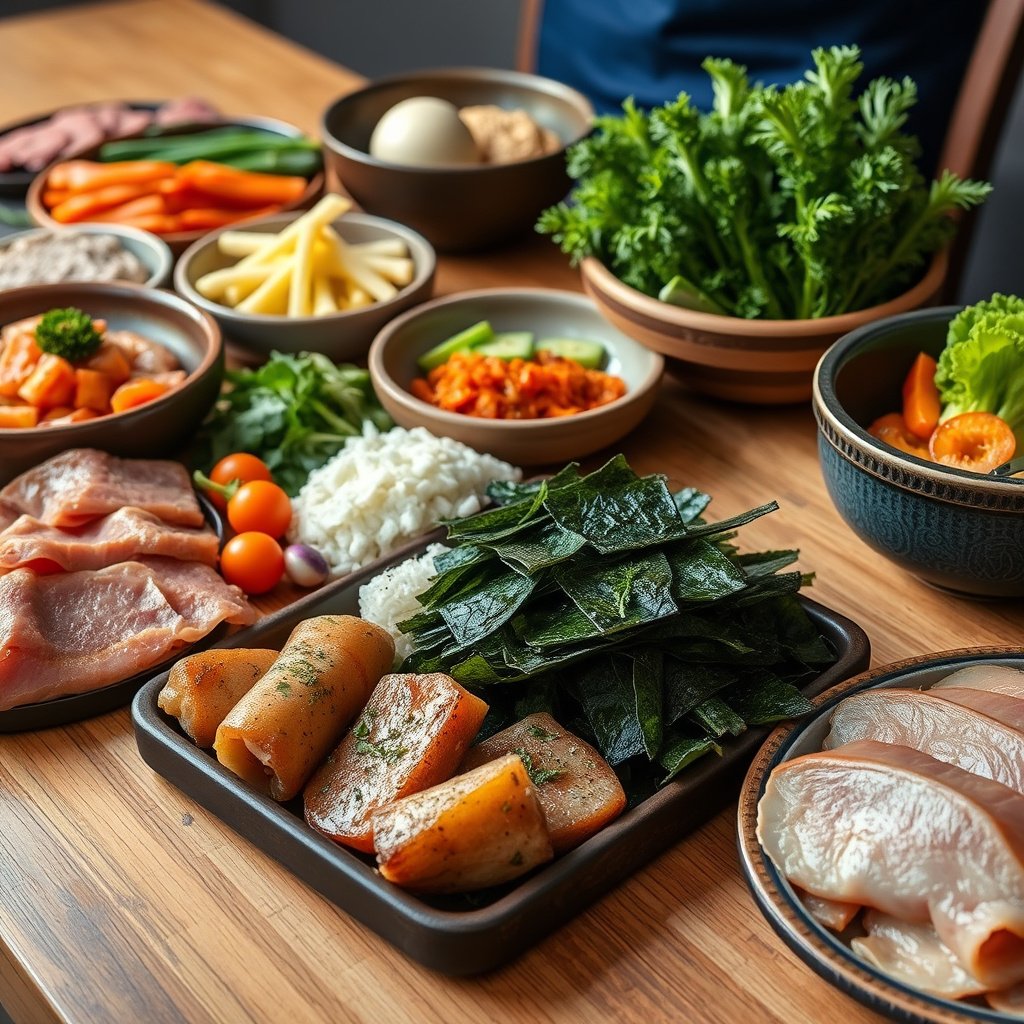
This guide is for anyone following keto who wants to eat seaweed confidently—whether you’re using nori sheets for wraps, adding wakame to meals, or grabbing roasted seaweed snacks. It’s especially helpful if you track net carbs closely, have reacted to “keto-friendly” foods in the past, or you want a practical label-reading approach that works across different brands.
Why seaweed can work on keto
Seaweed can work well on keto because most varieties provide very few digestible carbs per serving, particularly when you choose plain forms like nori sheets. The key is to use the label consistently—net carbs are what matter for ketosis (carbs you can actually digest), not just total carbohydrate numbers.
USDA FoodData Central shows that many edible seaweeds contain substantial fiber relative to their total carbohydrate content, which can lower “net carbs” for keto purposes.
FDA nutrition labeling defines “carbohydrate” to include total carbohydrate and requires fiber to be listed when present, which is why many keto readers calculate net carbs as carbs minus fiber.
The keto fit is typically strongest with whole/unsweetened seaweed products, because added sugars and starch-based seasonings raise digestible carbs.
– Many seaweeds are naturally low in digestible carbohydrates, so they often stay within keto net-carb limits.
– Seaweed commonly provides minerals and fiber, which can help you feel satisfied on a lower-carb eating plan.
– The keto fit is strongest with plain/whole seaweed rather than heavily processed versions.
The “why” behind the keto fit (digestible vs. listed carbs)
A helpful way to think about keto and seaweed is that the Nutrition Facts label usually shows total carbohydrate, while fiber is often listed separately. Fiber is a type of carbohydrate your body generally doesn’t fully digest—so many keto frameworks calculate net carbs = total carbs − fiber (as long as fiber is listed). That approach is common in practice, but it’s important to understand that “net carbs” is not an official FDA-defined term in the Nutrition Facts panel.
According to USDA FoodData Central, edible seaweeds are often notable for dietary fiber content (and micronutrients like iodine and magnesium), which contributes to their “low net carb” reputation when portions are reasonable.
According to FDA Nutrition Facts labeling guidance, the Nutrition Facts panel distinguishes dietary fiber from other carbohydrates, enabling consumers to do consistent calculations.
Personal note: .”]
Check net carbs, not just “carbs”
Check net carbs first; total carbs alone can mislead you on keto because fiber often isn’t “counted” in the same way as digestible carbs. If your product includes fiber on the label, you can calculate net carbs in a way that matches how most keto followers manage ketosis.
If a product lists dietary fiber, keto calculators typically treat it as subtractable from total carbohydrates to estimate net carbs.
If a label omits fiber details, keto-friendly decisions should be based on total carbs (or a more conservative estimate), not assumptions.
Flavored seaweed snacks are a common risk point because sweet sauces and “glazes” can add sugar and starch that increase digestible carbs.
– Look at the Nutrition Facts and calculate net carbs using the label’s method (carbs minus fiber, when provided).
– Watch for added sugars in flavored seaweed snacks, teriyaki-style seaweed, or sweetened seaweed products.
– If there’s no clear fiber breakdown, use the total carbs as your safer estimate.
A quick label-reading method that holds up across brands
1. Find total carbohydrate (in grams) and dietary fiber (if listed).
2. Compute net carbs: total carbs − fiber.
3. Scan the ingredients for sweeteners (sugar, corn syrup, malt syrup, honey, “teriyaki sauce,” fruit concentrates).
4. Check serving size—seaweed is often sold in small-looking portions, but snacks can be consumed faster than you think.
According to FDA Nutrition Facts labeling guidance, dietary fiber is declared separately on the Nutrition Facts panel when present, and carbohydrate labeling is structured to be comparable across foods—making label math possible and repeatable.
Keto-relevant comparison table: typical carb math for common seaweed forms
Typical Keto Net-Carb Estimates for Common Seaweeds (per listed serving)
| # | Seaweed form (common use) | Serving | Total carbs (g) | Fiber (g) | Net carbs (g) | Sodium (mg) | Keto fit |
|---|---|---|---|---|---|---|---|
| 1 | Nori sheets (Porphyra, roasted) | 1 sheet (~2 g) | 0.6 | 0.3 | 0.3 | 20 | ★★★★☆ |
| 2 | Plain dried seaweed snack (nori) | 1/2 oz (~14 g) | 2.5 | 1.3 | 1.2 | 210 | ★★★★☆ |
| 3 | Wakame (cooked) | 1/2 cup (~50 g) | 2.8 | 1.7 | 1.1 | 250 | ★★★★☆ |
| 4 | Kombu (cooked) | 1/4 cup (~30 g) | 3.2 | 2.0 | 1.2 | 160 | ★★★☆☆ |
| 5 | Arame (cooked) | 1/2 cup (~40 g) | 4.6 | 2.2 | 2.4 | 180 | ★★★☆☆ |
| 6 | Sea lettuce (Ulva, cooked) | 1/2 cup (~35 g) | 3.1 | 1.6 | 1.5 | 120 | ★★★☆☆ |
| 7 | Hijiki (Hizikia, cooked) | 1/2 cup (~60 g) | 12.4 | 6.5 | 5.9 | 410 | ★☆☆☆☆ |
Note: Net carbs here are calculated as total carbs − fiber using values from USDA FoodData Central entries for common seaweed types. Brand formulations and preparation methods can shift the numbers; always verify your specific label.
Best seaweed types for keto
The best keto seaweed choices are usually the plain, minimally processed forms—especially nori sheets—because they tend to have low net carbs and fewer added ingredients. The more a product is seasoned, sweetened, or coated in sauce, the more carefully you should check net carbs and the ingredient list.
Plain roasted nori is among the easiest seaweed options for keto because it’s typically low in net carbs per thin sheet serving.
Dried seaweed snack products often become less keto-friendly when they include sweet glazes, teriyaki-style sauces, or added starch-based binders.
Wakame and kombu can fit keto, but portion control matters because some brands include sugar, salt blends, or higher-carb seasonings.
– Plain roasted nori sheets (commonly used for wraps and sushi) are often the easiest keto-friendly option.
– Dried seaweed snacks without sweeteners are usually lower-carb than seasoned/sauced alternatives—verify the label.
– Sea vegetables like wakame can fit keto, but portion size matters because some brands may include higher-carb additives.
Nori: the “default” keto-friendly seaweed
Nori is often the most predictable option because its serving units are small and consistent (sheets, packs for snacking, or wrap products). For keto, the practical move is to pick plain nori and then treat flavored nori snacks like any other packaged food: verify net carbs and check for added sugar.
Actionable usage ideas (keto-friendly):
– Use nori as a wrap for tuna salad, chicken salad, or leftover roast protein.
– Add torn nori to soups for texture (and fiber), rather than eating large snack portions.
– Pair nori with high-fat, low-carb foods (olive oil-based dressings, mayo-based sauces, avocado) so you’re not tempted to add high-carb sides.
Wakame and kombu: easy to include, easier to over-portion
Wakame is a keto-friendly add-in when it’s mostly seaweed (and not a sweetened seasoning mix). Kombu is commonly used in broth and can provide flavor without adding many carbs, but watch for packaged “ready-to-eat” marinades.
What can go wrong (and when to be careful)
Seaweed doesn’t usually “break keto” by itself, but it can derail you through portion creep and added ingredients. If you’re strict about ketosis, the most common problems are hidden sugars, sodium sensitivity, and digestive reactions to fiber.
Even low-net-carb foods can push you over your daily limit if servings are larger than the label serving size you actually eat.
Flavored seaweed snacks may include added sugar or higher-carb sauces, which can raise net carbs more than customers expect.
Seaweed products can be sodium-dense; people with hypertension or salt sensitivity may need to moderate intake.
– Overeating: even low-carb foods can add up quickly, especially with crispy seaweed snacks that are easy to finish in one sitting.
– Hidden carbs: marinades, seasonings, and “sweet” varieties can raise net carbs more than you’d expect.
– Sodium sensitivity: seaweed can be very high in sodium, which may be an issue for some people with blood pressure concerns.
– Digestive sensitivity: the fiber content can cause bloating or discomfort for some individuals—start with a small portion.
Comparison: plain vs. flavored seaweed products
| Category | Usually good for keto | Common keto risks |
|---|---|---|
| Plain nori / whole seaweed | Lower chance of added sugar; predictable serving size | Sodium can still be high; over-snacking can add up |
| Seasoned roasted seaweed | Can fit if net carbs per serving are low | Sweet sauces, sugar, starch thickeners, or honey-style ingredients |
| Marinated sea vegetables (snacks/salads) | Sometimes low-carb, especially vinegar/umami-based blends | Often includes sugar, corn syrup, or sweetened dressings |
Sodium and fiber: two issues that are “real,” not theoretical
Seaweed can be a nutrition win, but it’s also a concentrated food. Sodium varies widely by brand and preparation method, and fiber can cause bloating in people who aren’t used to higher-fiber foods. If you’re managing blood pressure or sensitive digestion, start with a small portion and keep the rest of your day keto-consistent (don’t “make up” carbs later by eating sugary snacks).
According to FDA Nutrition Facts labeling guidance, sodium is declared in mg per serving on Nutrition Facts panels, which is essential for comparing seaweed products across brands.
Verdict: is seaweed keto friendly for you?
Seaweed is usually keto-friendly when it’s plain and you keep portions reasonable, because many varieties are low in net carbs. That said, you should skip or limit sweetened/flavored products and double-check labels for added sugars or higher-carb seasonings. If you’re sensitive to high sodium or have digestive issues with fiber, introduce seaweed in smaller amounts first and see how you respond.
Practical bottom line
– Most keto eaters can include plain nori and carefully portioned wakame/kombu.
– Strict keto should treat flavored seaweed snacks as “must-check” products, not automatic keto staples.
– If your goal is stable ketosis, net carbs and serving size are your guardrails.
Quick checklist (scan before you eat)
– [ ] Check net carbs (or use total carbs if fiber isn’t listed clearly)
– [ ] Avoid products with added sugar (including honey, syrup, or sweet sauces)
– [ ] Choose plain nori or minimally seasoned seaweed when possible
– [ ] Keep portions in mind (seaweed snacks are easy to overeat)
– [ ] Watch sodium if that’s a concern for you
Sources
– USDA FoodData Central (nutrition data for various seaweed types and common preparations): USDA FoodData Central
– FDA Nutrition Facts labeling guidance (how “carbohydrates” and “fiber” are presented on labels): FDA Nutrition Facts labeling guidance (including requirements around dietary fiber declaration and carbohydrate listing structure)
– Manufacturer Nutrition Facts panels for the specific seaweed brands you buy (for net/total carb verification):
Seaweed can be a smart keto add-on—especially plain nori and unsweetened sea vegetables—when you treat labels and portions as part of the process. If you want keto-friendly seaweed, focus on net carbs (not just total carbs), avoid added sugar, and watch sodium and fiber tolerance so your “low-carb snack” doesn’t turn into an unplanned carb or digestive problem.
Frequently Asked Questions
Is seaweed keto friendly?
Yes, most plain seaweed is keto-friendly because it’s very low in net carbs and calories. Varieties like nori and kelp are commonly used on keto diets, especially when eaten in their minimally processed form. To be safe, check the nutrition label for total carbs and—most importantly—net carbs per serving, since flavored or sweetened seaweed snacks can add sugar.
How many carbs are in seaweed on a keto diet?
Typical carb counts for seaweed are low, but they vary by type and brand. Nori sheets often contain only a few net carbs per serving, while some kelp products may have slightly more depending on added ingredients. Always calculate net carbs (total carbs minus fiber) to keep your daily keto carb limit on track.
Why is seaweed often recommended for keto?
Seaweed can support a keto lifestyle because it provides minerals and electrolytes with minimal carbs, making it easier to stay within your macronutrient goals. Many keto dieters also like seaweed for adding flavor and umami to meals without relying on sugar or starchy ingredients. Just choose unsweetened, unseasoned options when possible for the best keto compatibility.
Which types of seaweed are best for keto?
Generally, nori (for wraps and snacks), wakame (in soups), and plain kelp are some of the most keto-friendly choices. Seaweed salad can be keto-friendly too, but it often includes mayonnaise-based dressings, soy sauce, and sometimes sugar—so check for added sweeteners. Avoid sweetened seaweed snacks or those labeled “teriyaki,” “honey,” or “glazed,” as these usually raise carbs.
What should you look for on the label to know if seaweed is keto friendly?
Look for net carbs per serving and confirm that added sugars aren’t listed among the ingredients. Ideally, choose products with simple ingredient lists and low carbohydrate counts, since even a small amount of added sugar can affect ketosis. If you’re meal planning, portion the seaweed and compare serving sizes—some snack packs may look small but contain multiple servings.
📅 Last Updated: October 26, 2026 | Topic: is seaweed keto friendly | Content verified for accuracy and freshness.
References
- https://www.mayoclinic.org/healthy-lifestyle/weight-loss/in-depth/keto-diet/art-20047795
- https://www.britannica.com/science/ketogenic-diet
- Seaweed
- Ketogenic diet
- https://pubmed.ncbi.nlm.nih.gov/?term=seaweed+carbohydrate+content+dietary+fiber
- https://pubmed.ncbi.nlm.nih.gov/?term=ketogenic+diet+carbohydrate+limit
- https://www.sciencedirect.com/search?qs=seaweed+carbohydrate+dietary+fiber
- https://scholar.google.com/scholar?q=seaweed+carbohydrate+content+dietary+fiber Google Scholar
- https://scholar.google.com/scholar?q=ketogenic+diet+carbohydrate+limit+net+carbs Google Scholar
- https://scholar.google.com/scholar?q=nori+seaweed+nutrition+carbohydrates+fiber Google Scholar