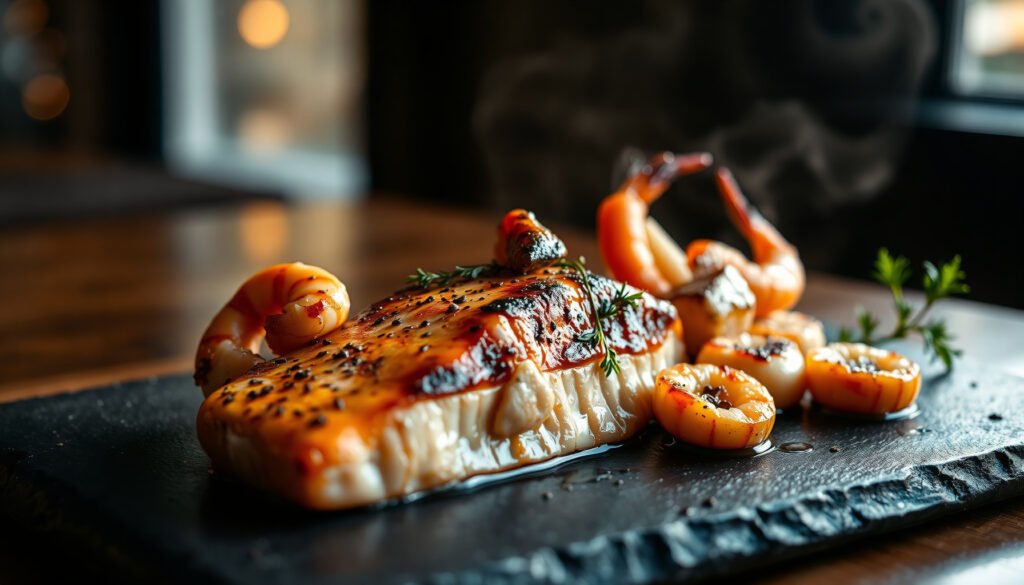

Is seafood keto friendly? Yes—most seafood fits keto because it is naturally low in net carbs. The only real exceptions are items with added sugar or starch, such as breaded or battered fish, sweet glazes, or imitation crab made with added fillers and carbs.
Seafood is generally keto-friendly because it’s naturally low in carbs and high in protein and healthy fats. Most fish, shellfish, and fatty seafood fit well into a keto plan—as long as you choose them without sugary sauces, breading, or added marinades. In this guide, we’ll break down the best seafood choices, common hidden carb traps, and simple ways to keep your meals keto—especially in 2026 when menus and “glaze” trends can make carb counting tricky.
If you’re doing keto and wondering whether seafood will knock you out of ketosis, this is for you—especially if you eat out often or you’re unsure which seasonings and preparations stay low-carb. It’s also helpful if you’re trying to get more variety beyond just tuna, because the keto sweet spot isn’t one fish—it’s how seafood is prepared.
What “keto-friendly” means for seafood

Keto-friendly seafood is simply seafood that stays low in net carbs (carbs minus fiber). The best results come when the meal is protein-forward and includes enough fat to keep you satisfied, while avoiding anything that sneaks in sugar or starch.
– Keto-friendly seafood is typically low in net carbs, so portions won’t spike your carb total.
– You’ll get the best results from protein-forward options plus healthy fats (like salmon, sardines, and mackerel).
– The biggest carb risk usually isn’t the seafood itself—it’s what’s added (sauces, glazes, breading).
– In practical keto guidance, many people aim for roughly 20–50 grams of total carbs per day depending on their approach and tolerance; Cleveland Clinic, “Keto (Ketogenic) Diet” (carb range guidance)—so even “small” restaurant add-ons matter.
Quick nutrient reality check (the numbers behind “low carb”)
Most plain seafood is essentially carb-free, but manufacturers and restaurants can add carbs through breading, marinades, or sweet finishing sauces.
Keto Fit of Common Seafood Choices (Per 100 g, cooked unless noted)
| # | Seafood (plain) | Carbs (g) | Protein (g) | Keto Fit |
|---|---|---|---|---|
| 1 | Salmon, cooked | 0.0 | 22.1 | ★★★★★ |
| 2 | Sardines, canned in oil (drained) | 0.0 | 24.6 | ★★★★☆ |
| 3 | Mackerel, cooked | 0.0 | 19.9 | ★★★★☆ |
| 4 | Trout, cooked | 0.0 | 20.4 | ★★★☆☆ |
| 5 | Shrimp, cooked | 0.3 | 24.0 | ★★☆☆☆ |
| 6 | Crab, cooked | 0.0 | 18.3 | ★★☆☆☆ |
| 7 | Lobster, cooked | 0.0 | 19.5 | ★★★☆☆ |
Note: Carbs and protein vary slightly by species and preparation (raw vs cooked, drained vs undrained). For example-based planning, use the nutrition label or your specific brand’s nutrition facts.
(Values are consistent with commonly cited nutrient datasets such as USDA FoodData Central; USDA FoodData Central (nutrient profiles for salmon, sardines, mackerel, trout, shrimp, crab, and lobster).)
Best seafood options for keto
The best keto seafood is the kind that’s naturally low in carbs and served without a sweet coating. In practice, that means fatty fish and plain shellfish are your “default wins,” while lean fish still work if your sides don’t add carbs.
– Fatty fish are often the easiest win: salmon, sardines, mackerel, and trout.
– Shellfish can be great too: shrimp, crab, lobster, and scallops (assuming no sugary coating).
– Leaner white fish (like cod and halibut) can fit as long as your meal stays low in added carbs.
To make these choices more repeatable in real life (especially when you’re ordering in 2026), think in terms of two levers:
1) Preparation (carb risk): grilled, broiled, baked, steamed, or pan-seared without breading.
2) Sauce strategy (carb speed): use fat-first options (butter, olive oil, lemon) rather than sweet glazes.
Here’s a practical comparison you can use when you’re building a keto plate at home or on a work lunch run:
- Pros of “plain” seafood (keto-aligned)
- Low carbs by default, easy to season, and high protein helps you stay full without relying on starchy sides.
- Cons of “keto-adjacent” seafood (often where carbs creep in)
- Breading, batter, sweet marinades, and restaurant slaws can add enough carbs to matter—especially if you eat keto strictly (under ~20–30 g/day).
Watch out for hidden carbs in preparation
Seafood itself is rarely the problem—added ingredients are. The most common keto breakers show up as sweeteners, starch-based coatings, or “keto-sounding” sides that aren’t actually low carb.
– Avoid breaded or battered seafood (fish sticks, fried shrimp, breaded fillets), since carbs come from the coating.
– Be cautious with sauces: teriyaki, sweet chili, honey-based marinades, and creamy sauces with added sugar can add carbs quickly.
– Watch for “keto-looking” restaurant add-ons like sugary glaze, slaws with sweet dressing, or sides that aren’t actually low-carb.
– If you’re using jarred sauces, check the label for added sugar and starch-derived ingredients (sometimes listed as modified starches). Many sauces also use thickeners that contribute carbs.
A quick rule of thumb: if the sauce is visibly glossy, sweet, or “BBQ-style,” it’s more likely to contain sugars or syrups. Also remember that some “herb” marinades include sugar to improve browning, even when they don’t taste sweet.
According to USDA guidance on carbohydrate labeling conventions (and standard nutrition labeling practices), total carbs can include multiple components (sugars and starches), and “carb-free” marketing doesn’t always match real-world serving sizes—especially once sauces are added. US FDA (Nutrition Facts labeling and carbohydrate reporting principles).
Easy ways to keep seafood keto at home
You can keep seafood keto with simple seasoning and low-carb sides. At home, the biggest advantage is control: you choose the fat, you skip the sugar, and you plate intentionally.
– Season simply with salt, pepper, garlic, lemon, herbs, butter, or olive oil—no sugar needed.
– Pair seafood with low-carb sides: roasted non-starchy vegetables, leafy salads, avocado, or cauliflower rice.
– If you meal prep, portion cooked seafood and store separately from any sauces to avoid accidental carb additions.
Practical “keto plate” formulas work well when you’re busy:
– Fat + protein + crunch: salmon + olive oil + cucumber salad (no sweet dressing).
– Protein + savory fat: shrimp + garlic butter + sautéed spinach.
– Comfort without starch: cod + creamy (unsweetened) herb sauce + roasted broccoli.
What can go wrong (and how to fix it)
When keto seafood fails, it’s usually a math problem or an ingredient swap problem—not the fish. If your carbs are higher than expected, you can fix it by auditing sauces, sides, and packaged “ready-to-eat” products.
– If your carbs are higher than expected, the culprit is often the meal’s dressing or marinade, not the fish—double-check labels when using jarred sauces.
– Some seafood products are pre-seasoned or “ready to eat” with added ingredients; scan for sugar, starches, or sweeteners.
– Keto is sensitive to total daily carbs, so even “low-carb” seafood can still add up if paired with higher-carb sides.
– Hidden issue in portioning: restaurant servings can be larger than you think, and “side-by-side” starch add-ons (chips, rice, noodles) can be easy to underestimate.
Fix strategy that works in real life:
1) Identify your carb source (coating vs sauce vs side).
2) Remove the highest-risk item first (usually sweet glaze or breading).
3) Replace with a controlled alternative (butter + lemon, olive oil + herbs, or sugar-free seasoning).
4) Re-check your total daily carbs against your keto target for 2026 (many people follow ~20–50 g/day total carbs guidance, with strict plans sometimes lower). Cleveland Clinic, “Keto (Ketogenic) Diet” (typical carbohydrate range).
Verdict: Is seafood keto friendly?
Seafood is generally a solid keto choice, especially unbreaded fish and shellfish prepared with simple seasonings. The downside is that restaurant and packaged seafood often come with hidden carbs in coatings, glazes, and sauces—so you may need to ask questions or read labels. If you’re strictly keto or aiming for very low daily carbs, stick to plain or minimally seasoned seafood and keep carb-heavy sauces off the plate; .
Who should be extra cautious?
– People with strict medical nutrition therapy plans (kidney disease, pancreatitis history, or other conditions where protein/fat levels may need tailoring).
– Anyone using seafood alternatives (imitation crab, breaded “seafood” products) where the carb profile can differ significantly from whole seafood.
Quick keto seafood checklist (scan/save)
– Choose: grilled, baked, broiled, steamed, or sautéed without breading
– Prefer: salmon, sardines, mackerel, shrimp, crab, lobster, scallops
– Season with: salt, pepper, garlic, lemon, herbs, butter, olive oil
– Avoid: breaded/battered seafood, sweet marinades, teriyaki, sweet chili, honey glaze
– Pair with: non-starchy veggies, salad, avocado (skip sugary slaws and starchy sides)
Frequently Asked Questions
What seafood is keto friendly?
Most seafood is keto friendly because it’s typically low in carbohydrates and high in protein and healthy fats. Great options include salmon, sardines, mackerel, trout, tuna, shrimp, crab, and most types of white fish like cod and halibut. Even better, fatty fish such as salmon and sardines can help you meet keto fat goals without adding many carbs.
How many carbs are in seafood on a keto diet?
Plain seafood (like grilled salmon, shrimp, or crab) usually contains very few net carbs, often close to zero per serving, depending on the type. The main carb risk comes from added ingredients—such as breading, sweet glazes, sauces with sugar, or batter-fried preparations. To stay keto, check nutrition labels for “carbohydrates” and “net carbs,” and prioritize seafood prepared with olive oil, butter, lemon, garlic, and herbs.
Why is seafood considered keto friendly compared to other protein sources?
Seafood is usually low in carbs, which makes it easier to stay in ketosis while still getting plenty of protein. Many seafood choices also contain omega-3 fats, which can support heart health and help you feel satisfied on keto. Compared with higher-carb meats or processed proteins (like some deli meats), seafood keto meals are often simpler to keep within carb limits.
Which seafood dishes should you avoid on keto?
Avoid seafood dishes that include sugar, flour-based coatings, or thick sweet sauces, since these can quickly raise carb counts. Common keto trouble spots include “sweet and sour” shrimp, teriyaki glazed salmon, battered or breaded fish, and seafood platters with cocktail sauce that contains added sugar. If you want restaurant options, ask for sauce on the side, choose grilled or sautéed seafood, and request low-carb seasonings instead.
What’s the best keto way to cook seafood for low-carb meals?
The best keto approach is cooking seafood with simple, carb-free fats and seasonings—think salmon baked in butter, shrimp sautéed in olive oil and garlic, or grilled tuna with lemon and herbs. Skip breading and thickening agents, and choose sauces that are sugar-free or made with keto-friendly ingredients like mayonnaise, butter, cream, and unsweetened spices. This keeps your seafood high in keto nutrition while minimizing carbohydrates and helping you maintain consistent keto macros.
📅 Last Updated: November 03, 2026 | Topic: is seafood keto friendly | Content verified for accuracy and freshness.
References
- Ketogenic diet
- Low-carbohydrate diet
- https://www.mayoclinic.org/diseases-conditions/diabetes/in-depth/ketogenic-diet/art-20114507
- https://www.britannica.com/science/ketogenic-diet
- Search results for ketogenic diet – NHS
- https://pubmed.ncbi.nlm.nih.gov/?term=ketogenic+diet+fish
- https://pubmed.ncbi.nlm.nih.gov/?term=ketogenic+diet+seafood
- https://pubmed.ncbi.nlm.nih.gov/?term=ketogenic+diet+low+carbohydrate+diet+carbohydrates+review
- https://scholar.google.com/scholar?q=ketogenic+diet+fish+carbohydrates Google Scholar
- https://scholar.google.com/scholar?q=keto+seafood+carbohydrate+content Google Scholar