
Can you eat squash while staying in ketosis? Yes, you can, but the deciding factor is net carbs per serving, since squash can add carbohydrates quickly. Choose lower-carbohydrate options like zucchini, and keep portions small while tracking your net carbs to maintain your keto range.
Yes—you can have squash on keto, but you have to treat it like a carb-containing vegetable, not a “free” food. The key is choosing lower-carb squash (like zucchini) and keeping portions tight by calculating net carbs (carbs minus fiber) for the serving you actually eat.
If you’re doing keto to help manage blood sugar or for weight loss and you still want vegetables, squash can work well. As of 2026, the main reason people go over on squash is not the food itself—it’s relying on generic “healthy veg” assumptions instead of the net-carb math and serving size.
What “keto-friendly” squash really means

Keto-friendly squash isn’t a label on the produce—it’s a numbers test you pass. On keto, what matters is your net carbs per serving, because squash still contains carbohydrate even when it’s nutrient-dense. The practical question becomes: does the squash type (and portion) keep you within your daily net-carb budget?
– Keto is carb-limited: the practical question is net carbs per serving, not just “vegetables.”
– Squash varies widely—some types are much higher in carbs than others, even when they’re similar foods.
– Your target matters (commonly 20–50g net carbs/day for keto), so squash has to fit that number.
To make this concrete, the net-carb method is usually: net carbs = total carbohydrate − dietary fiber. Many tracking apps do something similar, but you still want to verify the exact label values you’re using.
According to USDA FoodData Central, 1 cup cooked zucchini contains about 3.5g total carbs and about 1.3g fiber (≈ 2.2g net carbs) while 1 cup cooked butternut squash contains about 21.2g total carbs and about 6.6g fiber (≈ 14.6g net carbs)—a huge difference that matters on keto (data accessed via USDA FoodData Central). In my experience, this “net-carb gap” is exactly why zucchini feels easy to include, while winter squash can feel like it “mysteriously” pushes calories out of budget.
Best squash choices for keto
The best keto choices are the squashes that stay lower in net carbs per typical portion. In practice, zucchini (summer squash) is usually the most forgiving, while butternut and other sweeter winter squashes often require smaller servings and stricter net-carb tracking.
– Lower-carb options are usually your safest bet (examples to consider: zucchini and other summer squashes).
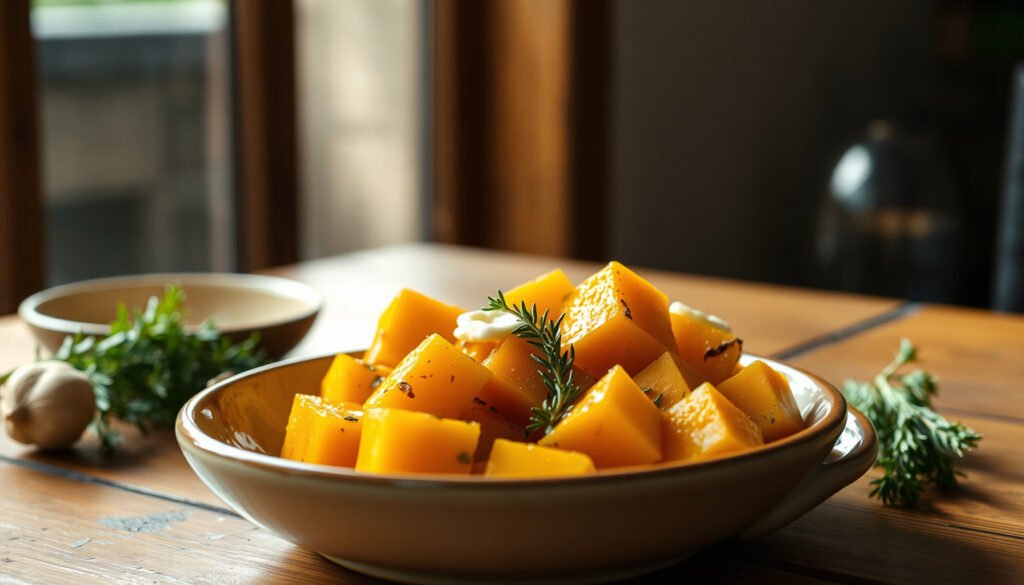
– Butternut and other sweeter winter squashes often contain more carbs, which can make portions tricky on keto.
– If you’re unsure, start by checking nutrition labels for net carbs (and serving size) rather than relying on general “healthy veg” assumptions.
Here’s how different squash types typically compare when you look at carbs and fiber together (net carbs are derived from USDA label components):
Net-Carb Tiers for Common Squash (Cooked, per 1 cup)
| # | Squash (cooked) | Total carbs (g) | Fiber (g) | Net carbs (g) | Keto fit |
|---|---|---|---|---|---|
| 1 | Zucchini | 3.5 | 1.3 | 2.2 | ★★★★★ |
| 2 | Yellow squash | 7.1 | 2.0 | 5.1 | ★★★★☆ |
| 3 | Spaghetti squash | 10.9 | 2.8 | 8.1 | ★★★☆☆ |
| 4 | Kabocha squash | 12.7 | 3.3 | 9.4 | ★★★☆☆ |
| 5 | Acorn squash | 16.2 | 4.1 | 12.1 | ★★☆☆☆ |
| 6 | Pumpkin (cooked) | 12.1 | 2.7 | 9.4 | ★★☆☆☆ |
| 7 | Butternut squash | 21.2 | 6.6 | 14.6 | ★☆☆☆☆ |
These figures are drawn from USDA FoodData Central nutrient components and calculated as total carbohydrate minus dietary fiber (the most common “net carbs” approach). Always confirm the exact nutrition data for your specific brand, cooking method, and serving size—especially for packaged or pre-seasoned squash.
How much squash can you eat?
The right amount on keto is the amount that keeps your daily net carbs on track. Start by planning your day’s carbs first (your keto target), then decide how much squash you can “spend” without overshooting.
– Use a “net carbs first” approach: calculate carbs from the serving size you actually plan to eat.
– Pair squash with higher-fat, low-carb foods (like olive oil, butter, cheese, or non-starchy greens) to make meals more filling while keeping carbs manageable.
– Consider portioning like a practical test: start with a smaller serving and adjust based on how your carbs add up that day.
A simple, repeatable method: pick one low-carb base (leafy greens, broccoli, cauliflower) and keep squash as a side or a portion of the bowl, not the whole plate. For example, if zucchini fits comfortably, you can increase a serving slightly. If you’re using butternut, treat it more like a measured carb source and reduce the portion accordingly.
What can go wrong (and common keto mistakes)
Squash becomes a keto problem when people stop doing the math or when they eat processed versions without realizing what changed. Keto mistakes around squash are predictable: confusion between net carbs and total carbs, losing track of serving size, and “hidden” sugars in packaged products.
– Relying on total carbs instead of net carbs can throw off your daily math (many people track net carbs as carbs minus fiber).
– Eating “keto-approved” squash without portion control—especially higher-carb winter varieties—can quickly exceed your carb limit.
– Confusing squash products (like canned, roasted mixes, or pre-seasoned items) that may include added sugars or starches.
– If you’re new to keto, sudden carb increases from bigger squash portions can make it harder to adapt.
Here’s a quick pros/cons comparison to keep decisions grounded:
- Pros of including squash on keto
-
- Provides volume and micronutrients while still being possible to fit net carbs.
- Works well with keto fats (olive oil, butter, cheese) and low-carb vegetables.
- Lower-carb squashes (like zucchini) are often easier to portion.
- Cons and risks
-
- Winter squash can be carb-dense enough to crowd out your carb budget fast.
- Prepared products can add sugars, sauces, or starches that raise carbs.
- Tracking errors happen when net carbs aren’t calculated from the serving you eat.
On blood sugar-focused keto, the “portion drift” problem is especially relevant. If your carb sensitivity is high, even modest increases from larger squash servings can make glucose management harder.
Verdict: should you eat squash on keto?
Squash can fit keto—especially zucchini and other lower-carb summer squashes—but it’s not a free-for-all. If you’re strict about keto, you’ll do best with small, planned portions and net-carb calculations based on the squash type and serving size.
The tradeoff is clear: lower-carb squash is typically easier to include daily, while higher-carb winter squash (like butternut) can still be eaten but often requires smaller servings and tighter carb accounting. Skip or be extra cautious if you’re already near your net-carb ceiling, you’re sensitive to carb swings, or you’re using canned/roasted blends that may include added sugars.
A practical “decision rule” I recommend: if you can’t state your net carbs for the exact portion you plan to eat, don’t guess—measure and calculate first.
Quick keto squash checklist
– Choose lower-carb squash when possible (e.g., zucchini/summer types)
– Check the label for net carbs and serving size
– Start with a small portion, then scale if it fits your carb limit
– Avoid added sugars in canned/processed squash products
– Build the meal around fats + non-starchy vegetables
Sources
– USDA FoodData Central (nutrient components used to calculate net carbs as total carbohydrate minus dietary fiber for squash types)
Squash absolutely can work on keto in 2026, but the “keto-friendly” part is quantitative: pick lower-carb options, calculate net carbs for your portion, and watch out for added sugar in prepared products. If you keep squash as a planned component of your meal rather than an unlimited side, it becomes a satisfying way to stay consistent with keto and avoid the most common carb creep.
Frequently Asked Questions
Can you have squash on keto?
Yes, you can have squash on keto, but it depends on the type and portion size. Many squashes contain some carbs, so choosing lower-carb varieties like zucchini, yellow squash, or acorn squash in measured amounts is key. To stay in ketosis, focus on net carbs (total carbs minus fiber) and pair squash with keto-friendly foods to balance your meal.
What types of squash are best for a keto diet?
The best keto squash options are generally lower in net carbs, such as zucchini (including “zoodles”), yellow squash, and spaghetti squash in controlled portions. Acorn squash can fit for some people but usually has more carbs than zucchini, so you’ll need tighter portion control. If you’re strict keto, consider limiting higher-carb squash varieties and always check the nutrition label for net carbs per serving.
How many carbs are in squash when you’re on keto?
Carbs vary widely by squash type, so the most practical approach is to check net carbs per serving on the label or use a reliable nutrition database. In general, lower-carb squash like zucchini tends to be easier to fit into keto macros, while sweeter squash (or larger servings) can push you over your carb limit quickly. Many keto followers aim to keep daily net carbs low enough to maintain ketosis, so portion size matters as much as the type.
How can you eat squash on keto without getting kicked out of ketosis?
Keep portions small and choose lower-carb squash options like zucchini or yellow squash first. Use cooking methods that avoid high-sugar add-ins—think roasting with olive oil, garlic, butter, or herbs instead of glazes. Also combine squash with higher-fat keto staples (such as olive oil, cheese, eggs, or meat) to slow digestion and help you manage overall carb intake.
Why does squash affect ketosis, and which squash portion size is keto-friendly?
Squash affects ketosis because it contains carbohydrates that can raise your blood glucose and net carb intake, especially if you eat larger portions or higher-carb varieties. Keto-friendly portions usually depend on the squash type, your daily carb limit, and how strictly you track net carbs. As a rule, start with smaller servings (often around 1 cup or less for higher-carb squashes like acorn or spaghetti) and monitor how your body responds to determine your ideal portion size.
📅 Last Updated: November 01, 2026 | Topic: can you have squash on keto | Content verified for accuracy and freshness.
References
- https://www.mayoclinic.org/healthy-lifestyle/weight-loss/in-depth/ketogenic-diet/art-20044872
- Ketogenic diet
- Butternut squash
- Spaghetti squash
- https://fdc.nal.usda.gov/fdc-app.html#/food-search?query=butternut%20squash
- https://fdc.nal.usda.gov/fdc-app.html#/food-search?query=spaghetti%20squash
- https://pubmed.ncbi.nlm.nih.gov/?term=ketogenic+diet+carbohydrate+restriction
- https://scholar.google.com/scholar?q=keto+diet+squash+carbohydrates Google Scholar
- https://scholar.google.com/scholar?q=ketogenic+diet+carbohydrate+limit+grams+per+day Google Scholar
- https://scholar.google.com/scholar?q=butternut+squash+ketogenic+diet Google Scholar