

If you are asking “is ramen keto?” it is likely because your usual bowl is leaving you over your carb limit or knocking you out of ketosis. That usually happens when ramen noodles and hidden sweeteners in broth raise net carbs fast, even before you add toppings. The good news is you can still enjoy ramen with a few targeted swaps—how to spot the keto-proof parts and fix your bowl is below.
Yes—ramen can fit a keto diet, but most regular ramen isn’t keto-friendly because it’s typically high in carbs. To make it keto, you’ll need a low-carb noodle swap (or a very specific keto ramen option) and a broth that doesn’t contain hidden sugar or starches. This guide will show what to check on labels and how to build a lower-carb ramen bowl at home.
If you’re doing keto for weight loss, blood sugar control, or general carb restriction, this matters because ramen is usually the “fast meal” that can quietly break your macros. Use this if you’re craving ramen but want to stay consistent with keto limits.
What “keto-friendly ramen” actually means
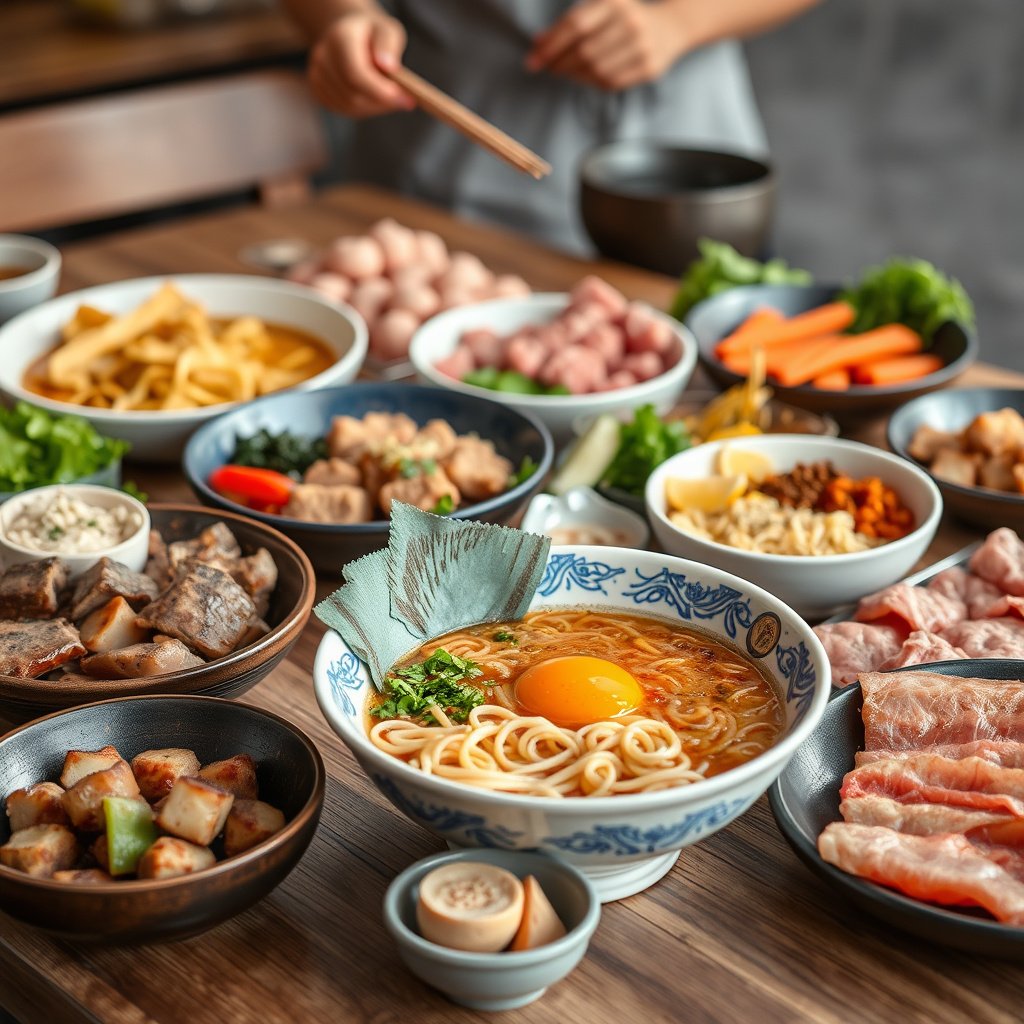
Keto-friendly ramen is not just “savory.” It’s a bowl where carbs stay low enough that your daily keto target (commonly ~20–50 grams of net carbs per day) isn’t blown by noodles, seasoning, or sweetened toppings. According to a clinical review in the Nutrition Reviews literature describing ketogenic carbohydrate restriction, many ketogenic approaches keep carbohydrates in that ~20–50 g/day range (Nutrition Reviews (published research; ketogenic dietary patterns), 2019).
On labels and in recipes, the two biggest carb drivers are the noodles and the flavor system (broth + seasoning packet). “Net carbs” typically means total carbohydrates minus fiber; however, brands don’t always calculate it consistently, so check both total carbs and fiber when possible. For example, a wheat-based ramen serving often carries a large carbohydrate load even if it doesn’t taste sweet. According to USDA FoodData Central data on cooked wheat noodle products, carbohydrate totals can easily land in the ~40 g per serving neighborhood (USDA FoodData Central, 2024)—enough to push many people out of ketosis with just one bowl.
Why most ramen fails keto
Most ramen fails keto because the noodle base is usually wheat, and the “seasoning packet” is designed for flavor first—not carbohydrate control. Even if the broth seems simple, the ingredients may include sugar, malt, starches, or sweetened concentrates that add grams of carbs you don’t expect.
Here are the common reasons your bowl overshoots:
– Wheat-based noodles: Ramen noodles made from wheat flour are generally high in carbs, even when the dish is “just broth + noodles.”
– Seasoning packets: Some packets include sweeteners (like sugar or maltose) and thickening ingredients (like starches) that raise carbs beyond what people assume.
– Toppings and sauces: Corn, sweet chili, teriyaki-style glazes, and certain pickled add-ins can add enough carbs to tip you over your daily limit.
From a label-reading standpoint, the key is to stop thinking “ramen = broth.” In practice, keto ramen is only keto when all three components work: noodles, broth/seasoning, and toppings.
How to make ramen keto (without losing the vibe)
Keto ramen still delivers the comfort and aroma you want—when you swap the carb-heavy parts and keep the broth clean. The easiest approach is to replace the wheat noodles with a low-carb noodle alternative and then build the flavor from a broth that stays low in sugar and starch.
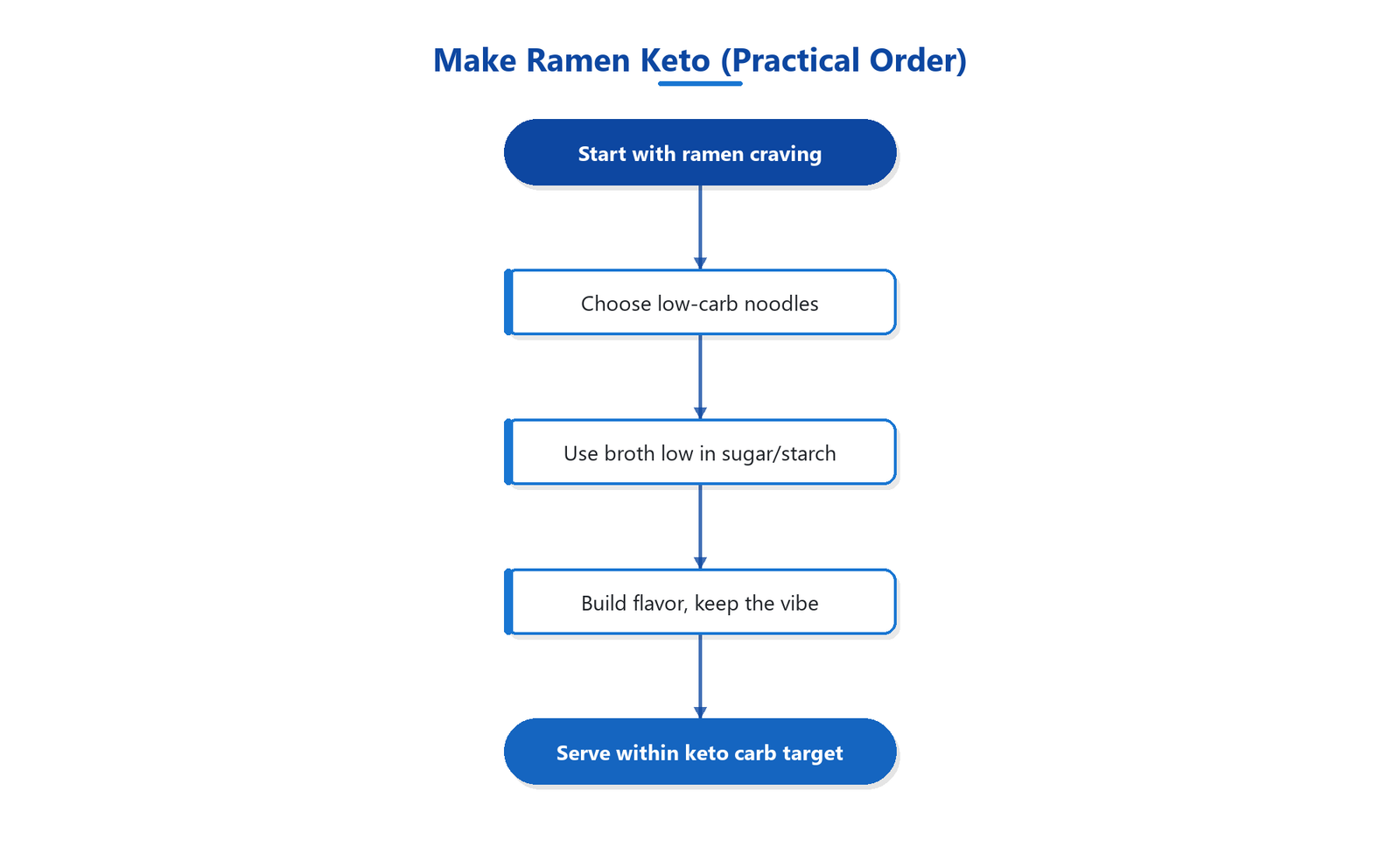
How to make ramen keto in a practical order
1. Choose low-carb noodles
– Look for products labeled keto, low carb, or konjac/shirataki-based.
– If you’re using alternatives like zucchini or cabbage noodles, check nutrition if you’re buying pre-cut items; homemade is straightforward but portion sizes matter.
2. Build your broth carefully
– Use broth or stock that has zero added sugar (or a nutrition panel that clearly shows low carbs).
– If you use a seasoning packet, inspect ingredients for sweeteners and starch-thickeners. Many “instant ramen” packets aren’t designed to be keto.
3. Pick keto toppings
– Go protein-forward: chicken, beef, pork, shrimp, or tofu (only if it fits your macro goals).
– Add low-carb vegetables: bok choy, spinach, mushrooms, and zucchini.
– Skip or reduce high-carb garnishes: corn, glazed toppings, sweet chili sauce, and teriyaki-style drizzles.
Quick reality check for portions
Even when a noodle swap is low carb, portion size can still matter. If you eat “keto noodles” plus extra sides (breaded protein, sweet sauce, or a high-carb veggie), one bowl can quietly add up faster than you expect—especially in 2026, when many packaged “health” noodles have wider nutrition variation than people assume.
Label checklist before you buy or cook
Before you buy or cook, confirm carbs at the component level: noodles, broth/seasoning, and any included toppings. This checklist is the difference between a bowl that supports keto and one that breaks it.
– Noodles: check net carbs per serving (or total carbs if net carbs aren’t listed). Also review fiber, since it’s often doing the “net carbs” math.
– Seasoning packet/broth: look for sugar and starch ingredients; confirm carb totals stay low. Don’t rely on “savory” flavor alone—ingredients do the damage.
– Extras (toppings/sauces): verify toppings/sauces (especially “flavored” oil blends) don’t add carbs through sweeteners or starches.
Estimated Net Carbs in Common Keto Ramen Noodle Swaps (per cooked serving)
| # | Noodle option | Estimated net carbs (g) | Broth compatibility | Keto fit |
|---|---|---|---|---|
| 1 | Wheat ramen noodles (typical bowl serving) | 40–45 | High | ★☆☆☆☆ |
| 2 | Instant ramen noodles (without counting toppings) | 35–45 | Very high | ★★☆☆☆ |
| 3 | Shirataki/konjac ramen noodles | 0–3 | High (after rinsing) | ★★★★☆ |
| 4 | Low-carb egg-based noodles (varies by brand) | 5–15 | Medium | ★★★☆☆ |
| 5 | Zucchini noodles (homemade portion) | 2–7 | High (gentle heat) | ★★★★☆ |
| 6 | Heart of palm “noodles” (packaged) | 3–8 | Medium–High | ★★★☆☆ |
| 7 | Cabbage noodles (lightly cooked) | 2–6 | Medium | ★★★★☆ |
Note: net carb values vary by brand and serving size, and your keto ramen outcome depends on both the noodle product and the exact toppings you add.
What can go wrong (common keto ramen mistakes)
Keto ramen goes off track most often when people optimize one part (usually noodles) and ignore the rest (seasoning, toppings, and portion size). In 2026, packaged “healthy” ramen alternatives are more common, and nutrition labels can differ meaningfully—so you still have to verify carbs each time.
Common mistakes to watch for:– Relying on “no sugar listed” alone: Starch ingredients can still raise carbs even if added sugar isn’t obvious.
– Low-carb noodles + high-carb toppings: Corn, sweet chili, teriyaki-style glazes, and breaded garnishes can undo the noodle swap.
– Ignoring portion size: “Keto noodles” can still exceed your daily carb target if you eat a full serving and add a carb side.
– Assuming restaurant ramen is keto: Restaurant broth often has hidden sugars (and sometimes thickening starches), and restaurant noodles may not be what you think.
If you’re tracking ketosis with blood ketone meters or urine strips, treat keto ramen as a variable. The same bowl can land differently based on broth ingredients and how much seasoning packet you use.
Also: if you have diabetes or take glucose-lowering medication, keep carb changes consistent and discuss keto ramen swaps with your clinician—carb timing can matter for medication adjustments.
Verdict: Is it worth it?
Keto ramen is worth it for many people—because it satisfies cravings while keeping your macro discipline intact—but only if you control carbs from noodles, broth, and toppings. If you’re strict about keto or sensitive to small carb spikes, don’t assume “ramen” is automatically compatible; check labels and build intentionally.
Pros of keto ramen:
– You can keep the ramen experience (broth, heat, umami) while reducing carbs substantially.
– You can customize protein and vegetables to support satiety.
– It’s easier to hit your macros when you control seasoning and noodle portions.
Cons and limitations:
– Most store-bought ramen kits (including many “light” versions) aren’t reliably keto.
– Some low-carb noodles can have a different texture or require rinsing to reduce odor.
– Restaurant keto ramen is harder to verify without ingredient transparency.
If you can’t reliably read nutrition labels or you frequently eat ramen without ingredient disclosure, skip the keto ramen experiment and choose a different keto-friendly meal pattern.
Noodle swap comparison (at a glance)
| Feature (what you feel in the bowl) | Shirataki/konjac | Zucchini/cabbage | Egg-based low-carb noodles |
|---|---|---|---|
| Net carb impact | Very low (often ~0–3 g) | Low (often ~2–7 g) | Moderate (often ~5–15 g) |
| Broth absorption | High after cooking | Medium | Medium–High |
| Texture (chew) | Neutral to chewy | Tender, softens quickly | Closer to wheat-like chew |
| Cooking time | Fast (minutes) | Very fast; don’t overcook | Usually quick |
| Rinsing step | Often recommended | Not typically needed | Usually not required |
| Broth thickening (risk) | Low (depends on broth) | Low to medium | Low to medium |
| Portion flexibility | Higher (stays low-carb) | Medium (veg volume adds up) | Medium (check label) |
| Flavor neutrality | Good canvas for umami | Light vegetable flavor | Can be slightly egg-forward |
| Budget stability | Often cost-effective | Budget-friendly if homemade | Can be pricier |
| Consistency for keto macros | High (if label is consistent) | Medium (portion variability) | Medium (brand variability) |
| Best for | Classic ramen vibe with lowest carbs | Fresh, lighter bowls | Texture closest to wheat noodles |
Keto ramen scan checklist (quick save)
– [ ] Noodles: low net carbs per serving
– [ ] Broth/seasoning: low carbs, no added sugar or carb-heavy thickeners
– [ ] Toppings: low-carb veggies + protein, avoid sweet sauces/glazes
– [ ] Portion: keep the serving size within your keto target
– [ ] Total carbs: fits your daily allowance
| Instant ramen vs. keto ramen (built at home) | Typical instant ramen | Keto ramen (label-checked) |
|---|---|---|
| Carb load from noodles | High (wheat) | Low (swap) |
| Carb risk from seasoning packet | Often includes sweeteners/starches | Checked for sugar/thickeners |
| Toppings control | Limited and often pre-chosen | Protein + low-carb veggies |
| Macro predictability | Lower | Higher |
| Broth ingredient transparency | Varies; may be harder to adjust | Adjustable (use label/recipe) |
| Keto tolerance | Often breaks daily limits | More likely to fit |
| Portion flexibility | Usually fixed serving | You control servings |
| Sodium impact | Often high | Can be moderated by broth choice |
| Best use case | Occasional (not strict keto) | Planned keto meal |
| How easy it is to stay keto | Low | High |
| Verdict | Usually not keto | Doable when built correctly |
Frequently Asked Questions
Is ramen keto-friendly?
Traditional ramen is usually not keto-friendly because it’s made with wheat noodles and often includes sugary seasoning, which can push carbs well above keto limits. A typical serving can contain a significant amount of net carbs from the noodles alone. If you want ramen on a keto diet, you’ll need low-carb noodles and check the ingredients in the broth and seasoning packet.
How many carbs are in ramen noodles, and will they kick you out of ketosis?
The carb count in ramen depends on the type of noodles and portion size, but regular wheat ramen noodles are typically high in net carbs. Even one standard serving can exceed the daily carb limit for many keto dieters (often 20–50 grams net carbs/day). To stay in ketosis, you generally need much lower-carb noodle options and smaller portions, plus keto-friendly toppings.
Why is packaged ramen seasoning often not keto?
Many ramen seasoning packets contain sugar or other carbohydrate-containing ingredients, which can add up quickly. Some also include starches or flavor enhancers that may not fit a strict low-carb plan. Always review the nutrition label and ingredient list for hidden carbs before assuming a ramen broth is keto.
Which ramen styles are the best for keto—shoyu, miso, or tonkotsu?
The “best” keto ramen style usually depends more on the carb content of the noodles and the broth ingredients than on the flavor name. Tonkotsu and shoyu can be workable if the broth is low in sugar and you use low-carb noodles, but miso ramen may be higher in carbs due to miso and added sugars in some mixes. Look for broth with minimal carbs, then build your bowl with keto-friendly toppings like pork belly, eggs, mushrooms, and leafy greens.
What’s the best way to make keto ramen at home?
Start with keto-approved noodles such as shirataki (konjac) noodles, zucchini noodles, or low-carb noodle products designed for keto. Use a broth base without added sugar—either homemade stock or a low-carb store-bought broth—and season with salt, pepper, garlic, and a keto-friendly soy sauce or tamari. For toppings, add high-fat, low-carb options like chashu pork, butter or sesame oil, soft-boiled eggs, and non-starchy vegetables to keep ramen satisfying while staying keto.
📅 Last Updated: October 31, 2026 | Topic: is ramen keto | Content verified for accuracy and freshness.
References
- https://www.mayoclinic.org/diseases-conditions/diabetes/in-depth/ketogenic-diet/art-20176318
- Ketogenic diet
- Ramen
- Instant noodles
- https://pubmed.ncbi.nlm.nih.gov/?term=ketogenic+diet+carbohydrate+intake
- https://pubmed.ncbi.nlm.nih.gov/?term=instant+noodles+carbohydrate+content
- https://pubmed.ncbi.nlm.nih.gov/?term=instant+noodles+glycemic+index
- https://scholar.google.com/scholar?q=ramen+noodles+keto Google Scholar
- https://scholar.google.com/scholar?q=instant+noodles+carbohydrate+content+nutrition Google Scholar
- https://scholar.google.com/scholar?q=ketogenic+diet+carbohydrate+limit+net+carbs Google Scholar