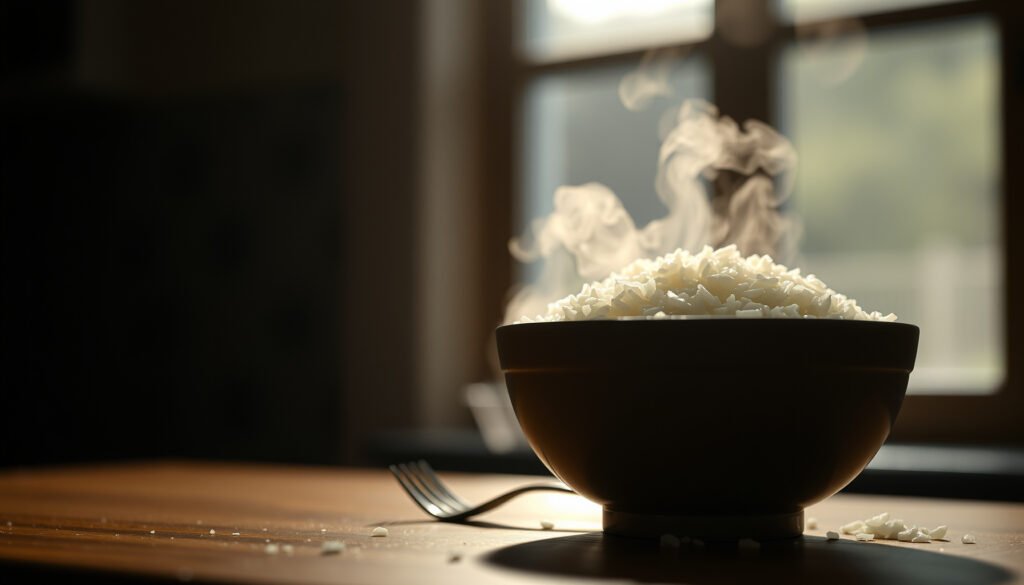

You’re spooning a serving of rice next to dinner, and the honest answer is that rice is not keto diet friendly. Rice is high in carbohydrates, and those carbs quickly push you past the very low net-carb limit that keto requires to maintain ketosis.
Rice is generally not keto-friendly because it’s high in carbohydrates, which can quickly kick you out of ketosis. If you want keto benefits, you’ll usually need to keep rice out of your regular rotation and choose lower-carb alternatives instead—especially in 2026, when many “keto” products still hide carb counts in sauces and blends. In this guide, we’ll break down how rice affects carbs and what you can do if you still crave that “rice-like” texture.
If you’re following keto (or trying to start) and wondering whether rice fits, this is for you—especially if you’ve seen conflicting claims about “net carbs” or “small portions.” We’ll focus on practical carb limits and swaps rather than guesswork.
If you’re doing keto for metabolic health, weight management, or glucose control, you’re probably tracking carbs closely—and rice is one of the first foods that reliably complicates that plan. This is also relevant if you’ve noticed that your ketone levels drop after meals that seem “reasonable,” because rice portions often add up faster than you’d expect.
Why Rice Isn’t Keto-Friendly

Rice doesn’t work well for keto because it delivers mostly digestible starch carbs with very little fiber to “buffer” the carb load. In other words: even when rice fits your taste preferences, it often conflicts with keto’s core goal—keeping carbohydrates low enough to maintain ketosis.
– Rice is carb-heavy, so even moderate portions can add up fast.
– Keto success depends on keeping carbs low enough to maintain ketosis.
– Different rice types (white, brown, jasmine, etc.) vary slightly, but they don’t change the overall carb problem.
What keto requires (and why rice is a mismatch)
Keto is built around nutritional ketosis, where your body shifts toward using fat for fuel rather than relying on glucose. According to the International Society of Sports Nutrition (ISSN), nutritional ketosis is generally defined as blood ketones around ≥0.5 mmol/L (2019). Maintaining that state typically requires staying within a tight daily carb allowance.
For many people, that daily limit is roughly 20–50 grams of net carbs/day, depending on goals and how sensitive they are to carbohydrate intake. According to the Mayo Clinic, ketogenic diets commonly restrict carbohydrate intake to about 20–50 g/day (2024). Rice—whether white, brown, jasmine, or basmati—tends to be high enough in starch that it uses up that allowance quickly.
Rice’s “silent problem”: it’s low in fiber
Rice can be filling, but it’s not particularly fiber-dense. On keto, fiber matters because it can reduce “effective” carbohydrate impact for some people and supports gut health while you reduce grains. With rice, that fiber benefit is limited—so your carbs mostly come from quickly digested starch rather than slowly processed fiber.
Carbs, Ketosis, and “Net Carbs” Reality Check
Rice can’t escape keto math: even when you look at “net carbs,” rice doesn’t give you much fiber to offset the carbohydrate content. For that reason, “net carbs” often becomes a misleading comfort blanket when rice is involved.
– “Net carbs” (carbs minus fiber) can be helpful, but rice doesn’t have much fiber to offset carbs.
– The key issue is that rice contains mostly digestible carbs, which raise blood sugar and insulin.
– If you’re tracking, rice typically uses up a big chunk of your daily keto carb allowance quickly.
A practical way to see the problem
A common reason rice feels “hard to manage” on keto is that one normal serving can exceed keto targets on its own. For example, 1 cup cooked white rice (~158 g) contains about 44.5 g total carbohydrate and roughly 0.6 g fiber, which is about ~43.9 g net carbs. According to USDA FoodData Central, these values are consistent with cooked long-grain white rice nutrition data (2024).
That’s why “small portions” can still derail keto: if your daily allowance is 20–30 g net carbs, rice can overshoot immediately—even before you add common keto meal companions like sauces.
Carb Load: Rice vs. Keto-Friendly “Rice” Swaps (per 100g prepared)
| # | Food (prepared form) | Total carbs (g) | Fiber (g) | Net carbs est. (g) | Keto fit |
|---|---|---|---|---|---|
| 1 | White rice, cooked (long-grain) | 28.2 | 0.4 | 27.8 | ★ ★ ☆ ☆ ☆ |
| 2 | Brown rice, cooked | 23.5 | 1.8 | 21.7 | ★ ★ ☆ ☆ ☆ |
| 3 | Jasmine rice, cooked | 28.2 | 0.4 | 27.8 | ★ ★ ☆ ☆ ☆ |
| 4 | Basmati rice, cooked | 28.6 | 0.4 | 28.2 | ★ ★ ☆ ☆ ☆ |
| 5 | Wild rice, cooked | 21.4 | 1.8 | 19.6 | ★ ★ ★ ☆ ☆ |
| 6 | Cauliflower rice, prepared | 3.8 | 1.7 | 2.1 | ★ ★ ★ ★ ☆ |
| 7 | Shirataki “rice,” prepared | 1.0 | 0.0 | 1.0 | ★ ★ ★ ★ ★ |
Why “net carbs” can still fall short with rice
Even when you subtract fiber, rice’s carbs are still glucose-producing starch. That matters because keto isn’t only about arithmetic—it’s also about what happens after digestion. Rice can raise blood sugar and insulin for many people, which makes reaching or holding ketosis harder.
In practical keto terms, when you eat rice, you’re not just eating a small “carb number.” You’re often eating a concentrated dose of carbs that tends to be absorbed quickly. That’s why, in 2026, the most reliable approach remains swapping rice for lower-carb substitutes rather than trying to “game” net carbs.
Portion Size: Can You Make Rice “Fit” Keto?
Rice can sometimes fit keto only if you treat it as a rare, carefully tracked exception—not a repeatable staple. If you’re aiming for consistent ketosis, typical rice portions are the problem, not your willpower.
– It’s usually hard to stay within keto carb targets while eating typical rice portions.
– Some people attempt very small servings, but results vary and it’s easy to overshoot.
– If you do experiment, the most reliable approach is tracking carbs consistently and watching your ketone response.
The serving math: why “a little rice” adds up
If your keto target is, for example, 25 g net carbs/day, then a normal rice serving may already exceed your daily total. Using the same USDA-backed example above, 1 cup cooked white rice can be ~43.9 g net carbs, which is nearly double that target.
Brown rice is less aggressive than white rice per cup, but it’s still usually too carb-dense for keto. Wild rice can sound “healthier” because it’s less processed, but it still behaves like a grain: it contains enough carbs that portion control becomes a constant job, not a one-time decision.
If you still want to try rice (with guardrails)
If you decide to test rice anyway, the safest method is still tracking and observing your personal response. Consider:
– Choose one rice type and portion, not “whatever’s on your plate.”
– Pair rice with low-carb vegetables and protein so the meal doesn’t become layered with extra carbs.
– Track both total carbs and fiber, because some packaged foods use different fiber assumptions.
Better Keto Alternatives to Rice
Rice doesn’t have to be your “texture loss.” When you replace rice with lower-carb substitutes, you keep the culinary experience (steamy grains, stir-fry base, burrito-bowl feel) without paying the same carb cost.
– Look for cauliflower rice (or other vegetable-based “rice” substitutes) to keep carbs lower.
– Shirataki rice is another common option due to its low carb profile.
– Some “low-carb rice” products exist, but check labels closely—some are higher in carbs than they appear.
Substitutes that actually align with keto carbs
In 2026, cauliflower rice and shirataki rice are still the most common options because their carbohydrate profiles are dramatically lower than grain rice. But not all “rice-like” products are equal, so checking the label is still non-negotiable for rice eaters who want keto consistency.
| Option | Pros for keto | Trade-offs to expect |
|---|---|---|
| Cauliflower rice | Low net carbs; easy to find fresh or frozen; works in most rice dishes | Texture can be softer; may need seasoning to match “rice” flavor |
| Shirataki “rice” | Very low carb count; stays keto-friendly even in moderate portions | Taste/texture can be less familiar; requires rinsing and proper preparation |
| Low-carb packaged “rice” | Convenient; sometimes closer to real rice texture than cauliflower | Carbs vary widely by brand; sauces or added starches can raise total carbs |
How to keep the “rice craving” from winning
The fastest way to stop rice cravings is to build replacement meals you already enjoy. If stir-fry is your main rice use case, try cauliflower rice for the base and keep sauces measured. If you crave fried rice, use a cauliflower base and season aggressively with soy sauce alternatives (still check carbs—soy sauces vary).
Also remember: rice dishes often gain their flavor from the “extras.” When you remove rice, you must still control what you add—especially sauces.
What Can Go Wrong
Rice mistakes on keto are rarely about one bad bite. They’re usually about patterns—label reading, portion estimation, and hidden carb sources.
– Over-relying on “keto” branding without reading nutrition facts.
– Choosing brown rice thinking it’s automatically keto, even though it still contains substantial carbs.
– Hidden carbs from sauces, gravies, and meal add-ons that turn a “small” rice portion into a carb bomb.
Common edge cases with rice
1. “Brown rice is healthier” ≠ “brown rice is keto.” Brown rice typically offers more fiber than white rice, but it still carries enough carbs that keto math often breaks.
2. Restaurant meals add rice + carbs in the same bowl. Even if you ask for “half rice,” your dish might include sticky sauce, broth reductions, or garnishes that change carb totals.
3. Sauces are the stealth carb channel. Teriyaki-style sauces, sweet chili blends, and creamy gravies can add enough carbs to negate the carb savings from smaller rice portions.
About portion testing and tracking ketones
If you’re using ketone testing (blood, breath, or urine), rice can change your results depending on your metabolism and daily carb ceiling. What matters is consistency: rice is easy to underestimate, and it’s even easier to “make up for” with extra carbs elsewhere during the same day.
Verdict: Is Rice Worth It on Keto?
Rice is usually not worth it on a keto diet if you want to stay in ketosis reliably. If you’re strict, skip rice and use lower-carb substitutes; if you’re looser or only “keto-ish,” you may manage small amounts, but rice remains a frequent trigger for carb creep.
– Rice is high in carbohydrates, and the fiber offset is too small for most people’s keto targets.
– Rice often leads to overshooting because portions feel moderate in volume but large in carb impact.
– The most dependable alternative is replacing rice with cauliflower rice or shirataki rice and then controlling sauces.
Avoid rice entirely if you’re trying to be consistent with ketosis, have metabolic goals that depend on it, or notice you feel worse after eating carb-heavy foods.
Quick Keto Rice Checklist
Rice comes down to one practical question: will your meal keep your carbs inside your keto allowance? Use this checklist to decide quickly—without guessing.

– [ ] Read the nutrition label for total carbs (and fiber).
– [ ] Assume rice portions can exceed keto limits fast.
– [ ] Prefer cauliflower rice or shirataki rice.
– [ ] Watch sauces (they often add more carbs than the “rice”).
– [ ] Track your intake if you try any rice at all.
Frequently Asked Questions
Is rice keto diet friendly, and can it fit in a keto meal plan?
Traditional rice is generally not keto diet friendly because it’s high in carbohydrates, which can quickly push your daily carb limit too high. Most keto plans aim for low net carbs (often 20–50g/day), while cooked white or brown rice contains substantial net carbs per serving. If you’re following keto strictly, rice usually doesn’t fit well—though small portions of very low-carb alternatives may work.
How many carbs are in cooked rice, and will it knock you out of ketosis?
The carb content of rice is high enough that a typical serving can exceed your keto net carb target. For example, cooked white rice commonly has around 40–45g net carbs per 1 cup, and brown rice is also carb-heavy. Consuming that amount can raise blood glucose and interrupt ketosis for many people, especially if you’re already close to your daily carb limit.
What are the best keto-friendly rice alternatives for meal prep and cravings?
If you want the “rice” experience while staying low carb, consider cauliflower rice, shirataki rice (konjac), or low-carb rice blends made from non-starchy ingredients. Cauliflower rice is a popular choice because it’s versatile and easy to cook, while shirataki rice is extremely low in carbs for strict keto needs. These alternatives help you keep keto macros on track without feeling like you’re giving up comfort foods.
Which type of rice is lowest in carbs—white, brown, or other varieties—and is any truly keto?
Generally, no standard rice variety is truly keto-friendly because all rice types are carbohydrate-dense, even when using “healthier” options like brown rice. Cooking method and portion size affect carbs slightly, but net carbs remain too high for most people’s keto targets. If you’re set on rice, focus on strict portion control (often impractical for keto) or swap to low-carb alternatives that are designed to fit ketosis.
Why do people ask about rice on keto, and how can you handle it if you eat it occasionally?
People search “is rice keto diet friendly” because rice is common in many diets and meals, and they want to know if they can continue eating it while maintaining ketosis. If you eat rice occasionally, it’s best to treat it as a carb “event” and plan your day around it—reducing other carbs to stay within your net carb limit. For most keto dieters, the simpler approach is replacing rice with keto-friendly options to avoid frequent ketosis disruptions.
📅 Last Updated: October 31, 2026 | Topic: is rice keto diet friendly | Content verified for accuracy and freshness.
References
- Ketogenic diet
- Rice
- Caffeine: How much is too much? – Mayo Clinic
- https://www.nccih.nih.gov/health/ketogenic-diet
- https://www.britannica.com/topic/keto-diet
- https://pubmed.ncbi.nlm.nih.gov/?term=ketogenic+diet+carbohydrate+limit+20+50+grams
- https://pubmed.ncbi.nlm.nih.gov/?term=rice+glycemic+index+carbohydrate
- https://scholar.google.com/scholar?q=rice+keto+diet+carbohydrates Google Scholar
- https://scholar.google.com/scholar?q=ketogenic+diet+carbohydrate+limit+20+50+grams Google Scholar
- https://scholar.google.com/scholar?q=keto+diet+glycemic+index+rice Google Scholar