Yes, imitation crab can fit into a keto diet, but you need to watch its carbohydrate content. Typically, it contains around 10-15 grams of carbs per 3-ounce serving, which may impact your macros. While it’s a lower-calorie option, it has less protein and omega-3s compared to real crab. To make the most of it, choose products with simple ingredients and pair it with low-carb foods. Learn how to incorporate it effectively and explore alternatives.
What Is Imitation Crab?
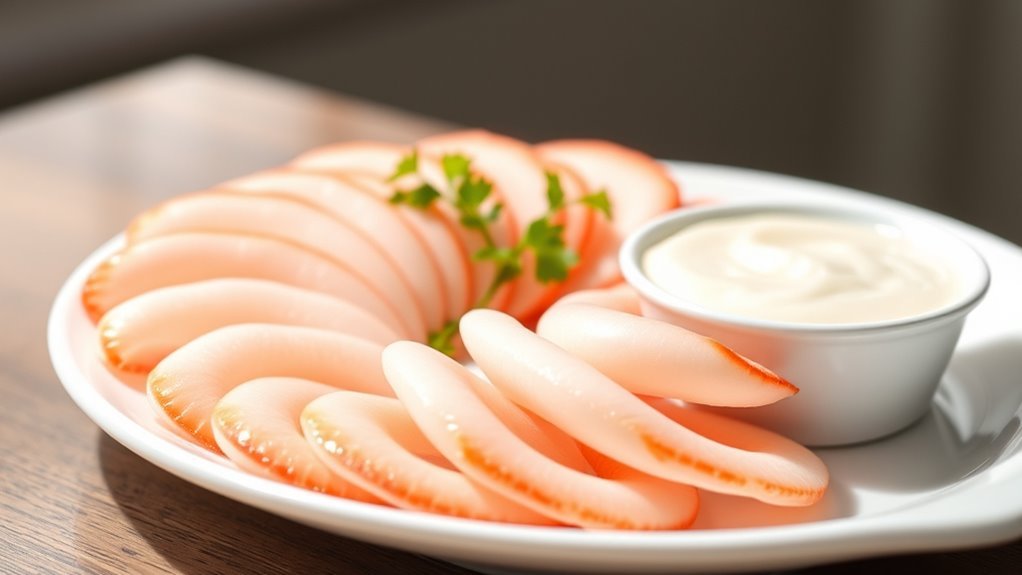
Imitation crab, often referred to as surimi, is a seafood product made from processed fish, usually Alaska pollock, that’s been blended with starch and flavorings to mimic the taste and texture of real crab meat. Its origins date back to Japan, where it was developed as a way to preserve fish while creating a versatile food product. Today, imitation crab is popular in various cuisines, especially in dishes like sushi rolls, crab salads, and seafood pasta. You might appreciate its affordability and convenience compared to real crab, making it a great option for those looking to enjoy seafood without breaking the bank. Understanding its uses can help you incorporate imitation crab into your meals creatively and deliciously.
Ingredients in Imitation Crab
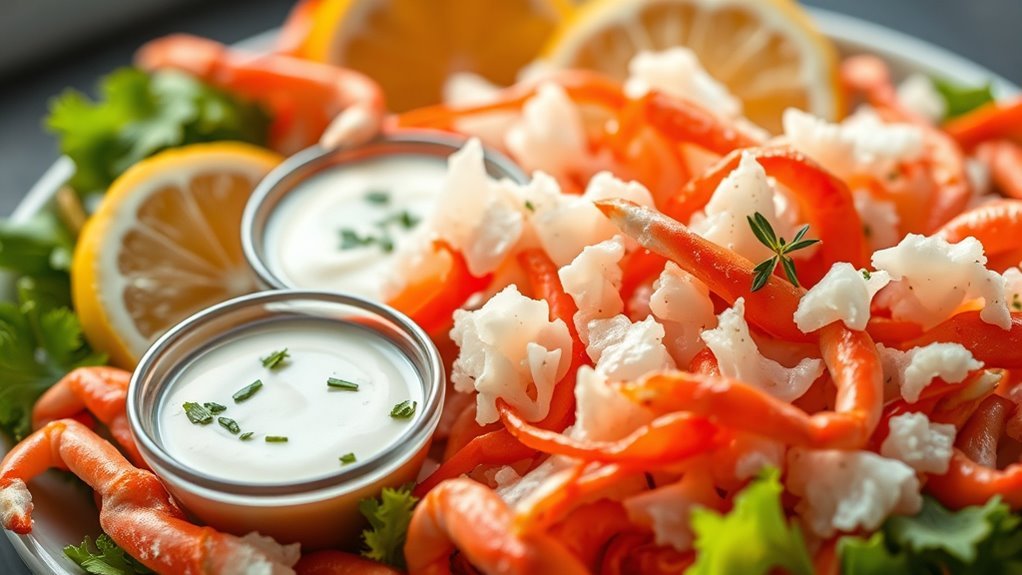
The ingredients in imitation crab play a significant role in its overall nutritional profile and flavor. Typically, you’ll find a blend of surimi (fish paste), starches, egg whites, and various seasonings. These components are often sourced from different suppliers, impacting quality and taste. It is crucial to pay attention to nutritional labeling, as some brands may include additives, like artificial flavors or preservatives, which can affect your dietary choices. When you choose imitation crab, look for products with clear, simple ingredients and responsible ingredients sourcing. This way, you can enjoy the taste without compromising your health goals. Being informed empowers you to make better decisions in your culinary adventures, especially if you’re exploring a keto lifestyle.
Nutritional Profile of Imitation Crab
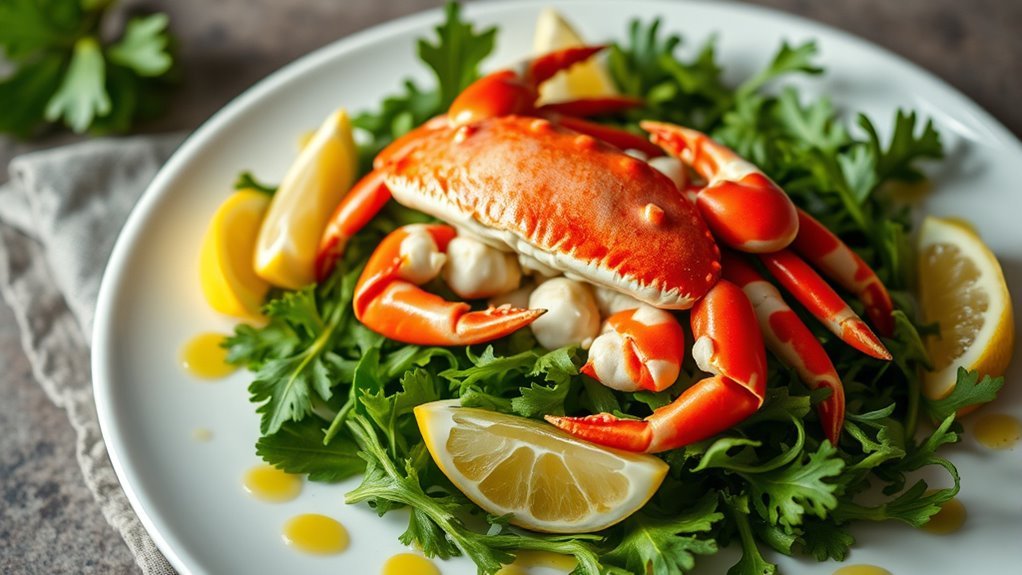
When considering the nutritional profile of imitation crab, you’ll find that it typically contains lower calories and fat than real crab meat, making it appealing for those watching their intake. A standard serving often has around 70 calories and 1-2 grams of fat, which can be a great option in lighter imitation crab recipes. However, it’s essential to note that imitation crab is usually made from surimi, a processed fish product, and may contain additives like sodium. If you’re exploring seafood alternatives, this can be a versatile addition to salads, sushi, or pasta dishes. Just keep in mind that while it’s lower in fat, the protein content is also less than that of fresh crab, so balance is key in your diet.
Carbohydrate Content Explained
When considering imitation crab, it’s important to understand its carbohydrate content. You’ll find that the total carb count can vary, but it typically contains a mix of sugars and fiber. By breaking down these components, you can better assess how it fits into your keto dietary goals.
Nutritional Breakdown Overview
Although imitation crab is often seen as a seafood alternative, understanding its nutritional breakdown, particularly its carbohydrate content, is essential for those following a keto diet. Typically made from surimi, imitation crab contains lower fat and protein levels compared to real crab. While it’s a versatile ingredient for various imitation crab recipes, you need to be cautious about its carb content. Often, it includes fillers and starches that can add to the overall carbohydrate count. By examining the nutritional label, you can make informed choices about incorporating this seafood alternative into your meals. Remember, moderation is key, especially if you’re trying to maintain ketosis while enjoying these tasty dishes.
Total Carb Count
Understanding the total carbohydrate count in imitation crab is vital for anyone adhering to a keto diet, as it can greatly impact your daily carb intake. Imitation crab typically contains around 10-15 grams of total carbs per 3-ounce serving, making it a moderate carb source. If you’re crafting imitation crab recipes, it’s important to take into account these total carb sources alongside other ingredients. While imitation crab can fit into a keto plan, you’ll want to balance it with low-carb veggies or sauces to keep your overall intake in check. Always check the nutrition label for specific brands, as carb counts can vary. Staying informed will empower you to enjoy your meals without derailing your keto goals.
Fiber vs. Sugar
While monitoring total carbohydrate intake is important, it’s equally important to differentiate between the types of carbohydrates present in imitation crab, specifically fiber and sugar. Imitation crab typically contains minimal fiber, which means it won’t contribute considerably to your daily fiber sources. Fiber is essential for digestion and can help you feel full, making it a key component of a balanced diet.
On the other hand, the sugar content in imitation crab is usually low, but you should be aware of added sugars in some brands. If you’re looking for alternatives, consider sugar alternatives that can provide flavor without impacting your carb count. Understanding these differences helps you make informed choices while enjoying imitation crab on your keto journey.
Comparing Imitation Crab to Real Crab
When you compare imitation crab to real crab, you’ll find significant differences in both nutritional content and flavor profile. Imitation crab, often made from surimi, has a mild taste and a chewy texture that mimics seafood but lacks the depth of real crab flavor. Real crab, on the other hand, boasts a sweet, rich taste and a tender, flaky texture.
| Nutritional Aspect | Imitation Crab | Real Crab |
|---|---|---|
| Calories | Lower | Higher |
| Protein | Moderate | High |
| Omega-3 Fatty Acids | Minimal | Abundant |
These distinctions are vital for those looking to enjoy the authentic experience of crab while considering their dietary choices.
Health Benefits of Imitation Crab
Imitation crab offers several health benefits that could appeal to you, particularly if you’re looking for a low-calorie protein source. It’s also rich in omega-3 fatty acids, which are known for their heart health benefits. Plus, its versatility in the kitchen makes it easy to incorporate into a variety of meals.
Low-Calorie Protein Source
If you’re looking for a low-calorie protein source, imitation crab can be a great option. It’s often made from surimi, a processed fish product, and offers a tasty alternative to traditional crab. Regarding calorie comparison, imitation crab usually contains fewer calories than real crab, making it easier to fit into your diet without sacrificing protein quality. A 3-ounce serving typically has around 70-100 calories, which allows you to enjoy a satisfying meal while keeping your caloric intake in check. Though it may not have the same nutrient profile as fresh seafood, it still provides a decent amount of protein, helping you maintain muscle and feel full. So, if you’re watching your calorie intake, imitation crab can be a smart choice.
Rich in Omega-3s
Nutritionally, imitation crab offers some benefits, particularly its omega-3 fatty acid content. While it may not be as rich in omega-3s as whole seafood, it can still contribute to your intake of these essential fats. Omega-3s are known for their numerous health benefits, including reducing inflammation and supporting heart health.
Here’s a comparison of omega-3 sources:
| Source | Omega-3 Content (grams) | Health Benefits |
|---|---|---|
| Imitation Crab | 0.5 – 1.0 | Supports heart health, reduces inflammation |
| Salmon | 2.0 – 4.0 | Promotes brain function, lowers blood pressure |
| Chia Seeds | 5.0 – 6.0 | Aids digestion, supports weight loss |
| Walnuts | 2.5 – 3.0 | Improves mood, boosts brain health |
Incorporating imitation crab into your diet can help you enjoy these health benefits alongside other omega-3 sources.
Versatile Culinary Ingredient
Beyond its omega-3 content, imitation crab is a versatile culinary ingredient that can enhance a variety of dishes. Its mild flavor makes it an excellent choice for recipe adaptations, from salads to sushi rolls. You can easily incorporate it into soups, pasta, or even as a topping for pizzas, offering a seafood taste without the high price tag. Imitation crab is low in calories and fat, making it suitable for those on a keto diet when paired with low-carb ingredients. Plus, it’s rich in protein, which can help you feel full longer. Embracing its culinary versatility allows you to explore new dishes while maintaining a balanced diet, giving you the freedom to enjoy diverse flavors without compromising your health goals.
Potential Drawbacks of Imitation Crab
While imitation crab can be a convenient and affordable seafood alternative, it does come with potential drawbacks that warrant consideration. One significant issue is nutritional concerns; imitation crab often contains lower protein levels and higher carbohydrates compared to real crab. If you’re following a keto diet, this can affect your macros. Additionally, allergen information is important; many imitation crab products contain surimi, which is made from fish and may trigger allergies in some individuals. Furthermore, these products can include additives and preservatives that some people prefer to avoid. Ultimately, while imitation crab offers ease and cost-effectiveness, it is vital to weigh these drawbacks against your dietary preferences and health needs.
How to Incorporate Imitation Crab Into a Keto Diet
Despite the potential drawbacks of imitation crab, it can still find a place in a keto diet with the right approach. Start by using it in keto recipes like crab salad or seafood-stuffed avocados, where the flavors of other ingredients can complement its taste. You can also mix it with low-carb veggies for a satisfying meal. Just be mindful of the carb content—opt for brands with lower sugar levels. Additionally, consider pairing imitation crab with healthy fats, like avocado or olive oil, to enhance satiety. While it’s a convenient seafood alternative, balance it with whole foods to guarantee you’re meeting your nutritional needs while enjoying the flexibility of your keto journey.
Alternative Seafood Options for Keto
When considering alternative seafood options for a keto diet, you’ll find several low-carb choices that can fit your meal plan. Fish like salmon, mackerel, and sardines not only provide healthy fats but also come packed with essential nutrients. Incorporating these options can enhance your diet while supporting your health goals.
Low-Carb Seafood Choices
If you’re following a keto diet, exploring low-carb seafood options can enhance your meals while keeping your carb count in check. Here are some sustainable seafood alternatives that fit perfectly into a keto lifestyle:
- Salmon – Packed with omega-3 fatty acids and virtually no carbs.
- Shrimp – Low in calories and carbs, making it an excellent protein source.
- Mackerel – Rich in healthy fats and offers a robust flavor, with minimal carbs.
- Sardines – Convenient and nutrient-dense, they’re low in carbs and high in protein.
Incorporating these seafood choices not only supports your keto goals but also promotes sustainable seafood practices, ensuring you’re making healthier, environmentally friendly choices. Enjoy the freedom to explore these delicious options!
Nutritional Benefits of Fish
While you might seek variety in your keto diet, incorporating fish can greatly enhance your nutritional intake. Different fish varieties, such as salmon, mackerel, and sardines, are not only delicious but also packed with nutrients. These fish are rich in omega-3 fatty acids, which offer numerous health benefits, including improved heart health and reduced inflammation. Omega benefits can also support brain function, making fish an excellent choice for cognitive health. Plus, fish is low in carbs, fitting perfectly into your keto lifestyle. By diversifying your protein sources with fish, you’re not just enjoying new flavors; you’re also nourishing your body with essential fats and vitamins, empowering you to thrive on your keto journey.
Final Thoughts on Imitation Crab and Keto
Although imitation crab can be a convenient and cost-effective seafood option, it’s essential to reflect on its nutritional profile when following a keto diet. Here are some key points to take into account:
- Carbohydrate Content: Imitation crab often contains more carbs than real crab, which can impact ketosis.
- Protein Source: It provides protein but lacks the nutritional density of other seafood alternatives.
- Additives: Many brands include fillers and preservatives, which might not align with your keto lifestyle.
- Sustainability: While more affordable, weigh the environmental impact when choosing seafood options.
Ultimately, moderation and awareness are vital. If you enjoy imitation crab, balance it with other high-quality protein sources to maintain your keto goals.
Frequently Asked Questions
Is Imitation Crab Gluten-Free?
Yes, imitation crab is typically gluten-free, as it’s primarily made from fish, starches, and various flavorings. However, it’s crucial to check the ingredient analysis on the packaging, as some brands may add gluten-containing ingredients. Regarding nutrition benefits, imitation crab can be a low-calorie protein source. Just be aware that it might not provide the same nutrients as real crab. Always read labels to confirm it fits your dietary needs.
Can Imitation Crab Cause Allergies?
Yes, imitation crab can cause allergies in some people. While it’s often made from fish or seafood alternatives like surimi, individuals with shellfish allergies may react to it. Allergy symptoms can include hives, swelling, or digestive issues. It’s important to read labels carefully, as different brands may use various ingredients that could trigger reactions. If you’re unsure, consult a healthcare professional before incorporating imitation crab into your diet.
How Long Does Imitation Crab Last in the Fridge?
Imitation crab’s shelf life in the fridge is nothing short of a culinary miracle! When stored properly, it can last up to 3-5 days. To maximize freshness, keep it in an airtight container or its original packaging, ensuring it’s sealed tight. Always check for any off smells or changes in texture before consuming. By following these simple storage tips, you’ll enjoy your imitation crab without worry, savoring every bite!
Is Imitation Crab Safe for Pregnancy?
Yes, imitation crab is generally safe during pregnancy, but it’s wise to consume it in moderation. While it offers some nutritional benefits, such as protein and low calories, it’s a seafood alternative made from fish and other ingredients that may contain additives. Always check the label for allergens and verify it’s properly stored. Discuss with your healthcare provider if you have specific dietary concerns, as they can offer personalized guidance.
Can I Freeze Imitation Crab?
Yes, you can freeze imitation crab! Studies show that properly freezing seafood can extend its shelf life by up to six months. To freeze imitation crab, use air-tight packaging to prevent freezer burn. Consider using vacuum sealing for best results. If you’re storing it in a regular freezer bag, remove as much air as possible. Label your packages with the date, and remember to thaw it in the refrigerator for ideal texture and flavor.
Frequently Asked Questions about Imitation Crab and Keto Diet
1. Is imitation crab meat keto-friendly?
Imitation crab, or surimi, is generally not considered keto-friendly due to its carbohydrate content. While it is low in calories and fat, it contains added sugars and starches that can increase the carb count. Always check the nutrition label for specific brands, as some may include more carbs than others.
2. What are the main ingredients in imitation crab?
Imitation crab is primarily made from surimi, which is a paste made from fish, usually pollock. Other ingredients often include starch, sugar, salt, and various flavorings to mimic the taste of real crab. These additional ingredients can contribute to its carbohydrate content, making it less suitable for a strict keto diet.
3. How many carbs are typically in imitation crab?
The carbohydrate content in imitation crab can vary by brand, but it typically ranges from 10 to 15 grams of carbs per 100 grams (about 3.5 ounces). This amount can be significant for those following a strict ketogenic diet, which usually limits daily carb intake to around 20-50 grams.
4. Can I use imitation crab in keto recipes?
While imitation crab is not strictly keto-friendly, it can still be used in moderation within keto recipes if the overall carb intake for the day allows it. Consider using it in small amounts for dishes like salads or soups, while balancing the rest of your meals with low-carb ingredients to stay within your carb limits.
5. What are better alternatives to imitation crab on a keto diet?
For those on a keto diet, better alternatives to imitation crab include real crab meat, shrimp, or other seafood like salmon and tuna, which are low in carbs and high in protein and healthy fats. Additionally, you can use plant-based low-carb ingredients like cauliflower or zucchini for texture in recipes that typically use crab.
References
- https://www.healthline.com/nutrition/imitation-crab-keto
- https://www.livestrong.com/article/482546-is-imitation-crab-keto-friendly/
- https://www.ncbi.nlm.nih.gov/pmc/articles/PMC7070109/
- https://www.webmd.com/diet/what-is-imitation-crab
- https://www.verywellfit.com/imitation-crab-nutrition-facts-5116226