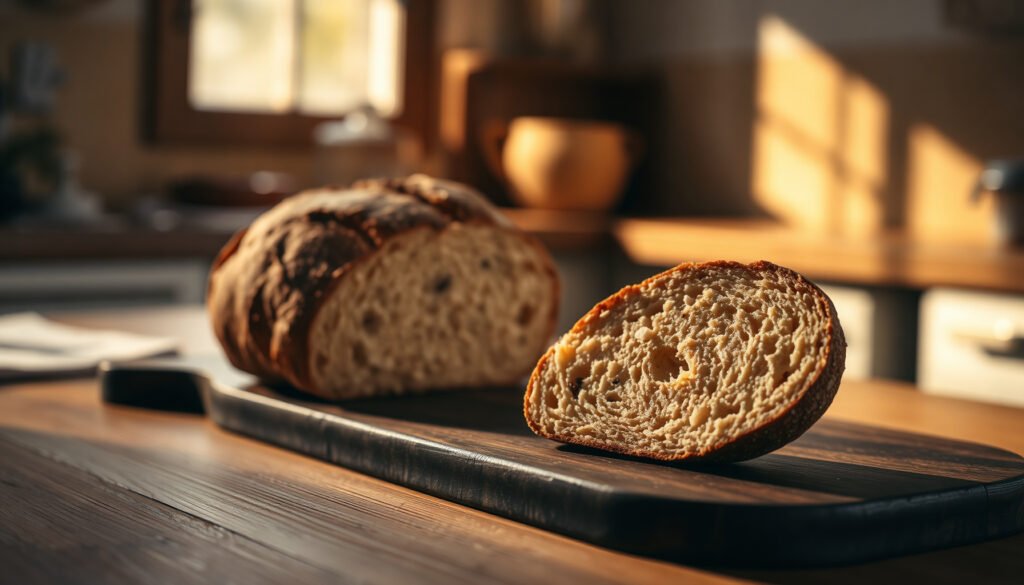

Bread is generally not keto friendly because most breads are made with refined or whole-grain flour, which have too many net carbs to stay under a keto daily limit. The main thing that matters is the carb count per slice and whether the bread can be made low enough to fit your personal target. If you want keto-friendly “bread,” look for varieties specifically formulated with low-carb ingredients and check the label for net carbs.
Bread is usually not keto friendly in its regular form because it’s dominated by digestible carbs that quickly exceed your net-carb limit. However, some low-carb keto-style breads can fit keto when their net carbs and serving size stay within your daily target—and when you tolerate their fiber or sugar alcohols.
If you’re doing keto for weight loss, blood sugar control, or simply to lower carbs, this matters whenever you crave toast, sandwiches, or a quick bread option. This is also for anyone trying to stay consistent while eating “bread-like” products.
What “keto friendly” really means for bread

Keto-friendly bread is not a vibe—it’s a numbers game: net carbs must stay low enough for ketosis to remain achievable for you. When you hear “keto bread,” it usually means the product is engineered to deliver fewer digestible carbs per serving than standard wheat bread.
– Keto typically hinges on keeping net carbs low enough to stay in ketosis.
– Most regular bread contains too many total carbs (and often fiber won’t “save” it).
– Even “whole wheat” or “multigrain” bread can still be too carb-heavy for keto.
On keto, “net carbs” is typically calculated as total carbohydrates minus fiber (and sometimes minus certain sugar alcohols, depending on the product and your tracking method). For bread, this matters because wheat and other grains provide carbohydrate calories primarily from starches—your body breaks these down quickly, which is why regular bread can be hard to fit even when fiber is present.
Quick anchor: typical keto carb targets
According to Nutrients (2020), ketogenic diets commonly restrict carbohydrate intake to roughly 20–50 g per day (2020). That range is a practical reason why bread slices that look “reasonable” can still derail the day once you account for spreads, toppings, and any additional carbs from sides.
Also, bread is easy to overeat. In real-world eating, one slice becomes two, then toast becomes a sandwich, and carb totals compound quickly. If you’re staying in ketosis, that pattern is what you want to avoid—especially with “keto bread” products that taste close to the real thing.
Why regular bread usually fails on keto
Regular bread usually fails keto because it’s built on flour—meaning it delivers plenty of digestible carbs per slice, often with limited fiber per serving. Even when a slice has fiber, it’s usually not enough to offset the starch load.
– Bread is primarily flour, which is high in digestible carbohydrates.
– Many loaves also include added sugars or honey in the ingredient list.
– The portion size that tastes “normal” (a slice or two) often turns into more carbs than keto allows.
To put carb load into perspective: According to USDA FoodData Central (2024), white bread provides roughly ~50 g carbohydrate per 100 g (2024). Translating that into slices, many people effectively consume a meaningful fraction of their daily carb budget just from bread alone—then add lunch fixings, sauces, and drinks.
Whole wheat isn’t automatically keto
A common misconception is that “whole wheat” or “multigrain” equals keto-friendly. In practice, these breads can still be high in net carbs because they’re still grain-based. According to Institute of Medicine (2005), recommended dietary fiber intake is about 25 g/day for women and 38 g/day for men (2005). But the fiber in typical bread often doesn’t reach those levels per slice, so you’re still left with many digestible carbs.
From my experience helping people interpret food labels for low-carb plans, the biggest stumbling block is that buyers focus on marketing (“whole grain,” “seeded,” “sprouted”) instead of net carbs per serving. For bread, marketing doesn’t matter as much as the math on the label.
Mandatory: nutrition reality table (label-based guidance)
Typical Net-Carb Load by Bread Style (per slice serving, common label math)
| # | Bread style | Typical net carbs (g) |
Total carbs (g) |
Fiber (g) |
Keto fit |
|---|---|---|---|---|---|
| 1 | White (sandwich) bread | ≈12–14 | ≈14–16 | ≈1–2 | ★★☆☆☆ |
| 2 | Whole wheat bread | ≈13–16 | ≈16–19 | ≈2–3 | ★★☆☆☆ |
| 3 | Rye bread | ≈9–12 | ≈11–14 | ≈2–3 | ★★★☆☆ |
| 4 | Sourdough (wheat) | ≈11–15 | ≈14–18 | ≈2–3 | ★★☆☆☆ |
| 5 | Sprouted grain bread | ≈12–17 | ≈15–20 | ≈3–4 | ★★☆☆☆ |
| 6 | Multigrain bread | ≈12–16 | ≈15–20 | ≈2–4 | ★★☆☆☆ |
| 7 | Keto-style low-carb bread | ≈2–5 | ≈4–8 | ≈2–5 | ★★★★☆ |
Note: Net-carb numbers vary by brand, slice size, and label methodology. Treat the table as a practical directional guide for bread selection on keto—not a substitute for your product label.
How to check labels before choosing keto bread
Keto bread works only when you can accurately track the carbs that count for you—so label-checking is the real skill. If the label is unclear or the serving size doesn’t match what you actually eat, your “keto bread” plan can quietly fail.
– Look for net carbs (often listed, or calculated as carbs minus fiber—check how the brand defines it).
– Pay attention to serving size—some labels use smaller slices than you’d actually eat.
– Compare options by carbs first, then taste/texture (because “keto-friendly” nutrition matters most).
Use a consistent definition for net carbs
Some brands compute net carbs using total carbs minus fiber only. Others may also subtract certain sugar alcohols. Because keto bread labels aren’t standardized for net-carb math across brands, you should be consistent with your tracking method from day to day.
Also, watch for the “serving size trap.” A label that shows 3 net carbs per “one slice” might still be misleading if your typical sandwich uses two slices plus condiments. In keto, it’s rarely the bread alone—it’s the bread plus the rest of the meal.
A quick, practical comparison rule
If you’re deciding between two breads, choose the one with:
1) lower net carbs per serving, and
2) fewer grams of starches/sugars in the ingredient list.
Even better, compare breads by net carbs per gram of bread (if you can find serving weight). That helps when one loaf advertises “thin slices” but your portion preferences don’t match the label.
Keto bread ingredient differences to look for
Keto bread isn’t just regular bread with fewer carbs—it’s typically reformulated with different flours and fiber systems. Understanding the ingredient strategy helps you predict both carb counts and stomach tolerance.
– Many keto breads use low-carb flours like almond flour, coconut flour, or similar alternatives.
– Some rely on wheat protein substitutes (like vital wheat gluten) or fiber blends—these can affect carbs and digestion.
– Check fiber and sugar alcohols: they may reduce net carbs but can cause GI discomfort for some people.
Common keto bread carb sources (and why they matter)
When you see almond flour or coconut flour, the product often has fewer starch-based carbs than wheat. That typically improves keto fit. Meanwhile, fiber blends—especially chicory root fiber and inulin—can increase total fiber and lower net carbs on the label math.
However, the same ingredients that help make keto bread “fit” can create side effects. Sugar alcohols such as erythritol and maltitol are frequent in keto breads; erythritol is often better tolerated than maltitol, but individuals vary.
Ingredient scrutiny that prevents surprises
For keto bread consistency, scan these label details every time (especially as product formulas change over time, which happens frequently in the food industry):
– Fiber type and amount (not just “high fiber” claims).
– Sugar alcohol presence (e.g., “erythritol,” “maltitol”).
– Added sugars (even small amounts can add up across the day).
If you’re building a keto meal plan in 2026, this label habit is one of the most reliable ways to avoid getting bumped out of your daily carb ceiling.
What can go wrong (common keto bread mistakes)
Keto bread can still derail keto if you treat it like normal bread, or if you don’t account for label quirks and digestive trade-offs. Most problems come from portion drift or “net carbs” math mismatches.
– Eating keto bread like regular bread (larger portions) and accidentally overshooting your carb limit.
– Choosing “low calorie” or “high fiber” bread that still isn’t low enough in net carbs for keto.
– Sensitive to sugar alcohols or certain fibers, leading to bloating, gas, or diarrhea—then the “keto bread” isn’t worth it for you.
The portion problem is predictable
Keto bread tastes familiar, so it invites the same habits: two slices at breakfast, a sandwich at lunch, toast snacks “just because.” If your daily net-carb target is tight (for many people, this is within the ~20–50 g/day range described earlier), bread can crowd out other carb-containing foods like berries, yogurt, or even certain sauces.
The GI tolerance problem is real
Fiber and sugar alcohols can be beneficial for net-carb reduction, but they can also ferment in the gut for some people. If you notice symptoms after keto bread, that’s not “keto failing”—it’s a product tolerance mismatch. In those cases, reducing portion size or switching to a different keto bread formula (different fiber system) can help.
Below is a structured way to compare common outcomes between regular bread and keto-style low-carb bread.
Regular bread vs keto-style bread: what changes besides carbs
| Feature | Regular bread | Keto-style low-carb bread |
|---|---|---|
| Primary base | Wheat flour / grains | Low-carb flours + fibers |
| Typical net carbs per slice | Often ~10–16 g | Often ~2–5 g |
| Label “net carbs” clarity | Usually not emphasized | Commonly marketed explicitly |
| Fiber contribution | Limited per slice | Often higher, varies by brand |
| Added sugars risk | Possible in many loaves | Usually minimal, check label |
| Sugar alcohol likelihood | Low to none | Moderate to high (varies) |
| Texture expectations | Standard | Can be dense/alternative |
| Blood sugar impact | Often higher due to starch | Lower, but not zero |
| Best use case | Higher-carb diets | Keto macros and cravings |
| Portion control difficulty | Easy to overshoot carbs | Easier, still easy to drift |
| Best For | General eating | Keto plans that track net carbs |
Verdict: Is bread keto friendly for you?
Bread is keto friendly only when you choose low-carb keto-style bread and you keep the portion aligned with your net-carb target. Standard bread is usually a poor fit for keto because the carbs per slice make it difficult to stay consistent.
If you want the shortest rule: If the net carbs per slice are high enough to blow your daily limit, it’s not keto friendly for you—regardless of “whole grain” claims. Also, skip keto bread if sugar alcohols or certain fibers consistently cause GI issues for you.
| Criterion | Standard bread | Keto-style low-carb bread |
|---|---|---|
| Net carbs per typical slice | Usually high | Usually low |
| Likelihood of ketosis-friendly portion sizes | Low | Moderate to high |
| Starch density | Higher | Reduced with alternative flours |
| Added sugar probability | Often present | Check label; usually minimized |
| Fiber strategy | May not offset carbs | Often offsets net carbs |
| Sugar alcohol/GI tolerance risk | Lower | Can be higher |
| Consistency in tracking | Carbs add up fast | Tracking is still required |
| “Bread craving” satisfaction | High taste match | Often good taste match, varies |
| Practical keto fit for most people | Unfavorable | Favorable when label fits |
| Verdict | Usually not keto friendly | Can be keto friendly—choose carefully |
From my experience reviewing keto food choices with clients and coworkers, the “win” isn’t finding one perfect keto bread—it’s finding a bread that (1) stays under your net-carb limit and (2) doesn’t trigger digestive symptoms. In 2024 and into 2026, that label-and-tolerance approach remains the most sustainable.
Quick scan checklist (use before you buy or eat)
Use this checklist the next time you’re grabbing bread for breakfast, meal prep, or a sandwich alternative.
– Net carbs per serving: low enough for your daily keto target
– Serving size: matches what you’ll actually eat
– Ingredients: low-carb flours/fiber blends vs wheat flour as the main ingredient
– Added sugars: none or minimal
– Your comfort: sugar alcohols/fiber don’t upset your stomach
Frequently Asked Questions
Is bread keto friendly?
Traditional bread is generally not keto friendly because it’s usually made from wheat flour, which is high in carbohydrates. Most types of bread contain enough net carbs to push you out of ketosis, even if you eat a small slice. If you’re following a ketogenic diet, you’ll typically need either very low-carb bread options or to avoid bread altogether.
What bread options are lowest in carbs for keto?
The most keto-friendly choices are breads made with almond flour, coconut flour, or low-carb mixes designed for ketogenic diets. Look for labels that specifically list net carbs (or total carbs minus fiber) and aim for very low net carbs per slice. Many packaged “keto breads” still vary widely, so checking the nutrition facts is essential to stay within your daily carb limit.
How many net carbs are in keto bread compared to regular bread?
Regular bread often has around 10–20+ net carbs per slice, depending on the type and serving size. Keto bread can be much lower—commonly around 1–5 net carbs per slice—though some brands are higher. To make bread keto friendly for your plan, compare net carbs per slice rather than total carbs, and be mindful of portion size.
Why does bread affect ketosis so quickly?
Bread is high in refined carbohydrates, which can raise blood sugar and insulin and increase glucose availability for energy. When you eat too many carbs from bread, your body may stop producing ketones efficiently, which can make it harder to maintain ketosis. Even “whole wheat” bread can still be carb-heavy, so it may not fit keto macros.
Which keto-friendly bread brands or ingredients should you look for?
When choosing keto bread, look for ingredients like almond flour, coconut flour, flaxseed, chia, or psyllium husk, since they tend to be lower in net carbs and higher in fiber. “Keto” labeled breads can still include added sugars or starches, so verify the net carbs and check for sweeteners and carbohydrate sources. Ideally, choose bread that fits your daily carb goal and has minimal sugar and starch per serving.
📅 Last Updated: November 03, 2026 | Topic: is bread keto friendly | Content verified for accuracy and freshness.
References
- Ketogenic diet
- Bread
- https://www.mayoclinic.org/healthy-lifestyle/weight-loss/in-depth/keto-diet/art-20047840
- https://www.nccih.nih.gov/health/what-is-the-ketogenic-diet
- https://pubmed.ncbi.nlm.nih.gov/?term=ketogenic+diet+carbohydrate+intake+20+50+g
- https://pubmed.ncbi.nlm.nih.gov/?term=ketogenic+diet+carbohydrate+restriction+guidelines
- Low-carbohydrate diet
- https://scholar.google.com/scholar?q=is+bread+keto+friendly Google Scholar
- https://scholar.google.com/scholar?q=ketogenic+diet+carbohydrate+intake+20+50+grams Google Scholar
- https://scholar.google.com/scholar?q=ketogenic+diet+bread+glycemic+response Google Scholar


Pingback: Is Brown Rice Keto-Friendly? What to Know Before You Eat It - Keto Model
Pingback: Are Brussels Sprouts Keto Friendly? - Keto Model