Using a keto cleanse can be an effective strategy to jumpstart your ketogenic diet by eliminating toxins and preparing your body for optimal fat burning. This structured approach not only helps you enter ketosis more efficiently but also sets the stage for long-term dietary success. In this guide, we will delve into the necessary steps for a successful keto cleanse, including what to eat, how to prepare, and practical tips for maintaining ketosis.
Understanding the Keto Cleanse

A keto cleanse is designed to significantly reduce carbohydrate and sugar intake while increasing the consumption of healthy fats. The primary goal is to shift your body from relying on glucose for energy to using fat as its main fuel source. Typically, a keto cleanse lasts between 3 to 10 days, depending on individual health goals, personal tolerance, and readiness to transition into a full ketogenic diet. During this period, individuals may experience a range of symptoms as their bodies adapt to ketosis, making it essential to approach this phase with proper preparation and awareness.
Preparing for Your Keto Cleanse
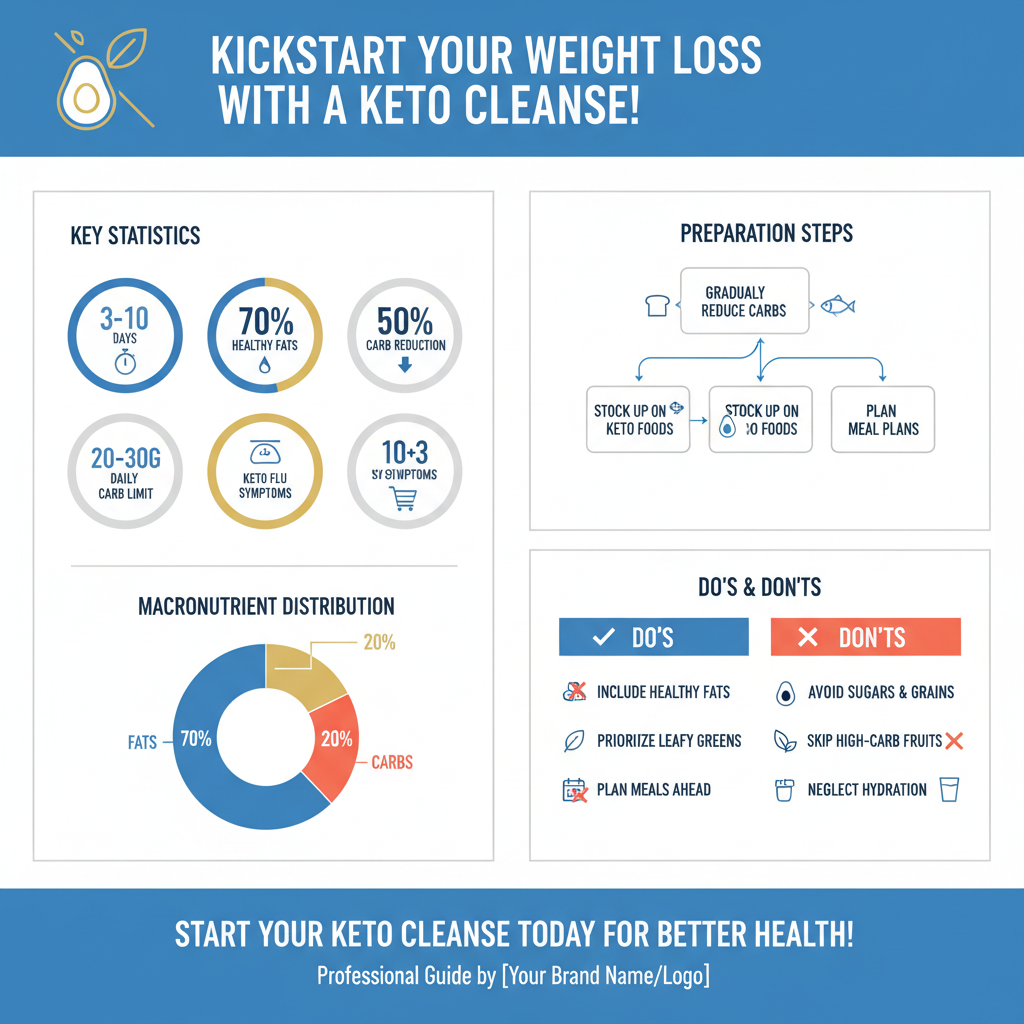
Preparation is crucial for the success of a keto cleanse. Begin by gradually reducing your carbohydrate intake a few days before the cleanse to ease your body into the transition. This may involve cutting out sugary snacks, reducing bread and pasta consumption, and eliminating high-carb fruits. Stocking up on keto-friendly foods is equally important; focus on high-fat, low-carb options such as avocados, nuts, seeds, and low-carb vegetables like spinach and broccoli. It’s also beneficial to review recipes and meal plans in advance, which can help streamline your grocery shopping and meal preparation.
Foods to Include in a Keto Cleanse
During a keto cleanse, the emphasis should be on consuming high-fat foods that promote ketosis. Healthy fats such as olive oil, coconut oil, and fatty fish like salmon are excellent choices. These fats not only provide energy but also support overall health by supplying essential omega-3 fatty acids. Additionally, incorporating leafy greens and non-starchy vegetables is crucial for ensuring you receive adequate nutrients without exceeding carb limits. Consider options like kale, zucchini, and bell peppers, which can enrich your diet with vitamins and minerals while keeping carbohydrate levels low. Incorporating full-fat dairy products, such as cheese and yogurt, can also enhance flavor and satisfaction.
Foods to Avoid During the Cleanse
To maximize the effectiveness of your keto cleanse, it is essential to eliminate all sources of sugar, grains, and high-carb fruits. This means cutting out items like bread, pasta, rice, and sweets, as well as starchy vegetables like potatoes and corn. Processed foods often contain hidden sugars and carbs, so it is advisable to read labels carefully or prepare meals from scratch. Additionally, beverages such as soda, fruit juices, and even some “health” drinks may contain unwanted sugars that can derail your cleanse. By strictly adhering to a clean keto diet, you will set a solid foundation for entering ketosis.
Hydration and Electrolyte Balance
Staying hydrated is critical during your keto cleanse, as increased water intake can help flush out toxins and support the detoxification process. Aim for at least 2 to 3 liters of water daily, and consider incorporating herbal teas or electrolytic drinks that are low in carbs. Maintaining electrolyte balance is also vital, especially in the initial stages of a keto diet. Common symptoms of the keto flu, such as fatigue, headaches, and dizziness, can often be mitigated by ensuring adequate intake of sodium, potassium, and magnesium. Consider adding electrolyte supplements or consuming foods rich in these minerals, like avocados and leafy greens, to support your body as it adapts.
Monitoring Your Progress
To ensure you are on the right track during your keto cleanse, keeping a journal can be invaluable. Documenting your food intake, energy levels, and any symptoms can help you identify patterns and adjust your diet as necessary. Additionally, using keto testing strips can provide a clear indication of whether you are entering ketosis. These strips measure the presence of ketones in your urine, allowing you to monitor your progress effectively. Being proactive about tracking your results can also keep you motivated and accountable to your goals.
Maintaining Results After the Cleanse
Once you have completed your keto cleanse, it is essential to gradually reintroduce carbohydrates while carefully monitoring your body’s response. This slow reintroduction can help you identify any food sensitivities and understand how your body reacts to different carb levels. Continuing a low-carb, high-fat diet will help you maintain the positive results you achieved during the cleanse, solidifying your commitment to a sustainable ketogenic lifestyle. Experiment with various keto-friendly recipes, focusing on whole foods to keep your meals satisfying and nutritionally balanced.
By following these steps, you can effectively use a keto cleanse to kickstart your weight loss journey and transition into a sustainable ketogenic lifestyle. Embrace the changes, stay committed to your goals, and enjoy the myriad benefits that come with a well-executed keto cleanse. Remember, the journey is as important as the destination; with the right mindset and strategies, you can achieve lasting success in your health and wellness endeavors.
Frequently Asked Questions
What is a keto cleanse and how does it work?
A keto cleanse is a dietary approach that combines the principles of a ketogenic diet with detoxification strategies. It typically involves reducing carbohydrate intake to induce ketosis—where your body burns fat for fuel instead of sugar—while also incorporating cleansing foods and supplements to help eliminate toxins. By following a keto cleanse, you may experience weight loss, improved energy levels, and enhanced mental clarity.
How do I start a keto cleanse effectively?
To start a keto cleanse effectively, first, eliminate high-carb foods such as sugars, grains, and starchy vegetables from your diet. Focus on consuming healthy fats, moderate protein, and low-carb vegetables. Additionally, consider incorporating intermittent fasting and hydration to support detoxification. It’s also beneficial to plan your meals ahead of time and consult a healthcare professional to ensure the cleanse suits your individual health needs.
Why should I consider a keto cleanse?
A keto cleanse can be beneficial for several reasons. It may help jumpstart weight loss by promoting fat burning, improve insulin sensitivity, and provide a clearer mental state. Furthermore, the cleansing aspect can assist in flushing out toxins from the body, potentially leading to better digestion and overall well-being. For those looking to transition into a ketogenic lifestyle, a keto cleanse can serve as a helpful reset.
What are the best foods to eat during a keto cleanse?
During a keto cleanse, it’s crucial to focus on foods that are high in healthy fats and low in carbohydrates. Ideal choices include avocados, nuts and seeds, olive oil, fatty fish like salmon, and plenty of leafy greens. Additionally, incorporating fermented foods like sauerkraut or kimchi can support gut health during the cleansing process. Always prioritize whole, unprocessed foods to maximize the nutritional benefits of your cleanse.
Which supplements can support my keto cleanse journey?
Supplements can play a key role in supporting your keto cleanse by filling nutritional gaps and enhancing detoxification. Consider incorporating electrolytes (like magnesium, potassium, and sodium) to prevent the “keto flu,” omega-3 fatty acids for inflammation support, and probiotics for gut health. Always consult with a healthcare provider before adding supplements to ensure they align with your specific health goals and needs during your keto cleanse.
References
- Ketogenic diet
- https://www.ncbi.nlm.nih.gov/pmc/articles/PMC5828439/
- https://www.healthline.com/nutrition/keto-diet-101
- https://www.webmd.com/diet/obesity/what-is-the-ketogenic-diet
- https://www.cdc.gov/healthyweight/assessing/bmi/index.html
- https://www.mayoclinic.org/healthy-lifestyle/nutrition-and-healthy-eating/expert-answers/keto-diet/faq-20426020
- https://www.hsph.harvard.edu/nutritionsource/keto-diet/