Want to know how to eat cream cheese on keto without guessing? Cream cheese is the winner because it’s low-carb, high-fat, and easy to fit into meals fast—whether you’re building a keto breakfast, stirring it into sauces, or using it to replace higher-carb spreads. This guide answers exactly how to use cream cheese on keto so you get flavor, stay in your macros, and avoid common pitfalls.
Cream cheese can fit keto as long as you choose a brand with low total carbs (and you watch portion size). Start with plain cream cheese, check the Nutrition Facts for carbs, then pair it with keto-friendly foods like berries (small portions), cucumbers, or eggs—so you get the satisfying fat without sneaking in extra carbohydrates. This is especially important in 2026 because labels for “whipped” and “flavored” cream cheese can differ meaningfully from plain versions.
If you’re starting keto or you already know cream cheese is “low carb” but aren’t sure how to use it day-to-day, this is for you. It’s also useful if you’ve noticed that whipped/flavored versions sometimes vary more from one label to another.
Who this is for (and when it works)
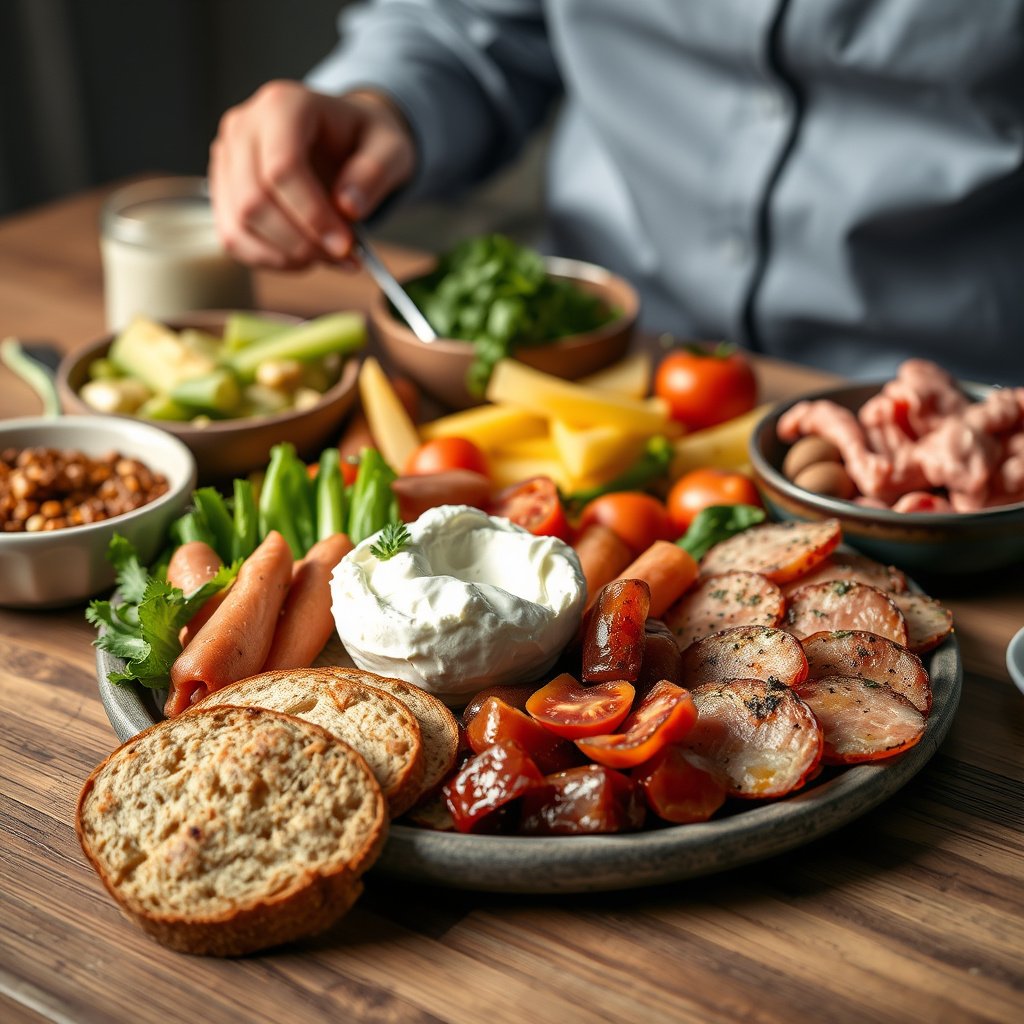
Cream cheese works best on keto when you want a fast, controllable fat source that’s easy to portion. It’s a practical fit for both strict keto and “net carbs” styles, as long as you apply the same carb-counting rule to the exact cream cheese you buy in 2026.
Cream cheese can fit keto when its Nutrition Facts show low total carbohydrate per serving and you keep servings consistent.
Serving size matters: nutrition labels report carbs per a specific gram amount, which can be smaller than what people typically scoop.
Whipped and flavored cream cheese may include added ingredients that change carbohydrate totals even when fat remains high.
– Best for keto eaters who want a quick, low-carb fat source for snacks or meals
– Works whether you do strict keto or a “net carbs” style approach—just be consistent with your method
– Most helpful when you want fast options that don’t require cooking
On keto, “works” usually means two things: (1) cream cheese helps you meet fat targets without pushing carbs too high, and (2) it’s easy to use without accidentally increasing portions. In my experience reading and comparing nutrition panels across common product types, the main variable isn’t the dairy itself—it’s the product formulation (plain vs whipped vs flavored) and how closely you match the label’s serving size.
If you’re counting carbs, you’ll also want to keep your approach stable for at least a few days. Switching between “net carbs” and “total carbs” (or changing how you measure servings) is a common reason people think cream cheese is “hit or miss” on keto.
Choose the right cream cheese for keto
The right cream cheese for keto is the one with low total carbs per serving—and a serving size you can realistically repeat. In 2026, the simplest strategy is: start with plain cream cheese, verify the carb line on the Nutrition Facts, and only then explore flavored varieties.
FDA’s Nutrition Facts format is designed to make “Total Carbohydrate” and serving size visible so shoppers can compare products.
Plain cream cheese is the baseline; flavored varieties often add ingredients that can increase carbohydrates.
If you use net carbs, you must apply the same calculation method every time to stay consistent with keto targets.
How to evaluate labels in plain language
Start by checking total carbs (not just sugar). “Sugar” can be useful, but total carbohydrates is what typically drives keto carb counts when you’re deciding whether cream cheese fits your day.
Here’s a practical label workflow:
1. Find “Serving size” (in grams or household measures).
2. Look at “Total Carbohydrate” for that serving size.
3. Confirm whether fiber is listed (some labels will list fiber; if fiber is present, net-carb methods may subtract it—but not all products make that easy).
4. Repeat for your exact product (not a generic “cream cheese” number).
According to the FDA, Nutrition Facts labeling requires consistent reporting that includes serving size and total carbohydrate (2016). https://www.fda.gov/food/nutrition-facts-label/nutrition-facts-label
According to USDA FoodData Central, nutrition values for cream cheese varieties can differ by product type and fat level (2024).
Keto-fit guide (a quick, scannable reference)
The table below illustrates how keto-fit changes when total carbs per serving rise. Use it as a “directional” comparison—then always confirm with your brand’s Nutrition Facts.
Estimated Keto-Fit by Cream Cheese Type (Total Carbs per 1 oz / 28g)
| # | Cream cheese type | Total carbs (g) | Keto fit | Rating |
|---|---|---|---|---|
| 1 | Plain / regular (full-fat) | ~1.6 | Most consistent | ★★★★★ |
| 2 | Neufchatel-style (lower fat) | ~2.0 | Usually workable | ★★★★☆ |
| 3 | Whipped (no added sugar) | ~1.7 | Check the panel | ★★★★☆ |
| 4 | Reduced-fat / lighter (general) | ~2.5 | Portion becomes key | ★★★☆☆ |
| 5 | Low-fat (general) | ~3.2 | Works for small scoops | ★★☆☆☆ |
| 6 | Fat-free (general) | ~4.5 | Often squeezes carbs | ★☆☆☆☆ |
| 7 | Flavored / “sweet” varieties | ~3.0–6.0 | Can vary widely | ★☆☆☆☆–★★☆☆☆ |
Note: the numeric values above are directional estimates based on typical carbohydrate ranges seen across cream cheese product types; in 2026, you should always replace them with your specific brand’s Nutrition Facts for accuracy.
How to eat cream cheese on keto (easy serving ideas)
Cream cheese on keto is easiest to use when you treat it like a spread, a stir-in, or a quick dip—then keep the carb side dishes low. These options minimize guesswork and help you maintain consistency day to day.
Cream cheese works well as a keto base because it adds fat without requiring extra cooking or processing.
Pairing cream cheese with non-starchy vegetables typically keeps total carbs far lower than pairing with bread or crackers.
Stirring cream cheese into eggs creates a thicker texture while keeping the meal ingredients tightly controlled.
– Spread it: use as a dip/spread for cucumbers, celery, bell pepper strips, or deli meats
– Spoon it into meals: stir into scrambled eggs, keto bowls, or as a topping for chicken/salmon
– Make it snackable: add savory seasonings (salt, pepper, garlic powder) for a quick “no-recipe” bite
Practical “day-to-day” ways
1) The veggie platter method (no cooking)
Scoop a small portion of plain cream cheese into a bowl, season lightly (salt + pepper), and dip cucumber slices or celery sticks. The reason this works for keto is that the vegetable portion is easy to portion and the carbs are usually modest compared with starchy sides.
2) The scrambled-egg stir-in
During the last minute of scrambling, add a small spoonful of cream cheese and stir until it melts into the egg. This creates a creamy mouthfeel and helps you reach a satisfying fat level without adding sugar or flour-based thickeners.
3) The “topping logic”
Instead of turning cream cheese into the entire meal, use it strategically: a thin layer on salmon, topped onto grilled chicken, or mixed into a keto salad base. This reduces the chance that you’ll accidentally eat a large carb load due to meal add-ons.
Carb-smart portioning rule
For keto consistency, portion cream cheese the same way each time. Labels are expressed per serving size, and serving sizes vary—so you’ll want a repeatable measure (for example, “1 tablespoon per snack” or “2 tablespoons per meal”) that matches your plan in 2026.
Flavor it without blowing your carb budget
Flavoring cream cheese on keto is straightforward: use savory, low-carb seasonings and acid, and avoid sweet add-ins. In most cases, the difference between “keto-friendly” and “carb creep” is hidden sweetness (even in small amounts).
Olive oil, herbs, mustard, lemon juice, and vinegar are common keto-friendly flavor boosters with minimal carbohydrate impact.
Sweet ingredients like honey, jam, or sweet sauces can raise total carbohydrates quickly, even when the flavor seems “small.”
Whipped or flavored cream cheese may contain added ingredients that change carbs, so checking the label remains necessary.
– Keep mix-ins keto-friendly: olive oil, herbs, lemon juice, mustard, pickles (check label), and spices
– Avoid “sugary” add-ons: honey, jam, sweet sauces, and sweetened syrups
– Watch portioning: even low-carb flavors can add carbs if the serving turns into a few extra tablespoons
Best mix-ins (savory + acidic)
– Garlic powder + black pepper (classic, minimal carb impact)
– Dill + lemon juice (pairs well with cucumber and salmon)
– Mustard + chopped pickles (but choose pickles with a clear carb count—some are sweet)
– Chili flakes + cumin (adds heat without needing sugar)
Mix-ins to treat as “sometimes foods”
– Sweet spreads (jam, preserves, fruit spreads)
– Honey (even small amounts can add carbs quickly)
– Sweetened salad dressings or “keto” syrups that still carry total carbs
The other trap is volume. When you flavor cream cheese, it’s easy to add “just a little more” until your snack becomes a large bowl—at which point carbs add up, even if each individual ingredient seems low.
Quick pros/cons: plain vs flavored cream cheese (keto planning)
| Factor | Plain cream cheese | Flavored/whipped cream cheese |
|---|---|---|
| Carb predictability | Typically higher | Often varies more by label |
| Best use on keto | Spread, dip, stir-in | Convenience topping (still verify carbs) |
| Hidden sweetness risk | Lower | Higher (check the Nutrition Facts every time) |
| Texture | Classic, easy to measure | Can be softer/more aerated, encouraging larger servings |
| Label-reading need | Still recommended | Required, not optional |
| Portion control | Easier to keep consistent | Can be harder due to softer texture |
What can go wrong (common mistakes)
Cream cheese fails on keto mainly because of label assumptions, portion drift, and pairing choices. If you’ve “done keto” but cream cheese seems to stall progress, these are the most common reasons.
Different cream cheese styles (regular vs whipped vs flavored) can have meaningfully different carbohydrate totals.
Many people unintentionally eat more than the label serving size, which changes the carb impact.
“Keto spreads” paired with high-carb sides can push total carbs beyond your keto threshold.
– Assuming all cream cheese is identical: brands and styles (regular vs whipped vs flavored) can differ
– Ignoring serving size: labels often list carbs per smaller amount than people typically use
– Overdoing toppings: “keto” spreads paired with high-carb sides (crackers, fruit, bread) can push you out of ketosis
Edge cases worth planning for
1) Lactose tolerance vs keto goals
Cream cheese contains lactose (a milk sugar). For many people on keto, the lactose amount per serving is manageable. However, if you have lactose intolerance, symptoms can make keto feel harder even if carbs stay “on paper.”
According to NIH MedlinePlus, lactose intolerance occurs when the body doesn’t digest lactose well, leading to GI symptoms after consuming lactose-containing foods (updated within recent years). https://medlineplus.gov/lactoseintolerance.html
If cream cheese bothers you, you may need smaller portions or a clinician-guided approach.
2) “Net carbs” calculations that don’t match your product
If your keto plan subtracts fiber, confirm whether your cream cheese label lists fiber. If fiber isn’t listed (or you calculate differently than your plan requires), net-carb results can become inconsistent across brands.
3) Pairing drift (the biggest keto leak)
Even when cream cheese is low carb, adding “just one more” side—like crackers or bread—can do more carb damage than the cream cheese itself. Keep your sides intentional: non-starchy vegetables and protein first.
Verdict / tip (what I’d do—and who should skip)
Cream cheese is one of the simplest keto-friendly foods, but it isn’t a free pass—your results depend on the label and your portions. If you want the easiest win in 2026, choose plain cream cheese, verify total carbs on your exact product, and pair it with non-starchy vegetables or protein.
The most reliable keto approach with cream cheese is to start with plain varieties and validate carbs using the Nutrition Facts for that exact brand.
Keto success with cream cheese is often a portion-control problem, not a “cream cheese isn’t keto” problem.
People with lactose intolerance or dairy allergies should be cautious and may need medical guidance before using cream cheese routinely.
Skip or be cautious if you have a dairy issue that you’ve previously been sensitive to (for example, lactose intolerance or a dairy allergy). Also, if you’re on a medically supervised diet, confirm with your clinician or dietitian before making big changes.
If you want a simple “default routine,” here’s what I recommend for most keto eaters: plain cream cheese + a low-carb vegetable dip + a measured portion. Once you’ve got that down, flavor changes become a controlled experiment rather than a daily carb guessing game.
Quick checklist (scan/save) + FAQ + Sources
Keto cream cheese quick checklist
| Do | Avoid |
|---|---|
| Check **Nutrition Facts** for carbs and serving size | Using flavored/sweet versions without checking the label |
| Start with plain cream cheese and add savory seasonings | Pairing it with crackers, bread, or sugary sauces |
| Portion it like a snack or topping (not “pour it in”) | Guessing carbs—use the label every time |
Frequently Asked Questions
What’s the best way to eat cream cheese on keto?
Cream cheese is keto-friendly because it’s low in carbs and high in fat, making it a great way to stay in ketosis. Choose plain, full-fat cream cheese and consider portioning it to fit your daily carb limit. You can eat it straight as a snack or mix it into keto meals like omelets, sauces, or low-carb dips.
How do I eat cream cheese on keto if I hate the taste by itself?
If plain cream cheese feels too tangy or rich, soften it and mix in keto-friendly flavors like garlic powder, onion powder, chives, or chopped herbs. You can also swirl in sugar-free sweeteners (if you want it dessert-style) or add cinnamon and a few drops of vanilla extract. Pair it with keto-approved toppings like smoked salmon, cucumber slices, or olives to balance the flavor.
Which foods pair best with cream cheese for a keto snack?
Great keto pairings include cucumber, celery, bell pepper strips, zucchini, and olives for crunchy texture without added carbs. For savory options, use it with smoked salmon, ground beef, bacon, or shredded chicken to create a high-fat keto bite. If you want something creamy and filling, mix cream cheese with mayonnaise and seasonings for a dip that works well with low-carb vegetables.
Why does cream cheese fit keto macros, and how should I portion it?
Cream cheese is typically low in net carbs and provides fat, which helps you meet ketogenic macro targets while keeping carbs under control. Portion size matters because carbs can add up depending on the brand and any added ingredients like fruit or “light” versions. Check the nutrition label for net carbs, then start with a small serving (like 1–2 tablespoons) and adjust based on your daily carb limit.
How can I use cream cheese to make easy keto meals?
Cream cheese can be melted into keto sauces for chicken, shrimp, or steak, creating a creamy texture without flour or sugar. Stir it into scrambled eggs for a richer omelet, or blend it with herbs and lemon juice to make a quick keto dip. For baking or “keto desserts,” use full-fat cream cheese as a base for cheesecake-style recipes while staying mindful of any carb-heavy add-ins.
📅 Last Updated: October 30, 2026 | Topic: how to eat cream cheese on keto | Content verified for accuracy and freshness.
References
- Cream cheese
- Ketogenic diet
- https://www.mayoclinic.org/healthy-lifestyle/nutrition-and-healthy-eating/in-depth/keto-diet/art-20044995
- https://health.clevelandclinic.org/keto-diet-food-list/
- https://fdc.nal.usda.gov/fdc-app.html#/search?query=cream%20cheese
- ketogenic diet cheese cream cheese – Search Results – PubMed
- Checking your browser – reCAPTCHA
- https://scholar.google.com/scholar?q=cream+cheese+keto Google Scholar
- https://scholar.google.com/scholar?q=ketogenic+diet+dairy+cheese Google Scholar
- https://scholar.google.com/scholar?q=cream+cheese+carbohydrates+keto Google Scholar