

Wondering how much is too much protein on keto? Here’s the direct rule: for most people, staying around 1.2–1.7 g protein per kg of lean body mass is the safe limit that supports ketosis without blunting it. You’ll learn when higher protein becomes a problem, who needs tighter limits, and how to spot the signs you’ve crossed the line.
Too much protein on keto is the amount that lowers your ketones (or makes fat loss inconsistent) because it crowds out dietary fat and/or shifts your glucose–insulin response enough to reduce nutritional ketosis. The most reliable way to set a limit is to identify your personal “protein ceiling” while keeping carbs low and watching ketone response—not to rely on a single universal gram number.
If you’re doing keto for weight loss, appetite control, or blood sugar support, this matters because protein needs are real, but keto is still a fuel-balance strategy: carbs stay low, fat supplies most calories, and protein is optimized rather than maximized. Below, you’ll learn how “too much” typically shows up, how to find your ceiling safely, and which mistakes make people think protein “ruins” keto.
What “too much protein” means on keto
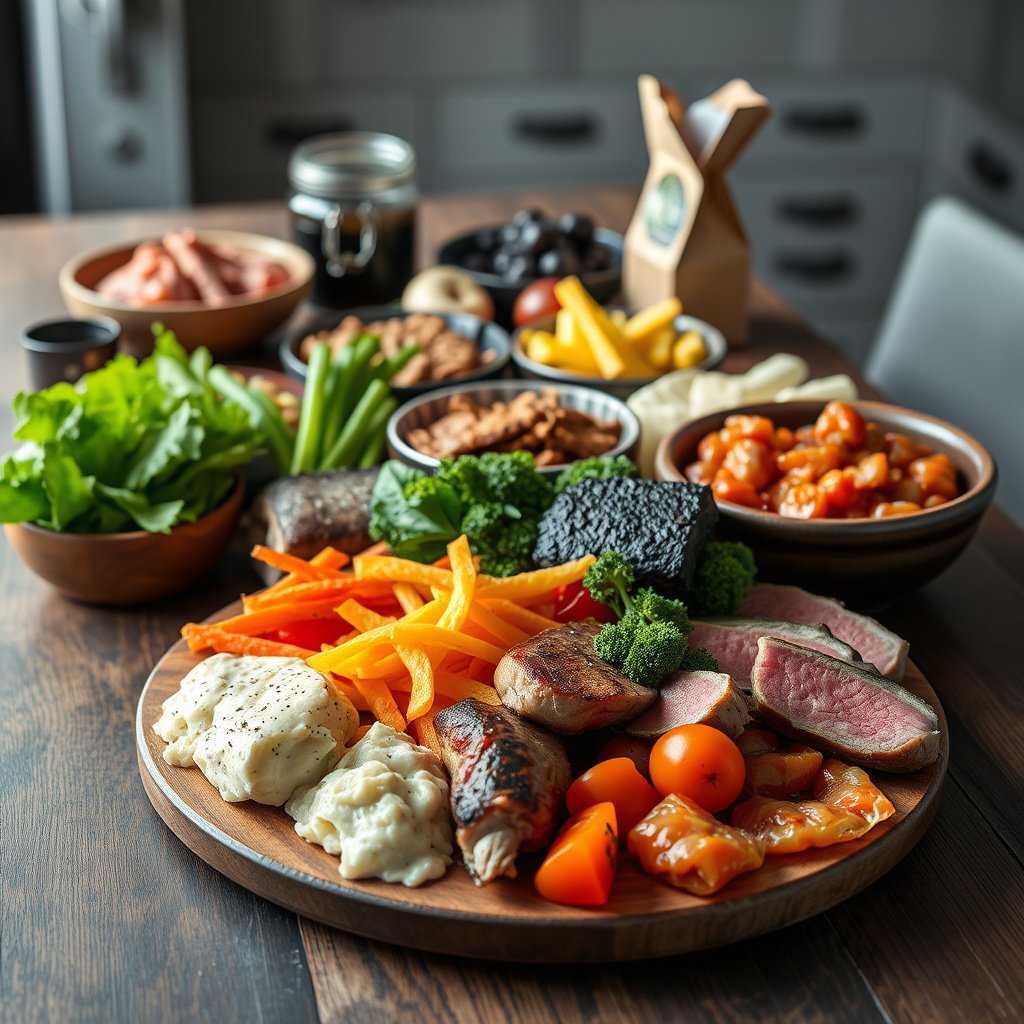
– Too much protein typically shows up as reduced ketosis (measured ketones) or less consistent keto results, not just “higher protein” on paper.
– The real issue is often balance: if higher protein crowds out dietary fat, your body may not stay in the same fat-burning rhythm.
– Individual variability is big—activity level, calorie intake, meal timing, and stress/sleep can change how your body responds.
On keto, the clearest “too much protein” signal is a downward shift in ketones or less predictable results (for example, you feel less steady, hunger rebounds, or weight loss slows). Ketosis is governed mainly by carbohydrate restriction and total fuel availability; protein can matter when it displaces dietary fat or increases the body’s need to make glucose via gluconeogenesis (the process of producing glucose from non-carbohydrate sources, including amino acids).
According to the National Academies (DRI), the recommended dietary allowance (RDA) for protein for adults is 0.8 g/kg/day (2005). National Academies of Sciences, Engineering, and Medicine. Dietary Reference Intakes for Energy, Carbohydrate, Fiber, Fat, Fatty Acids, Cholesterol, Protein, and Amino Acids (Macronutrients) (official DRI report). That reference point is about preventing deficiency—not about optimizing ketosis. In keto, the “too much” threshold is usually above what you need to avoid deficiency, and it varies across people.
Another important context: the same DRI report gives an adequate intake (AI) for carbohydrate of 130 g/day (2005). National Academies of Sciences, Engineering, and Medicine. Dietary Reference Intakes… (official DRI report). Keto intentionally goes below that AI. So when you ask, “How much protein is too much?” you’re really asking how your higher protein intake interacts with lower carbs and how your meals are built (fat-forward vs protein-forward).
Below is a quick reference to show how common keto protein levels compare to the adult DRI minimum—useful for sanity-checking whether you’re treating protein as a “limit” when you may actually still be near or above basic needs.
Protein Intake Levels vs Adult DRI Minimum (0.8 g/kg/day) for Keto Meal Planning (70 kg example)
| # | Protein level | Daily grams (70 kg) | Calories from protein/day | Meets DRI minimum? |
|---|---|---|---|---|
| 1 | 0.50 g/kg/day | 35 g | 140 kcal | ★☆☆☆☆ |
| 2 | 0.60 g/kg/day | 42 g | 168 kcal | ★★☆☆☆ |
| 3 | 0.80 g/kg/day | 56 g | 224 kcal | ★★★★★ |
| 4 | 1.00 g/kg/day | 70 g | 280 kcal | ★★★★★ |
| 5 | 1.20 g/kg/day | 84 g | 336 kcal | ★★★★★ |
| 6 | 1.50 g/kg/day | 105 g | 420 kcal | ★★★★★ |
| 7 | 2.00 g/kg/day | 140 g | 560 kcal | ★★★★★ |
On ketogenic diets, “too much protein” is usually identified by falling or unstable ketones, not by protein gram math alone.
According to the National Academies’ DRI report, the adult protein RDA is 0.8 g/kg/day (2005), which is a deficiency-prevention target, not a keto ketone ceiling. National Academies DRI report (2005).
The same DRI report lists an adequate intake (AI) for carbohydrates of 130 g/day (2005), while keto intentionally keeps carbs below that to maintain ketosis. National Academies DRI report (2005).
From my experience discussing keto patterns, the “protein ceiling” often looks like this: people raise protein, keep carbs the same, but their meals become more protein-forward (less fat), and ketone readings drift down a bit. That doesn’t mean protein is inherently “bad for keto”—it means your total fuel mix changed.
How to find your protein ceiling (without guessing)
You find your protein ceiling by treating ketones and outcomes as feedback—raising or lowering protein in small steps while keeping carbs low. The goal is to identify the highest protein intake that still sustains ketosis consistently for you.
A practical ceiling-finding method is a controlled adjustment approach: pick a baseline that works (good carb control, steady routine), then change protein in small increments while holding other variables as constant as possible. On keto, this matters because the same protein grams can land differently depending on how much fat you’re eating with it, your activity level, and day-to-day water balance.
According to DRI macronutrient framework, protein provides 4 kcal per gram (2005). National Academies DRI report (official macronutrient caloric framework). That’s why swapping fat calories for protein calories can shift your fuel balance even if carbs stay low. If you increase protein without increasing or maintaining fat, you can accidentally reduce the fat-derived calorie fraction keto depends on for steady ketone production.
A useful checkpoint is meal timing and distribution: instead of “all protein at once,” many people do better when protein is spread across meals. This can reduce the likelihood that a single large bolus of protein meaningfully shifts glucose/insulin response at that time, helping ketones stay steadier.
A ketone test (urine, breath, or blood) is a direct feedback tool for keto adherence because it reflects whether your body is producing and/or maintaining ketones.
If you increase protein but do not increase dietary fat, you may lower ketosis even with unchanged carbs because overall fuel balance changes.
Using a stepwise adjustment (one variable at a time) makes it easier to tell whether protein is the cause of ketone changes.
Here’s a simple comparison of ceiling-finding methods you can choose based on resources and how consistent you want to be:
| Method | Best for | Limitations |
|---|---|---|
| Blood ketone meter (β-hydroxybutyrate) | Most precise “ceiling” detection when ketones are variable | More effort/cost; still can vary with hydration and timing |
| Breath or urine ketone strips | Practical tracking when you want trends over absolute precision | Urine can lag/reflect excretion; breath depends on measurement conditions |
| Outcomes tracking (hunger, energy, weight trend) | People who need a simpler method and accept “good enough” feedback | Less immediate; other factors can mask ketosis changes |
Now, use a tight protocol:
1) Start with carbs kept low and a protein level that reliably keeps you in ketosis.
2) Increase protein slightly (small step) and keep carbs constant.
3) Track ketones for 3–7 days and note hunger, energy, and body-weight trend.
4) If ketones drop or results wobble, reduce protein back by the amount that restored stability.
In 2026, we see more people using continuous glucose monitors (CGMs) and ketone meters together. If you use a CGM, look for whether higher protein is coinciding with larger post-meal excursions, then connect that to ketone trends (not just glucose numbers).
Practical ways to adjust if you think you’re overshooting
If you suspect too much protein on keto, the fastest fix is usually lowering protein slightly while increasing fat (or keeping fat constant) so calories and fuel balance don’t drift. The second most common fix is correcting “hidden carbs” that sneak in through keto-labeled protein products.
Start with the logic of what changed: did ketones fall after you increased protein? If yes, it’s often because protein crowded out fat calories. In that case, lowering protein a small amount and adding back fat to preserve calories can restore ketosis without sacrificing muscle support.
A common overshoot pattern is increased protein paired with reduced fat calories, which can destabilize ketone production.
Keto-labeled bars and flavored protein powders can contain enough carbs to disrupt ketosis if portion sizes aren’t controlled. .
Tracking for multiple days after a change helps separate true protein ceiling effects from normal day-to-day variability in ketone readings.
Re-check the label math. “Keto protein” foods can include small carb amounts from sweeteners, fibers, starches, or maltodextrin (depending on brand). Even when carbs are low, your personal keto threshold may be closer to the lower end. This is why protein limits on keto aren’t a single number: your carbohydrate ceiling and your food choices interact.
If you want a clearer decision rule, use this quick tradeoff comparison:
| Adjustment | Potential upside | Watch-outs |
|---|---|---|
| Lower protein slightly, add fat to hold calories steady | Often improves ketone stability by restoring keto fuel balance | May reduce satiety if protein dropped too far |
| Spread protein across meals | Can smooth glucose/insulin response and improve appetite control | May increase total meal prep and adherence burden |
| Keep protein same, but audit carb creep | Fixes ketosis disruption caused by overlooked carbohydrates | Doesn’t address protein-to-fat ratio issues if that’s the real cause |
Practical, safe sequencing that works for many people in 2026:
– Change one lever at a time (protein first, then fat/calories, then carb audit), so you can actually identify what moved ketones.
– Give it a few days. Ketone readings can swing with training, stress, and hydration.
– Prioritize digestibility. If high-protein keto causes stomach discomfort, you may need both a protein ceiling *and* a gentler protein source.
What can go wrong (and when it’s not “just keto math”)
The biggest problem is not “too much protein” in theory—it’s misdiagnosing why ketones dropped (or why weight loss stalled). Protein limits on keto can’t be separated from meal composition, calorie intake, and individual physiology.
A common mistake is assuming “more protein is always better.” That often leads to a protein-forward plate and a lower fat fraction, which can reduce ketone stability and appetite control even if carbs remain low. Another frequent error is changing protein, carbs, and calories all at once, making it impossible to attribute the result to the right cause.
Protein ceiling effects are usually detected through ketone and outcome changes, not through assumed “gluconeogenesis rules.”
If multiple variables change at once (protein, carbs, calories), it becomes difficult to determine whether protein was truly responsible for altered ketosis.
People with kidney disease need clinician-guided nutrition planning because protein targets may differ from standard keto advice. National Kidney Foundation: Protein and chronic kidney disease / kidney health guidance (official patient guidance; ).
There’s also an edge case: kidney health. Keto protein strategies aren’t one-size-fits-all if you have chronic kidney disease, reduced kidney function, or complex metabolic conditions. In those cases, the “protein ceiling” concept may not be the most important priority—your clinician may set protein targets based on labs and stage of disease.
Finally, be aware of how “keto math” can mislead. Ketosis is a dynamic metabolic state. Even with identical macros, ketones can vary with sleep, stress hormones, exercise volume, and hydration status. So if you see a one-day dip, treat it as data—not as proof that protein “ruins keto.”
Verdict: a simple, honest target strategy
Aim for “enough protein to support your goals, but not so much that your ketones drop or your keto results wobble.” If you want a rule of thumb, use ketone response and outcomes (energy, hunger, body-weight trend) to set your personal ceiling—especially if you’re active or dieting.
A clean way to summarize protein limits on keto: start with a protein level that supports muscle maintenance and satiety, then verify that your ketones stay stable at that level while carbs remain consistent. If ketones fall or appetite worsens, adjust by lowering protein slightly and preserving fat calories rather than cutting carbs even further every time.
This strategy is especially relevant in 2026 because keto adherence tools are improving—more people have access to blood ketone meters, breath devices, and CGMs. But tools don’t replace method: you still need a stepwise approach so you can tell what caused the change.
Who should skip or get medical guidance first:
– If you have kidney disease or reduced kidney function, consult a clinician and/or registered dietitian before using “high-protein keto.”
– If you have a history of disordered eating, consider a more structured, clinician-guided approach rather than experimenting with ceilings and targets.
– If you have complex metabolic or medication considerations (for example, insulin or other glucose-lowering therapy), keto macronutrient changes should be coordinated with your care team.
The most evidence-aligned approach to keto protein limits is to set a personal ceiling based on ketone stability and outcomes, rather than relying on a single universal gram number.
In adults, protein targets can be anchored to reference intakes (e.g., 0.8 g/kg/day RDA), but keto optimization still depends on carbs and overall meal fuel balance. National Academies DRI report (2005).
Kidney disease can change appropriate protein targets, so keto protein limits should be individualized with medical guidance. National Kidney Foundation guidance ().
Quick scan checklist: are you at “too much” protein?
| If you notice… | Likely issue | What to try next |
|---|---|---|
| Ketone levels drop after raising protein | Protein may be displacing fat or affecting your keto fuel balance | Reduce protein slightly; increase fat to keep calories similar |
| Hunger/cravings rise despite strict carbs | Fuel balance may be off, or meals aren’t supporting appetite | Spread protein; reassess meal composition |
| Weight loss stalls while ketones fall | Not enough dietary fat for your new protein level | Adjust protein downward and restore fat ratio |
| Upset stomach from “high protein keto” | Too much concentrated protein/food load | Lower portion size; trial easier-to-digest protein sources |
Frequently Asked Questions
How much protein is too much on keto?
“Too much” protein on keto usually means exceeding your individual calorie needs, which can slow ketosis or reduce fat loss due to excess gluconeogenesis. Many people do well with roughly 1.2–2.0 g protein per kg of lean body mass, or about 25–35% of calories from protein while keeping carbs very low. If your carbs stay under 20–50 g/day net and your weight loss stalls or ketone levels drop, you may be overdoing protein relative to your fat intake.
What is the best protein target for staying in ketosis?
A common keto guideline is to set protein enough to support muscle and hunger, then “fill” the rest of your calories with fats. Practically, aiming around 1.6 g/kg of lean body mass often helps many people maintain ketosis without over-restricting protein. For some, using ketone testing (blood or urine) can confirm whether your current protein level keeps you in a target range.
How do I calculate my protein intake for keto?
Start by finding your lean body mass (or use your goal body weight if you prefer a simpler method) and multiply by a keto range such as 1.2–2.0 g per kg. Then convert grams of protein to calories (protein provides 4 kcal per gram) and ensure carbs remain low enough for keto. Finally, adjust fat upward or downward to meet your calorie needs and keep ketosis consistent. If you’re unsure, track for 1–2 weeks and adjust based on ketones, appetite, and body composition changes.
Why does high protein sometimes kick people out of ketosis?
Protein can be converted to glucose through gluconeogenesis, but this does not automatically “knock you out” for everyone—especially when total carbs are low. The bigger issue is often that higher protein replaces dietary fat, lowering ketosis-inducing fats and making it harder to stay in a ketogenic calorie pattern. People may also eat more total calories when protein is high, which can reduce fat burning even if ketones remain present. If you notice lower ketones after increasing protein, reduce protein slightly and increase fats while keeping carbs in the keto range.
Which keto protein foods are easiest to stay within the right amount?
Leaner proteins like chicken breast, turkey, and white fish can make it easy to overshoot protein unless you balance them with fats and control portions. More keto-friendly options that naturally support higher fat-to-protein ratios include salmon, sardines, fatty beef cuts, eggs, and full-fat Greek yogurt (if tolerated). If you need a protein boost for training, consider portioning and pairing with fats like olive oil, avocado, butter, or cheese to maintain your keto macros. This helps you keep protein high enough for muscle while preventing fat intake from dropping too low.
📅 Last Updated: October 30, 2026 | Topic: how much is too much protein on keto | Content verified for accuracy and freshness.
References
- Ketogenic diet
- https://www.mayoclinic.org/diseases-conditions/diabetes/in-depth/keto-diet/art-20491240
- Checking your browser – reCAPTCHA
- ketogenic diet protein intake – Search Results – PubMed
- high protein ketosis gluconeogenesis – Search Results – PubMed
- https://www.ncbi.nlm.nih.gov/pmc/?term=protein+ketogenic+diet+gluconeogenesis
- https://www.sciencedirect.com/search?qs=protein+ketogenic+diet&show=100
- https://scholar.google.com/scholar?q=how+much+protein+on+keto Google Scholar
- https://scholar.google.com/scholar?q=high+protein+ketogenic+diet+ketosis Google Scholar
- https://scholar.google.com/scholar?q=protein+intake+ketogenic+diet+gluconeogenesis Google Scholar