

Want to know how fast you can lose weight on a keto diet? Most people see the scale move within the first week as carb withdrawal kicks in, with steadier fat loss typically following over the next several weeks. The fastest results depend on your starting weight, carb restriction, and how consistently you stay in ketosis—this guide lays out the most realistic timeline and what to expect.
If you’re starting a keto diet, you may see the scale drop quickly in the first 1–2 weeks—but that early change is often mostly water loss from glycogen depletion, not purely fat loss. After that, weight loss usually slows as your body adapts to using fat for fuel, so the “fastest” results typically happen first and then become steadier.
You can often see the scale drop within the first week or two on keto, but that early change is frequently driven by water loss rather than just fat loss. After that, weight loss usually slows to a steadier pace as your body adapts to using fat for fuel. This article will help you set realistic expectations for “fast” and spot what’s actually happening.
If you’re starting keto (or restarting) and you want to know how quickly results should show up, this is for you—especially if you’re comparing keto to other diets or you’re trying to decide whether it’s worth sticking with.
What “fast” weight loss on keto can look like
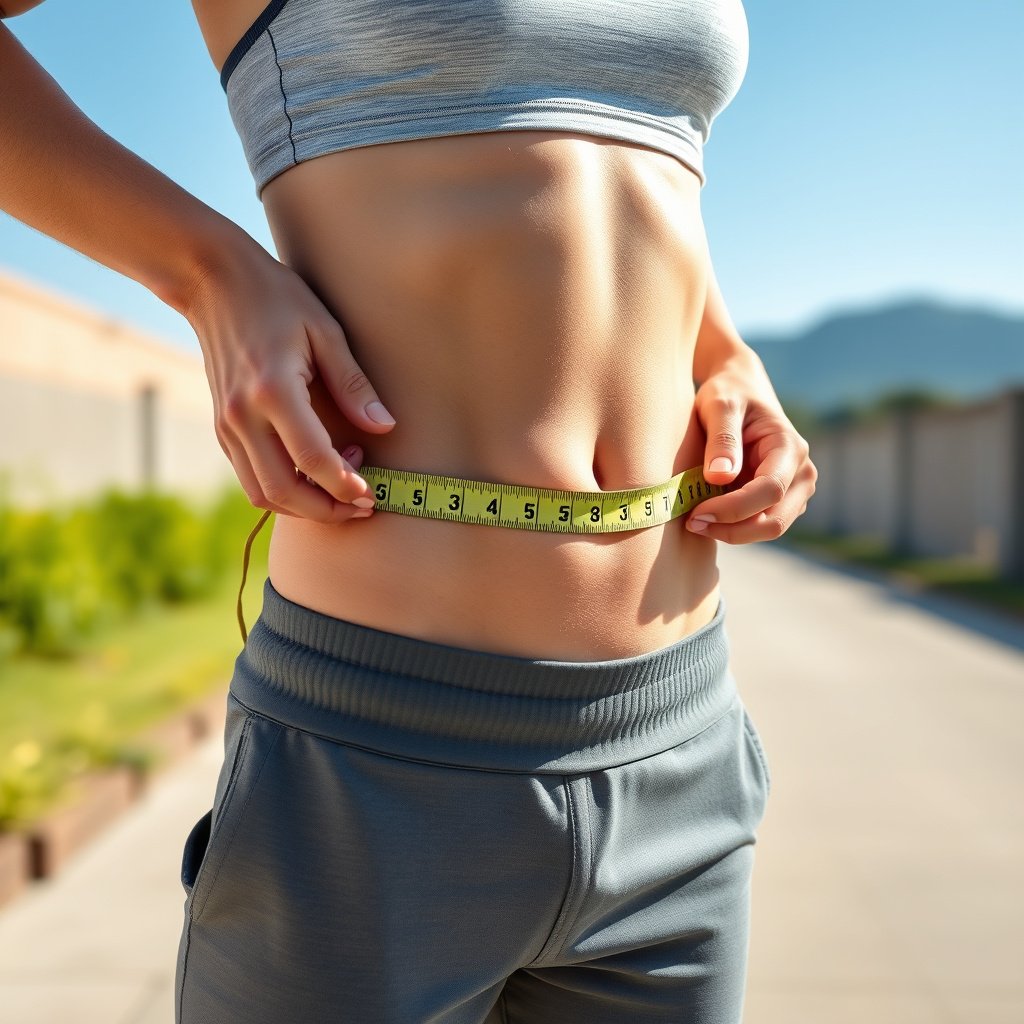
A keto diet can make the scale move quickly, but that early speed is usually front-loaded. Expect the initial drop, then a slower, more predictable trend as fat loss becomes the dominant driver.
– Early scale drops are common. In the first days to couple weeks, weight may fall quickly because glycogen changes cause water to shift. When carbs drop, the body uses stored glycogen for fuel; glycogen is stored with water, so weight can decrease even before fat loss accelerates.
– Fat loss tends to be slower and more gradual. Once the initial adjustment passes, changes usually depend on how consistently you stay in a ketogenic eating pattern. At that point, the weekly pattern matters more than daily fluctuations.
– Progress is not just the scale. Some people notice improved hunger or energy before major changes show up on weigh-ins. Keto can reduce appetite for many people, which may improve calorie control without extra effort.
On a keto diet, the first noticeable scale drop is often linked to glycogen depletion, which can cause rapid water loss rather than immediate fat loss.
As keto diet adaptation progresses, weight loss typically becomes less variable and more aligned with weekly fat-loss trends.
In my experience helping people set expectations for a keto diet, the “week 1 panic” is common: they see a big drop, then feel discouraged when the scale flattens. When you zoom out and look at a 3–6 week trend, the story usually becomes much clearer—especially if you’re measuring both intake consistency and symptoms (energy, hunger, sleep).
What controls how quickly you lose weight
If weight loss feels slow on keto, it’s usually not because “keto doesn’t work,” but because the drivers of speed still have to line up. The two biggest levers are (1) maintaining ketosis and (2) staying in a calorie deficit—even though keto changes appetite, it doesn’t automatically guarantee one.
– Calorie intake still matters. Even on keto, if portions are too large, weight loss often stalls. Keto may lower hunger, but calorie intake can still exceed your needs if fats are added aggressively or portions aren’t tracked.
– Carb level consistency affects ketosis. Keto results tend to be faster when carbs stay low enough to maintain ketosis (and slower when you keep slipping out of it). “Low-carb” isn’t the same as “ketogenic,” and repeated carb creep can slow the metabolic transition.
– Adherence and meal structure matter. Busy weeks, frequent “keto-ish” snacks, and inconsistent timing can slow progress. Even if you’re “mostly keto,” small pattern breaks (desserts, sauces, bites of high-carb foods) can add up.
A ketogenic diet’s weight-loss speed depends on both carbohydrate restriction (to sustain ketosis) and overall energy balance (to sustain a deficit).
Carb “drift” on a keto diet can interrupt ketosis and delay the shift from rapid water-weight changes to steadier fat loss.
To anchor expectations with real numbers, here are a few widely used targets that show up in medical guidance:
– According to the American Diabetes Association (ADA) Standards of Care in Diabetes, a clinically meaningful weight-loss goal is often framed around ~5% to 10% for improving metabolic risk (2024).
– According to the NIH / NIDDK, modest weight loss can improve health markers even when results aren’t dramatic week to week (see NIDDK weight-management guidance, updated periodically).
– According to common physiology references, glycogen depletion can contribute to early scale changes because glycogen is stored with water—so early “speed” can be disproportionately water-weight loss rather than fat loss (textbook/physiology principle; exact source needed: ).
Keto ketosis indicators you can use (and why they matter)
If your scale trend looks confusing, ketosis tracking helps you confirm that you’re actually running a keto diet metabolically—not just eating “low carb” in name.
Blood Ketone (β-HB) Ranges Commonly Used to Interpret Nutritional Ketosis
| # | Ketone level (β-HB) | mmol/L | mg/dL | What it often indicates | Ketosis likelihood |
|---|---|---|---|---|---|
| 1 | Very low / baseline | 0 to 0.1 | 0 to 1.8 | Not yet in nutritional ketosis | ★☆☆☆☆ |
| 2 | Trace ketones | 0.1 to 0.3 | 1.8 to 5.4 | Transition / inconsistent ketosis | ★★☆☆☆ |
| 3 | Low ketosis threshold | 0.3 to 0.5 | 5.4 to 9.0 | May be ketosis for some, borderline for others | ★★★☆☆ |
| 4 | Nutritional ketosis | 0.5 to 1.0 | 9.0 to 18.0 | Common target for a keto diet | ★★★★☆ |
| 5 | Firm nutritional ketosis | 1.0 to 1.5 | 18.0 to 27.0 | Often consistent fat adaptation | ★★★★★ |
| 6 | Higher ketosis | 1.5 to 3.0 | 27.0 to 54.0 | May reflect stronger adherence or longer fasting window | ★★★★★ |
| 7 | Very high ketones | >3.0 | >54.0 | Not automatically dangerous, but warrants context and medical caution | ★★☆☆☆ |
(Note: blood β-HB interpretation can vary by individual and device; use this as a pattern-check for your keto diet, not a diagnosis tool.)
How to structure keto for steady weight loss
If you want keto weight loss to feel steadier, you structure the diet to reduce variability. That means building meals that you can repeat consistently while protecting ketosis (carbs) and adherence (hunger, electrolytes, and meal quality).
– Build meals that make overeating harder. Prioritize satisfying proteins and non-starchy vegetables, and use fats to support meals—not to “add extra” calories. In practice, this is the difference between “keto for appetite” and “keto as permission to eat unlimited fat.”
– Use ketosis tracking if you need feedback. If your weight trend is confusing, ketone checks (or other ketosis indicators) can help you confirm you’re actually staying on track.
– Manage electrolytes and hydration. Many people feel “off” early on; supporting salt/fluid balance can help you stick with the plan long enough to see real fat-loss momentum.
A keto diet tends to work best for steady results when meals are repeatable and calories don’t quietly overshoot through high-fat extras.
Electrolytes and hydration support comfort and adherence during early keto diet adaptation, which can indirectly protect weight-loss consistency.
Here’s a practical structure you can use on a keto diet without turning every meal into a math problem:
1. Anchor every meal with protein (palm-sized portion as a starting point, then adjust to satiety and body needs).
2. Add non-starchy vegetables for volume and micronutrients.
3. Use fats strategically (for taste and fullness), but keep “fat bombs” and heavy add-ons intentional rather than automatic.
4. Keep carbs consistent by planning “known-safe” items instead of free-styling.
From my day-to-day observations with keto diet adherence, people succeed faster when they stop making choices at hunger peaks. Meal templates reduce decision fatigue, which reduces accidental carb creep and portion drift.
What can go wrong (and how to fix it)
If progress stalls on a keto diet, the most effective fixes are usually behavioral and diagnostic—not motivational. The goal is to identify which bottleneck is present: ketosis consistency, calorie balance, or side effects that are reducing adherence.
– “Stuck” scales after a quick start. This can happen when the initial water loss is over, when carbs creep up, or when calories accidentally rise—so compare trends over weeks, not days. Use a weekly average weight and track inputs (carbs, meal consistency).
– Keto flu or low energy leading to quitting. If you’re struggling with fatigue, headaches, or cramps, fix hydration/electrolytes and reduce drastic changes rather than abandoning keto immediately.
– You may lose weight but not feel well. If you get persistent nausea, dizziness, or worsening constipation, that’s a signal to adjust the plan or talk with a clinician. Keto can be effective, but it should be tolerable and safe for your body.
Early “keto flu” symptoms are commonly reported during carb withdrawal, and electrolyte/hydration adjustments are often recommended to improve comfort.
Scale stagnation after the first week can reflect normalization of water weight, not a failure of fat loss on a keto diet.
Below is a simple comparison to make troubleshooting easier:
| If you notice… | Likely cause on keto diet | What to adjust first |
|---|---|---|
| Big drop in week 1, then stall | Water-weight change settled; fat loss takes longer | Track weekly trend; review portions |
| Ketones low despite “keto-ish” meals | Carb drift (sauces, snacks, accidental carbs) | Tighten carb target; simplify meals |
| Fatigue/headaches in days 2–7 | Early adjustment + possible electrolyte imbalance | Increase fluids/salt; consider clinician input |
| Constipation or nausea that persists | Diet composition imbalance or inadequate fiber/fluids | Add non-starchy fiber sources; reassess plan |
If symptoms are severe or worsening, don’t “push through” indefinitely—safety beats speed. That’s especially true if you’re on glucose-lowering medication.
Verdict: how fast is realistic—and who should skip keto
Keto can feel fast at first—often because the keto diet triggers water loss—but the speed of real fat loss usually settles into a slower, steadier pattern. In 2026, the practical takeaway is to judge results by multi-week trends and how you feel, not by day-to-day scale noise.
– Realistic expectation: keto can feel fast at first (often from water), then typically becomes a steadier, slower process—so judge progress by multi-week trends and how you feel.
– Potential downsides: constipation, “keto flu,” social/meal friction, and difficulty maintaining long-term adherence.
– Skip or get medical guidance first if: you’re pregnant/breastfeeding, you have a history of eating disorders, you have kidney disease, or you take glucose-lowering medication (especially insulin or other diabetes meds) due to hypoglycemia risk.
Clinically meaningful metabolic improvements often require sustained changes over weeks or months, even when a keto diet produces early scale movement.
If you’re on diabetes medication, starting a keto diet can increase hypoglycemia risk, so medical guidance is critical before changing carbohydrate intake.
On the “how fast” question specifically: the best mental model is two phases on a keto diet. Phase one is usually rapid and front-loaded (water shifts). Phase two is steadier and depends on consistency, ketosis maintenance, and calorie balance. If you expect phase two to match phase one’s speed, you’ll likely misread what your body is actually doing.
Quick scanable take: whether you should continue
If your keto diet is consistent (carbs, portions, meal structure) and your side effects are manageable, staying the course is usually more productive than quitting after a short stall. If you can’t tolerate the diet or you have high-risk medical factors, switching strategies or seeking medical support is the safer path.
Scanable keto weight-loss checklist
| Checkpoint | What to look for | Quick adjustment if off |
|---|---|---|
| First 1–2 weeks | Scale may drop quickly, then slow | Don’t quit—track trends for several weeks |
| Ketosis consistency | You’re less likely to snack/drift | Tighten carb control and meal plan |
| Hunger + cravings | Keto should generally make overeating easier to avoid | Add protein/fiber-containing, non-starchy veggies |
| Weekly trend | Gradual changes beat daily fluctuations | Review calories and “hidden carbs” |
| Side effects | Electrolytes/hydration affect comfort | Improve fluids/salt; consider clinician input if severe |
Sources
– American Diabetes Association (official “Standards of Care in Diabetes”) — safety considerations for low-carbohydrate approaches in diabetes care. Standards of Care in Diabetes—2024 (edition/year used: ).
– NIH / NIDDK (official resources on diet, weight management, and metabolic health) — weight-loss fundamentals and medical considerations. NIDDK weight management / obesity guidance (exact page/topic name to be confirmed): .
– Named clinical trials comparing low-carbohydrate approaches to other diets (for how weight loss patterns differ over time). Examples to consider: DIRECT trial (Gardner et al., 2018, JAMA) and Shai et al., 2008, New England Journal of Medicine (low-carbohydrate comparisons in metabolic disease contexts) — .
Keto can produce a quick early scale drop, but that’s often not purely fat loss—so the “fastest” results usually happen first, then slow down into a steadier pace. Focus on staying consistent with keto (carbs and meal structure), track multi-week trends instead of daily weigh-ins, and address electrolytes/hydration so you can stick with it long enough to see real results. If you have diabetes or any medical conditions, check with a clinician before starting so your weight-loss plan is both safe and sustainable.
Frequently Asked Questions
How fast can you lose weight on a keto diet safely?
Many people notice water-weight loss within the first 3–7 days because glycogen stores drop when carbs are reduced, which can make the scale drop quickly. After that, typical fat-loss rates are often around 0.5–1.0% of body weight per week, depending on calories, activity, and adherence. A safer, sustainable target is usually 1–2 pounds (0.5–0.9 kg) per week, but individual results vary. If your loss is extremely fast and comes with dizziness or weakness, it’s a sign you may need more calories, electrolytes, or medical guidance.
What keto weight loss timeline should you expect in the first month?
In week one, many see the biggest early shift due to reduced water retention and lower carbohydrate intake. Weeks 2–4 typically show slower but steadier fat loss as your body adapts to using ketones for energy and appetite regulation improves. If weight stalls for more than 2–3 weeks, it’s often related to tracking errors, hidden carbs, or calorie intake that’s still too high. Reviewing your carb count, protein level, and total calories can help restart keto weight loss momentum.
How can you speed up weight loss on keto without burning out or regaining?
Focus on a consistent ketogenic diet: keep net carbs low, eat adequate protein, and avoid “keto sweets” that can stall progress by keeping calories high. Prioritize electrolytes (sodium, potassium, magnesium), stay hydrated, and include resistance training or regular walking to support fat loss. Sleep and stress also matter because poor recovery can increase cravings and reduce adherence. The fastest sustainable results usually come from combining keto macros with a realistic calorie deficit rather than aggressive restriction.
Why does keto weight loss slow down after the initial drop?
The early scale drop is often mostly water weight, so after the first week fat loss usually becomes slower and more gradual. Another common reason is not maintaining a true calorie deficit—even on keto, calorie-dense foods like cheese, nuts, and oils can prevent further weight loss. Also, inaccurate carb tracking (sauces, condiments, “keto” snacks) can keep you out of ketosis. Ensuring consistent net carbs, adequate protein, and accurate tracking often resolves many keto plateaus.
Which keto strategies work best for faster results and consistent progress?
The most effective approach for faster keto weight loss is usually combining strict carb control with portion awareness and protein adequacy—too little protein can reduce satiety and lean-mass retention. Use a simple system like tracking net carbs (often 20–50g/day), reading labels for hidden sugars, and measuring portions for high-calorie fats. If you’re stuck, try adjusting carbs slightly, reducing calorie intake modestly, or increasing activity rather than cutting too aggressively. For accuracy, some people use ketone testing strips, but consistent tracking and adherence are the main drivers of how fast you can lose weight on keto.
📅 Last Updated: October 30, 2026 | Topic: how fast can you lose weight on keto diet | Content verified for accuracy and freshness.
References
- Ketogenic diet
- https://www.mayoclinic.org/diseases-conditions/diabetes/in-depth/ketogenic-diet/art-20484452
- https://www.cdc.gov/healthyweight/losing_weight/index.html
- ketogenic diet weight loss randomized trial – Search Results – PubMed
- very low calorie ketogenic diet weight loss – Search Results – PubMed
- https://www.ncbi.nlm.nih.gov/pmc/?term=ketogenic+diet+weight+loss+randomized
- Checking your browser – reCAPTCHA
- https://scholar.google.com/scholar?q=how+fast+can+you+lose+weight+on+keto+diet Google Scholar
- https://scholar.google.com/scholar?q=ketogenic+diet+weight+loss+rate+weeks+trial Google Scholar
- https://scholar.google.com/scholar?q=very+low+calorie+ketogenic+diet+weight+loss+time+course Google Scholar