

On keto, most meal plans are structured around keeping carbohydrates low rather than tracking total calories. So, no—you usually do not need to calorie count to lose weight on keto. The main reason is that carb restriction tends to reduce hunger and stabilize your appetite, which makes staying in a calorie deficit automatic for many people.
You don’t have to calorie count on keto to be “doing it right,” but you may need to count (or at least measure) if fat-heavy meals are causing overeating or if weight loss stalls. Keto often reduces hunger for many people, so strict calorie logging isn’t always necessary at first—but weight change still depends on energy balance, even when carbs stay low.
This is for you if you’re starting keto, trying to lose weight, or wondering whether logging food calories will help (or just add stress). It’s especially relevant if you’re eating keto foods (but not seeing the scale move).
Do you need to calorie count on keto?
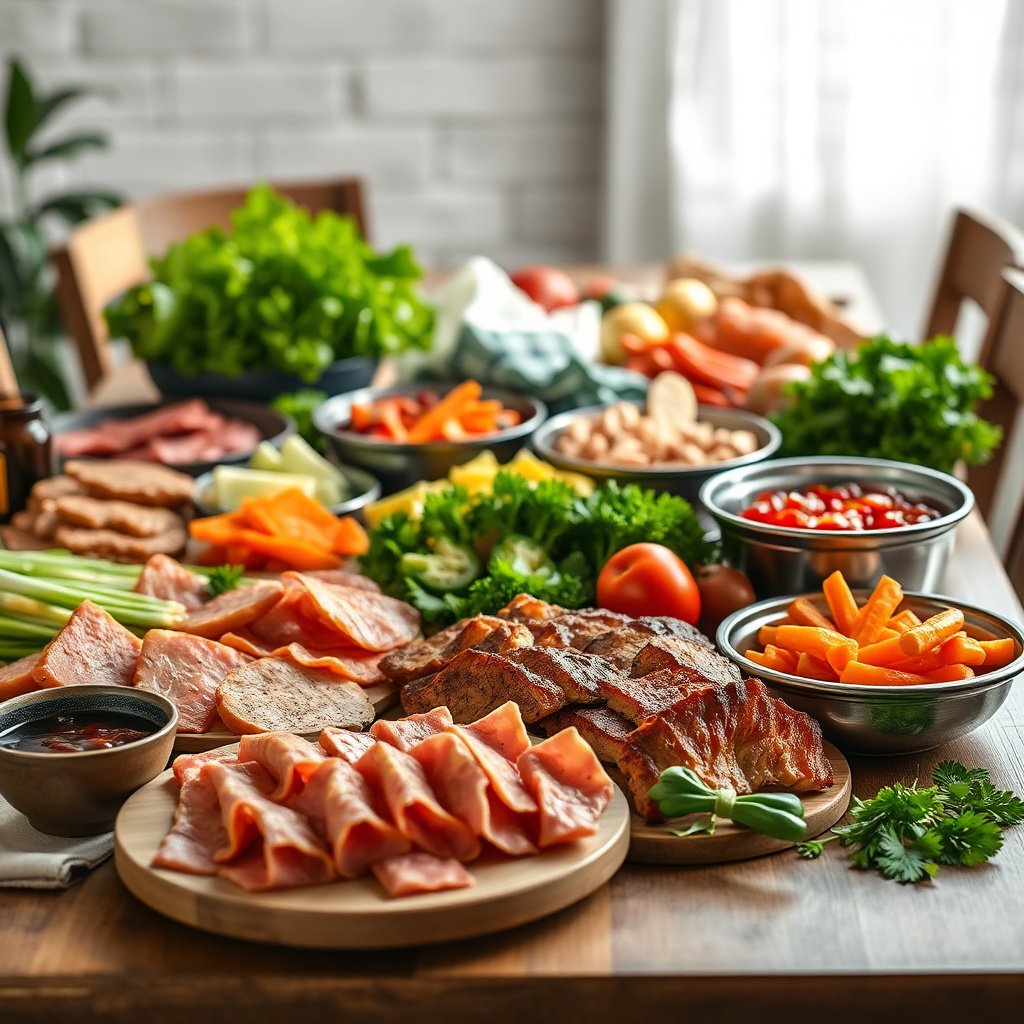
On keto, the primary lever is keeping carbohydrates low and hitting your protein target—not automatically tracking every calorie forever. That said, calorie awareness matters because keto foods can be extremely energy-dense (especially fats), and “keto” doesn’t prevent excess intake on its own.
– Keto focuses on keeping carbs low and hitting your fat/protein targets, not automatically tracking every calorie.
– If keto lowers your hunger, you may naturally eat fewer calories without counting.
– Calorie counting becomes more important when portions (especially fats) drift upward or progress slows.
Why keto can work without calorie counting
When people start keto, many experience appetite reduction. That can make it easier to eat in a deficit without measuring meals. In practical terms, if you feel satisfied, stop snacking, and your portion sizes stay consistent, you may lose weight without ever opening a calorie-tracking app.
Still, it helps to separate two ideas:
1) Keto is a carb-control strategy (to shift metabolism toward ketone production).
2) Fat loss is an energy-balance outcome (to create a deficit over time).
Those can align naturally—until they don’t.
The energy-balance reality (even on keto)
Calories don’t disappear on keto. Fat contains 9 calories per gram—higher than carbohydrate or protein (each 4 calories per gram) according to U.S. Food and Drug Administration nutrition labeling conventions (U.S. Food and Drug Administration (FDA), Nutrition Facts energy values). That’s one reason “healthy keto fats” can quietly push totals higher if portions expand.
And weight-loss expectations are still tied to deficits: according to NIDDK’s weight-loss guidance, losing weight often requires creating an energy (calorie) deficit, with commonly cited targets of roughly 500–1,000 fewer calories per day to support about 1–2 pounds per week (U.S. National Institute of Diabetes and Digestive and Kidney Diseases (NIDDK), weight-loss guidance emphasizing calorie deficit). Keto may make the deficit easier, but it doesn’t replace it.
When calorie counting actually matters on keto
Calorie counting (or at least measured tracking) becomes useful when keto is “working” on paper but not in results. If the scale stalls while you’re still eating lots of fat-based foods, calories are often the hidden variable—not carbs.
– Your weight-loss results stall even though you’re “staying keto” (low carbs, no obvious cheats).
– You’re using calorie-dense keto foods freely (nuts, cheese, cream, butter, keto desserts) without portion limits.
– You’re not sure whether your protein and fat targets are accurate, or you’re estimating sizes (like “a handful” or “a drizzle”).
The “keto but more calories” pattern
A common situation (I see this frequently in keto education and coaching discussions) is: carbs drop, ketosis markers look fine, and yet weight loss doesn’t happen. The reason is usually one of these:
– Fat portions creep upward (oils, butter, cheese, nuts).
– Snacking continues because keto foods are still highly palatable.
– Protein intake is off, which can change hunger timing and reduce meal structure.
Even if ketosis is maintained, that doesn’t guarantee a calorie deficit.
Keto foods are calorie-dense—here’s the part that surprises people
Below are seven commonly eaten keto items and how many calories they pack into a typical portion. The takeaway isn’t that you must measure everything forever—it’s that it’s easy to overshoot when “keto” becomes an “unlimited fat” mindset.
7 Keto Staples and Calories per Standard Serving (typical values)
| # | Keto food | Calories | Standard serving | Portion-control ease |
|---|---|---|---|---|
| 1 | Olive oil | 119 | 1 tbsp (14 g) | ★★☆☆☆ |
| 2 | Heavy cream | 104 | 2 tbsp (30 g) | ★★☆☆☆ |
| 3 | Butter | 102 | 1 tbsp (14 g) | ★★★☆☆ |
| 4 | Almonds | 164 | 1 oz (28 g) | ★★☆☆☆ |
| 5 | Cheddar cheese | 114 | 1 oz (28 g) | ★★★☆☆ |
| 6 | Salmon | 240 | 3 oz cooked | ★★★★☆ |
| 7 | Eggs | 78 | 1 large egg | ★★★★★ |
If your “keto” day includes olive oil drizzle, cream in coffee, a cheese-heavy meal, and a snack of nuts, it’s not hard for calories to climb even while carbs stay low.
When you may not need to track calories
You often don’t need to track calories if your keto structure already keeps intake consistent and you’re seeing steady progress. In 2026, many people still use a “minimal tracking” approach successfully—especially when hunger cues are reliable and portion sizes are stable.
– You’re hitting carbs consistently and you feel satisfied most meals.
– Your portion sizes are already controlled (for example, you’re weighing meat and using measured oils).
– Your results are on track (steady loss or clear body-comp goals), and tracking would mainly add friction.
The “results first” test
If your weight trend is moving in the right direction and your meals are repeatable, strict logging may be unnecessary. A good sign is predictable hunger: you eat, you feel satisfied, and you’re not constantly thinking about food.
This is where keto can be psychologically easier than calorie counting. When appetite is lower, you’re less likely to rely on willpower alone. For many people, that’s the difference between adherence and burnout.
A practical “minimal tracking” alternative
Instead of calorie counts, you can use:
– Carb tracking (to confirm you stay in keto range).
– Protein monitoring (to prevent under-eating protein).
– Measured fat portions early on (then loosen as you learn your real amounts).
That approach balances accuracy with sanity.
How to approach keto without over-tracking calories
You can keep keto effective without obsessing over every calorie by tracking the variables that are most likely to drift—especially carbs, protein, and fat portions. For most people, this means “track just enough to steer,” then let satisfaction guide consistency.
– Do “target tracking” first: track carbs daily and protein most days; then use hunger/fullness as a guide for fat.
– If you don’t count calories long-term, consider a short “spot check” (e.g., 3–7 days) to learn your real portions.
– Watch for the usual keto portion traps: calorie-heavy fats, frequent snacking, and “keto” convenience foods.
Target tracking: what to measure and when
A common framework is to track carbs daily (because it’s binary: you’re either within keto range or you’re not), track protein most days (because protein supports satiety and helps preserve lean mass), and only estimate or adjust fat based on hunger.
This “inverted pyramid” approach looks like this:
– Start with carbs to protect ketosis.
– Then lock protein to support structure.
– Use fat as the dial, not the default unlimited bucket.
Comparison: target tracking vs full calorie counting
Below is a simple way to decide what level of tracking fits your situation. In my experience, people do best with the option that they can repeat for months without resentment.
| Approach | Best for | What you track | Main risk | Typical effort |
|---|---|---|---|---|
| Target tracking (carbs + protein) | Early keto, appetite-driven eating | Carbs daily, protein most days | Fat portions drift upward unnoticed | Low–moderate |
| Short spot check (calories/portions for 3–7 days) | Stalls with no obvious mistakes | Calories and portions temporarily | Overreacting to numbers | Moderate (time-limited) |
| Full calorie counting | Strong evidence of overeating or unclear portions | Calories daily, often fat/protein too | Mental load + adherence drop | High |
A short “spot check” can be more calming than strict tracking
If you’re stalled, a brief audit often reveals what’s changing without forcing a forever habit. You’re not doing it to “punish yourself”—you’re doing it to collect data.
From my perspective, the best spot checks are specific:
– measure oils (not “a drizzle”),
– weigh cheese or nuts for a few days,
– and record snacks fully (including beverages with cream).
What can go wrong (common keto calorie mistakes)
Keto can still fail for calorie reasons even when carbs stay low. The most common mistakes are “invisible calories” from fats, inconsistent protein, and using strict restriction to compensate.
– Assuming keto = automatic fat loss. Keto doesn’t override calorie balance; overeating can still prevent weight loss.
– Eating unlimited fat. Many people treat “high fat” as “no limits,” especially with sauces, nuts, and cooking oils.
– Under-eating protein. Going too low on protein can backfire for satiety and body composition, which can make you hungrier later.
– Overcorrecting with extreme restriction. If you feel weak, irritable, or ravenous, aggressive deficit behavior can push rebound eating.
– Thinking “calories don’t matter” means “portions don’t matter.” Even without logging calories, portioning still matters.
The hidden calorie multipliers
A “keto calorie mistake” is rarely a single meal. It’s usually the stack:
– one high-calorie fat at breakfast,
– another fat at lunch,
– a snack that’s easy to free-pour,
– then a “keto dessert” that still carries meaningful calories.
Also watch the difference between carb creep and fat creep. Carb creep can knock you out of ketosis; fat creep can stall weight loss while keeping you in ketosis.
Under-eating protein can worsen hunger
If protein is consistently too low, many people feel less satisfied between meals. This can lead to more snacking or larger portions later—raising total intake even while carbs stay under control.
If you suspect this, use protein target tracking for a couple of weeks before you decide calorie counting is “required.”
Verdict: should you calorie count on keto?
The real answer is conditional: don’t calorie count forever, but do enough measurement to prevent fat and portion creep. If progress stalls or portions are hard to judge, switching to measured tracking for a short period is often the fastest way to regain control.
– Good default: Don’t calorie count forever—use carbs + protein consistency and keep fat portions reasonable.
– Switch to calorie counting (or measured tracking) if: progress stalls, portions are uncontrolled, or you can’t tell what you’re actually eating.
– Who should skip calorie counting: people who reliably lose weight with stable portions and low hunger, or those who find tracking triggers anxiety or disordered eating patterns.
– Downside to counting: it can add mental load, encourage obsessive behavior, and lead to poor adherence if the system feels too strict.
Who should be cautious (or skip tracking entirely)
If tracking calories increases anxiety, leads to binge/restrict cycles, or turns meals into constant math, you may be better served by:
– measured portion templates (e.g., pre-portioned oils and nuts),
– structure-first keto (protein + non-starchy vegetables),
– and a “results trend” approach rather than daily numbers.
That’s not a failure of keto—it’s an adherence strategy.
Frequently Asked Questions
Do you need to calorie count on keto?
You don’t always need to calorie count on keto, especially if you’re focusing on whole foods and eating when you’re genuinely hungry. Many people can lose weight on keto by reducing appetite and cutting out high-sugar foods, which naturally lowers calorie intake. However, if weight loss stalls, calorie counting can help confirm you’re not unintentionally overeating.
How do you know if you should count calories on keto?
If you’re not losing weight after a few weeks, or you have frequent cravings and large portions, calorie counting may be helpful. Tracking for 1–2 weeks can show whether your keto-friendly foods (like nuts, cheese, and keto snacks) are pushing you over your calorie needs. It’s also useful if you’re targeting performance, managing a specific goal, or want more precise control.
Why do some people gain weight on keto even without calorie counting?
Keto doesn’t automatically prevent weight gain—energy balance still matters. Common culprits include overeating calorie-dense keto foods (fats, nut butters, oils), drinking calorie beverages like cream or alcohol, and choosing “keto” treats that are still high in calories. If you’re consistently in a calorie surplus, weight gain can happen even while staying low-carb.
What’s the best keto approach if you don’t want to calorie count?
Prioritize keto macros and food quality: eat non-starchy vegetables, adequate protein, and healthy fats without turning every meal into a high-fat “oil-first” plate. Use hunger and fullness cues, aim for regular meal timing, and limit frequent calorie-dense snacks. A practical rule is to build meals around protein and non-starchy vegetables, then add fat to satiety rather than to a preset calorie target.
Which keto foods are most likely to make you exceed calories?
Even though they fit keto, foods like butter, oils, cream, cheese, nuts, nut butters, and keto desserts are easy to overconsume because they’re calorie-dense. “Healthier” keto swaps can also sneak in extra calories if portions aren’t controlled. If you’re not losing weight, start by measuring or temporarily reducing these items and reassessing your keto calorie intake.
📅 Last Updated: November 01, 2026 | Topic: do you need to calorie count on keto | Content verified for accuracy and freshness.
References
- Ketogenic diet
- https://www.mayoclinic.org/healthy-lifestyle/nutrition-and-healthy-eating/in-depth/keto-diet/art-20491542
- https://www.nccih.nih.gov/health/ketogenic-diet
- https://pubmed.ncbi.nlm.nih.gov/?term=ketogenic+diet+energy+intake
- https://pubmed.ncbi.nlm.nih.gov/?term=low-carbohydrate+ketogenic+diet+appetite+satiety+energy+intake
- ketogenic diet energy intake – Search Results – PMC
- ketogenic diet energy intake | Nature Search Results
- https://scholar.google.com/scholar?q=do+you+need+to+count+calories+on+keto Google Scholar
- https://scholar.google.com/scholar?q=ketogenic+diet+energy+intake+spontaneous+calorie+reduction Google Scholar
- https://scholar.google.com/scholar?q=ketogenic+diet+calorie+restriction+weight+loss+randomized+trial Google Scholar

