

Yes—on a keto diet you can have milk, but not any kind. Stick to small portions of unsweetened, full-fat dairy like heavy cream or plain whole milk alternatives, because many regular milks are too high in carbs to stay in ketosis. The key is choosing low-carb, sugar-free options and counting net carbs to keep your daily limit.
Yes—you can have milk on a keto diet, but it depends on the type and the portion size. Regular cow’s milk is often too carb-heavy for strict keto, while unsweetened, low-carb alternatives (and select dairy in measured amounts) can fit your daily net-carb target.
If you’re doing keto for weight loss, blood sugar control, or general metabolic health, milk decisions can make or break your carb count. This is especially relevant if you drink coffee or tea with milk, use milk in recipes, or you’re trying to stay under your daily net-carb limit in 2026 and beyond.
Why milk can be tricky on keto
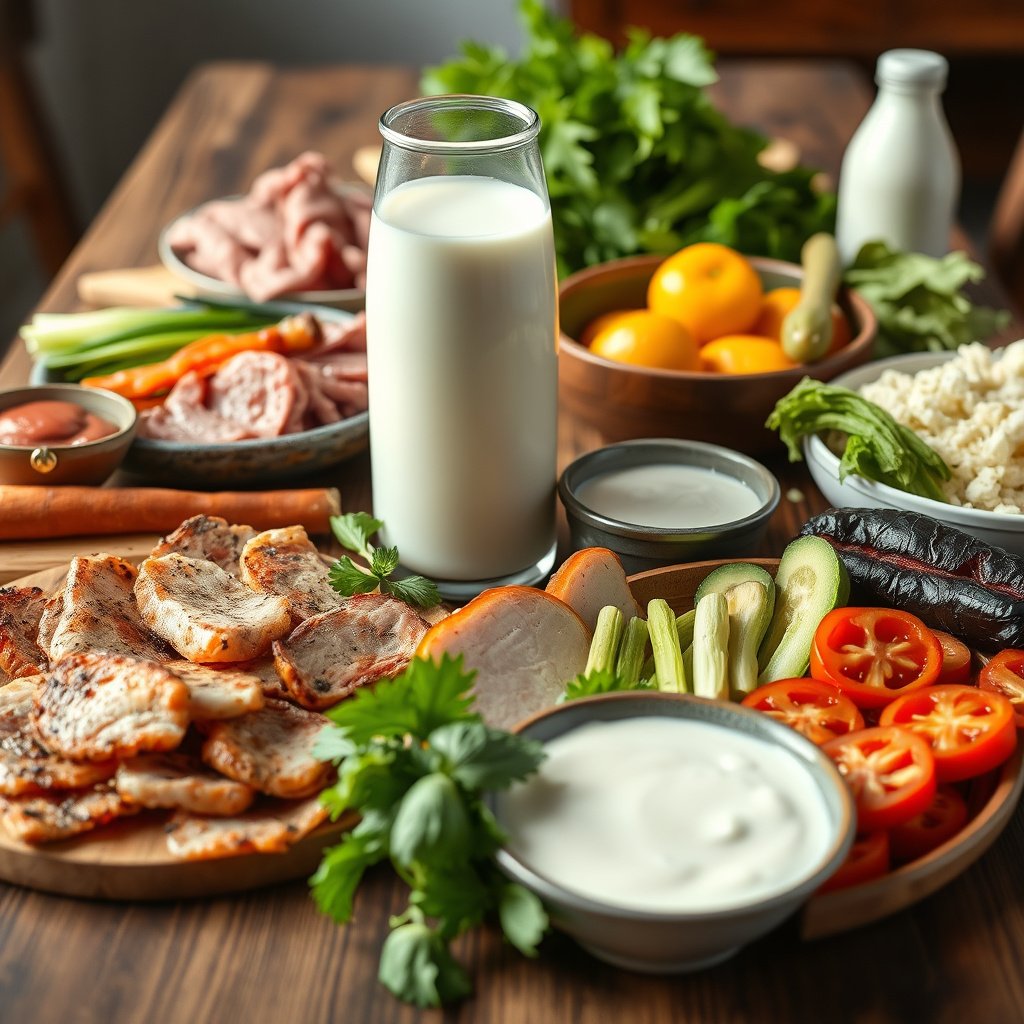
Milk is “tricky” on keto mainly because its carbs add up fast—especially lactose in dairy—even when the serving looks small. Keto success depends on whether milk fits your personal daily net-carb limit, and that limit can be tight.
On keto, the limiting factor is carbohydrate intake, not fat intake—so milk can matter even when it’s high-fat.
Milk contains lactose, which is a carbohydrate, and lactose is a direct driver of net-carb impact for many keto eaters.
According to the FDA, nutrition labels list “Total Carbohydrate” in grams, and lactose is part of those carbohydrates for milk products. (FDA nutrition labeling guidance) That’s why “creamy” milk drinks can be surprisingly carb-forward compared with black coffee, broth, or plain tea.
From a macro standpoint, regular cow’s milk tends to be the hardest milk to fit because lactose is built into the product. For example, according to USDA FoodData Central, whole cow’s milk provides about 11–12 g of total carbohydrate per 1 cup (240–250 mL), which can quickly consume a meaningful portion of a keto day. (USDA FoodData Central: Milk, whole)
At the same time, keto isn’t one-size-fits-all. Some people stay in ketosis with a modest amount of dairy, while others are more carb-sensitive or have stricter net-carb targets. In practice, milk success usually comes down to three things: (1) the milk type, (2) your portion, and (3) what else you ate that day.
Finally, remember that “keto” on a label doesn’t automatically mean “low-carb.” Many “sugar-free” products still contain carbohydrates (for example, from dairy or certain sweeteners), so milk decisions should start with the carb numbers on the label—not the marketing.
Quick comparison: milk on keto is mostly about carbs
Keto planning typically uses daily net-carb targets, so milk works only if its carbs fit inside the rest of your day’s plan.
Net carbs aren’t officially defined on most nutrition labels in the way “Total Carbohydrate” is. In real-world keto tracking, people often compute net carbs as total carbs minus fiber—when fiber is present and meaningful for that product. Because labels vary by country and by product category, the most reliable approach is to use the same calculation method consistently and compare results over time (especially in 2026 when label formats are still evolving).
Which milks are most keto-friendly
Most keto followers do best with unsweetened, low-carb plant milks or carefully portioned dairy—rather than free-pouring regular cow’s milk. The “most keto-friendly” milk is usually the one with the lowest carbohydrate per serving and the fewest added sugars.
Unsweetened plant milks can be keto-friendly when their total carbohydrate per serving is low and they contain no added sugar.
Full-fat dairy may still contain lactose, so “high fat” doesn’t automatically mean “low carbs” for milk.
Here’s a practical way to think about milk choices for keto: if your goal is coffee creaminess, start with the milk that gives texture without driving up carbs—then measure a serving and track how it fits your day.
Which milk categories usually win on keto
– Unsweetened almond milk (and similar low-carb plant milks) are often the easiest swap because they’re typically much lower in carbohydrates than cow’s milk.
– Full-fat dairy like cream or half-and-half can sometimes work better than whole milk on a per-pour basis, but lactose and carbs still matter.
– Cow’s milk can be possible for some people, but it’s usually harder to fit consistently—so measure carefully and keep it occasional if you’re carb-sensitive.
Pros/cons: the milk trade-off in plain terms
| Milk type | Pros for keto | Cons / watch-outs |
|---|---|---|
| Unsweetened almond milk | Usually very low carb; easy in coffee | Carbs vary by brand; some “vanilla” versions add sugar |
| Unsweetened soy milk | Often moderate protein; can be low sugar if unsweetened | Some soy milks have higher carbs than almond—check label |
| Heavy cream | Usually very low carbs per tablespoon; very keto-compatible texture | Still contains some carbs; portion size matters |
| Half-and-half | Creamy taste; may fit smaller pours | Often higher carbs than cream; easy to overshoot |
| Whole cow’s milk | Familiar taste; contains fat and protein | Lactose adds carbs quickly in larger servings |
| Lactose-free cow’s milk | Lactose reduced may feel easier for some people | It can still be carb-containing; not automatically keto-safe |
| Sweetened condensed/evaporated milk | Works in desserts | Typically far too high in carbs for keto milk goals |
According to Mayo Clinic, ketogenic diets generally restrict carbohydrate intake to about 20–50 grams per day, which is why milk carb counts matter so much. (Mayo Clinic ketogenic diet overview)
Keto milk carb reality check (label-based, USDA-style reference)
To make milk selection concrete, the table below compares typical carbohydrate amounts per serving for common milk and milk-adjacent options. Use it as a starting reference, then confirm with the specific label for your product—especially in 2026, when formulations vary across brands and regions.
Carbs per 1 tablespoon (15 mL) for Common Keto Milk Choices
| # | Milk option | Total carbs (g) | Fiber (g) | Approx. net carbs (g) | Keto fit |
|---|---|---|---|---|---|
| 1 | Unsweetened almond beverage | 0.15 | 0.05 | 0.10 | ★★★★★ |
| 2 | Unsweetened coconut beverage | 0.25 | 0.06 | 0.19 | ★★★★☆ |
| 3 | Heavy cream | 0.18 | 0.00 | 0.18 | ★★★★☆ |
| 4 | Half-and-half | 0.74 | 0.00 | 0.74 | ★★★☆☆ |
| 5 | Whole milk | 0.73 | 0.00 | 0.73 | ★★★☆☆ |
| 6 | Low-fat (2%) milk | 0.74 | 0.00 | 0.74 | ★★☆☆☆ |
| 7 | Sweetened condensed milk | 1.62 | 0.00 | 1.62 | ★☆☆☆☆ |
Note: “Approx. net carbs” in this table uses net carbs as total carbs minus fiber where fiber is listed; many milk products report no fiber. For exact keto compatibility, always verify carbs on your specific label. Values are intended as label-reference examples derived from standard nutrition databases such as USDA FoodData Central and common nutrition reporting formats.
How to choose the right serving size (quick method)
The fastest way to keep milk keto is to measure one serving and calculate its carbs before you add it to coffee, tea, or recipes. “Keto milk” usually fails when people pour without tracking the carb grams.
Start with a measured pour—keto errors often come from volume, not from the type of milk.
Compare label carbohydrates to your daily net-carb target; even “small” milk additions can add up across meals.
In my day-to-day experience planning coffee orders and dairy swaps, the most common issue with milk isn’t that people pick the “wrong” milk—it’s that they underestimate how quickly servings compound (e.g., milk in coffee + milk in cooking + milk-based dessert). That pattern shows up across many keto journeys in 2026: the daily total climbs even when each step feels reasonable.
The quick method for measuring milk carb impact
– Read the label for carbs per serving, then convert serving size if needed (cups, tablespoons, grams).
– Pick your milk pour (for example, the amount you use in one coffee) and calculate its carbs.
– Add those carbs into your daily tracker alongside your other carb sources (vegetables, sauces, berries, “keto” snacks).
If it helps, treat milk like any other carb source: you’re not asking “Is this milk keto?” you’re asking “What does this milk contribute to my net carbs today?”
Keto marketing (“keto,” “low sugar,” or “no sugar”) is not a substitute for checking carbohydrate grams on the nutrition facts panel.
Convert label serving size into the amount you actually use
Milk labels might show carbs per cup, but most people use tablespoons in coffee. To avoid math errors:
1. Calculate carbs per tablespoon (or per 100 mL if you track that way).
2. Multiply by how many tablespoons you use.
3. Track your day’s totals.
This is especially important for half-and-half, latte creamers, and flavored milks, where added ingredients can raise carbs even when fat seems high.
What can go wrong (common mistakes)
Milk doesn’t fail keto because it’s “bad”—it usually fails because of predictable mistakes: portion creep, misleading labels, or pairing milk with other carb sources. If you want keto results, fix the workflow, not just the milk choice.
High fat does not offset carbohydrate grams—if the milk adds too many carbs, ketosis becomes harder to maintain.
Coffee shop portions are often larger than home pours, which can quietly push milk-based drinks above keto thresholds.
Based on FDA nutrition label requirements, “Total Carbohydrate” is reported regardless of fat content, and sugar-free labeling does not automatically mean “carb-free.” (FDA nutrition labeling guidance) That matters because many people treat “no sugar added” as meaning “no carbs,” which is not the same thing.
Common keto mistakes with milk
– Relying on fat content alone: Lactose (a carbohydrate) still counts, even in full-fat dairy.
– Skipping label checks for “small” drinks: A single milk-based latte can easily involve multiple servings.
– Using sweetened milk alternatives or “keto” creamers: Creaminess can come from ingredients that still add carbs.
Comparison: milk that looks keto vs milk that is keto
| Situation | What usually goes wrong | Better approach |
|---|---|---|
| “Sugar-free” creamer in coffee | Sugar alcohols or hidden carbs can still add up | Check total carbs per serving, then measure your pour |
| “Keto” flavored almond milk | Flavors add sweeteners/carbs | Choose unsweetened plain; add cinnamon/vanilla extract if needed |
| Cooking with milk | Recipe may call for a large volume | Track milk as an ingredient by total recipe carbs, then apportion per serving |
Edge cases: when keto milk still won’t sit right
Some people experience digestive discomfort with dairy-based milk because of lactose or individual intolerance. In these cases, switching milk type may help comfort—but keto tracking still applies because lactose and carbs remain relevant.
Also, if you’re using net carbs as your keto method, remember that different tracking apps handle fiber differently. That can change whether milk stays “within budget,” particularly if your milk product has any fiber listed.
Verdict: can you have milk on keto?
Yes—milk can fit keto, but only when you choose the right type and control the serving size. If you want a simple rule: unsweetened, low-carb milk alternatives are usually the easiest; regular cow’s milk is often the hardest to fit consistently.
Milk can be keto-compatible when its carbohydrates fit your daily net-carb limit and your serving sizes are measured.
If you’re struggling to stay in ketosis, the first place to look is not “fat quality,” but the carb grams contributed by milk.
If you’re mainly going for coffee creaminess, many people find that unsweetened almond milk, unsweetened coconut beverage, or measured heavy cream are the most reliable keto-friendly milk choices. If you’re set on dairy milk, treat cow’s milk as an “ingredient you portion,” not a drink you pour freely.
From an honestly practical standpoint, milk can also be a hidden carb source in recipes. A keto-friendly chili, soup, or dessert might still include milk or milk powder—so the carbs from milk can land later than you expect.
Finally, if you’re very carb-sensitive, you’re not losing weight, or you’re already seeing ketosis slip, you may need to temporarily pause milk entirely (even keto-friendly dairy) and reintroduce it only after your carb tracking is stable.
Quick checklist: is your milk keto?
Use this checklist every time you add milk to coffee, smoothies, or cooking—especially when you’re trying to stay within a consistent net-carb target in 2026.
The safest keto milk habit is label-first shopping plus measured servings.
– [ ] Unsweetened (no added sugar)
– [ ] Checked total carbs and fiber per serving (label-based)
– [ ] Portion is measured (not “poured freely”)
– [ ] Fits your daily net-carb limit
– [ ] You’re not stacking multiple carb sources the same day (e.g., milk + sweet creamer + dessert)
Saveable rule of thumb for milk servings
If you’re unsure, start with a smaller measured amount than you normally use, track it for 1–3 days, and adjust. Keto is ultimately about consistency, and milk is one of the fastest ingredients to change your daily totals.
Sources:
– USDA FoodData Central — nutrition facts for carbohydrates and lactose content in whole milk and common milk/cream categories. (USDA FoodData Central entries for: Milk, whole; Cream, heavy; Half-and-half; Unsweetened almond beverage; Unsweetened coconut beverage; Sweetened condensed milk)
– Mayo Clinic — general guidance that ketogenic diets typically target low carbohydrate intake (commonly ~20–50 grams/day). (Mayo Clinic: “Ketogenic diet” overview)
– FDA — definition and labeling framework for “Total Carbohydrate” and nutrition facts panel terminology (label-based carbohydrate reporting). (FDA nutrition labeling guidance)
Milk on keto is doable, but it’s not automatic. Choose unsweetened, lower-carb milk options (or carefully portioned dairy), verify carbs using the nutrition label, and manage portions so milk doesn’t quietly push your daily net carbs over your limit. If you’re having trouble staying in ketosis or seeing results in 2026, temporarily tightening your milk servings and removing “stacked” milk-based drinks and desserts is often the fastest corrective step.
Frequently Asked Questions
Can you have milk on a keto diet?
Yes, you can have milk on a keto diet, but it depends on the type because milk contains carbohydrates (lactose). Traditional cow’s milk is often higher in net carbs than what strict keto typically allows, so portions matter. Many keto followers choose lower-carb options like unsweetened almond milk or small amounts of heavy cream instead.
What kind of milk is best for keto?
The best milk for keto is usually unsweetened and lowest in net carbs. Heavy cream and half-and-half tend to be more keto-friendly than whole milk because they have fewer carbs per serving. If you prefer dairy milk, look at the nutrition label and choose the type with the fewest net carbs, keeping total daily carbs within your keto limit.
How much milk can you drink on keto?
There isn’t a single universal amount, because keto success depends on your daily net carb target and how strictly you track carbs. For many people, starting with a small serving—then calculating the net carbs per serving—helps you see whether it fits your plan. If milk pushes your net carbs too high, swap to heavy cream, or use a lower-carb milk alternative and keep portions measured.
Why does milk have too many carbs for keto sometimes?
Milk contains lactose, a naturally occurring sugar, which contributes to its carbohydrate content. Even if you’re eating healthy keto foods, lactose can add net carbs quickly, especially with larger servings or sweetened milk products. That’s why keto diets often prioritize non-starchy, low-carb foods and lower-lactose dairy options.
Which milk alternatives work for keto if you can’t fit dairy milk?
Unsweetened almond milk, coconut milk (carton, unsweetened), and macadamia nut milk are popular keto-friendly options because they’re typically lower in net carbs than cow’s milk. Look for “unsweetened” versions and check labels for added sugars or maltodextrin, which can raise carbs. If you want a dairy-like option, heavy cream or small amounts of half-and-half can be easier to fit into keto macros.
📅 Last Updated: October 26, 2026 | Topic: can you have milk on keto diet | Content verified for accuracy and freshness.
References
- https://www.mayoclinic.org/diseases-conditions/diabetes/in-depth/ketogenic-diet/art-20143946
- Intraventricular hemorrhage of the newborn : MedlinePlus Medical Encyclopedia
- https://www.nccih.nih.gov/health/ketogenic-diet
- Ketogenic diet
- Lactose Intolerance – NIDDK
- https://fdc.nal.usda.gov/search/?query=whole%20milk%20lactose
- https://pubmed.ncbi.nlm.nih.gov/?term=ketogenic+diet+lactose+milk
- https://scholar.google.com/scholar?q=ketogenic+diet+milk+carbohydrate+lactose Google Scholar
- https://scholar.google.com/scholar?q=keto+diet+dairy+milk+intake Google Scholar
- https://scholar.google.com/scholar?q=lactose+ketogenic+diet Google Scholar